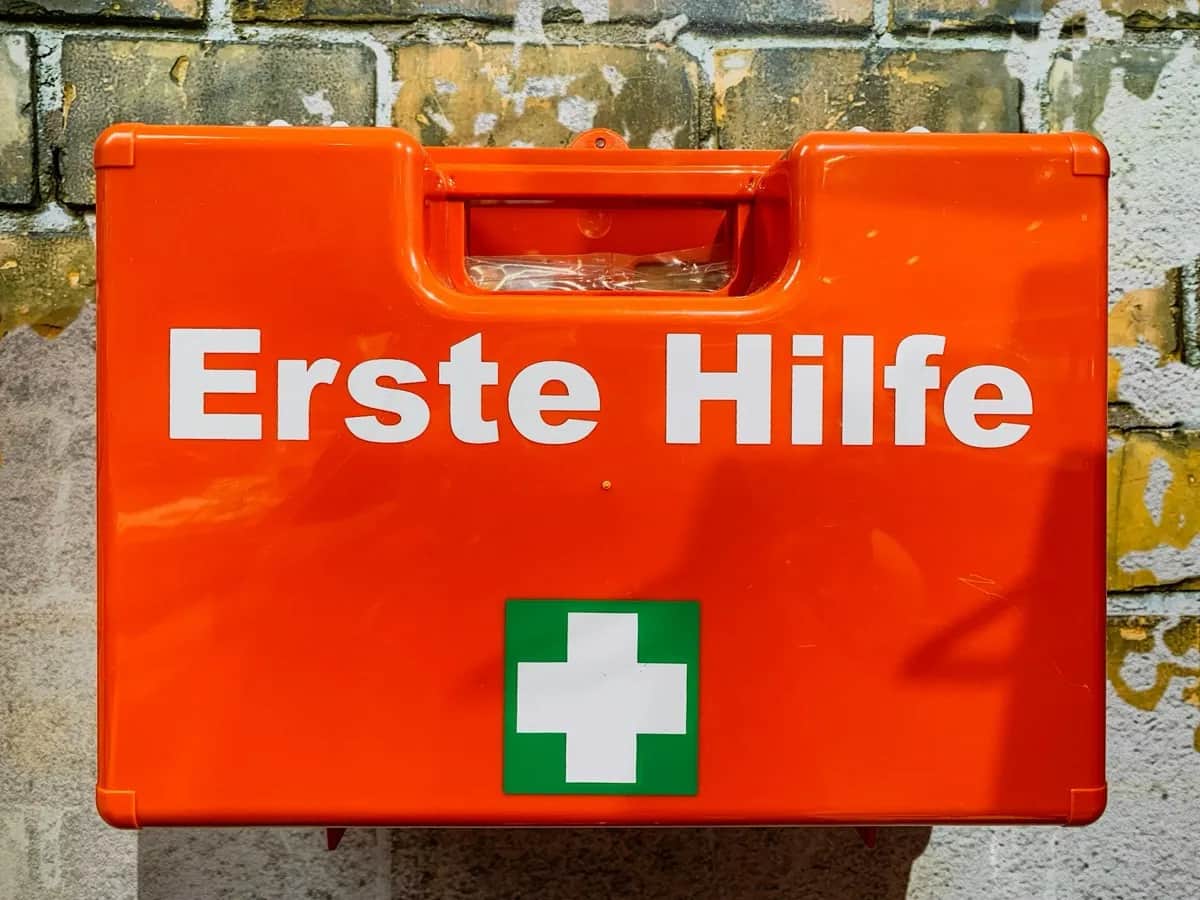
 Foto: Kristina Snowasp / Pexels
grundlagenMay 9, 20265 min read
Winter Preparedness Checklist: When the Heating Fails
Complete checklist for heating failures in winter: alternative heaters, fuel reserves, warm clothing, and CO safety — all in one downloadable list.
Heating Failure Checklist: What You Need
Use this checklist to prepare systematically. Work through it section by section — starting with the most urgent items.
Section 1: Alternative Heating Systems
- At least one alternative heater present:
- Portable gas heater (propane/butane) OR
- Petroleum/paraffin heater OR
- Woodstove or fireplace (chimney sweep certified)
- Heater has been tested — it works
- User manual read and understood
- Heater stored in accessible location (not in basement behind boxes)
Section 2: Fuel Reserves
For Gas Heaters
- Propane bottles: At least 3 × 5 kg = 15 kg total
- Quantity on hand: _______
- Last refill date: _______
- Storage location: dry, ventilated, away from heat sources
- Propane adapter/hose in good condition
For Petroleum Heaters
- Petroleum/lamp oil: At least 20 liters
- Quantity on hand: _______
- Stored in approved containers (metal or HDPE plastic)
- Wicks checked — replacements available
For Woodstoves
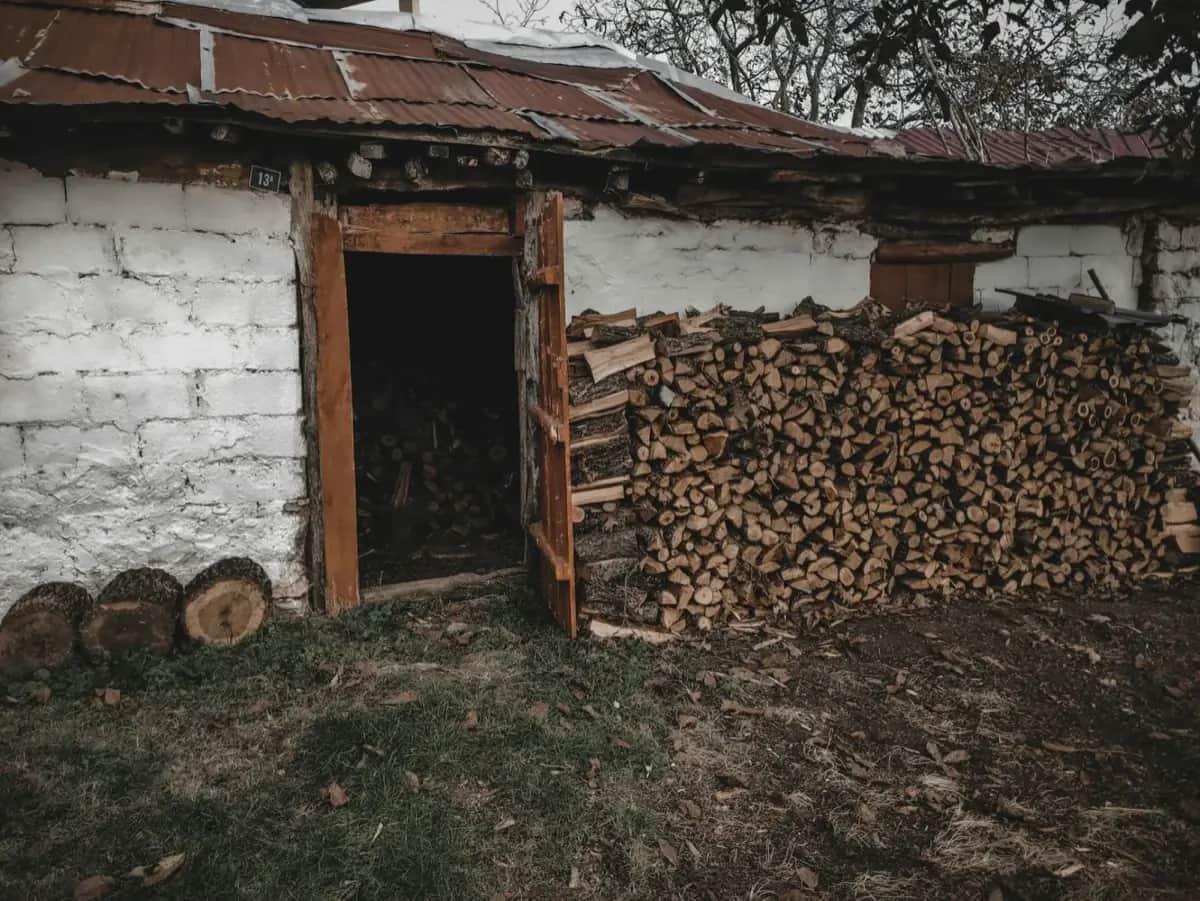
- Firewood: At least 0.5 cubic meters (approx. 200 kg)
- Quantity on hand: _______
- Wood is dry — moisture below 20% (moisture meter or 1+ year of storage)
- Kindling and firestarter available
- Matches/lighter in weatherproof container
Section 3: Safety Equipment
Carbon Monoxide Protection
- CO detector installed in sleeping area
- Battery last replaced: _______
- Test button pressed and alarm confirmed: Tested □
- Additional CO detector for main living room (recommended)
- Family members know CO alarm sound and evacuation procedure
Fire Safety
- Smoke detector functional in every room
- Fire extinguisher present near heater (2 kg CO2 or ABC powder)
- Last inspection: _______
- Flammable materials kept 1 meter from all heaters
- Escape route from home planned and known
Section 4: Personal Cold Protection
Clothing
- Thermal base layer for each household member
- Fleece jacket or wool sweater per person
- Heavy winter jacket accessible (not only in coat closet)
- Warm socks and slippers per person
- Hat and gloves per person (indoors use)
Sleeping
- Sleeping bag rated to -10°C per person OR
- Multiple thick blankets per person
- Hot water bottle(s) present
- Sleeping bag/blanket tested for warmth — actually warm enough?
For Children and Infants
- Baby sleeping bag or swaddle blanket for infants
- Extra warm pajamas
- Room thermometer to monitor temperature
Section 5: Warm Room Strategy
- Designated warm room identified (smallest room with best insulation)
- Heavy curtains or blankets to hang over windows
- Draft stoppers for door gaps
- All family members can sleep in the warm room if necessary
Section 6: Food and Water in Cold Conditions
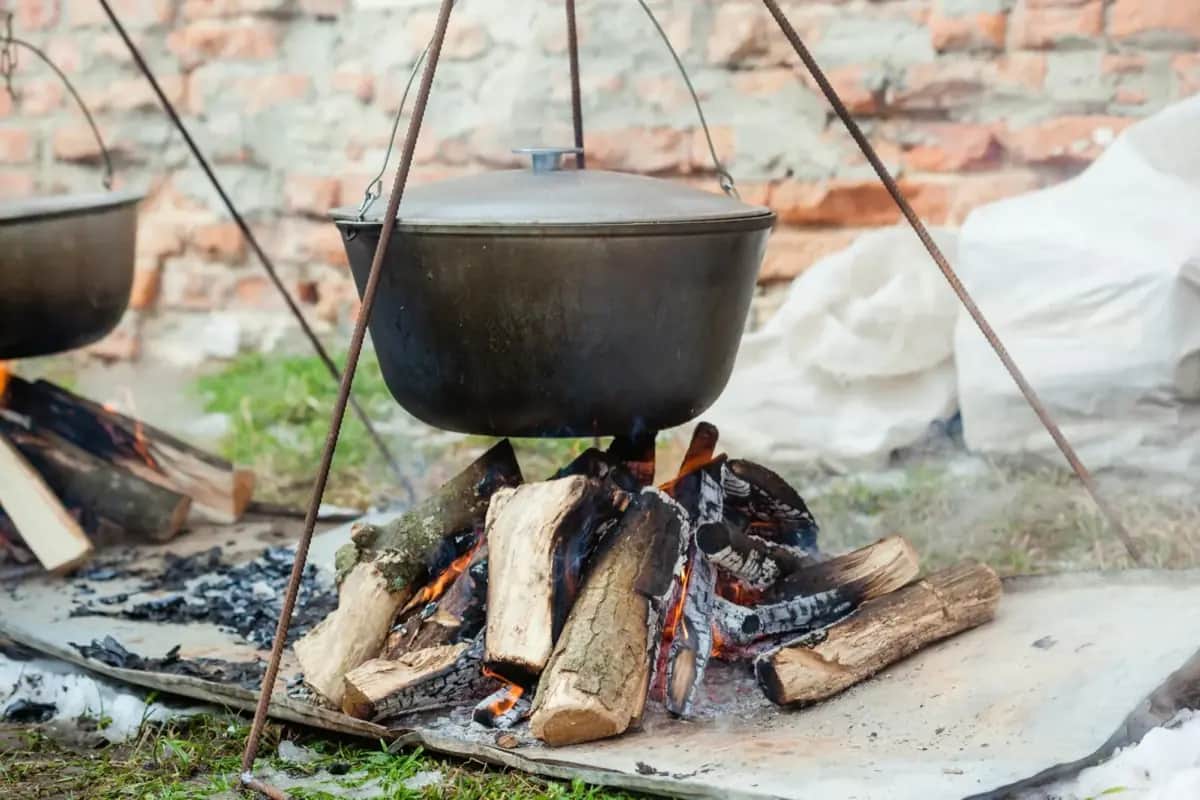
- Camp stove for cooking without kitchen stove
- Thermos bottle to keep water/tea warm
- High-calorie foods — the body needs more energy in the cold:
- Nuts, dried fruit
- Chocolate, energy bars
- Oatmeal (hot preparation)
- Water reserve: Pipes can freeze — store at least 10 liters in accessible location
Section 7: Neighbors and Community
- Vulnerable neighbors (elderly, sick, living alone) identified
- Check-in plan established for extended heating failures
- Contact information for local emergency shelter known
Section 8: Documents and Information
- Emergency numbers on paper (not only in smartphone):
- Emergency services: 911 / 112
- Gas emergency: _______________
- Heating technician: _______________
- Neighbor: _______________
- Gas/oil shutoff valve location known to all household members
Temperature Thresholds: When to Act
| Indoor Temperature | Action Required |
|---|---|
| Below 18°C | Activate alternative heating |
| Below 16°C | Move vulnerable people to warmer location |
| Below 12°C | All occupants should leave the building |
| Below 8°C | Risk of pipe freeze |
Monthly Maintenance
- CO detector test (test button)
- Fuel reserve level check
- Heater visual check for damage
Annual Maintenance
- Chimney sweep inspection (if woodstove)
- CO detector battery replacement
- Fire extinguisher inspection
- Sleeping bag warmth test (sleep one night in it)
This checklist covers all essential aspects of heating crisis preparation. Work through it once thoroughly — then maintain it with the monthly and annual checks.