 Foto: Lokman Sevim / Pexels
Heating Without Power in Winter: Complete Crisis Preparedness Guide
How to stay warm during a winter power outage: alternative heating systems, safety rules, and fuel storage for multi-day heating failures.
Why Heating Failure is a Life-Threatening Crisis
A power outage in winter hits a crucial vulnerability: in Central Europe, indoor temperatures can drop to dangerous levels within hours when heating systems fail. Modern gas condensing boilers require electricity to operate — meaning even a gas supply doesn't help during a blackout.
Hypothermia begins when core body temperature drops below 35°C. For elderly people, infants, and sick individuals, this can happen faster than most expect.
How Quickly Does a Home Cool Down?
The rate depends on: outside temperature, insulation quality, building type, and number of occupants.
Rule of thumb for a typical Central European apartment:
- At -5°C outside: roughly 1–2°C of indoor temperature loss per hour without heating
- At -15°C outside: 3–5°C per hour possible
After 6–8 hours, a home can be dangerously cold. After 24 hours in harsh winter conditions: uninhabitable for vulnerable people.
Alternative Heating Systems: Overview
Gas Heaters (Portable)
How they work: Propane or butane cartridges or bottles, combustion in the room.
Advantages:
- Effective heat output (2–4 kW)
- Quickly deployable
- Affordable (from 50 euros)
Critical safety requirements:
- Only in well-ventilated rooms
- Never sleep with it running
- CO detector mandatory
- Keep fire extinguisher nearby
Fuel storage: Propane bottles (5 kg) last approximately 8–10 hours at full power.
Woodstove / Fireplace
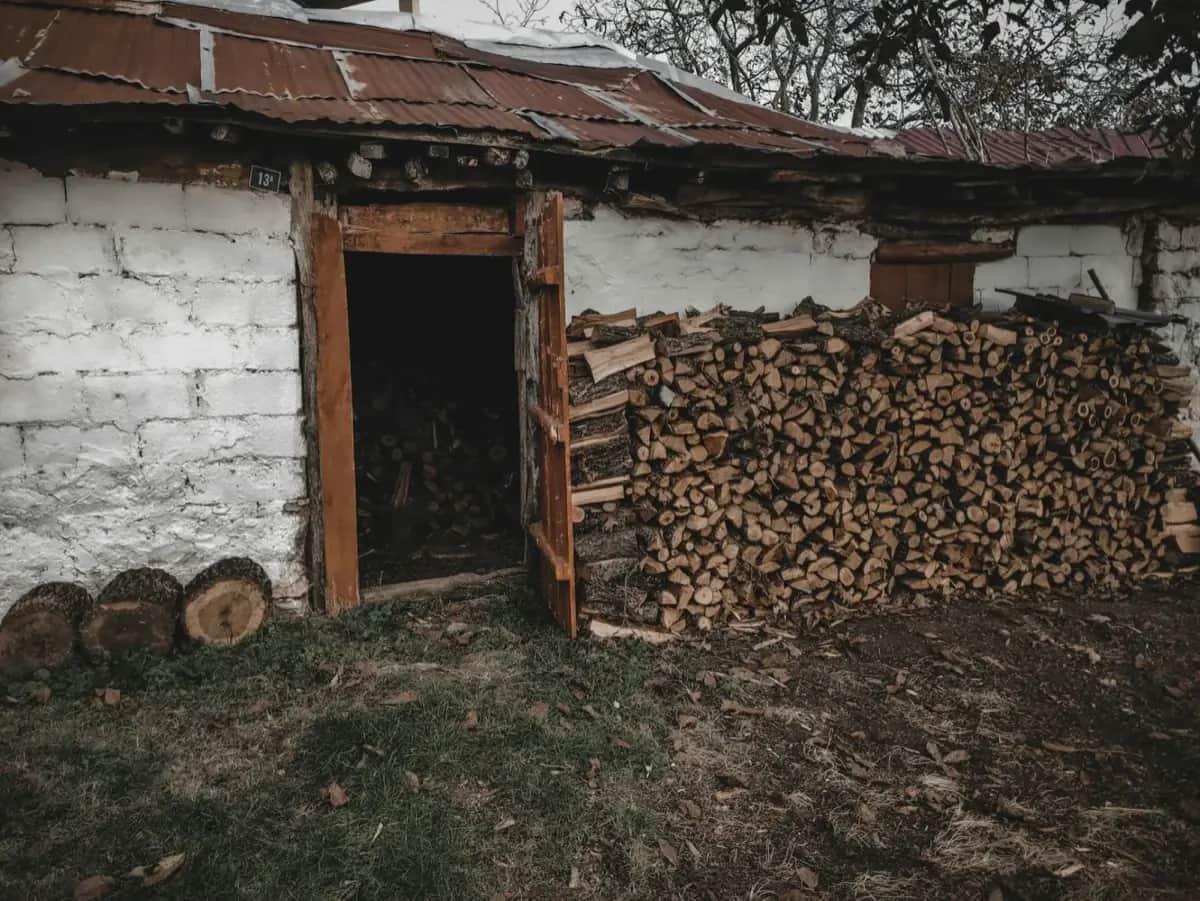
Ideal for crisis preparedness: No electricity needed, renewable fuel, long burn times.
Preparation required:
- Chimney sweep inspection annually
- Dry firewood stored (minimum 1 cubic meter for 2 weeks)
- Firestarter and matches/lighter
Important: Wood must be dry (less than 20% moisture) — wet wood burns poorly and produces creosote.
Petroleum Heaters (Paraffin)
How they work: Liquid paraffin (lamp oil or petroleum) burned in a wick system.
Advantages:
- Very safe compared to gas (no explosion risk)
- Long shelf life of fuel
- Quiet operation
Disadvantages:
- Lower heat output than gas
- Odor during startup/shutdown
- Fuel more expensive than gas
Storage: 10 liters of petroleum = approximately 40 hours of operation.
Catalytic Gas Heaters
Special feature: Catalytic combustion — no open flame, lower CO production.
Well suited for: Bedrooms (with CO detector!), enclosed spaces, longer operation.
Fuel Storage: How Much Do You Need?
Calculation for 14-Day Supply
Gas (propane 5 kg = 11.5 liters):
- Heating 2–3 hours daily + cooking: 1 bottle per 5 days
- Minimum for 14 days: 3 bottles (15 kg total)
Firewood:
- Compact woodstove at low setting: 1–2 kg/hour
- 8 hours/day heating: 8–16 kg/day
- 14 days: 100–220 kg = approximately 0.5 cubic meters
Petroleum:
- Heater at medium setting: 0.2–0.3 liters/hour
- 8 hours/day: 1.6–2.4 liters
- 14 days: 22–34 liters minimum
Safety: Non-Negotiable Rules
Carbon Monoxide (CO) — The Silent Killer
Every combustion process in enclosed spaces produces CO. CO is odorless and colorless.
CO detector: Install within 1.5 meters of sleeping area. Replace battery annually.
Ventilation rules:
- Never run gas heaters in sealed rooms
- Open window a crack during operation
- Never run while sleeping without adequate ventilation
Fire Safety
- Keep flammable materials 1 meter away from heaters
- Never leave burning heaters unattended
- Extinguisher nearby (2 kg CO2 for enclosed spaces)
- Smoke detector functional
Staying Warm Without Active Heating
When fuel runs low or as a supplement:
Layer principle for the body:
- Base layer (moisture-wicking)
- Insulating layer (fleece, wool)
- Windproof outer layer
Sleeping warm:
- Sleeping bag rated to -10°C for indoor use
- Hot water bottle in the sleeping bag
- Multiple people in one room share body heat
The "warm room" strategy:
- Designate one small room as the main living space
- Insulate with blankets over windows and doors
- All family members sleep in that room
Practical Checklist: Heating Crisis Preparation
- Alternative heating system present and tested
- Fuel for 14 days calculated and stored
- CO detector installed and functional
- Fire extinguisher present
- Warm clothing and sleeping bags for all household members
- Emergency contact for vulnerable neighbors
Children and Elderly: Special Considerations
Children cannot regulate body temperature as well as adults. At 18°C indoor temperature, additional clothing layers and blankets are required.
Elderly and sick people often don't feel cold as acutely — check on them regularly.
Rule: If indoor temperature drops below 16°C, move vulnerable people to a warmer location (neighbor, shelter, relative).
Conclusion
Heating preparedness is one of the most important crisis preparedness measures in Central European climates. An alternative heating system, fuel reserve, and CO detector can be life-saving. Invest in this equipment before the first frost.