 Foto: Ploegerson / Unsplash
30-Minute Emergency Quick Actions: What You Can Do RIGHT NOW
No time for extensive preparation? These quick actions take just 30 minutes and dramatically improve your readiness.
Better Prepared in 30 Minutes — No Budget Required
Most people know they should be better prepared for emergencies. Most people aren't. The reason isn't laziness or ignorance — it's perceived complexity. "I'll do it when I have time," becomes "I'll do it this weekend," becomes "I'll start fresh in January."
This article is a pattern interrupt. In 30 minutes, today, without spending a single dollar, you can make a meaningful improvement to your emergency readiness. These are not theoretical tips — they're specific actions with exact time estimates.
You'll need: your smartphone, a piece of paper, a pen, and access to your kitchen sink.
Let's go.
Minutes 1-5: Back Up Your Critical Documents
What this does: If you're evacuated, if your wallet is lost or stolen, if your home is damaged — you have instant access to your most important identity documents from any device, anywhere.
Do this now:
- Open your phone's camera
- Photograph these documents in good light:
- Passport and/or driver's license (front and back)
- Health insurance card(s)
- Any prescription cards or medical alert cards
- Your most critical insurance policy information
- Upload immediately to cloud storage (Google Photos, iCloud, or email them to yourself)
- Create a folder called "Emergency Documents" so they're findable under stress
That's it. 5 minutes. Cost: $0.
You now have digital backups accessible from any device on the planet. If you lose your wallet in a hurricane evacuation, you have copies. If your home is destroyed, you have your documents.
Minutes 6-15: Write Your Emergency Contact List on Paper
What this does: When your phone is dead, stolen, or when cell networks are congested, you still know who to call and how to reach them.
Do this now:
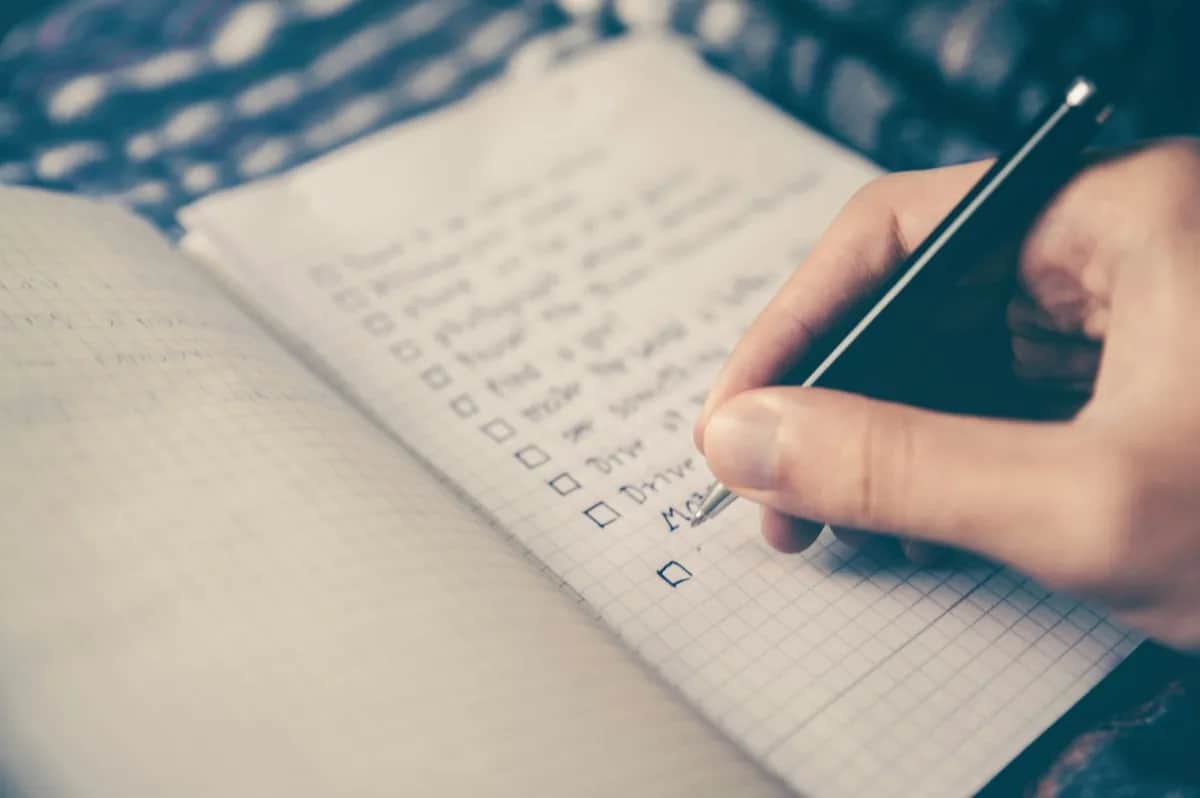
- Grab a piece of paper and pen (index card works great)
- Write down these numbers:
- Police: 911 (or local non-emergency number)
- Your doctor or nearest urgent care: (copy from phone)
- 2-3 immediate family members: name + number
- 2 nearest neighbors or local friends: name + number
- Your workplace emergency contact (if relevant)
- Your local municipality or emergency management office
- Put this list somewhere it will survive and be findable: laminated if possible, in your wallet, under a kitchen magnet, or inside a book
That's it. 10 minutes. Cost: $0.
If you have kids: Show them this list. Walk them through calling 911. Know your children's school emergency contact procedures. Where do kids go if parents can't be reached?
Minutes 16-25: Create an Immediate Water Reserve
What this does: Water is the most critical resource in an emergency. Municipal water pressure can fail quickly during power outages. Having water on hand — even just for a day or two — matters.
Do this now:
- Go to your kitchen and take stock of every container that could hold water:
- Large pots (5+ quarts)
- Mason jars and glass jars
- Cleaned plastic bottles (soda bottles, juice jugs)
- Pitchers and carafes
- Fill every container with tap water
- Place them somewhere accessible: a corner of the kitchen, a shelf, under the sink
- Write on a sticky note: "Filled: [today's date]. Replace: [date 6 months from now]"
Target: At least 1 gallon (3.8 liters) per person in your household. Two gallons per person is better.
Cost: $0, since you're using your existing containers and tap water.
No suitable containers? Use emptied water bottles from your recycling bin (rinsed thoroughly). Or that single-serve water bottle you just finished — refill it and add to the collection. Every liter counts.
Minutes 26-30: Set Two Meeting Points and a Communication Protocol
What this does: If family members are separated during an emergency, a pre-agreed meeting point eliminates panic, prevents dangerous searching, and ensures no one is left behind.
Do this now:
-
Decide on TWO meeting points:
- Near meeting point: Your front door, or a specific spot in front of your building (for house fires, minor emergencies)
- Far meeting point: A nearby public landmark — a park, school, library, or intersection within walking distance (for larger events requiring neighborhood evacuation)
-
Establish a simple rule: "If anyone can't be reached, wait 30 minutes at meeting point 1. Leave a note on the front door and go to meeting point 2."
-
Name an out-of-area contact — a family member or trusted friend in a different city — who all household members can text if local calls are congested (text messages often go through when calls don't)
-
Write down both meeting points and the out-of-area contact on the same paper as your emergency contact list
That's it. 5 minutes. Cost: $0.
What You've Accomplished in 30 Minutes
You now have:
- Cloud-backed copies of your most critical documents
- An emergency contact list on paper in your wallet
- An immediate water reserve in your kitchen
- Two designated meeting points and a family communication protocol
None of this is a complete emergency preparedness plan. But it's a real, tangible improvement in your resilience. Most households in America don't have any of these four things done.
The Next 30 Days: Logical Follow-Up Actions
If you found this exercise useful, here's where to invest your next hour (spread over the coming days):
This week:
- Check your flashlights — fresh batteries, or charge the rechargeable ones
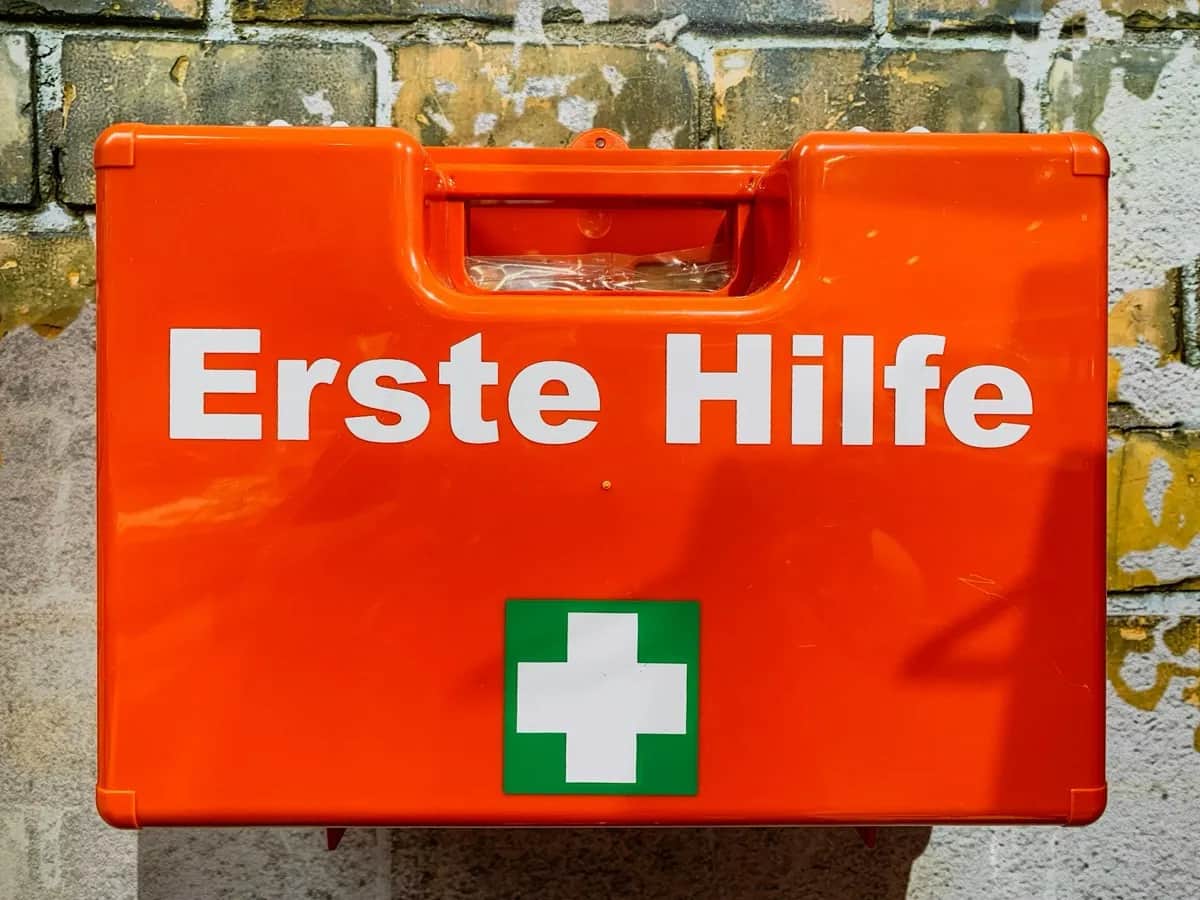
- Assemble a basic first aid kit if you don't have one (or check that your existing one is stocked)
- Buy a battery-powered or hand-crank weather radio ($20-35) — this is how official emergency information gets broadcast when the internet is down
This month:
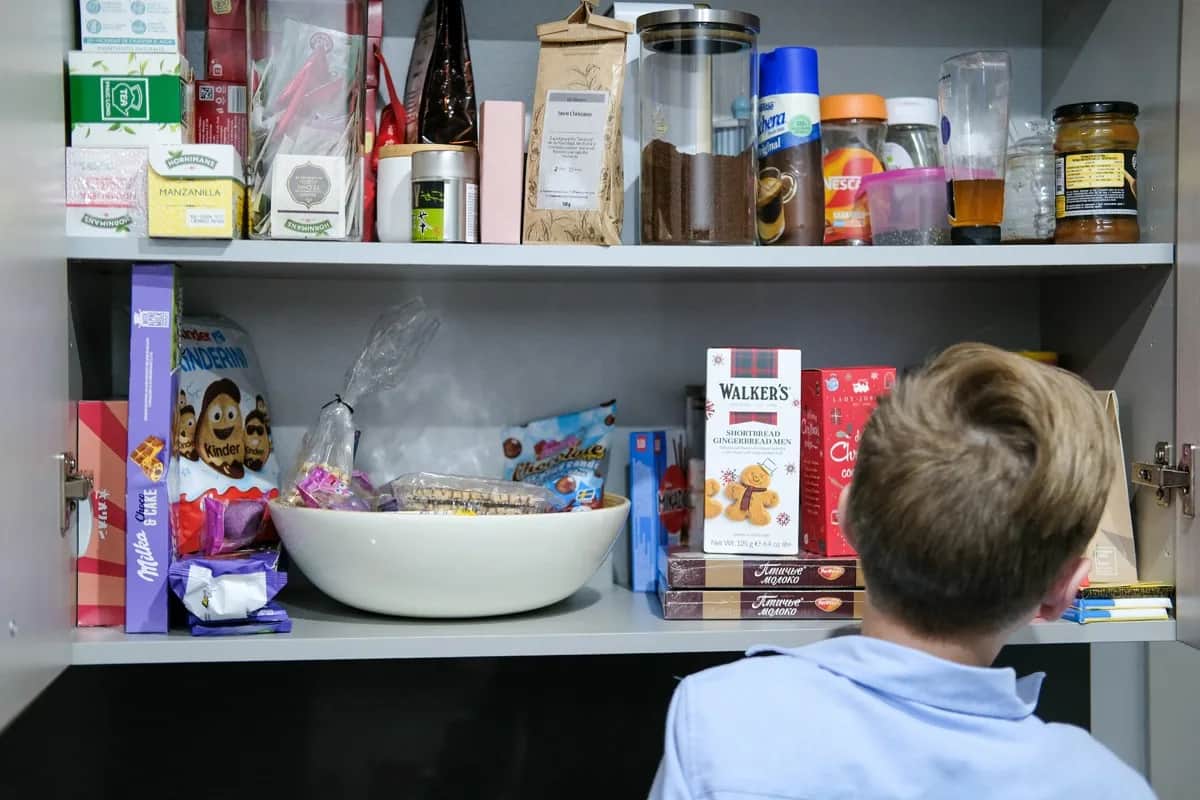
- Build a 72-hour food supply: canned goods, crackers, peanut butter, nuts ($40-60)
- Upgrade your water storage with dedicated containers (1-gallon jugs or larger)
- Talk with your nearest neighbors about mutual support in an emergency
Over the next 3 months:
- Extend food and water supply to 14 days
- Take a first aid and CPR course (many are free through the Red Cross)
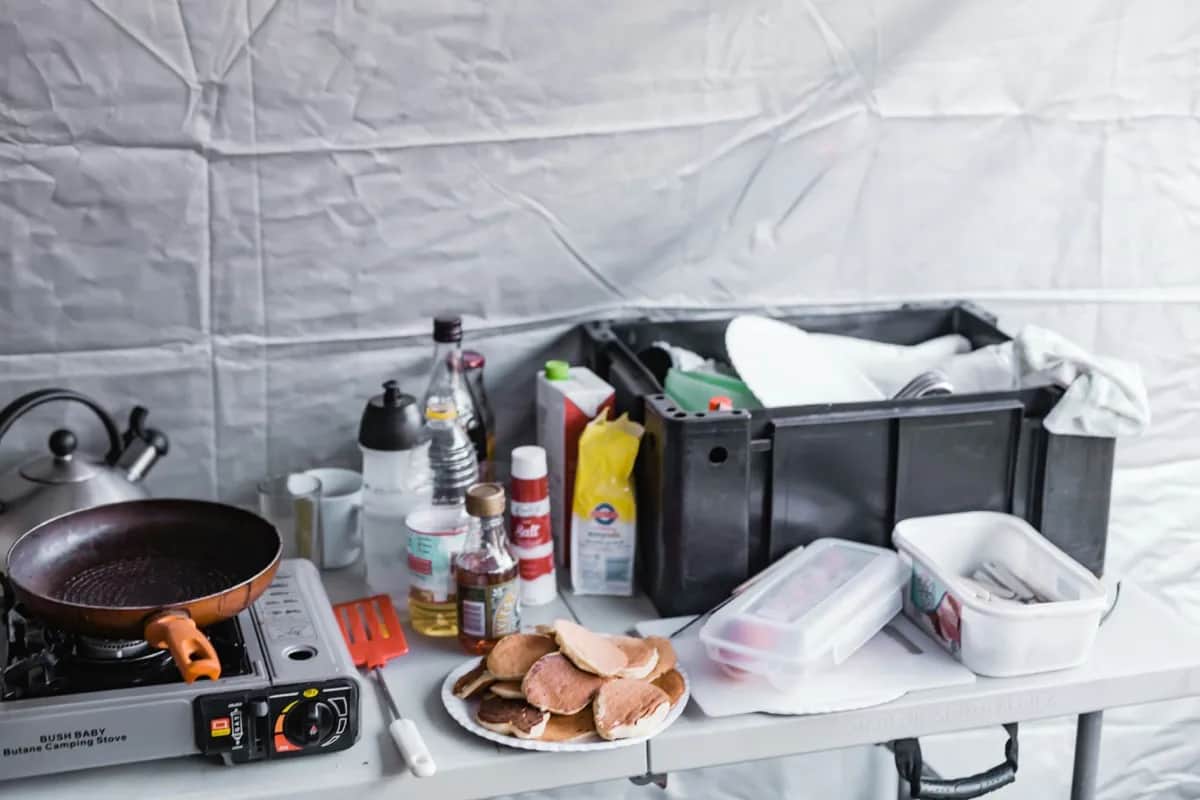
- Test your camp stove and check fuel supply
The "Good Enough" Philosophy of Emergency Preparedness
There's a perfectionist trap in emergency preparedness. People research extensively, plan elaborate systems, and ultimately do nothing because they can't implement the "ideal" solution.
The reality is simple: any preparation is better than none, and marginal preparation is better than minimal preparation.
A paper contact list with 5 numbers is not a sophisticated communication plan. It's also potentially life-saving in a scenario where your phone is dead. Six gallons of water in your kitchen is not a 14-day stockpile. It's also the difference between comfort and real distress in a 48-hour event.
You have 30 minutes. Start now.