 Foto: Sincerely Media / Unsplash
The 6 Pillars of Emergency Preparedness
Water, food, energy, communication, medical, and documents — the complete framework for household emergency readiness.
Why a Framework Beats Spontaneous Prep
Most people approach emergency preparedness the same way they approach New Year's resolutions — with great intentions and poor follow-through. The problem isn't motivation; it's the lack of a clear structure.
The 6 Pillars framework gives you a complete mental model for household emergency readiness. Instead of wondering "am I forgetting something?", you can evaluate your preparedness systematically, identify gaps, and close them methodically. Emergency management agencies around the world — FEMA in the US, the BBK in Germany, the Civil Contingencies Secretariat in the UK — all use similar frameworks.
Think of each pillar as a load-bearing column. Remove one and the structure weakens. Strengthen all six and you have genuine resilience.
Pillar 1: Water
Water is the single most critical resource. Without it, survival becomes impossible within days. No other pillar can compensate for missing water.
The numbers:
- Minimum: 1 gallon (3.8L) per person per day (FEMA standard)
- Recommended: 2 gallons per person per day (includes cooking and basic hygiene)
- 14-day supply for a family of 4: 56-112 gallons
Storage tips:
- Use food-grade, BPA-free containers (HDPE type 2, look for the recycling symbol)
- Opaque containers prevent algae growth
- Rotate every 6-12 months; label with fill date
- Store away from direct sunlight and heat sources
Checklist:
- Minimum 7-day water supply per person
- Water purification tablets (chlorine dioxide or iodine)
- Portable water filter (Sawyer, LifeStraw, or similar)
- Knowledge of how to boil and purify water
Pillar 2: Food
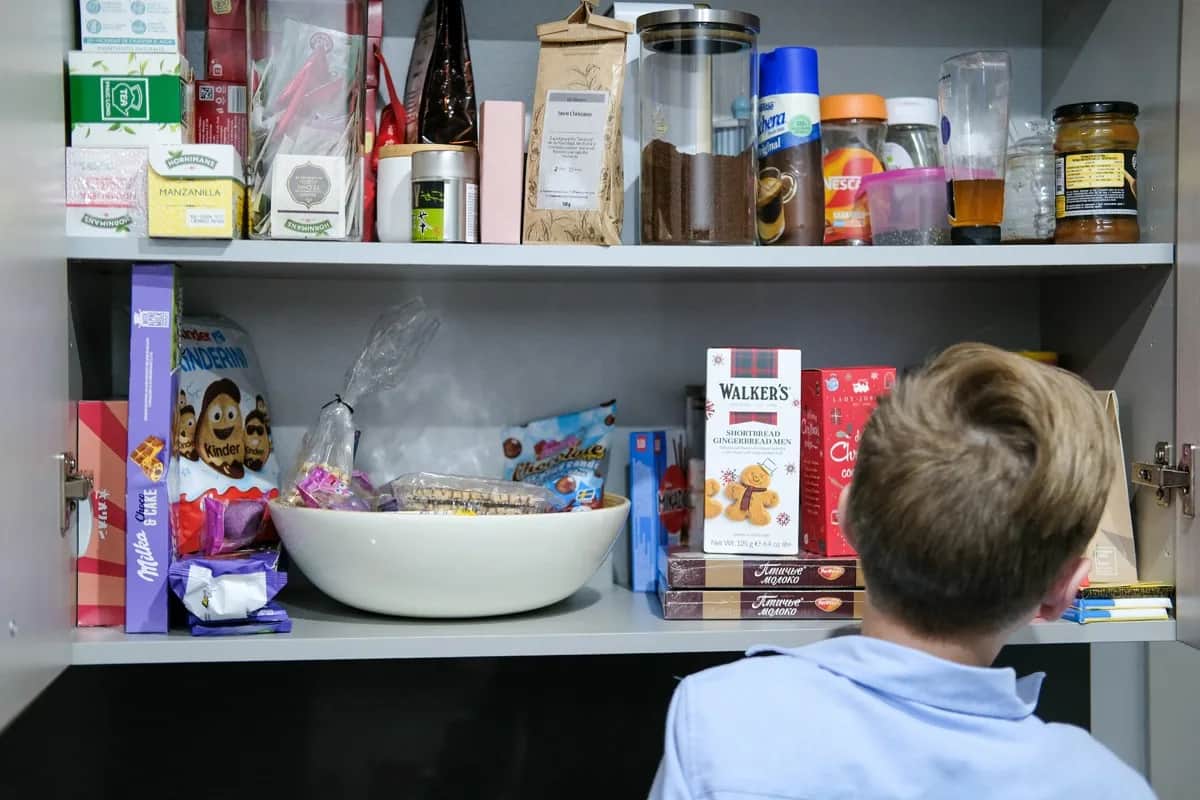
A 2-week food supply is the target. Focus on shelf-stable, calorie-dense foods that your household will actually eat.
The golden rule: Store what you eat, eat what you store. The biggest mistake is buying specialized "prepper food" that no one in your family would normally consume. Stock up on foods already in your regular rotation.
Key food categories:
- Complex carbohydrates: pasta, rice, oatmeal, crackers
- Protein: canned beans, lentils, canned fish, nut butter
- Fruits and vegetables: canned or dried
- Fats: olive oil, nuts, seeds
- Comfort foods: coffee, tea, chocolate, hot sauce
Calorie targets:
- Adults: 2,000-2,500 calories/day at rest
- Physical labor or stress: up to 3,000 calories/day
- Children: 1,200-2,000 calories/day depending on age and size
Checklist:
- 14-day food supply for all household members
- Manual can opener
- Camp stove with fuel canisters
- Variety to prevent "appetite fatigue"
- Special dietary needs addressed (infants, elderly, allergies)
Pillar 3: Energy
Power grid dependency is the core vulnerability of modern households. Electricity powers heating, cooling, lighting, cooking, and communication simultaneously.
Lighting:
- LED flashlights with fresh batteries (one per person + spares)
- Headlamps for hands-free work
- Candles + safe holders (fire risk — never leave unattended)
- Battery-powered lanterns for ambient lighting
Heating and cooking:
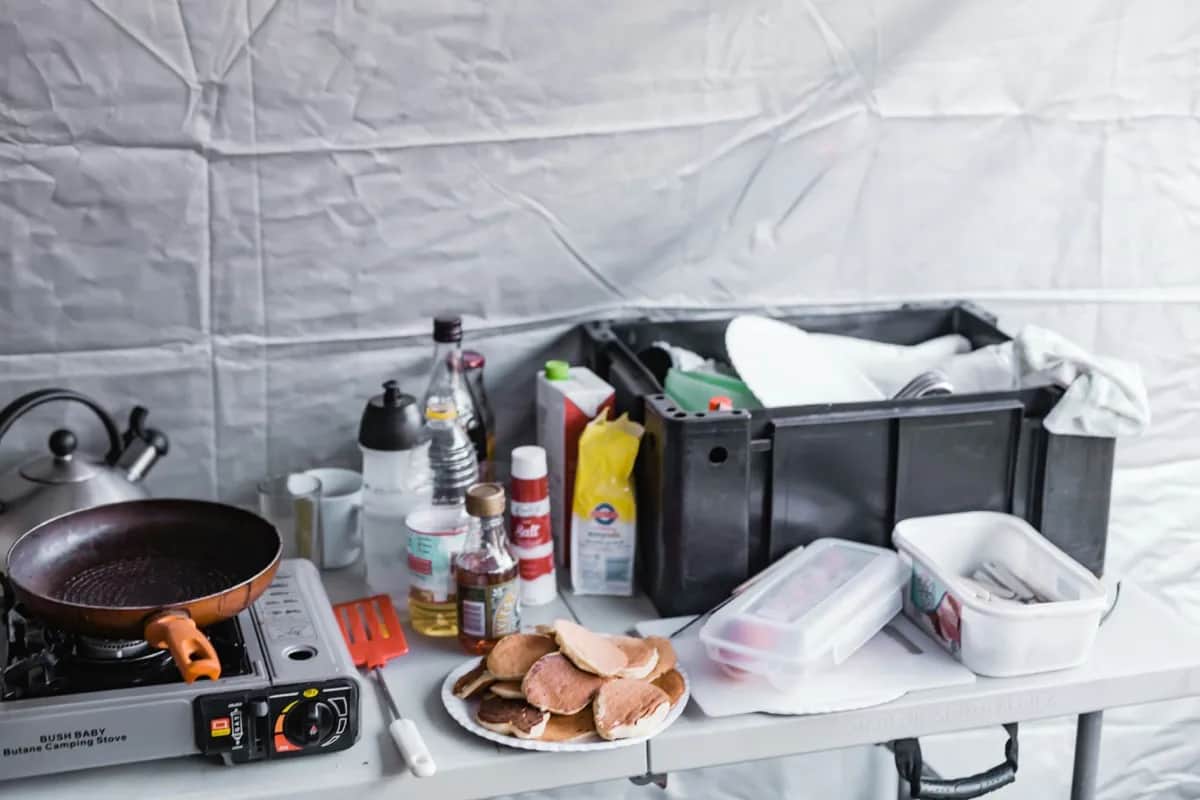
- Camp stove for cooking (propane or butane)
- Sleeping bags rated to at least 20°F (-7°C) for winter cold
- Thermal clothing layers (wool or synthetic)
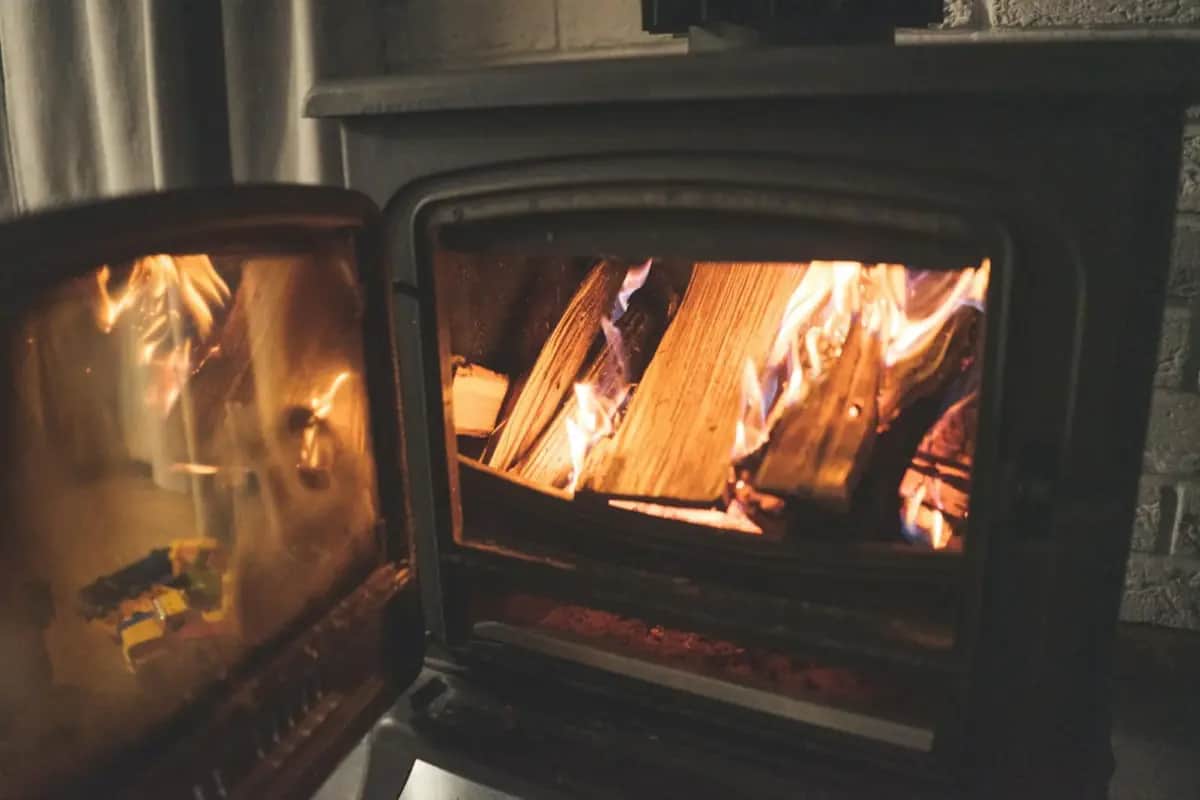
- Wood-burning fireplace or pellet stove if available
Electricity backup:
- Power banks (20,000+ mAh) for phones and small devices
- Solar charging panel for extended outages
- Portable battery station (Jackery, EcoFlow) for higher power needs
- Generator (gasoline or propane) for whole-home backup — requires outdoor ventilation
Checklist:
- Flashlights and headlamps with spare batteries
- Power bank fully charged and maintained
- Camp stove + minimum 3 fuel canisters
- Sleeping bags appropriate for local winter temperatures
Pillar 4: Communication
Information is a survival resource. In a major emergency, knowing what is happening, what actions to take, and where to go is directly linked to outcomes.
Staying informed:
- Battery or hand-crank radio: NOAA Weather Radio (US), national emergency broadcast systems receive critical updates when cell networks and internet are down
- Emergency alert apps: FEMA app (US), WarnWetter/NINA (Germany), Emergency Alerts (UK)
- Local emergency management websites (bookmark them now)
Staying connected:
- Paper list of essential phone numbers (family, doctor, neighbors, local emergency management)
- Out-of-area contact: local phone networks often fail during local disasters; out-of-state calls sometimes go through
- Designated family meeting point
- Pre-agreed communication schedule
Checklist:
- Battery or hand-crank radio
- Emergency alert app installed with notifications enabled
- 10+ emergency contacts written on paper
- Family meeting point and communication plan established
Pillar 5: Medical and Health
In emergencies, medical care becomes harder to access exactly when it is most needed. Hospitals get overwhelmed, pharmacies close, and transportation becomes unreliable.
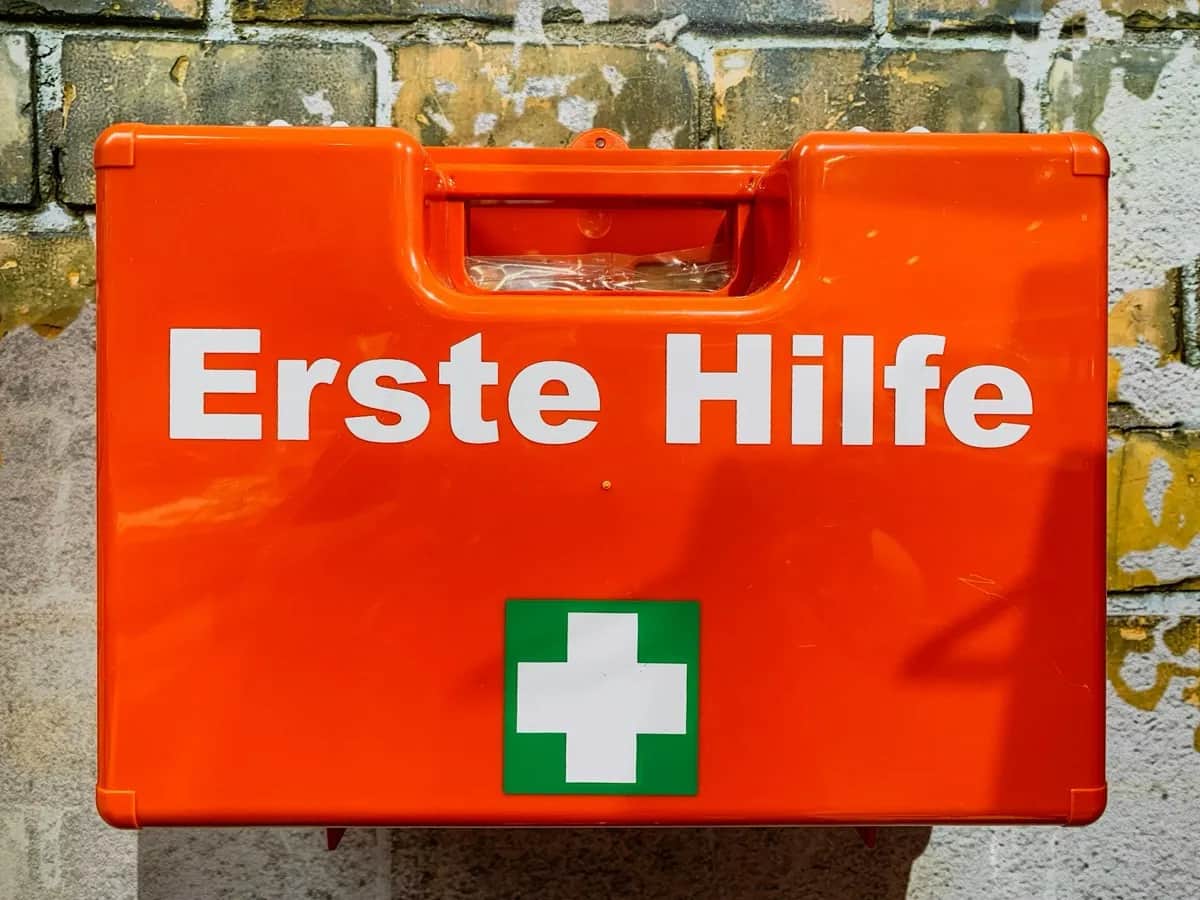
First aid kit essentials:
- Adhesive bandages (multiple sizes)
- Sterile gauze pads and medical tape
- Elastic bandages (sprains)
- Antiseptic wipes and antiseptic solution
- Scissors, tweezers, safety pins
- Instant cold packs
- Thermometer
- Pain relievers (ibuprofen, acetaminophen)
- Antihistamines
Prescription medications:
- Maintain at least 30-day supply of any regular medications
- Store backup in a cool, dark location
- Know what happens if your medication is unavailable (talk to your doctor)
Hygiene without running water:
- Hand sanitizer
- Wet wipes
- Portable toilet options (bucket + toilet bags) if sewage fails
Checklist:
- Comprehensive first aid kit
- 30-day supply of all prescription medications
- Hand sanitizer and wet wipes
- First aid training completed (Red Cross, St. John Ambulance, or equivalent)
Pillar 6: Documents and Finances
The aftermath of a disaster involves bureaucracy: insurance claims, identity verification, property records, medical records. Being without these documents adds weeks of complications to an already stressful situation.
Documents to protect:
- Government ID (passport, driver's license)
- Birth certificates and social security cards
- Health insurance cards and medical records
- Property deeds or lease agreements
- Vehicle registration
- Insurance policies
- Financial account information
Storage strategy:
- Physical copies in a fireproof, waterproof document box
- Digital copies on an encrypted USB drive (offline, not cloud-only)
- Consider a fireproof safe bolted to the floor for irreplaceable originals
Financial preparedness:
- Cash reserve at home: $300-500 in small bills ($1, $5, $10, $20)
- Card terminals fail during power outages; only cash works
- Know your insurance coverages and claim procedures before you need them
Checklist:
- Physical copies of all critical documents
- Fireproof, waterproof document storage
- $200-500 cash in small bills at home
- Digital backup of documents on encrypted USB drive
Building Your Preparedness Over Time
You don't need to address all six pillars at once. A realistic approach:
- Week 1: Pillar 1 (water) — buy containers and fill them
- Week 2: Pillar 2 (food) — build a 3-day supply
- Week 3: Pillar 4 (communication) — buy a radio, write down contacts
- Month 1: Pillar 5 (medical) — complete first aid kit, check medications
- Month 2: Pillar 6 (documents) — organize and store critical documents
- Month 3: Pillar 3 (energy) — camp stove, flashlights, power bank
By month 3, you have a solid foundation across all six pillars. Then it's about deepening each one.