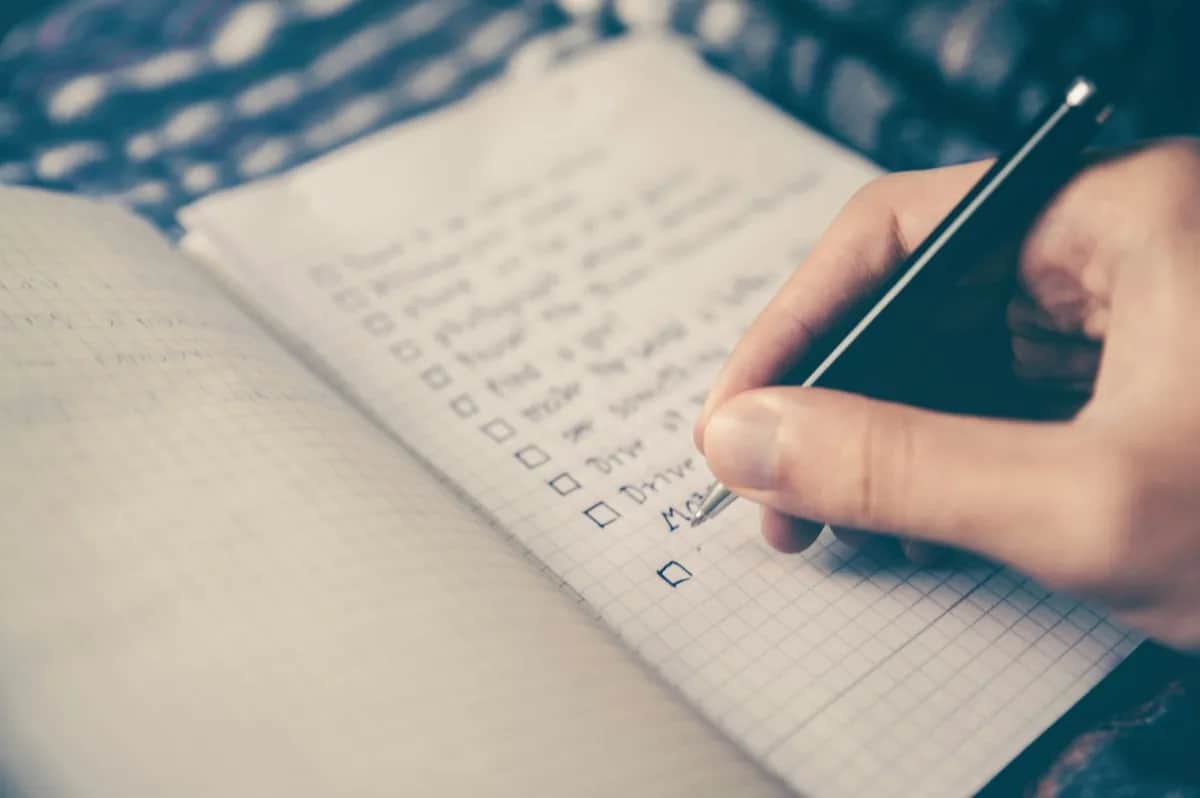
 Foto: Glenn Carstens-Peters / Unsplash
Create Your Emergency Plan in One Weekend: Saturday + Sunday Is All You Need
Build a complete emergency plan in just one weekend - Saturday for planning, Sunday for execution.
Why Most People Never Get Prepared (And How to Break That Pattern)
Emergency preparedness consistently ranks among the things people intend to do but never actually complete. The reason is almost always the same: it feels like an open-ended, time-consuming project without a clear finish line.
This guide changes that. By the end of Sunday evening, you'll have:
- A written household emergency plan
- A 72-hour food and water supply
- Emergency contacts on paper
- Documented backups of critical documents
- Every household member briefed and aligned
Not "mostly done" or "in progress." Actually complete. The kind of complete that means you can stop thinking about it and focus on the next thing.
Budget needed: $75-100 for supplies (or less if you already have some items) Time needed: One weekend — Saturday morning through Sunday afternoon
Saturday Morning: Audit and Plan (3-4 Hours)
9:00 AM — Household Inventory (30 minutes)
Start by knowing where you stand. Walk through your home with a notepad and answer these questions:
Water:
- How many gallons of water do you have stored right now? (Not "some" — count it)
- Do you have water purification tablets or a portable filter?
Food:
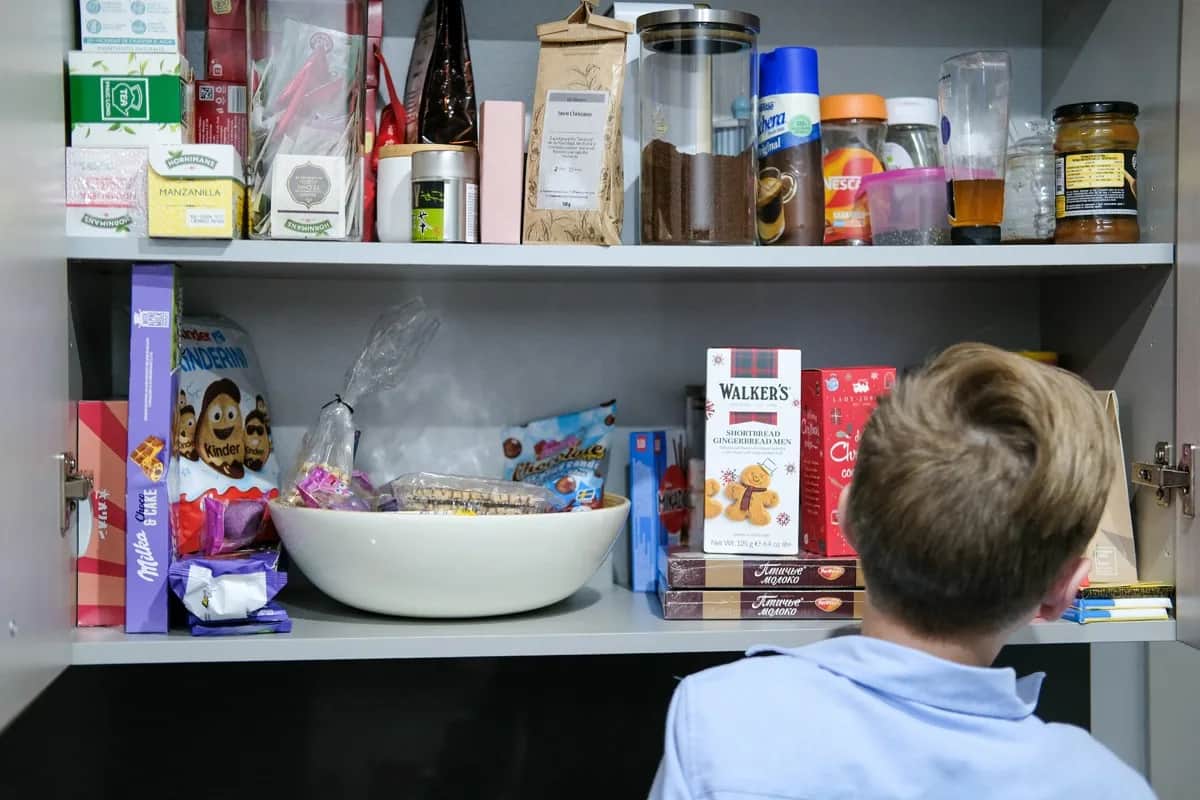
- How many days of shelf-stable food do you have? (Be honest — count actual meals, not "stuff in the pantry")
- Is any of it edible without cooking?
- Do you own a manual can opener?
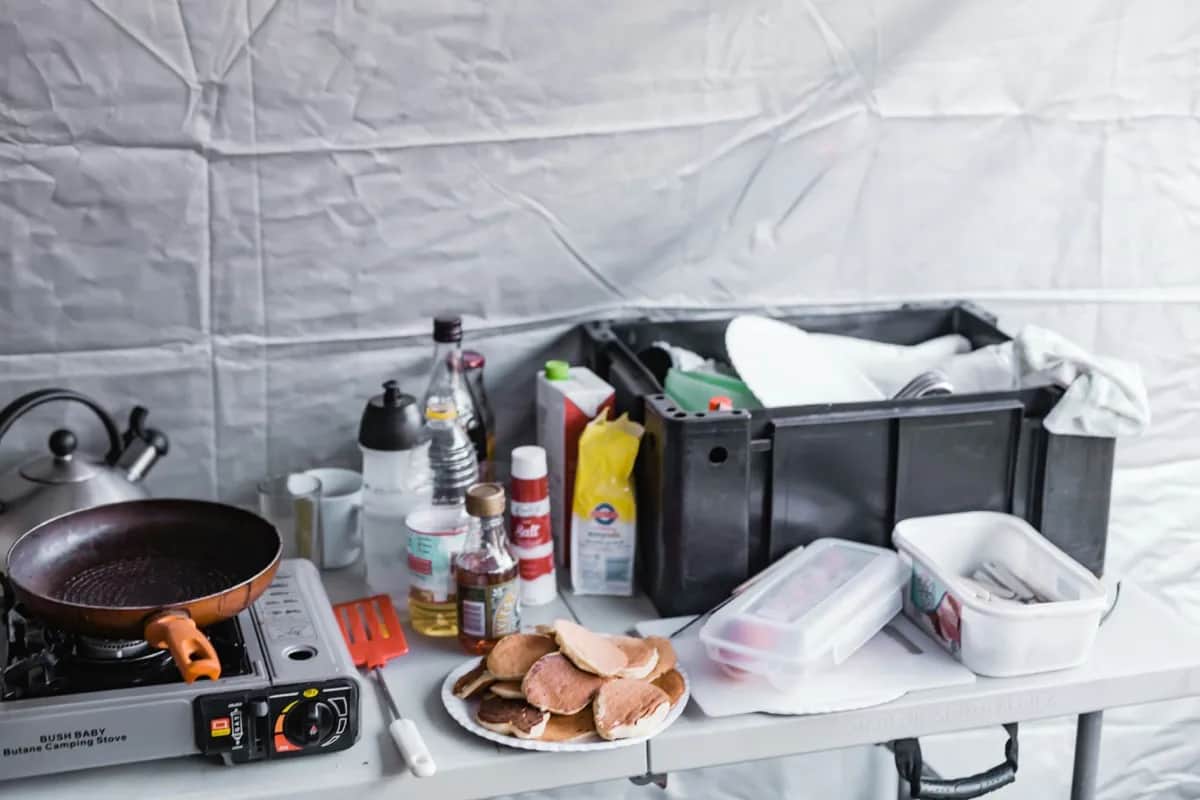
- Do you have a camp stove or propane burner?
Lighting:
- Do your flashlights work? Check right now — batteries die unnoticed
- Do you have candles and matches?
- Is your power bank charged?
Communication:
- Do you have a battery or hand-crank radio?
- Are critical phone numbers written down anywhere (not just stored in a phone)?
First Aid:
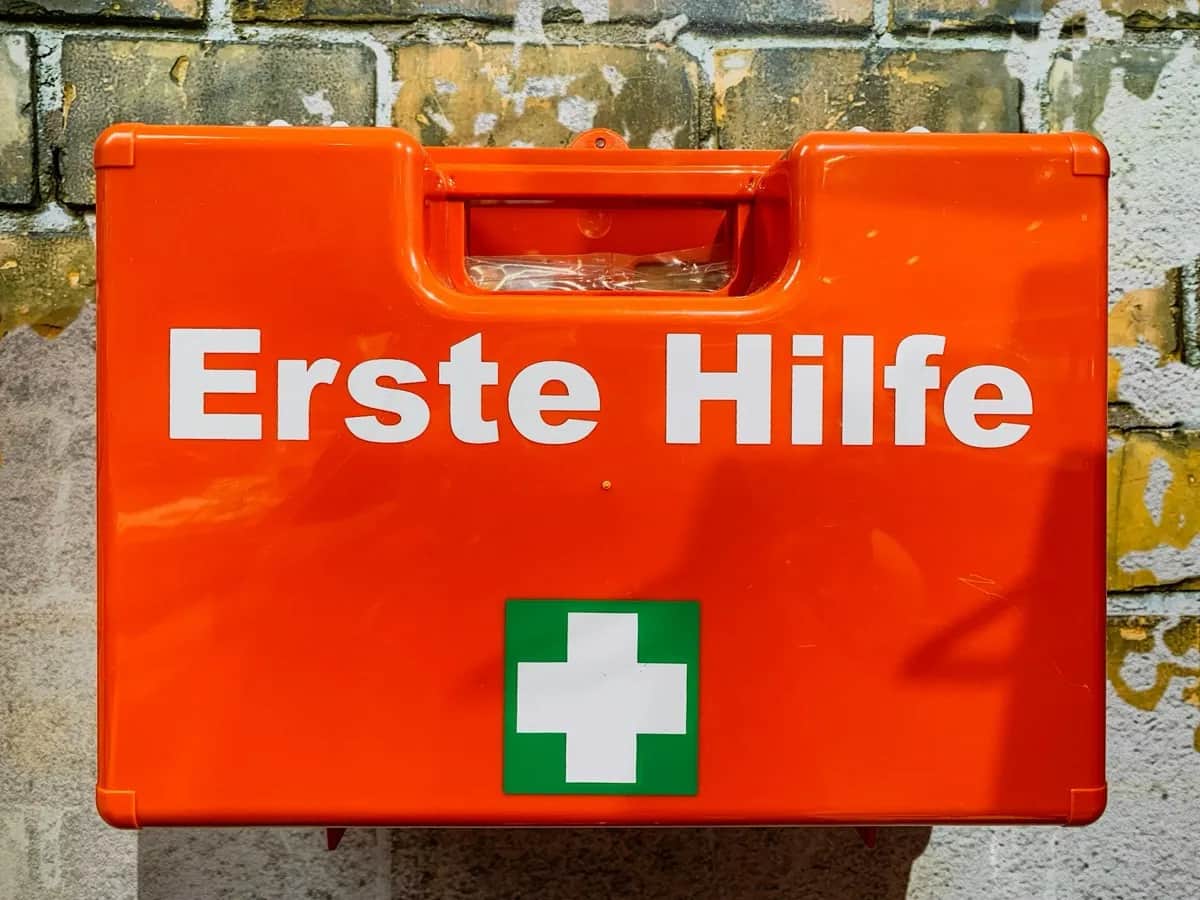
- Does your first aid kit exist and is it stocked?
- How much supply of prescription medications does each household member have?
Score yourself: how many days are you actually prepared for right now?
9:30 AM — Identify Your Gaps and Create a Shopping List (1 hour)
Based on your inventory, build a prioritized shopping list.
Priority 1 — Must Buy Today:
- Water (if you have less than 1 gallon per person stored)
- Flashlight or headlamp + batteries
- Manual can opener (if you don't have one)
Priority 2 — Should Buy Today:
- Battery-powered or hand-crank weather radio
- First aid kit (if yours is depleted or non-existent)
- Canned food and shelf-stable staples for 72 hours
Priority 3 — Buy This Week:
- Camp stove + fuel canisters
- Power bank (if yours is under 10,000 mAh)
- Dedicated water storage containers (1-gallon or 5-gallon jugs)
10:30 AM — Write Your Household Emergency Plan (1 hour)
A household emergency plan doesn't need to be a binder. It needs to fit on one or two pages and answer every critical question under stress. Here's what to include:
Household information:
- Names and ages of all household members
- Any special medical needs, medications, or mobility considerations
- Pets and their needs
Emergency contacts:
- Police: 911
- Fire/EMS: 911
- Primary care doctor: ___
- Nearest hospital: ___
- Out-of-area contact (family or friend in a different region): name + phone
- 2-3 immediate neighbors or local friends: name + phone
Meeting points:
- Near meeting point (for house fires, local emergencies): exact location
- Far meeting point (for neighborhood evacuations): exact location
- Rule: "If separated, wait 30 minutes at Meeting Point 1. Leave a note on the front door and go to Meeting Point 2."
Supply locations:
- Where is the emergency food supply stored? ___
- Where is the first aid kit? ___
- Where are the flashlights? ___
Special instructions:
- What to do if the building needs evacuation at night
- Who to notify if communications are down
- Location of water shutoff, gas shutoff
Print or hand-write this plan. Laminate it or put it in a plastic sleeve. Post it somewhere visible (inside a cabinet door, on a bulletin board) or include it in a clear plastic envelope with your emergency supplies.
Saturday Afternoon: Shopping and Document Backup (4-5 Hours)
12:30 PM — Lunch and Grocery Run (2 hours)
Take your shopping list to the grocery store and hardware/camping store.
72-Hour Food Supply per person ($20-25):
- Crackers or hard bread: 1 lb
- Peanut butter: 1 jar (16 oz)
- Mixed nuts: 12 oz
- Granola bars: 12-18 bars
- Canned tuna or sardines: 4 cans
- Dried fruit: 8 oz
- Water: 3-4 gallons (if not already stocked)
Equipment checklist:
- Headlamp with extra batteries
- Battery weather radio
- Manual can opener
- First aid kit
2:30 PM — Document Backup (1.5 hours)
This is the highest-leverage single activity in this entire plan.
Digital backup (30 minutes):
- Photograph every critical document with your phone camera
- Passport/ID (front and back)
- Health insurance cards for everyone in the household
- Vehicle registration and insurance
- Homeowner's/renter's insurance policy number and contact
- Upload all photos to cloud storage (Google Drive, iCloud, Dropbox) in a folder named "Emergency Documents"
- Share the folder access with one trusted out-of-area family member
Physical backup (30 minutes):
- Photocopy the most critical documents (passport, insurance cards)
- Put copies in a waterproof zip bag
- Add this to your emergency supplies location
Cash preparation (30 minutes):
- Withdraw $100-200 in mixed bills ($20s, $10s, and some $5s and $1s)
- Store with your emergency documents
- ATMs and card terminals fail during power outages; cash is king
4:00 PM — Organize Your Supplies (1-1.5 hours)
- Designate a physical location for your emergency supplies — one specific spot in your home
- Gather everything in one place: food, water, flashlights, radio, first aid, documents, cash
- Label all food items with the purchase date using a permanent marker
- Create a simple inventory list on paper and attach it to the container or shelf
Sunday Morning: Verify and Test (3-4 Hours)
9:00 AM — Equipment Testing (1.5 hours)
Test everything before you need it. Discovering a flashlight has dead batteries during a blackout is not the time to find out.
Headlamp and flashlights:
- Turn each one on, verify brightness
- Replace batteries if dim
- Assign a specific storage location and commit to it
Weather radio:
- Turn on and find NOAA Weather Radio or your local emergency broadcast station
- Test that it receives clearly
- Battery check — replace if needed
Camp stove (if you have one):
- Set it up outdoors or near an open window
- Do a test light
- Check fuel level
- Store lighter or matches with the stove
First aid kit:
- Open it and verify contents against a checklist
- Note anything missing for follow-up purchase
- Check expiration dates on medications and antiseptics
Power bank:
- Plug it in now if under 100%
- Verify you have the right cables to charge your current phones
10:30 AM — Water Storage Review (30 minutes)
- Verify total water stored against your household's 72-hour need (1-2 gallons per person per day)
- Label all containers with fill date
- If using tap water in household containers (pots, jugs), write replacement date 6 months out
- Identify where you would get water in a multi-day outage: nearest natural source, water distribution center, neighbor with a well
Sunday Afternoon: Family Briefing (2-3 Hours)
2:00 PM — The Household Emergency Meeting
This is the most important thing you'll do all weekend. A plan that only one person knows is not a household plan.
Agenda (45-60 minutes total):
1. Risk framing (10 minutes) Briefly cover the realistic scenarios you're preparing for:
- Extended power outages (1-7 days)
- Severe winter storms or hurricanes
- Potential evacuation Keep this practical and non-alarmist. The goal is awareness, not anxiety.
2. Walk to both meeting points (15 minutes) Actually go there. Don't just describe them.
- Walk to near meeting point together
- Walk or drive to far meeting point together
- Ask: "Is this easy to find? Easy to get to on foot if needed?"
3. Emergency contacts review (10 minutes)
- Read through the contact list together
- Make sure every adult in the household has a copy
- For children: walk them through calling 911, when it's appropriate, what to say
4. Supply tour (10 minutes) Bring everyone to the emergency supply location.
- Show them what's there and where it is
- Establish the rule: "This is for emergencies only. Don't dip into it."
- Show the water storage
5. House rules (10 minutes) Go over your three most important emergency rules. Examples:
- "If there's a fire, everyone gets out immediately. No stopping for possessions."
- "If we're separated, the meeting point is [location]. Wait 30 minutes, then leave a note."
- "Keep phones charged above 30% before bed."
3:30 PM — Distribute and File Documents
Create copies of the emergency plan for everyone:
- Every adult in the household gets one
- Children's copies go in their backpacks
- One copy goes in your car's glove compartment
- One copy goes to a trusted neighbor or nearby family member
What You've Completed
Check each item off as you finish the weekend:
- Written household emergency plan (one page, posted)
- 72-hour food supply assembled and labeled
- 72-hour water supply stored (3+ gallons per person)
- Equipment checked: headlamp, radio, power bank, can opener
- First aid kit stocked and accessible
- Critical documents photographed and backed up to cloud
- Emergency cash stored ($100-200)
- Family meeting held — everyone knows the meeting points and plan
This is a real emergency preparedness baseline. Not perfect, but genuinely functional. The most dangerous gap — having zero preparation — is now closed.
From here, each small improvement compounds: adding more food, extending to 14 days, a first aid course, a neighborhood conversation. But the hardest part — getting started — is done.