 Foto: GK3000 / Unsplash
Updated BBK Recommendations 2025: How Much Emergency Supply You Really Need
Germany's Federal Office for Civil Protection has updated its stockpiling guidelines. What changed and what you need to do now.
The New Standard: 10 Days Instead of 72 Hours
For years, emergency management agencies worldwide — including Germany's Federal Office for Civil Protection and Disaster Assistance (BBK) — recommended a "72-hour rule": prepare to be self-sufficient for three days. In 2025, the BBK significantly updated its guidelines, raising the recommended minimum to 10 days.
This change reflects hard-won lessons from recent events. Major emergencies — floods, major storms, widespread power outages, pandemic-era supply chain disruptions — have shown that external help doesn't always arrive within 72 hours. Emergency services in the immediate aftermath of large-scale disasters prioritize the most critical cases first. Everyone else needs to manage independently, potentially for a week or more.
The BBK publishes a free "Emergency Preparedness and Correct Behavior in Emergency Situations" guide (Ratgeber fur Notfallvorsorge) updated to reflect these new benchmarks. It's available as a free download from the BBK website and contains detailed shopping lists, storage guidelines, and behavioral recommendations.
What Changed in the Updated Guidelines
Duration: The core change is the extension from 72 hours to 10 days as the baseline planning horizon. This affects how much of everything you need to stock.
Water: The minimum remains 2 liters of drinking water per person per day, but the total calculation now covers 10 days. For a two-person household, that means 40 liters of drinking water minimum — compared to 12 liters under the old 72-hour standard.
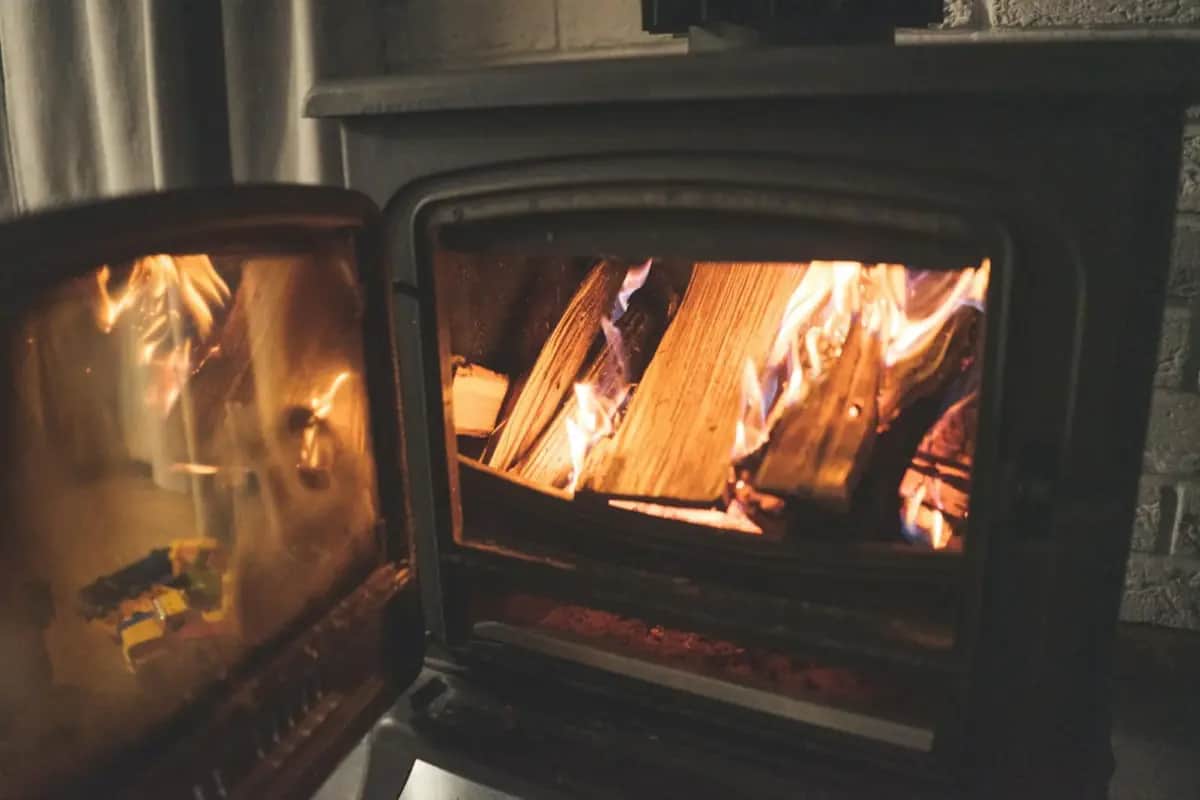
Energy independence: The updated guidelines now explicitly address the dependency of modern heating on electricity. Even gas-heated homes have electronically controlled thermostats and boilers that fail without power. The BBK recommends having a plan for heat without electricity — whether that's a wood stove, emergency blankets, or a designated warm room strategy.
Communications: For the first time, the NINA app and Cell Broadcast are explicitly listed as components of a household emergency plan. The BBK also recommends having a battery-powered or hand-crank radio and printing critical emergency numbers on paper.
Medications: The updated guidelines specifically address people with chronic conditions and prescription medications, recommending consultation with your doctor about maintaining an emergency supply.
A Practical 10-Day Supply List for Two People
Water
| Type | Amount | Notes |
|---|---|---|
| Drinking water | 40 liters | 2L/person/day × 2 people × 10 days |
| Cooking and hygiene | 20-40 liters extra | Cooking, teeth brushing, basic sanitation |
| Total | ~60-80 liters | Six to eight 10-liter food-grade containers |
Food
The BBK recommends balanced, shelf-stable food that requires no refrigeration:
- Grains and crackers: 3.5 kg (oatmeal, crispbread, crackers)
- Canned vegetables and legumes: 4 kg (beans, chickpeas, tomatoes, mixed vegetables)
- Canned fruit: 2.5 kg (peaches, mandarin oranges, mixed fruit)
- Canned protein: 1.5 kg (tuna, sardines, chicken)
- Dairy alternatives: 2.1 kg (UHT milk, butter, hard cheese)
- Fats and oils: 0.4 liters
- Miscellaneous: Sugar, salt, honey, nut butter (for calorie density)
Don't Forget the Basics
- Manual can opener (the most overlooked item in any emergency kit)
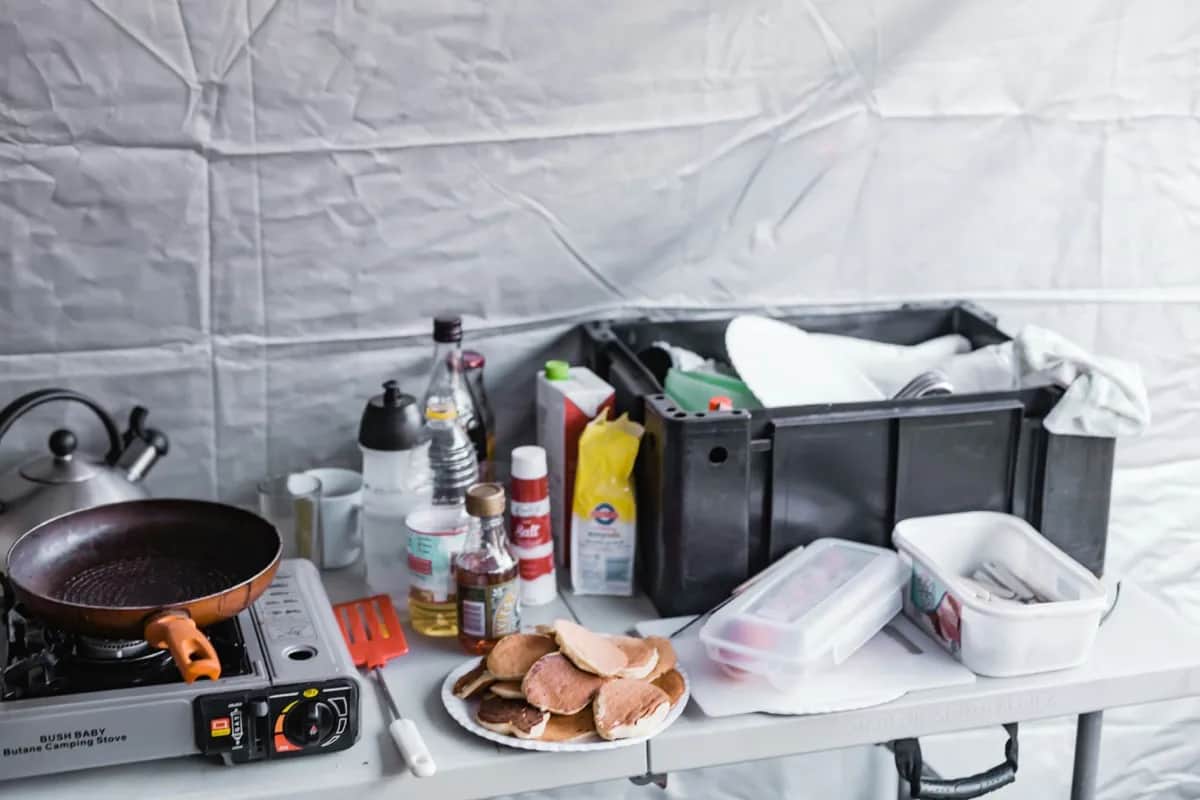
- Camp stove with fuel canisters (3+ for 10 days of minimal cooking)
- Lighter and matches
- Utensils, paper plates, kitchen foil, zip bags
Storage Best Practices
Where to store:
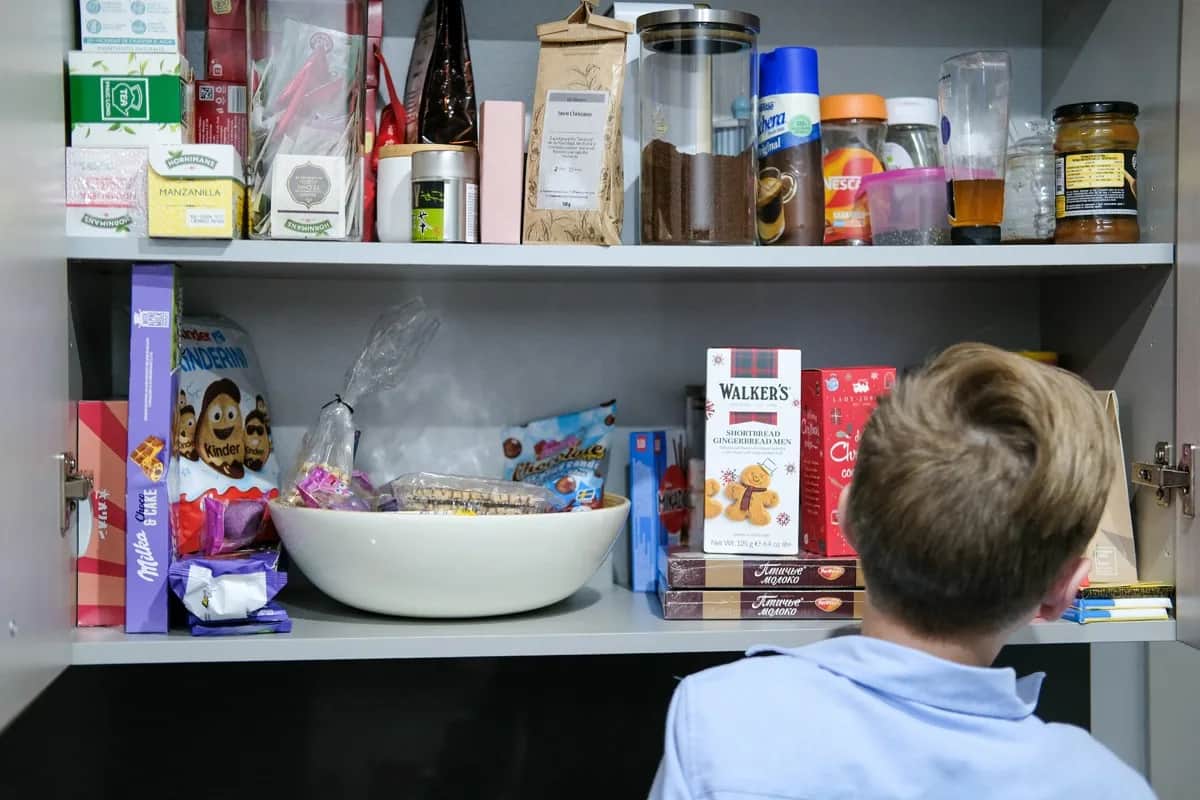
- Cool, dark, dry location: basement, pantry cupboard, lower kitchen cabinet
- Never store near cleaning products or chemicals
- Keep water containers out of direct sunlight (prevents algae growth and plastic off-gassing)
The rotation principle: Mark every item with the purchase date. Always use the oldest items first and replace them immediately. This "First In, First Out" (FIFO) method ensures nothing expires in your emergency supply and keeps it affordable over time — you're just maintaining a rolling stock.
Warning signs on canned food: Discard immediately: visibly dented cans, rusty cans, swollen or bulging lids. These indicate bacterial contamination that can cause serious illness.
Building Your Supply Over Four Weeks
You don't need to buy everything at once. A four-week phased approach keeps costs manageable:
Week 1 — Water: Purchase six 10-liter food-grade water containers, fill them, and label with today's date. Total cost: approximately €25-40.
Week 2 — Canned goods: Buy 12-15 assorted cans: tuna, beans, tomatoes, vegetables, chickpeas. Total cost: approximately €20-30.
Week 3 — Dry goods: Oatmeal, crispbread, pasta, rice, nut butter, dried fruit, nuts. Total cost: approximately €20-35.
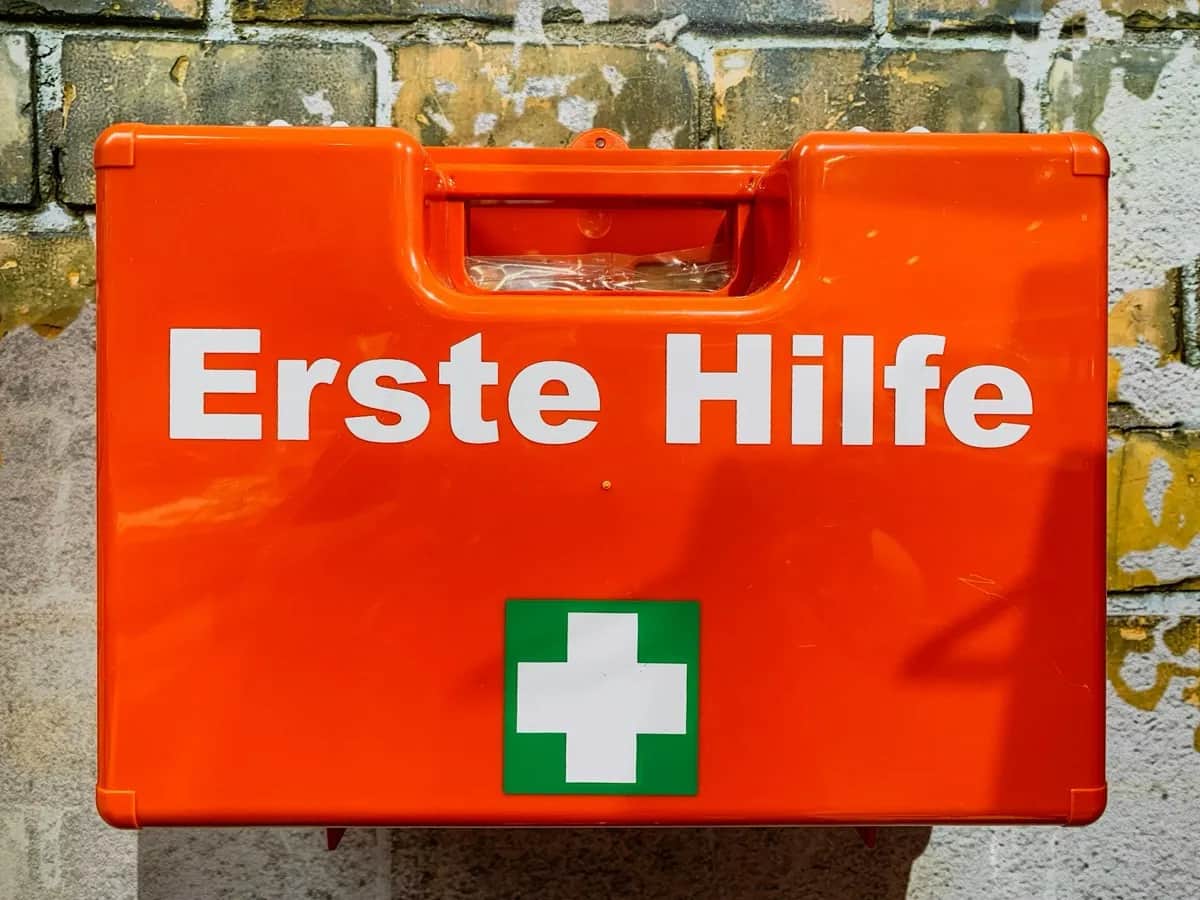
Week 4 — Equipment: Camp stove, fuel canisters, flashlight, batteries, manual can opener, first aid kit review and restock. Total cost: approximately €40-80 depending on what you already have.
Total investment: €105-185 for a meaningful improvement in household resilience — a one-time cost with years of value.
How Germany's Recommendations Compare Internationally
Germany's 10-day guideline actually aligns with recommendations from other leading emergency management agencies. The United States' FEMA has long recommended two weeks of supplies for households. The UK's Cabinet Office recommends 72 hours but notes that longer is better. Australia's Ready.gov recommends at least three days but ideally two weeks.
The trend across Western governments is clear: the old 72-hour standard was a minimum designed for straightforward short-duration emergencies. Climate change, increased cyberattack risk, aging infrastructure, and more complex supply chains mean that realistic emergency planning now assumes longer self-sufficiency periods.
Why Personal Preparedness Is a Civic Responsibility
There's a dimension of personal preparedness that goes beyond self-interest. When a household can sustain itself for 10 days, it doesn't need to compete for scarce emergency resources in the early stages of a crisis. Emergency services can focus on those who truly cannot help themselves — the elderly, the ill, those with disabilities or severe resource constraints.
Personal preparedness is, in this sense, a form of civic contribution. Every household that has food, water, and a communications plan is one fewer burden on public emergency systems. The BBK's updated guidelines reflect this understanding: the goal isn't just individual survival, but a society that can absorb shocks without collapsing at the seams.