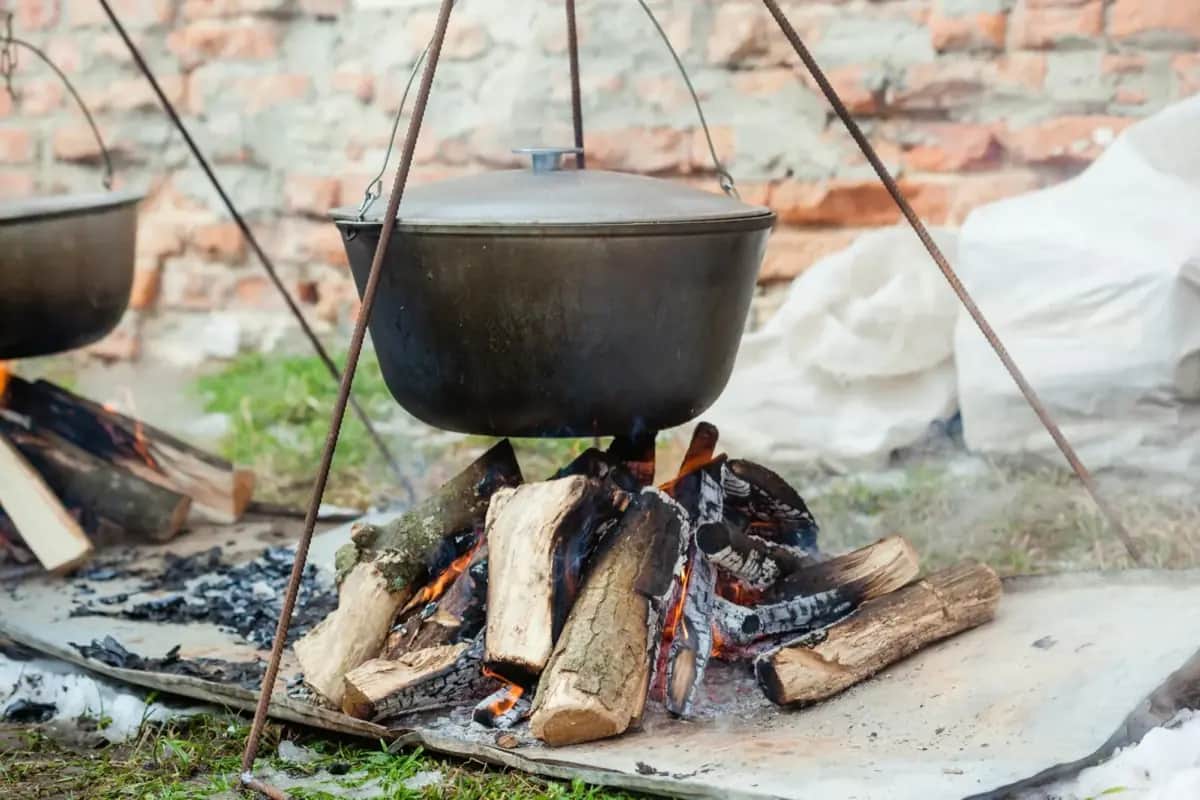
 Foto: Tuğba / Pexels
5 Dangerous Heating Mistakes in a Crisis — and How to Avoid Them
These 5 heating mistakes during power outages can be fatal: gas grills indoors, no CO detector, improvised solutions. Learn what to avoid.
When Warmth Becomes Deadly
Power outages in winter trigger a survival instinct: people want to get warm by any means necessary. This urgency leads to dangerous decisions. Every winter, people die from CO poisoning caused by improvised heating attempts.
These five mistakes are the most common — and most preventable.
Mistake 1: Using a Gas Grill, Charcoal Grill, or Oven Indoors
What happens: The outdoor grill is brought inside for heat. Seems logical — it produces heat.
Why it's fatal: Gas grills, charcoal grills, and even gas ovens produce massive amounts of carbon monoxide (CO) during combustion. CO is colorless and odorless.
CO binds to hemoglobin much more effectively than oxygen. At 200 ppm, headaches occur. At 800 ppm, loss of consciousness within 2 hours. At 3200 ppm, death within 30 minutes.
A gas grill in a closed room can reach lethal CO levels within 15–30 minutes.
The correct approach:
- Never use outdoor grills or charcoal grills indoors
- Gas cooking stoves can be used briefly for cooking, but never for room heating
- Use only heaters specifically approved for indoor use
Mistake 2: No CO Detector
What happens: Indoor-approved gas heater is used. But the room is not adequately ventilated. CO slowly accumulates. Family falls asleep — and doesn't wake up.
Why it happens: CO detectors cost 20–40 euros and seem like "nice to have" rather than essential. The danger is invisible and has no warning signs.
Fatal reality: CO poisoning symptoms (headache, dizziness, nausea) can be confused with fatigue or flu — especially when you're already tired from a stressful crisis situation.
The correct approach:
- CO detector in every room with combustion heaters
- CO detector in sleeping area — mandatory
- Test monthly, replace battery annually
- If CO alarm sounds: immediately outside, doors open, 112
Mistake 3: Running Heater While Sleeping Without Ventilation
What happens: Gas heater runs overnight in sealed bedroom. Slowly consumes oxygen in the room. CO and CO2 build up.
Why it happens: "It worked without problems for the first 2 hours."
The physics: A sealed room of 20 m² has approximately 50 m³ of air. Even a small 2 kW heater consumes significant oxygen and produces CO2. After 8 hours of sleep with sealed windows, oxygen levels can drop dangerously.
The correct approach:
- Never run gas heaters with windows fully closed
- Open a window a crack (even in winter — better cold than dead)
- If possible, switch off heater before sleeping and rely on stored warmth
- CO detector in sleeping area is non-negotiable
Mistake 4: Storing Propane Indoors
What happens: Multiple 5 kg propane bottles are stored in the basement, under the stairs, or in the living room for easy access.
Why it's dangerous: Propane is heavier than air. Even small leaks can create explosive mixtures in enclosed spaces. A spark or pilot light can trigger a catastrophic explosion.
The correct approach:
- Propane bottles only stored outdoors or in well-ventilated sheds
- Never in basements (propane sinks and collects there)
- Maximum 1 connected bottle indoors — all others outside
- Leak check: soapy water on connections — bubbles indicate leaks
Mistake 5: Improvised Heaters from Online Tutorials
What happens: "Flower pot heater" with tea lights, makeshift alcohol burner, or other improvised devices found online.
Why they fail:
- Heat output is completely insufficient for serious cold weather
- Fire risk from tipping, open flames, alcohol spills
- No safety shutoff
- CO production from small flames not adequately considered
Reality check: A flower pot heater with 4 tea lights produces approximately 150 watts. A small room needs at least 1000 watts to maintain temperature at 0°C outside. These devices provide comfort psychology, not actual warmth.
The correct approach:
- Invest in a proper indoor-approved heater BEFORE the crisis
- CAT I or CAT II approved portable gas heaters are the practical choice for most households
- Petroleum heaters as a safe, odor-manageable alternative
Summary Table
| Mistake | Risk Level | Correct Alternative |
|---|---|---|
| Gas grill indoors | Fatal | Indoor-approved gas heater only |
| No CO detector | Fatal | CO detector in every heated room |
| Heater running while sleeping | Serious | Ventilation or switch off before sleeping |
| Propane stored indoors | Explosive | Storage only outdoors/ventilated shed |
| DIY improvised heaters | Insufficient + fire risk | Proper indoor heater |
The most important investment in heating preparedness: an indoor-approved portable heater AND a CO detector. In that order. Before winter.