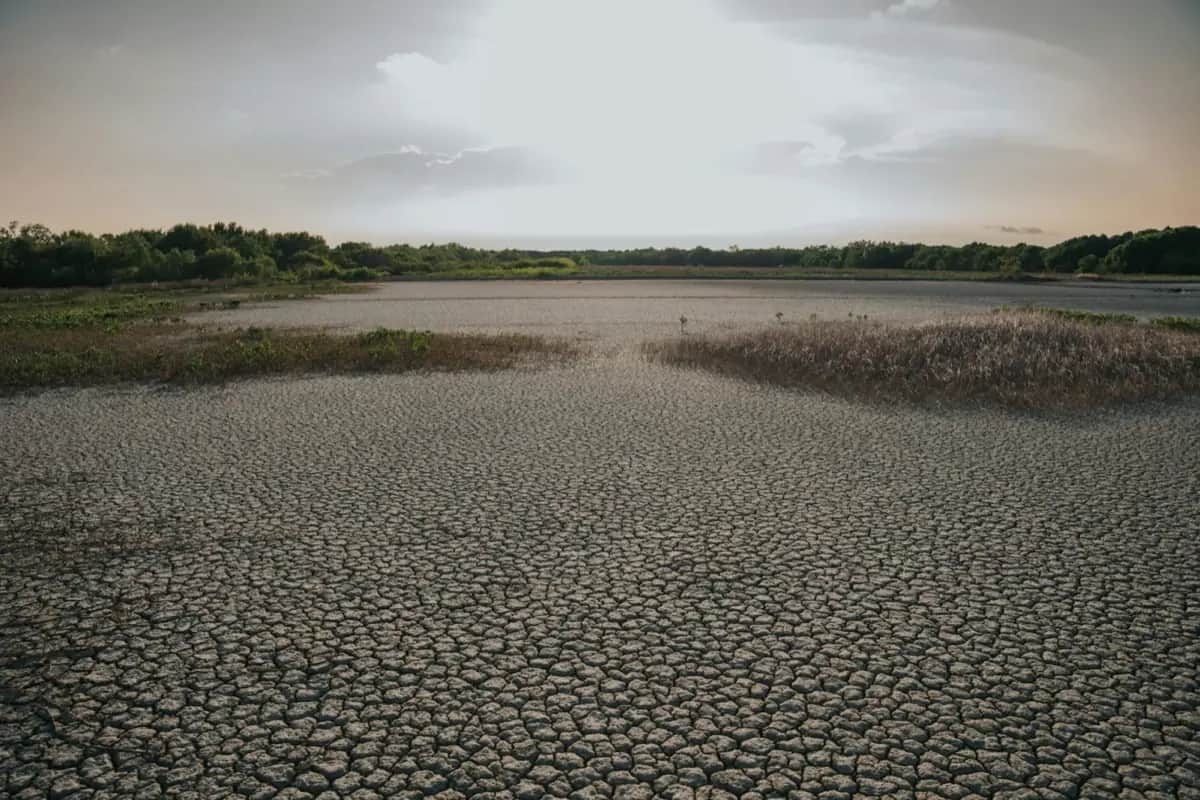
 Foto: Long Bà Mùi / Pexels
12 Tips for Dealing with Extreme Heat in Summer
Practical tips to protect yourself and your family during extreme heat waves. From cooling your home to recognizing heat stroke — everything you need to know.
1. Cool Your Home in the Morning, Not the Afternoon
The single most effective home cooling technique costs nothing: manage your windows correctly. Open all windows before 8 AM when outside air is still cool. Close all windows and blinds/shutters by 9-10 AM before the heat builds. Keep them closed all day. Open again after 9-10 PM when outdoor temperature drops below indoor temperature.
Most people do the opposite — opening windows "to let air in" during peak heat. This imports hot air. You want to seal the cool air in.
2. Create Cross-Ventilation at Night
When outdoor temperature finally drops below 24°C (usually late evening/night), open opposite-side windows to create cross-ventilation. This flushes the accumulated heat from your home far more effectively than a fan alone.
3. Sleep in the Lowest, Innermost Room
Heat rises and accumulates at the top of buildings. A ground-floor interior room is significantly cooler than a top-floor room with sun exposure. If you have the option, move sleeping arrangements during heat waves.
4. Use Fans Correctly
Fans don't cool the air — they cool bodies through evaporation. A fan in a 35°C room is still blowing 35°C air. The trick is:
- Position fans to blow across your body, not just around the room
- Use a damp cloth on your neck or arms to enhance evaporative cooling
- In extreme heat, a fan without evaporative cooling may actually be counterproductive above ~35°C ambient
5. Dress for Heat, Not Modesty
Loose, light-colored, natural fiber clothing significantly reduces heat stress. Cotton and linen are far better than synthetic fabrics. Wide-brimmed hats for outdoor activities. This sounds obvious but most people wear more clothing than necessary indoors.
6. Drink Water Before You're Thirsty
During heat waves, thirst is a lagging indicator — by the time you feel thirsty, you're already mildly dehydrated. Set a timer and drink small amounts regularly (200-300ml every 45-60 minutes). Elderly people especially should use reminders as their thirst response is diminished.
7. Eat Lighter, Cooler Food
Digestion generates body heat. Heavy, cooked meals increase your thermal load. Shift toward salads, cold soups, fruit, yogurt, and light protein during heat waves. If you cook, cook in the morning before heat builds.
8. Know Where the Coolest Public Spaces Are
Libraries, museums, shopping centers, churches. These are public heat refuges during extreme heat. In the 2003 European heat wave, many deaths occurred in private homes. Going to a cool public space for a few hours in the afternoon can prevent dangerous heat buildup.
9. Check on Elderly Neighbors Daily
Heat-related deaths are overwhelmingly in elderly people living alone. A phone call or brief visit costs 5 minutes and can identify heat exhaustion before it becomes heat stroke. Make this a habit during heat wave warnings.
10. Recognize Heat Exhaustion vs. Heat Stroke
Heat exhaustion (serious, needs action): heavy sweating, cool/pale skin, fast weak pulse, nausea, muscle cramps, tiredness. Move to cool location, give water, apply cool cloths.
Heat stroke (medical emergency): HIGH body temperature (above 39°C), hot/red/dry skin, rapid strong pulse, confusion, loss of consciousness. Call emergency services immediately. This is life-threatening.
11. Never Leave Children or Pets in Cars
Car interiors reach 55-60°C within 20 minutes in summer sun. There is no safe "quick errand" that justifies leaving occupants in a parked car during hot weather.
12. Prepare Before the Heat Arrives
The tips above are reactive. The best heat protection is installed before the heat wave: window film, curtains, fans, stored water, a plan for vulnerable household members. Heat waves are increasingly predictable 5-7 days in advance. Use that lead time.