 Foto: Tom Fisk / Pexels
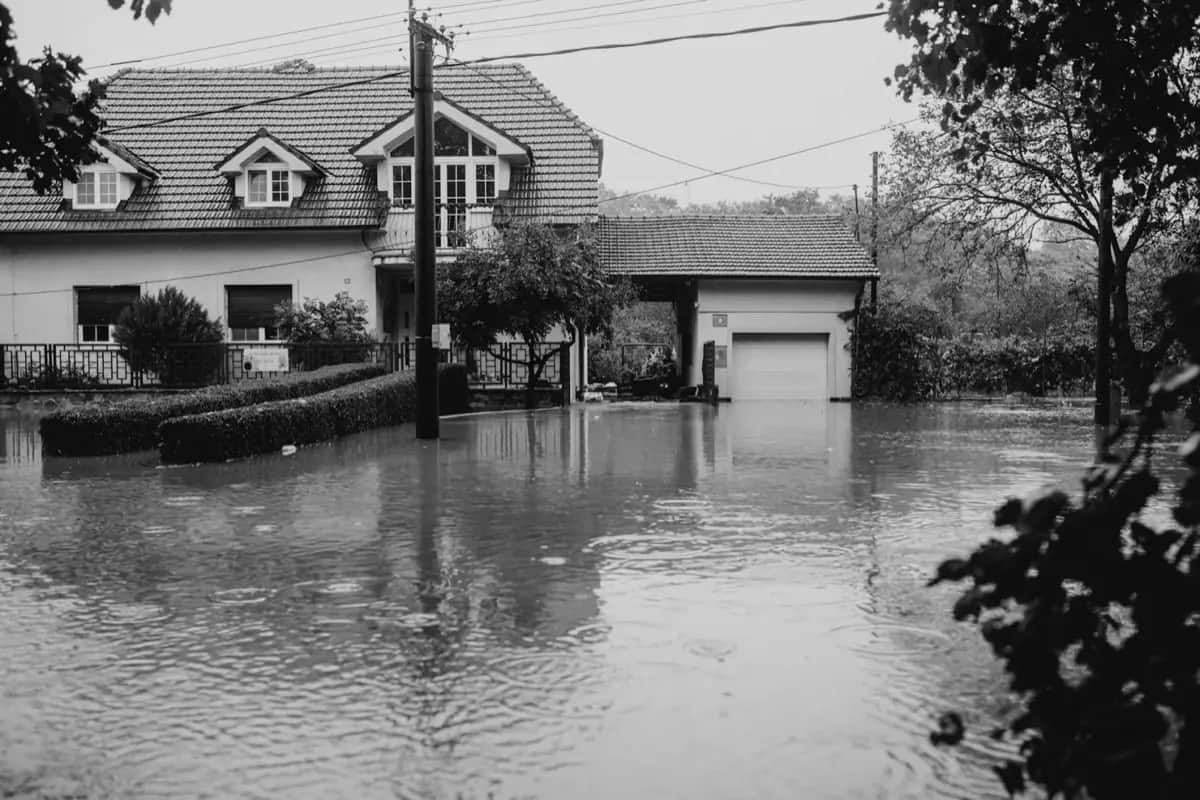
11 Flood Protection Tips You Can Implement Now
Practical flood protection that homeowners and renters can implement without major investment. 11 concrete steps ranked by effectiveness and cost.
Why Most Flood Protection Advice Is Too Expensive or Too Late
Most guides to flood protection focus on expensive retrofitting: floodgates, sump pumps, waterproof basements. These are valuable for high-risk properties — but they take months to implement and cost thousands of euros.
These 11 tips focus on what you can do now, this month, with limited resources.
Tip 1: Install the NINA App Today (Free, 10 minutes)
The NINA app from the BBK sends flood warnings directly to your phone. More importantly, it can notify you of flood watches before official alerts go out on radio.
Without this, your first warning may be water at the door.
Do it now: Download NINA, enable notifications for your region.
Tip 2: Know Your Flood Risk Zone
Germany has a national flood hazard map. Check where your home sits. Zone 1, 2, or 3 determines how often flooding is statistically expected and whether you qualify for flood insurance.
Do it now: Search "Hochwassergefahrenkarte [your state]" and find your property.
Tip 3: Photograph Your Possessions for Insurance
Before any flood, document everything: furniture, electronics, clothing, valuables. This takes 30 minutes with a phone camera and makes insurance claims dramatically easier.
Do it now: Walk through your home filming everything; store the video in cloud storage.
Tip 4: Move Valuables Upward
Store important documents, irreplaceable items, and electronics on upper shelves or upper floors. A flood that reaches 50 cm will destroy what's on the floor but not what's on a high shelf.
Do it now: Identify the 5 most important items in your ground floor and move them up.
Tip 5: Store Water — Ground-Level Tap Water May Be Contaminated
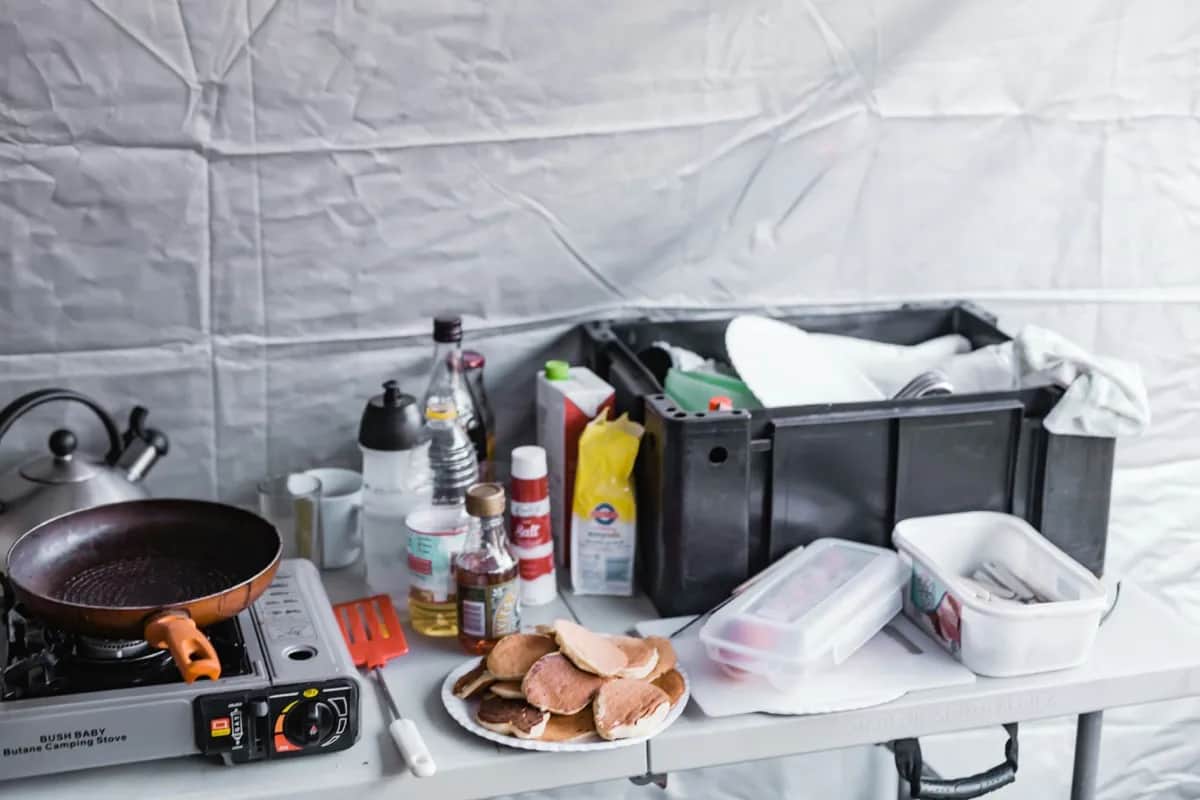
Flood events often contaminate local water supplies. A 3-day supply of bottled water (9 liters per person minimum) lets you function without tap water in the immediate aftermath.
Cost: ~€5-€10. Do it this week.
Tip 6: Keep Sandbags on Hand (or Know Where to Get Them)
Sandbags are highly effective temporary flood barriers. Many municipalities provide them free during floods — but quantities are limited and they may run out. Having your own 10-20 bags is cheap insurance.
Cost: ~€20-40 for bags + fill material.
Tip 7: Know Your Utility Shutoffs
Water, gas, and electricity main shutoffs — do you know where they are and how to turn them off? In a flood, cutting power to lower floors before water enters prevents electrocution hazard.
Do it now: Locate all three shutoffs and test that you can operate them.
Tip 8: Keep Vehicles Fueled and Parked High
If a flood watch is issued, move vehicles immediately. Cars parked in underground garages or low-lying streets are total losses in a significant flood. Keep your tank above half so you can leave quickly.
Tip 9: Identify an Evacuation Destination in Advance
If you need to evacuate, where do you go? A family member's home, a friend in a higher area, a hotel in a different part of the city? Deciding this now means you don't have to think about it while water is rising.
Tip 10: Seal Ground-Floor Openings Temporarily
During a flood watch, you can temporarily seal entry points with waterproof tape, sandbags, or commercial water-barrier products. This won't stop major flooding but can reduce water intrusion from minor events.
Tip 11: Join Your Local Disaster Preparedness Network
Many municipalities have neighborhood-level emergency networks. These provide early warning (local knowledge often precedes official alerts), mutual aid during cleanup, and community resources.
Search "[your city] Katastrophenschutz" or "CERT" to find local options.
The 30-Minute Investment
If you do nothing else after reading this:
- Install NINA (10 min)
- Photograph your possessions (20 min)
- Identify utility shutoffs (5 min)
These three steps cost nothing and could prevent thousands of euros in losses or save your life.