 Foto: Helena Jankovičová Kováčová / Pexels
Flood Checklist: What to Do Before, During, and After the Flood (PDF)
Complete flood checklist for homeowners and renters. Download the PDF with all important steps before, during, and after a flood event.
Before the Flood
When flood watch is issued (1-3 days warning)
- Monitor official warning systems: NINA app, local radio, municipal website
- Move valuables and important documents to upper floors or waterproof bags
- Back up digital documents to cloud storage
- Move vehicles to higher ground
- Secure outdoor furniture and objects that could be swept away
- Fill vehicles with fuel (gas stations may close)
- Withdraw cash (ATMs and payment systems may fail)
- Stock 3-day supply of food and water (accessible without power)
Immediate preparation (24 hours before)
- Fill bathtubs and containers with clean water (supply may be contaminated)
- Disconnect electrical appliances at floor level
- Switch off power to lower floors if flood entry is likely
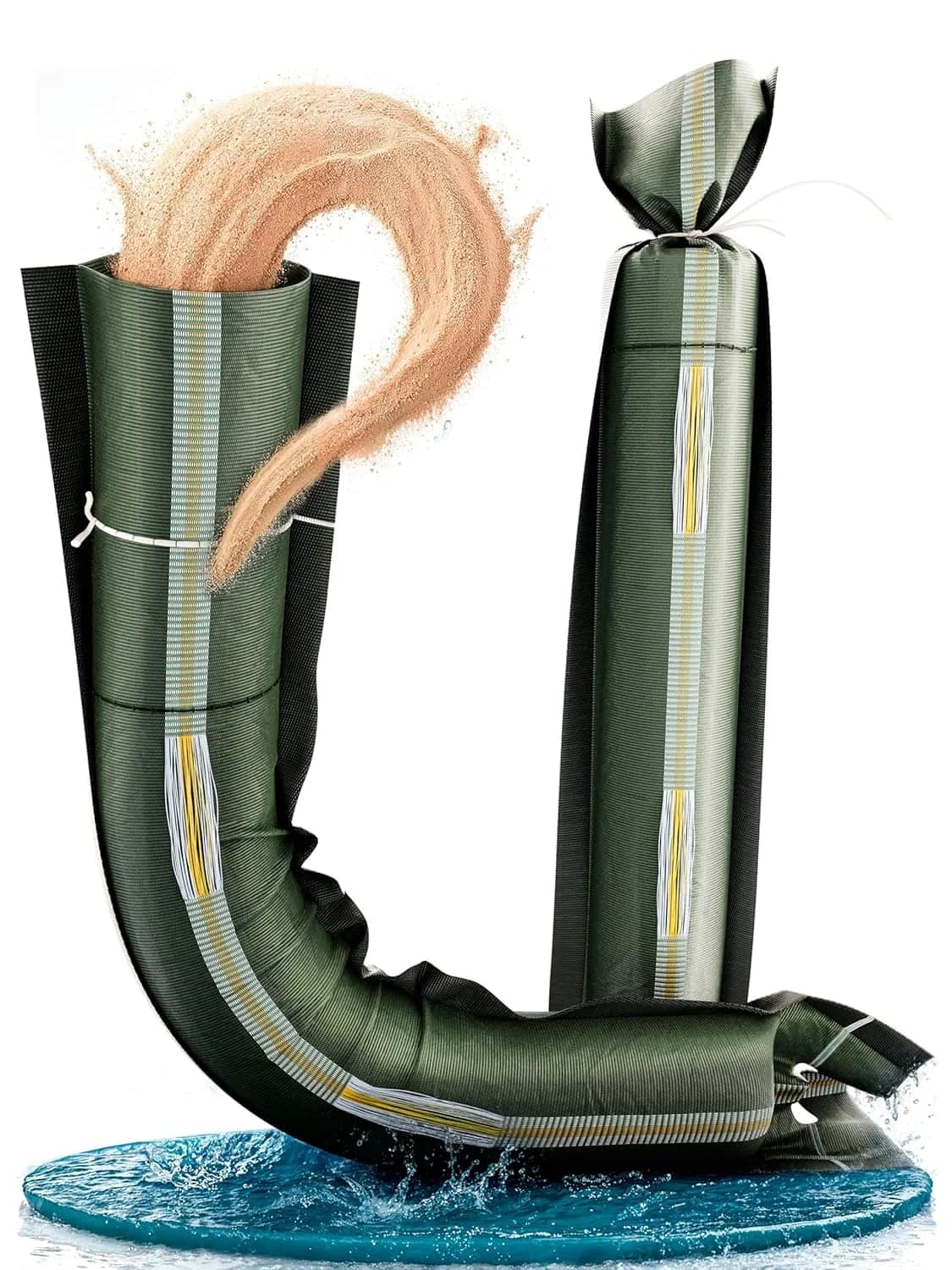
- Install flood barriers if available
- Move chemical storage (paint, pesticides) to prevent water contamination
- Prepare go-bag: documents, medications, cash, phone charger, clothing
- Know your evacuation route and destination
During the Flood
If ordered to evacuate
- Leave immediately — do not wait to protect property
- Take go-bag and medications
- Turn off utilities at main switches before leaving if safe to do so
- Lock your home
- Tell neighbors your destination
- Follow official evacuation routes only
If sheltering in place (flooding minor)
- Stay on upper floors
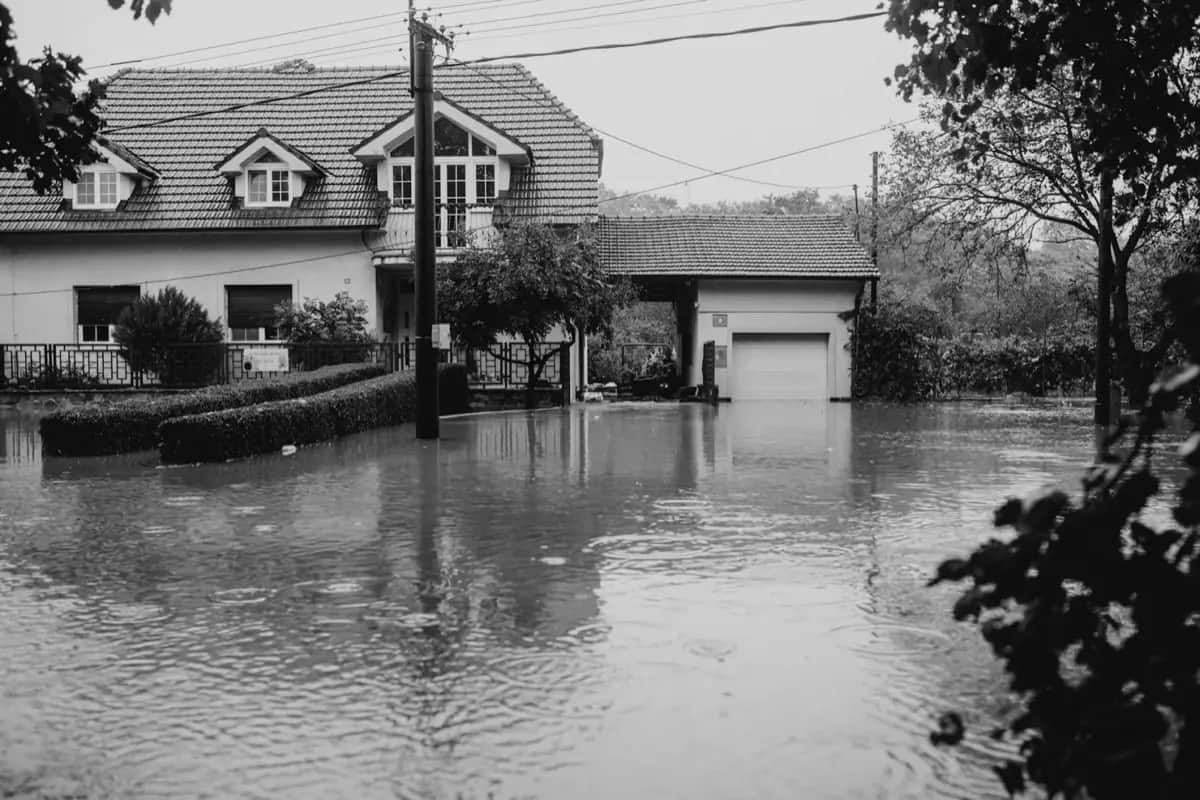
- Do not touch floodwater — it may be contaminated or electrically charged
- Do not drive through flooded roads (30 cm of moving water can sweep a car)
- Keep battery-powered radio for updates
- Use toilet sparingly if sewage system is overwhelmed
Never do
- Enter floodwater on foot without knowing depth
- Drive through flooded underpasses or roads
- Return before authorities declare it safe
After the Flood
Immediate (first 24-48 hours after water recedes)
- Do not return until authorities declare the area safe
- Wear protective clothing when entering flooded areas: rubber boots, gloves
- Document damage with photos before any cleanup (for insurance)
- Do not use electrical systems until inspected by an electrician
- Check for structural damage before entering
Cleanup
- Ventilate rooms thoroughly — mold begins within 24-48 hours
- Remove wet materials: carpets, insulation, drywall
- Discard food that came into contact with floodwater
- Boil water until authorities confirm tap water is safe
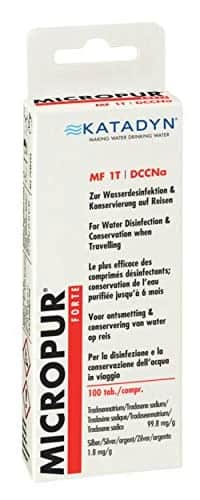
- Disinfect surfaces that contacted floodwater
Documentation and recovery
- File insurance claim with documentation (photos, list of damaged items)
- Contact municipality about waste disposal (flooded items, chemicals)
- Keep all receipts for cleanup costs
What the Flood Risk in Your Area Looks Like
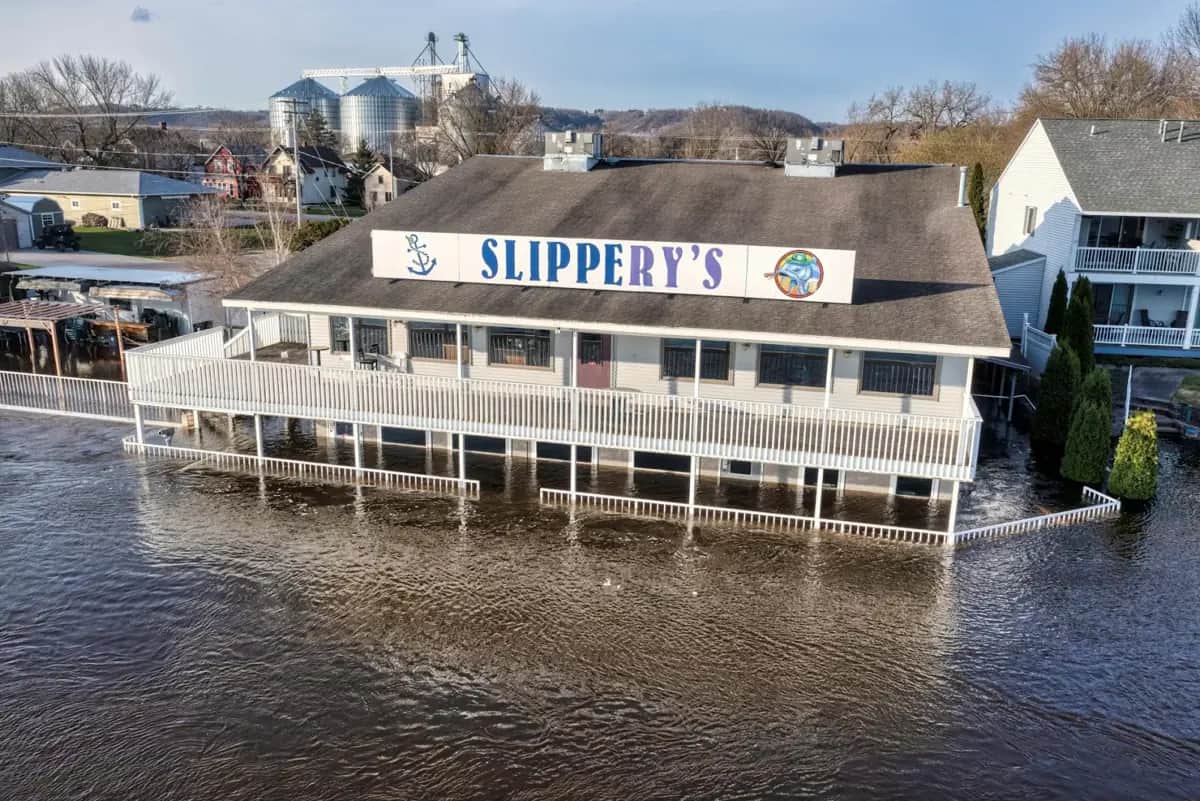
Flood risk in Germany has increased significantly. The Ahr valley flood of 2021 showed that flash floods can develop faster than warnings reach residents. Rhine and Danube floodplains have recurring risks; mountain areas face increasing flash flood risk from heavy rainfall events.
Check the federal flood hazard map (LAWA) for your area's specific risk profile.
Print This Checklist
This checklist is designed to be printed and kept with your emergency supplies. Review it once a year and after any updates to local flood hazard maps.
Recommended Products
As an Amazon Associate we earn from qualifying purchases. Buying through our links supports the development of this app at no extra cost to you.