 Foto: Mikhail Nilov / Pexels
What Is Prepping? A Beginner's Guide to Sensible Crisis Preparedness
What is prepping explained for beginners: the difference between sensible crisis preparedness and extreme survivalism, what actually makes sense in Germany, and where to start.
What Prepping Actually Is
The word "prepper" carries baggage. Images of bunkers, stockpiles of weapons, and apocalyptic scenarios. Reality television shows featuring extreme and often irrational behavior. Online communities debating which caliber is best for the collapse of civilization.
This framing has done enormous damage to the concept of emergency preparedness.
Strip away the extremes, and prepping is simply this: preparing in advance for disruptions to normal life that may affect your household's access to essential services.
The German government recommends it. Insurance companies recommend versions of it. The German Federal Office of Civil Protection (BBK) has published a household preparedness guide since the 1960s. None of this is extreme. All of it is rational.
What Prepping Is Not
It is not paranoia: Preparing for power outages, water supply disruptions, and supply chain failures is as rational as buying car insurance. These events happen routinely.
It is not anti-social: The best-prepared communities share resources, coordinate with neighbors, and support vulnerable members. Isolation is a specific failure mode of extreme prepping, not a feature of sensible preparedness.
It is not about weapons: In Germany, firearm regulations are strict and civilian self-defense planning beyond basic legal measures is legally constrained. European preparedness focuses on shelter, food, water, medical, and communication — not armament.
It is not about a single catastrophic event: Most useful preparations address common, low-drama events (extended power outage, flooding, pandemic) far more than low-probability catastrophes.
The Realistic Risk Landscape in Germany
What are the events worth preparing for in Central Europe?
High probability (experienced by many people in a lifetime):
- Extended power outages (more than 24 hours): infrastructure aging, increasing frequency
- Water supply disruption: contamination, pipe failure, drought
- Severe weather (flooding, storms): increasing frequency and intensity
- Pandemic: COVID-19 demonstrated this is not historical
Medium probability (experienced by some in a lifetime):
- Supply chain disruptions: COVID-19 showed how quickly shelves empty
- Gas supply interruption: geopolitical dependency creates risk
- Major cyberattack on infrastructure: increasing threat vector
Lower probability (but with historical precedent):
- Regional earthquake (southwest Germany has seismic activity)
- Industrial accident with chemical release
- Extended economic disruption
The preparations for most of these scenarios overlap significantly. Water, food, medical supplies, and communication are the core regardless of specific scenario.
The Three Levels of Prepping
Level 1: Basic household preparedness (recommended by BBK)
- 10 days of food and water for the household
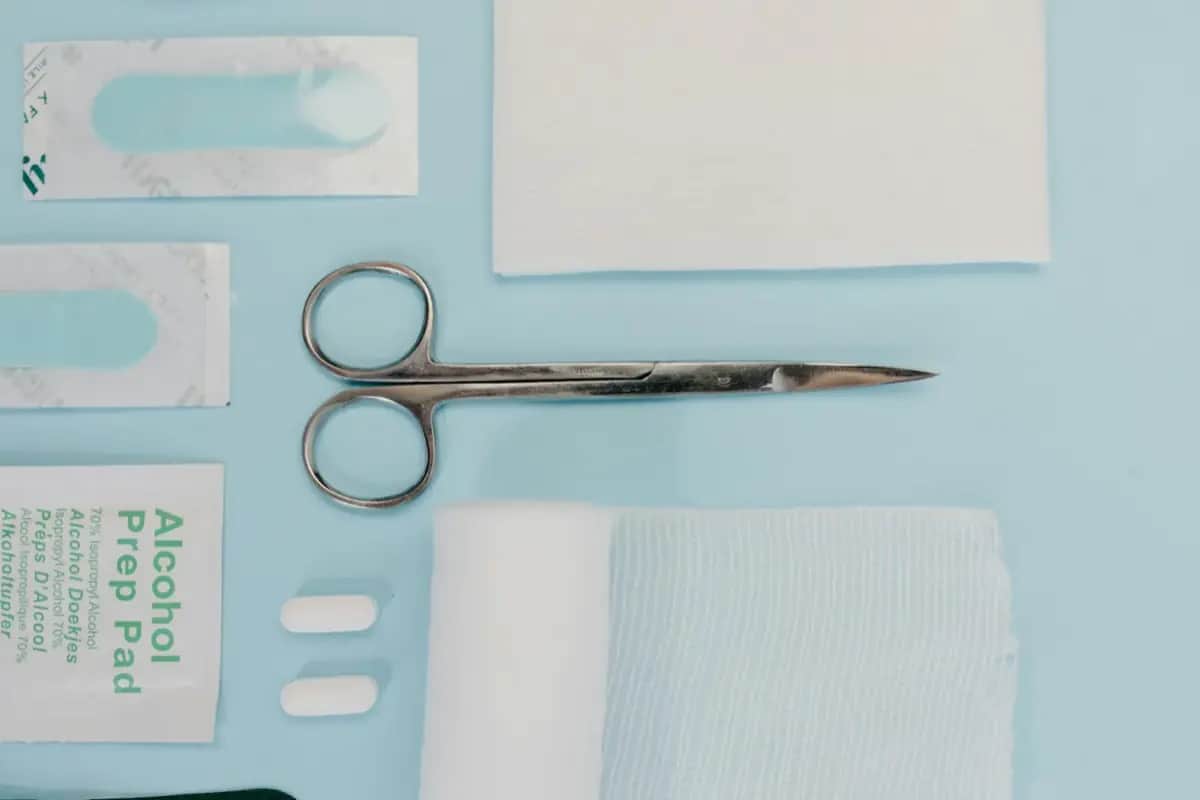
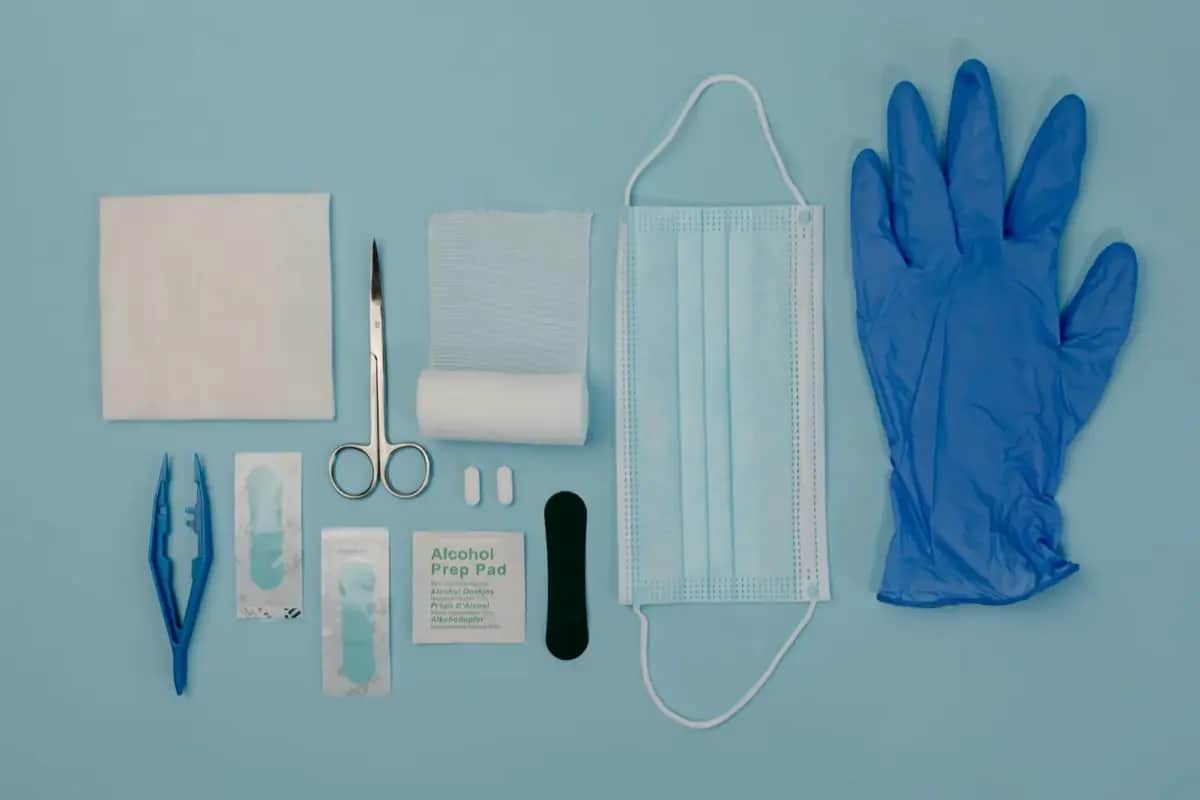
- Basic first aid kit
- Battery radio and flashlights
- Important documents organized
This level requires ~300-500 euros of one-time investment. It is what the German government recommends every household maintain.
Level 2: Extended preparedness
- 3-6 months of food and consumables
- Comprehensive first aid including trauma supplies
- Multiple communication options
- Heating backup
- Water filtration and purification capability
This level requires ~2,000-5,000 euros in total investment (much of which replaces or extends existing household supplies). It covers most realistic multi-week disruptions.
Level 3: Extended self-sufficiency
- Gardening and food production
- Alternative energy systems
- Community preparedness networks
- Extended medical training
This level requires significant ongoing investment and lifestyle integration. It covers scenarios beyond typical crisis duration.
For most households: Level 1 is the minimum and achievable within weeks. Level 2 is the target and achievable within months. Level 3 is optional.
Common Beginner Mistakes
Mistake 1: Buying Instead of Planning
The impulse to start buying gear is understandable — it feels like action. But buying 100 kilograms of rice without knowing how to cook it, how to store it properly, or whether your household will actually eat it is wasted money.
Better approach: Plan what scenarios you are preparing for, what your household needs are, and what you already have — before spending money.
Mistake 2: Starting With the Most Exotic Scenarios
Preparing for an asteroid strike before preparing for a 3-day power outage is a classic error. Start with the most likely, most impactful scenarios for your specific location.
Mistake 3: Ignoring Social and Psychological Preparation
Physical supplies are only part of preparation. Social preparedness — knowing and trusting your neighbors, being part of local support networks — is often more valuable than additional gear. Psychological preparedness — stress management, decision-making frameworks, maintaining normalcy during disruption — is equally critical.
Mistake 4: Treating It as a Solo Activity
Emergency preparedness at the household level requires all household members to know the plan, know where things are, and have basic skills. A family where only one person has thought about any of this is far less resilient than one where everyone understands the basics.
Where to Start: The First Month
Week 1 (Free):
- Read the BBK preparedness guide (download at bbk.bund.de)
- Inventory what you already have (water, food, flashlights, first aid)
- Identify the specific gaps
Week 2 (20-50 euros):
- Buy 3-day water supply (10 liters per person minimum)
- Buy a battery radio if you do not have one
- Buy a first aid course registration
Week 3 (50-100 euros):
- Expand food supply to 10-day minimum (shelf-stable foods you actually eat)
- Buy flashlights and spare batteries
- Buy basic first aid kit improvements
Week 4 (30-50 euros):
- Take a first aid course
- Organize important documents (emergency folder)
- Talk to neighbors about mutual support
Total first-month investment: 100-200 euros and one full Saturday for the first aid course.
The Philosophy That Makes It Work
The most effective emergency preparedness mindset is not fear-driven — it is responsibility-driven.
"I am responsible for the wellbeing of my household. Events outside my control can disrupt normal systems. I can take reasonable steps, within my means, to be less dependent on those systems during disruptions."
This mindset is calm, rational, and sustainable. It does not require believing in specific catastrophe scenarios. It does not require community withdrawal. It does not require dramatic lifestyle changes.
It requires recognizing that modern infrastructure — abundant and reliable in normal times — is not unconditionally reliable, and that a household with a 10-day buffer is better positioned than one without.
Conclusion
Prepping, stripped of its media caricature, is simply household resilience planning. Germany's own civil protection authorities recommend it. The specific preparations — water, food, first aid, communication — are neither extreme nor paranoid. They are the practical result of asking "what would my household need if normal services were unavailable for 1-2 weeks?" Start with the BBK guide, inventory what you have, and build from there. The first month's work is the most impactful — everything after is incremental improvement.
Recommended Products
As an Amazon Associate we earn from qualifying purchases. Buying through our links supports the development of this app at no extra cost to you.