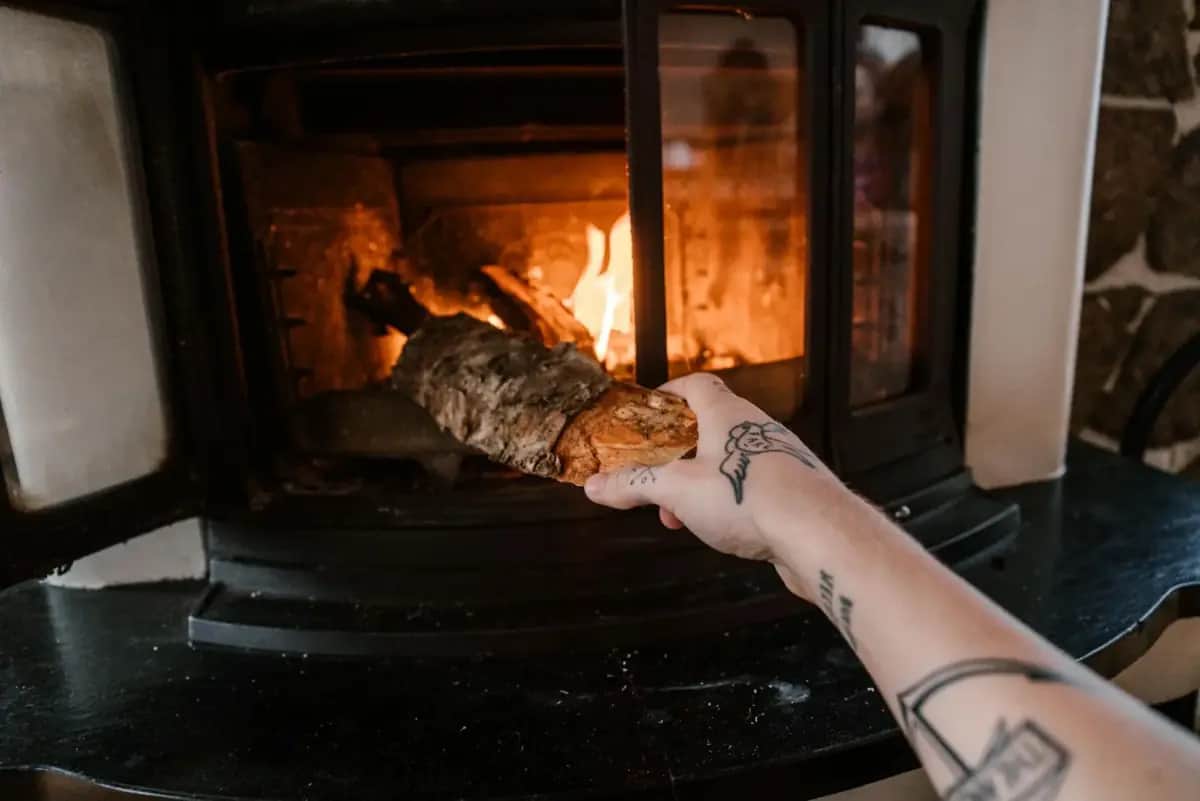
 Foto: Karson / Pexels
Best Emergency Heating Solutions for Apartments in 2025
The best emergency heating solutions for apartments ranked: from budget options under 50 euros to complete setups, with safety ratings and realistic performance assessment.
Ranking Emergency Heating Solutions for Apartments
Not all emergency heating solutions are equal — and not all are safe for apartment use. This ranking evaluates the most common options by effectiveness, safety, cost, and practical suitability for typical European apartments.
Safety is weighted heavily: An effective heater that poses a CO risk without proper management ranks lower than a less powerful but inherently safe option.
Ranking Criteria
- Heat output: Can it meaningfully warm a 15-20m² room?
- Safety: Indoor CO risk, fire risk, unattended use safety
- Cost: Upfront + ongoing running costs
- Power dependency: Does it work without electricity?
- Availability: Can you buy it before and during a crisis?
Rank 1: Electric Infrared Heater (Electricity Available)
Best for: Gas heating failure with working electricity
Recommended products:
- Klarstein Heatspot Pro 750W (~60 euros)
- Infrared panel heaters from Redwell or Vitaia (~80-150 euros)
- Basic ceramic heater models with infrared element (~40-60 euros)
Performance: A 750W unit heats a sealed 15m² room from 10°C to 18°C in approximately 45-60 minutes. Running 6-8 hours per day maintains comfort.
Safety rating: Excellent. No combustion gases. Safe for unattended use. No CO risk.
Running cost: ~0.10-0.15 euros per hour at standard electricity prices.
Limitation: Requires electricity. If both power and gas fail, this solution fails.
Verdict: The single best emergency apartment heating option when electricity is available. Buy one before you need it.
Rank 2: Battery-Powered Portable Space Heater (with Power Bank)
Best for: Short outages, backup supplement
Note: Most portable "battery-powered" heaters on the market are ineffective — they produce minimal heat from battery power. The exception: units paired with a large capacity LiFePO4 battery (power station).
Recommended products:
- Jackery Explorer 1000 + compatible heater (~700-900 euros total)
- EcoFlow DELTA + compatible 500W heater (~600-800 euros total)
Performance: Provides 1-3 hours of supplemental heating from a full charge. Useful for maintaining temperature in a very small space (sleeping area) rather than heating a full room.
Safety rating: Excellent. No combustion, no gases.
Limitation: High upfront cost; limited runtime; primarily for supplemental use.
Verdict: Excellent for tech-forward preparers with budget. Overkill for basic apartment heating emergencies.
Rank 3: Indoor-Rated Gas Catalytic Heater
Best for: Extended outages when electricity is also unavailable
Recommended products:
- Mr. Heater Portable Buddy (~80-120 euros) — well-known in US market, popular in European prepper community
- Camplux indoor-rated propane heater (~60-100 euros)
- Campingaz Bleuet CV-360 with heater conversion (~50-70 euros for stove + heater attachment)
Performance: 1.5-2.5 kW output heats a 15-20m² room effectively within 20-30 minutes. Excellent heat output per fuel unit.
Safety rating: Moderate. CO risk requires:
- Indoor-rated heater (oxygen depletion sensor)
- CO detector in the room
- 30-45 minute ventilation intervals
- Never use while sleeping
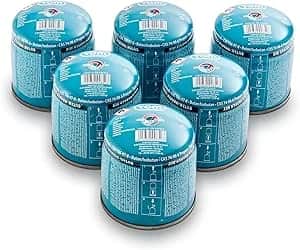
Running cost: ~10-20 euros per day of continuous use (butane/propane cartridges)
Verdict: The most capable option when electricity is unavailable, but requires active safety management. A CO detector is mandatory — without it, this solution is dangerous.
Rank 4: Kerosene/Paraffin Heater
Best for: Extended outages, fuel stockpiling scenarios
Recommended products:
- Sengoku HeatMate KeroSun
- Corona SX heaters (popular in Japan, increasingly available in Europe)
- Zibro Kamin (~150-300 euros)
Performance: 2-4 kW heat output. Excellent for larger spaces. Fuel burn rate: 0.3-0.5 liters per hour.
Safety rating: Similar to gas heaters — requires CO detector and ventilation. Additionally produces a slight kerosene smell that some find unpleasant.
Running cost: Kerosene at 1-1.50 euros/liter × 0.4L/hr = ~0.60 euros/hour. More economical than gas cartridges for extended use.
Fuel storage: Kerosene stores 2-5 years. A 20-liter can (~20-30 euros) provides 40-50 hours of heating.
Verdict: Best value for extended multi-day scenarios with a dedicated fuel supply. Higher upfront complexity (fuel storage, wick maintenance) than gas options.
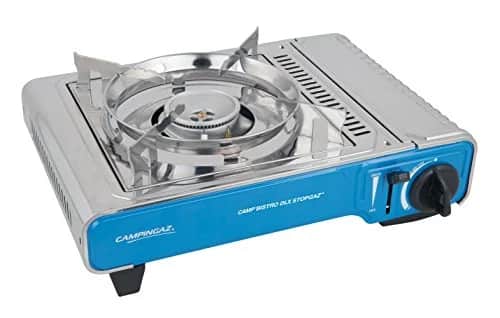
Rank 5: Camping Gas Stove (with Heat Diffuser)
Best for: Heat as a secondary benefit while cooking; small space supplemental heat
Not a primary heating solution — a camping stove is designed for cooking, not room heating. Its heat output is typically 1-2 kW but is concentrated upward, not diffused into the room.
Use case: If you need to heat a very small space (under 8m²) and the stove is already in use for cooking, the residual heat is useful. Do not rely on a camping stove as a primary heat source.
Safety: Same CO concerns as any combustion device indoors. Ventilate.
The "Do Nothing" Approach: Thermal Clothing and Sleeping Bags
Not ranked as a "heating solution" — but often the correct answer
Before spending money on any heater, maximize passive warmth:
- Thermal base layer (25-50 euros)
- Fleece mid-layer (20-40 euros)
- Down vest or jacket (40-100 euros)
- -10°C rated sleeping bag (60-150 euros)
At 15°C room temperature with this clothing setup, most healthy adults are entirely comfortable. This zero-electricity, zero-gas, zero-CO-risk solution is underutilized.
Verdict: The most resilient solution of all. Should be part of every emergency preparedness kit regardless of what heater you own.
Recommended Setup by Budget
Under 100 euros:
- 500W infrared panel heater (50-80 euros)
- CO detector (20-40 euros)
- Thermal base layer already owned
100-300 euros:
- 750W infrared heater (60-100 euros)
- Indoor gas heater (80-120 euros) for power-out scenarios
- CO detector (20-40 euros)
- Thermal clothing set (80-120 euros)
300-600 euros:
- Above, plus:
- Small generator 1-2 kW (200-400 euros) for running infrared heater without mains power
- Kerosene reserve (10 liters = ~15 euros)
Conclusion
The best emergency heating solution for an apartment depends on your scenario. If electricity works: infrared heater. If both power and gas fail: an indoor-rated gas catalytic heater with a mandatory CO detector. In all cases: thermal clothing and a good sleeping bag are the foundational, failure-proof layer of warmth that no heater can replace.
Recommended Products
As an Amazon Associate we earn from qualifying purchases. Buying through our links supports the development of this app at no extra cost to you.