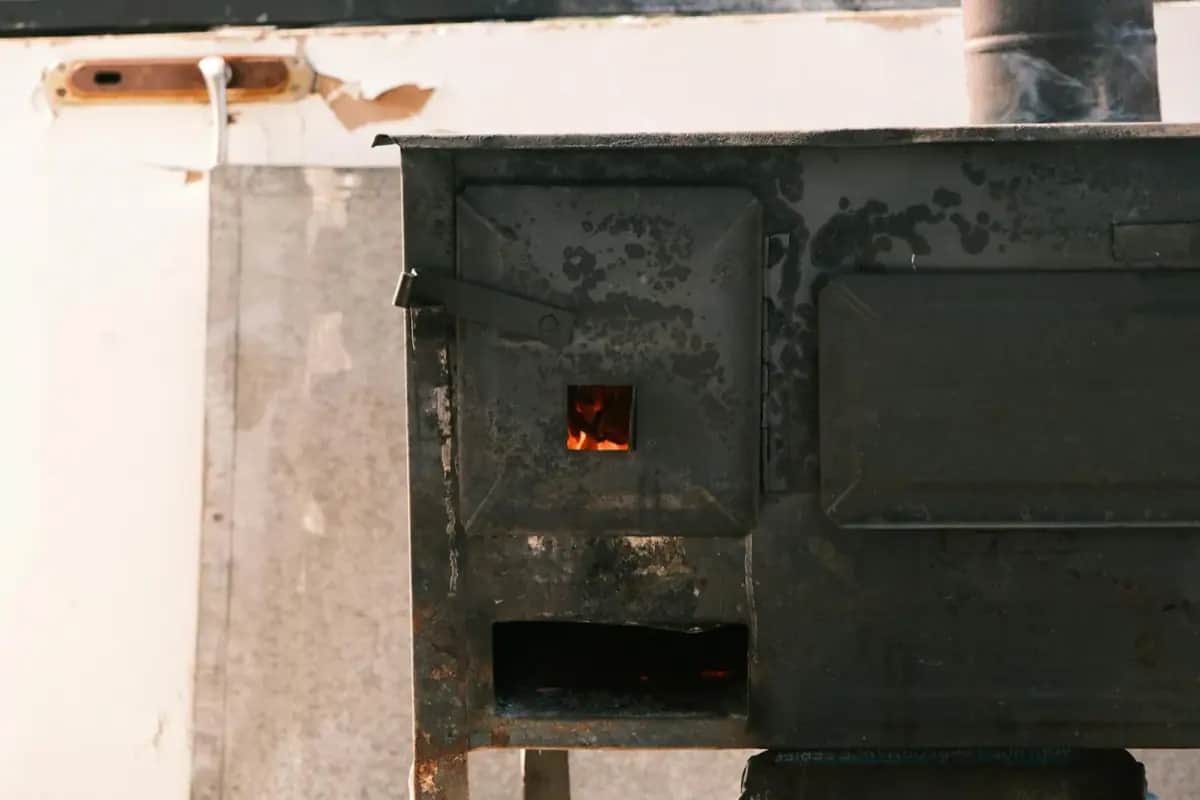
 Foto: Yaşar Başkurt / Pexels
Gas Network Failure in Winter: A Realistic Crisis Scenario
What happens when the gas network fails in winter? A realistic scenario walking through the first hours, days, and weeks — and what preparation actually changes the outcome.
Scenario: January. The Gas Heater Goes Cold.
Monday morning. You turn on the heating. Nothing happens. The boiler display shows an error: no gas pressure. You check the neighbors — same problem. The gas network has failed.
The repair estimate from the utility: at least 5-7 days until full restoration.
Outside: -5°C. Your apartment is a warm 21°C — but it will not stay that way.
What happens next?
Hour 1-3: Initial Response
What You Feel
The apartment is still warm. The initial reaction is often underestimation: it does not feel like an emergency yet.
This is the critical window. Every measure taken in the first hours dramatically improves the next week.
What Prepared Households Do
- Check heat retention: Close all curtains, close all doors, designate the smallest livable room as the warm room
- Activate backup heating: Infrared heater on, CO detector installed for any gas-based backup
- Check supplies: Food, water, warm clothing, sleeping bags — inventory what is available
- Contact neighbors: Coordinate — shared resources and shared warmth (body heat in a shared space) significantly extend comfort
What Unprepared Households Do
- Open apps and wait for utility updates
- Try to buy space heaters (shelves are emptying in local shops by noon)
- Realize their only spare heating device is a decorative candle set
Hour 3-12: Cooling Begins
The Physics
A well-insulated apartment building loses approximately 0.5-1°C per hour when heating stops at -5°C outside. That means:
- By Hour 4: approximately 19°C
- By Hour 8: approximately 17°C
- By Hour 12: approximately 15°C (uncomfortable but not dangerous)
An older, poorly insulated house cools 2-3 times faster.
What Determines Your Experience
Factor 1: Your neighbors' apartments
In a multi-story apartment building, heat from neighboring apartments significantly slows your cooling. If your building shares a heating system, all apartments cool simultaneously — no thermal buffer.
Factor 2: Your available clothing and bedding
At 15°C, a person in a T-shirt is cold. A person in thermal underwear, a fleece, and a down vest is comfortable. The difference between a miserable experience and a manageable one is entirely in your wardrobe.
Factor 3: Whether you have any alternative heat
Even a 500W infrared heater running 4-6 hours per day in a sealed 15m² room significantly affects comfort.
Day 1-3: The Management Phase
Typical Utility Response
For major gas network failures, utility companies typically:
- Days 1-2: Assess damage, communicate timeline
- Days 2-4: Begin repairs (longer for infrastructure damage, shorter for pressure issues)
- Day 3-5: Partial restoration in some areas
But timelines shift. Budget mentally for double the initial estimate.
Public Support Measures
In significant events (a region without heat in January), authorities typically establish:
- Warming centers: Schools, community halls, churches opened as 24-hour warm spaces
- Information hotlines: Updated restoration timelines
- Priority repair: Hospitals, elderly care facilities, and vulnerable households are prioritized
For households with children, elderly, or medically dependent members: contact social services or the municipal emergency office on Day 1.
Managing the Warm Room
Day 1-3 in the warm room:
- Sleep in the warm room together (body heat contribution is significant)
- Seal the warm room door at night
- Eat hot food (caloric intake increases thermogenesis — your body produces more heat)
- Minimize time in the rest of the cold apartment
Day 3-7: The Extended Scenario
When Warmth Becomes a Health Risk
At room temperatures below 15°C:
- Risk of hypothermia increases significantly for elderly and very young
- Existing respiratory conditions worsen
- Risk of freezing pipes increases
Danger thresholds:
- Below 15°C: Significant discomfort; elderly and young at risk
- Below 10°C: Health risk for all; evacuation appropriate
- Below 5°C: Emergency conditions
Decision Points
By Day 3, if no restoration timeline is credible:
- With elderly or young children: Strongly consider moving to a family member's or friend's home outside the affected area, or a warming center
- Healthy adults: A warm room with appropriate alternative heating is manageable for 5-7 days
- With pets: Factor pet warmth needs into decisions (cats and dogs tolerate 10-15°C but should not be left alone in a freezing apartment)
Day 7+: If the Crisis Extends
Gas network failures lasting more than 7 days in Central Europe are rare but not impossible. Infrastructure damage from flooding, major pipe failure, or supply disruption has caused multi-week outages.
At this point, the situation transitions from "manage with what you have" to "seek alternative accommodation or significant infrastructure support."
What This Scenario Shows About Preparation
Without preparation (typical outcome): Days 1-3 are cold and uncomfortable; by Day 3, many households are in hotels, at relatives', or in warming centers. The financial and logistical cost is significant.
With minimal preparation (50-100 euro investment):
- Infrared heater (with a generator if needed): warm room maintained throughout
- Thermal clothing and sleeping bags: comfortable sleep regardless of room temperature
- Food supplies for 5+ days: no dependency on disrupted supply chains
- CO detector: safety assurance for any backup heating used
The prepared household experiences a challenging but manageable week at home rather than a crisis-level displacement.
Preparation Shopping List for This Scenario
| Item | Purpose | Cost |
|---|---|---|
| 500W infrared heater | Warm room heating | 50-80 € |
| CO detector | Gas heater safety | 20-40 € |
| Thermal underwear (2 sets) | Body warmth | 60-100 € |
| Sleeping bag (-10°C rated) | Night warmth | 60-150 € |
| 5-day food supply | Independence | 50-100 € |
| Portable butane stove + gas | Hot food and water | 30-50 € |
Total: 270-520 euros — less than one night in a hotel per week of crisis duration.
Conclusion
A gas network failure in winter is a real and recurring scenario in Central Europe. The difference between households that manage comfortably and those that are displaced is almost entirely a function of preparation. The measures are not expensive or complex. They are simply decisions that need to be made before the crisis, not during it.
Recommended Products
As an Amazon Associate we earn from qualifying purchases. Buying through our links supports the development of this app at no extra cost to you.