 Foto: Pavel Danilyuk / Pexels
Heating Alternatives in a Crisis: What Works and What Doesn't
Emergency heating alternatives explained: infrared heaters, gas heaters, kerosene, wood fire, and passive heat retention — with honest safety information for indoor use.
When Central Heating Fails, What Are Your Options?
Most homes in Central Europe depend entirely on a single heating system: a gas boiler, a heat pump, or district heating. When that system fails — gas supply interruption, pump failure, electricity outage — there is no built-in backup.
Understanding your alternatives before you need them is the difference between a manageable inconvenience and a dangerous cold-weather emergency.
Alternative 1: Electric Infrared Heaters
How They Work
Infrared heaters emit infrared radiation that directly heats objects and people in their line of sight — similar to the warmth felt from the sun. Unlike convection heaters (which heat air), infrared heaters do not require the room to warm up before you feel the effect.
Effectiveness
A 500W infrared panel heats a 10-12m² room from 10°C to 18-20°C in approximately 30-60 minutes.
For Emergency Use
Requirements: Electricity. This makes infrared heaters unusable during simultaneous power and heating failures — but excellent when only the gas supply is interrupted (as in many heating outage scenarios).
Recommended approach: A small generator (1-2 kW capacity) + 500W infrared heater. The generator runs 3-4 hours on 0.5-1 liter of petrol.
Pros: No combustion gases, no ventilation required, safe for unsupervised use, immediate heat Cons: Electricity-dependent
Cost: 40-80 euros for the heater; 200-500 euros for a small generator
Alternative 2: Indoor Gas Heaters (Propane/Butane)
How They Work
Gas catalytic heaters or radiant heaters combust propane or butane to produce heat. Modern indoor-rated models include oxygen depletion sensors that shut off the heater if oxygen levels drop dangerously.
Critical Safety Information
The biggest risk from indoor gas heaters is carbon monoxide (CO) poisoning. CO is produced when combustion is incomplete — particularly in enclosed spaces with insufficient oxygen.
Mandatory safety rules:
- Only use heaters explicitly rated for indoor use
- Install a CO detector in the room — non-negotiable
- Ventilate the room briefly every 30-45 minutes
- Never operate while sleeping or unattended
- Do not use outdoor/patio heaters indoors — they produce high CO
Gas supply: Butane cartridges (227g) provide 1-2 hours of heating. For extended use, larger propane canisters (11kg) are more economical.
Pros: No electricity, high heat output, widely available fuel Cons: CO risk requires active management, cannot be left unattended
Cost: 50-150 euros for the heater; ongoing fuel cost of ~10-20 euros per day for continuous heating
Alternative 3: Kerosene Heaters
How They Work
A wick-based heater burns kerosene (paraffin oil). Heat output is typically 2-4 kW — sufficient to heat a medium-sized room.
Status in Modern Use
Kerosene heaters were standard in European homes until the 1970s. They fell out of use as gas and electric heating became universal. They have experienced a revival in emergency preparedness circles.
For emergency use: A reliable, fuel-flexible option. Kerosene is shelf-stable for 2-5 years when stored properly.
Pros: High heat output, no electricity, long fuel shelf life Cons: Combustion smell, indoor air quality concerns, fuel storage requirements
Safety: Same principles as gas heaters — CO detector, regular ventilation, never unattended during sleep.
Cost: 80-200 euros for the heater; kerosene costs approximately 1-1.50 euros per liter (consumption: ~0.3-0.5 liters per hour)
Alternative 4: Wood and Solid Fuel
If You Have a Fireplace or Wood Stove
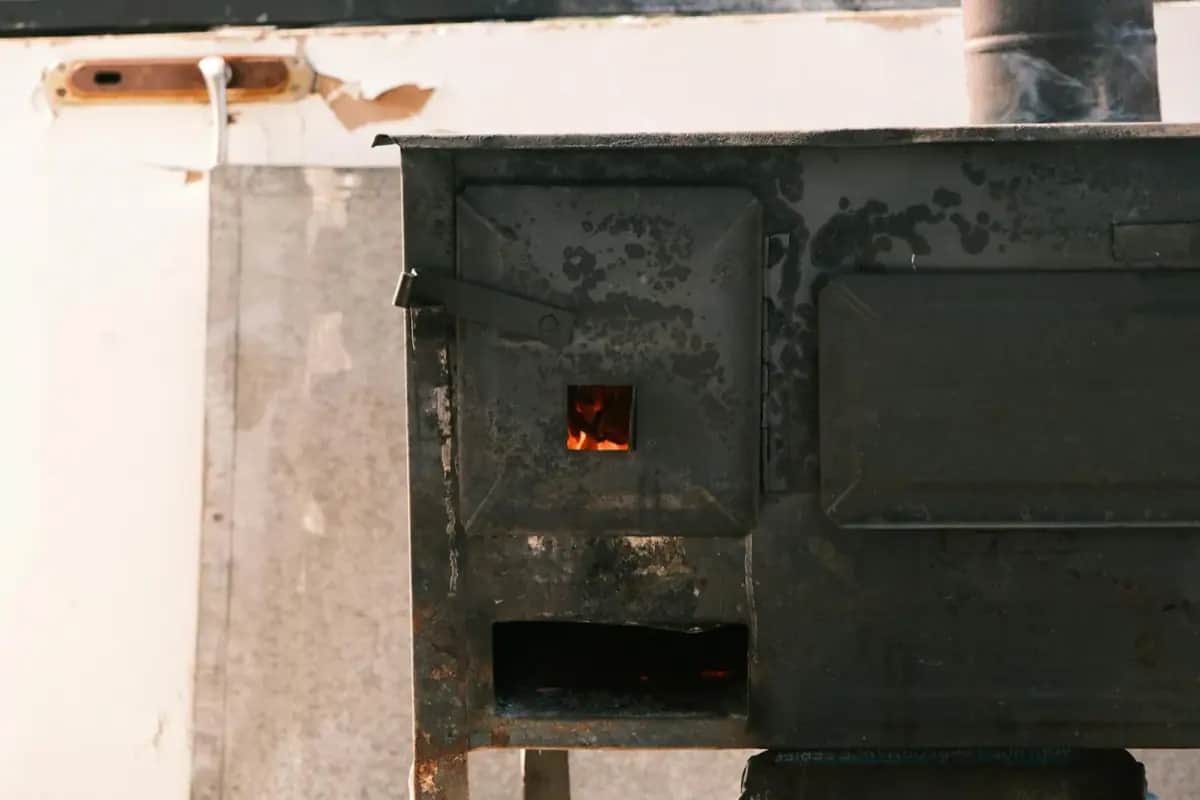
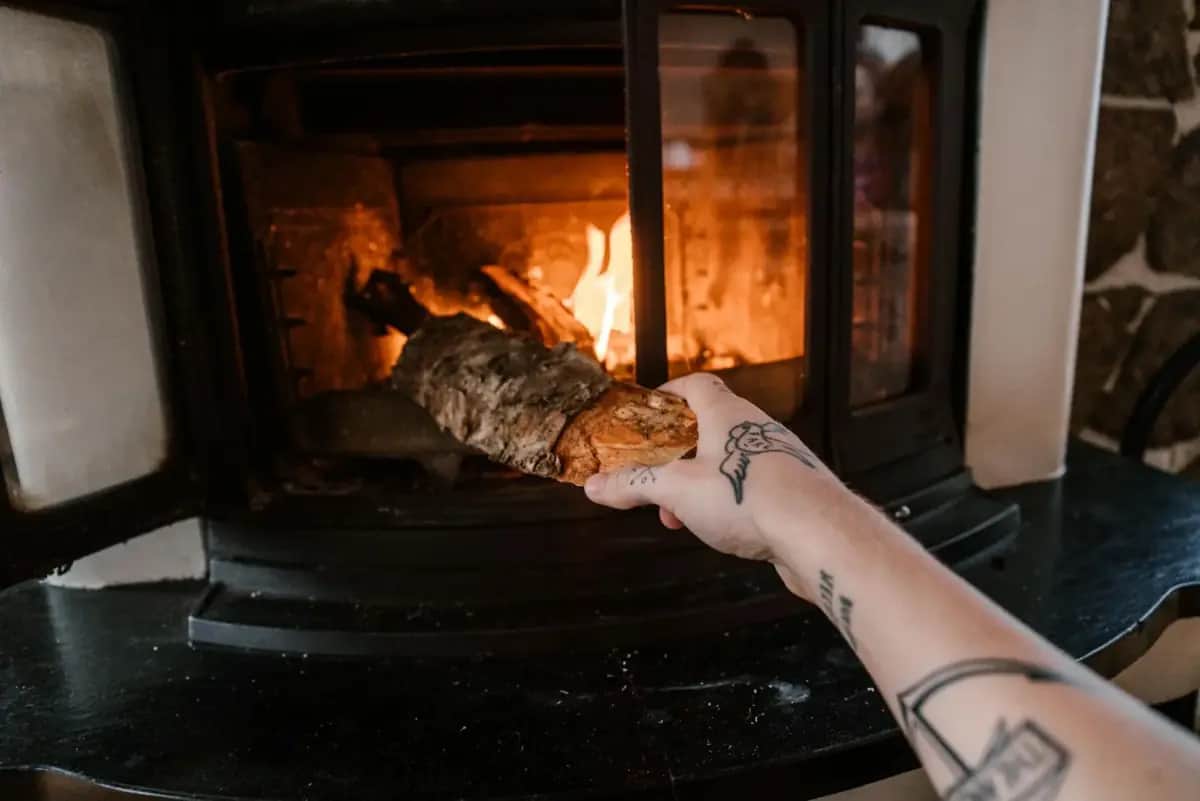
A functioning fireplace or approved wood stove is the most reliable long-term heating backup — fuel (wood) is available without any infrastructure.
Requirements: Approved installation (in Germany: requires chimney sweep certification), regular chimney inspection, firewood supply (store at least 1 Stere = ~0.7m³ for meaningful reserve).
If You Do Not Have a Stove
Installing a wood stove in a rental apartment requires landlord approval and building authority permits. It is a medium-term preparation measure, not an immediate fix.
Temporary alternatives: A wood-burning rocket stove (outdoor use only) for cooking; indoor use is dangerous without proper flue.
Alternative 5: Passive Thermal Management
The overlooked alternative: keeping heat in rather than adding heat.
A well-insulated, sealed room loses heat slowly. The thermal inertia of a building is significant — a warm room stays warm for hours.
Passive heat retention actions:
- Close all doors (isolate the smallest livable space)
- Hang blankets over windows and exterior doors
- Block drafts under doors with rolled towels
- Use all available textiles — rugs, blankets, curtains — against walls and floors
The warm room concept: Focus all available heat in one small room (ideally an interior room, no exterior walls). A 15m² room is far easier to heat than a 100m² apartment.
Which Alternative Is Right for You?
| Scenario | Best Alternative |
|---|---|
| Only gas heating fails (electricity works) | Electric infrared heater |
| Both gas and electricity fail | Indoor gas heater + CO detector |
| Extended multi-day outage | Kerosene heater + passive insulation |
| Own a house with chimney | Wood stove (if installed) |
| No equipment, immediate need | Layered clothing + sleeping bags + hot water bottles |
The Minimum Investment for Heat Security
Under 100 euros, protects against most heating emergencies:
- 1x 500W infrared panel heater: 50-80 euros
- 1x CO detector: 20-40 euros
- 1x quality down vest: 50-100 euros (passive warmth)
This does not cover simultaneous power and heating failure — for that, add a small generator (~300-500 euros) or indoor gas heater (~80-150 euros + CO detector).
Conclusion
Heating alternatives range from completely safe and electricity-dependent (infrared) to highly capable but requiring safety management (gas, kerosene). The right choice depends on your failure scenario, budget, and housing type. The universal preparation that costs nothing: designate a warm room and stock blankets, sleeping bags, and hot water bottles. This alone provides survival-level warmth at -10°C outside.