 Foto: Marek Piwnicki / Pexels
Heating Without Power: The Complete Guide for Emergencies
Complete guide to heating without power in emergencies: alternatives, safety rules, cost comparison, and the best strategy for renters and homeowners.
Why Heating Is a Priority in Any Crisis
A heating failure in winter is not a hypothetical — it is a statistical certainty for anyone who lives long enough. Gas supply interruptions, electricity failures affecting heat pumps, broken boilers: without preparation, your home becomes uncomfortably cold within hours and dangerously cold within days.
This guide shows you systematically how to stay warm without your central heating system — from immediate measures to long-term equipment.
How Fast Does a Home Cool Down?
This depends on outdoor temperature, insulation quality, and building type:
| Situation | Time to 15°C | Time to 10°C |
|---|---|---|
| Well-insulated apartment, 0°C outside | 24-36 hours | 48-72 hours |
| Poorly insulated house, -10°C outside | 6-12 hours | 18-24 hours |
| Apartment between heated neighbors | 48-72 hours | 5-7 days |
Takeaway: In a well-insulated apartment building, you have more time than you think. In a detached house with poor insulation, things deteriorate quickly.
The 4 Phases of a Heating Failure
Phase 1 (0-6 Hours): Retain Existing Heat
Before the apartment cools, preserve warmth:
- Close all doors — concentrate heat in as few rooms as possible
- Close curtains and shutters — reduces heat loss through windows by 30-40%
- Use textiles — blankets, rugs, heavy curtains as additional insulation
- Designate a "warm room" — ideally an interior room with the smallest floor area
Phase 2 (6-24 Hours): First Heating Alternatives
With the right equipment:
- Gas camping stove with heater attachment: short intervals, ensure ventilation
- Tea-light heater (DIY with flower pots): 20-30 watt heat output, sufficient for small rooms
- Warm drinks: More calorically significant than you think — tea and broth heat from within
Phase 3 (1-3 Days): Structured Heating Solution
When the outage extends, you need a more robust solution:
Option A: Infrared heater with emergency power
- Small generator (1-2 kW) + 500W infrared heater
- One-time cost: 200-500 euros
- Fuel requirement: 0.5-1 liter petrol per hour
Option B: Gas-powered space heater
- Campingaz or professional indoor-rated gas heater
- Critical: check CO safety ratings before indoor use
- Only use heaters explicitly rated for indoor use
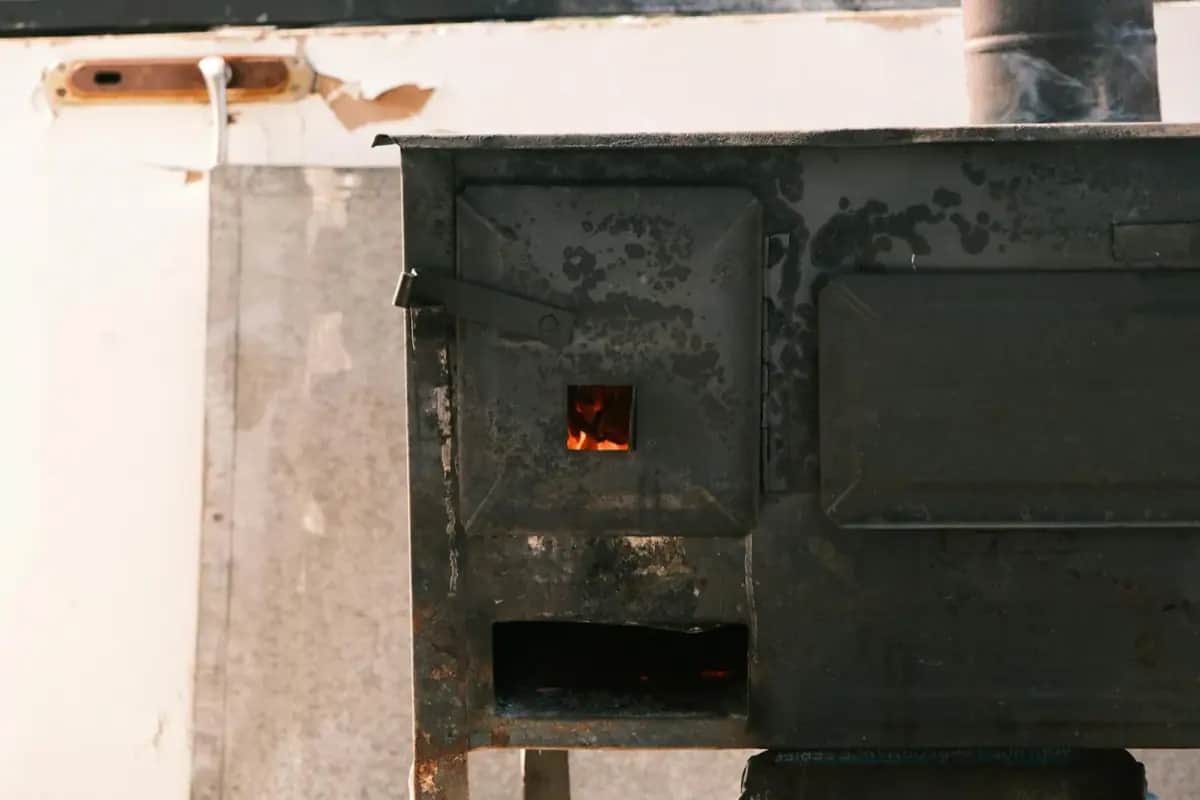
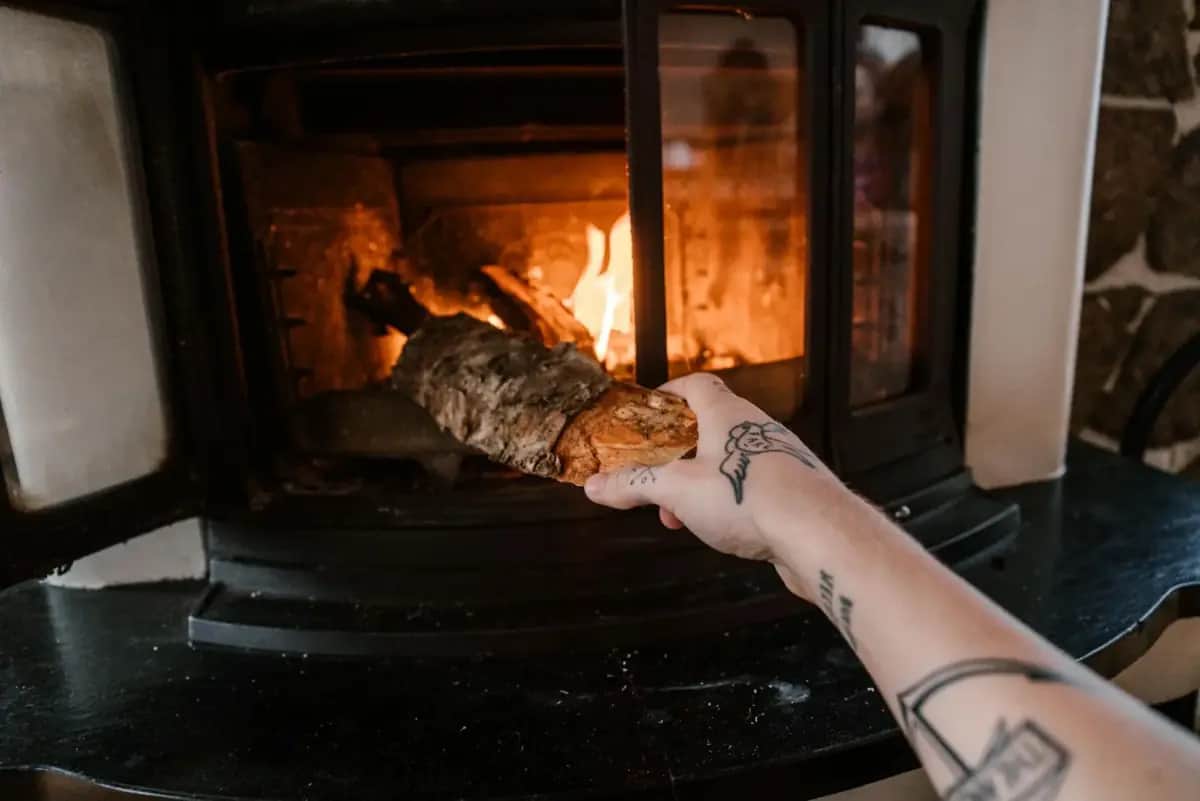
Option C: Wood stove or fireplace
- Best long-term solution
- Requires firewood stock and approved installation
- Difficult to implement in rented apartments
Phase 4 (3+ Days): Crisis Management
For extended outages: optimize warmth protection through layered clothing and sleeping strategies.
Heating Alternatives in Detail
Infrared Heaters
Pros: No combustion gases, immediate effect, energy efficient Cons: Requires electricity, only heats objects/people in direct line of sight
Recommendation: 500-750W models from reputable brands. Cost: 40-80 euros.
Gas Space Heaters (Propane/Butane)
Pros: No electricity dependency, high output Cons: CO risk, ventilation required, gas supply needed
Safety rules:
- Always have a CO detector in the room
- Ventilate briefly every 30-45 minutes
- Never operate while sleeping
- Only use indoor-rated devices — never outdoor/patio heaters indoors
Kerosene Heaters
Standard in the 1970s, experiencing a revival in the prepper community.
Pros: No electricity dependency, economical to run Cons: Smell, combustion gases, kerosene supply needed
Safety: Same as gas heaters — ventilate regularly, use CO detector.
Warmth Through Clothing and Sleep
Layered Clothing for Indoors
The most effective and cheapest solution:
- Base layer: Merino wool or thermal underwear
- Mid layer: Fleece sweater or wool jumper
- Outer layer: Softshell jacket or down vest
In 3 layers, you remain comfortable down to 10°C indoor temperature.
Sleeping in the Cold
- Sleeping bags: Outdoor sleeping bags rated to -10°C are perfect for indoor use
- Hot water bottles: Boiling water in rubber bottles — pre-warms the bed and retains heat for hours
- Sleeping together: Body heat from multiple people in a small room is dramatically underestimated
Heating Safety Checklist
Before operating any alternative heat source:
- CO detector installed and tested
- Adequate ventilation available
- Fire extinguisher within reach
- Fuel stored safely (not inside the living space)
- Never operate unattended while sleeping
Shopping List: Emergency Heating Supplies
| Item | Purpose | Cost |
|---|---|---|
| 500W infrared heater | Primary emergency heating | 50-80 € |
| CO detector | Safety for gas heaters | 20-40 € |
| Thermal underwear set | Body warmth | 30-50 € |
| Outdoor sleeping bag (-10°C rated) | Sleep warmth | 60-150 € |
| 2x hot water bottles | Bed pre-warming | 20 € |
| Down vest | Indoor daytime warmth | 50-100 € |
Total: 230-440 euros — a one-time investment for warmth in any crisis.
Conclusion
Heating without power is achievable — if you prepare. The combination of heat retention (curtains, textiles, room concentration), an alternative heat source (infrared or gas), and personal protection (layered clothing, sleeping bag) bridges any heating failure safely.
The single most important purchase: a CO detector. It costs 25 euros and can save lives.