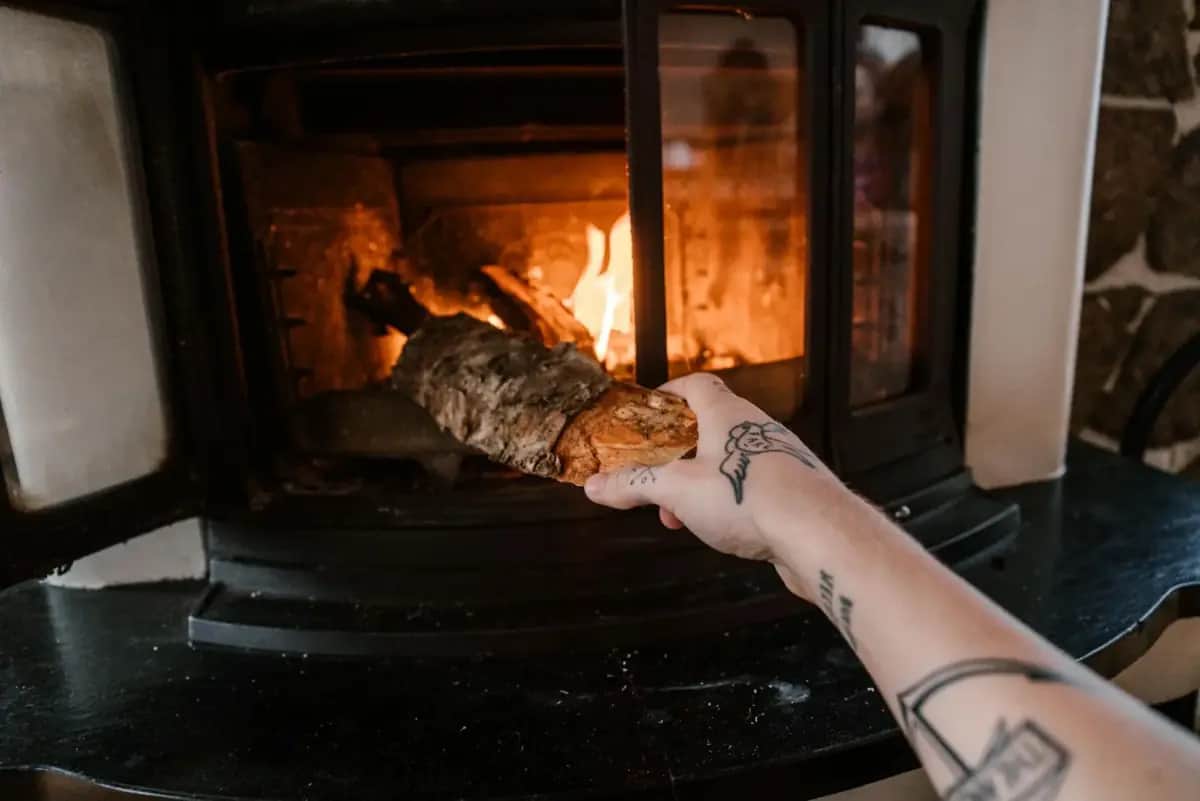
 Foto: ArtHouse Studio / Pexels
Heating Without Power for Seniors: Special Considerations and Solutions
Emergency heating guide for seniors over 65: why older adults are more at risk in heating failures, what specific preparations help, and how families can support.
Why Seniors Face Greater Risk in Heating Failures
Seniors over 65 are disproportionately affected by winter heating failures. During the 2003 European heat wave, the majority of the 70,000 excess deaths were among people over 70. Cold-related deaths follow a similar demographic pattern.
The reasons are physiological:
Reduced thermoregulatory efficiency: The body's ability to maintain core temperature declines with age. Seniors produce less metabolic heat and shiver less effectively.
Reduced sensation: Seniors often perceive cold less accurately — they may not feel dangerously cold even when their core temperature is dropping.
Chronic illness interactions: Cardiovascular disease, diabetes, and medications all affect the body's cold response.
Reduced mobility: Seniors with limited mobility generate less warmth through movement and may be unable to implement physical warmth measures.
Medication side effects: Some common medications (beta-blockers, diuretics) impair temperature regulation.
Understanding these factors is not meant to alarm — it is the basis for targeted preparation.
Temperature Thresholds for Seniors
| Room Temperature | Risk Level for Seniors |
|---|---|
| 21°C+ | Comfortable and safe |
| 18-21°C | Comfortable with normal clothing |
| 15-18°C | Cool; additional layers needed |
| 12-15°C | Risk of mild hypothermia begins |
| Below 12°C | Significant health risk; medical attention may be needed |
| Below 8°C | Emergency conditions |
The critical threshold for seniors is 15°C — a full 5°C warmer than for healthy adults. Heating failure planning for seniors must target this floor temperature.
Specific Preparation for Seniors Living Alone
Heating Equipment
Priority 1: Electric infrared heater
The safest option — no combustion, no CO risk, works unattended. A 500W infrared panel in a sealed bedroom maintains adequate temperature.
The senior does not need to manage fuel, lighting flames, or ventilation schedules. Turn it on, set the temperature, done.
Priority 2: Warm room setup
Identify in advance which room is easiest to heat (smallest, most insulated, ideally with the infrared heater). Ensure this room has:
- Comfortable chair or bed
- Entertainment (radio, books, tablet)
- Water and snacks accessible
- Communication device (phone, charged)
Priority 3: Thermal clothing appropriate for reduced mobility
A senior who spends most of the day seated needs more passive warmth than an active adult. Specifically:
- Lap blanket (significantly reduces leg heat loss while seated)
- Wool slippers (cold feet are a serious comfort and circulation issue)
- Vest or cardigan over normal clothing (core warmth)
- Lightweight thermal base layer under regular clothes
Communication and Check-In System
The most critical preparation for seniors living alone: an active check-in system.
In a heating emergency, a senior experiencing early hypothermia may not recognize the symptom (confusion, drowsiness) as dangerous.
Check-in protocol:
- Family member or neighbor calls or visits at least once daily during any heating emergency
- If no response: immediate action (welfare check by neighbor or emergency services)
- Agree on a signal: a light turned on, a curtain opened, a specific message
This system costs nothing and can be life-saving.
Supporting an Elderly Parent or Relative
If you have an elderly parent in their own home and a heating failure occurs in their area:
Day 1: Call immediately. Assess whether they can manage. If in doubt, bring them to your home or arrange accommodation.
Before any crisis: Have this conversation now.
- Where would they go if their heating failed?
- Do they have anyone nearby who can check on them?
- Do they know how to use any emergency heating equipment?
- Is the equipment in working order?
The conversation before the crisis is the most effective preparation.
Installing Safety Equipment
For seniors in their own home:
CO detector: Mandatory if any gas or combustion heating backup is used. A CO detector that sounds an alarm protects against the silent danger of CO poisoning, which disproportionately affects seniors.
Smart plug with remote monitoring: A smart plug (15-20 euros) connected to a lamp lets a family member confirm from their phone that the lamp has been switched on — a simple daily check-in indicator.
Medical alert system: For seniors living alone, a wearable alert button provides emergency response regardless of the crisis type.
Warning Signs of Cold-Related Problems in Seniors
Anyone supporting an elderly person during a heating failure should watch for:
Early hypothermia symptoms:
- Excessive shivering (or paradoxically, no shivering — a more serious sign)
- Confusion or slow thinking
- Slurred speech
- Drowsiness or unusual fatigue
- Pale or blue skin, especially around the lips
If these signs appear: Move the person to warmth, warm them gradually with blankets and warm (not hot) beverages. Call emergency services if symptoms do not improve rapidly.
Do not:
- Rub or massage a hypothermic person vigorously (can cause cardiac complications)
- Give alcohol (increases heat loss)
- Apply direct heat (hot water bottle directly on skin)
The Family Preparation Checklist for Elderly Members
- Identify the senior's home heating backup options
- Ensure a CO detector is installed if any combustion backup exists
- Agree on a check-in schedule for winter emergencies
- Stock thermal clothing appropriate for reduced mobility (lap blanket, wool slippers, vest)
- Establish where the senior will go if the home becomes too cold
- Ensure the senior knows who to contact if they feel too cold
Conclusion
Heating failure for seniors is a medical risk, not just a discomfort. The preparation is not complex: one infrared heater, thermal clothing appropriate for limited mobility, and an active check-in system. The most important element — the check-in system — costs nothing and requires only a commitment to regular communication. Make these arrangements before winter, not when the heating has already failed.
Recommended Products
As an Amazon Associate we earn from qualifying purchases. Buying through our links supports the development of this app at no extra cost to you.