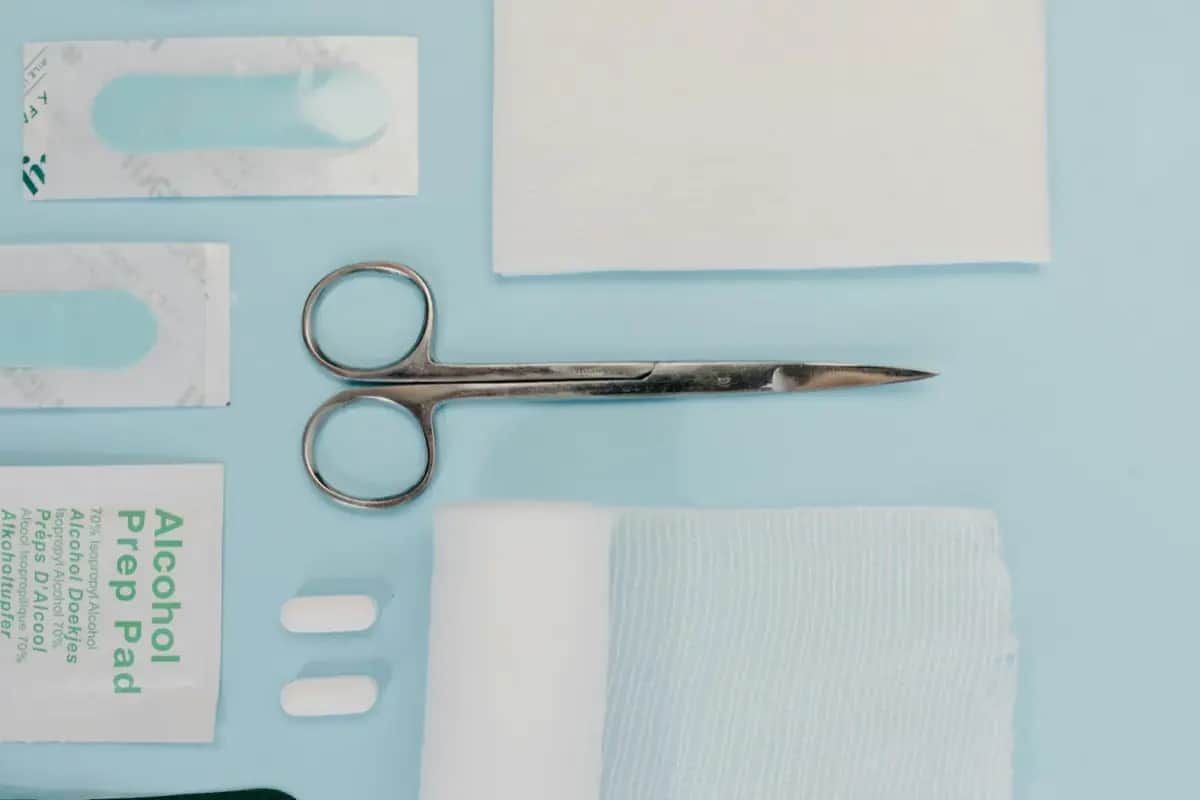
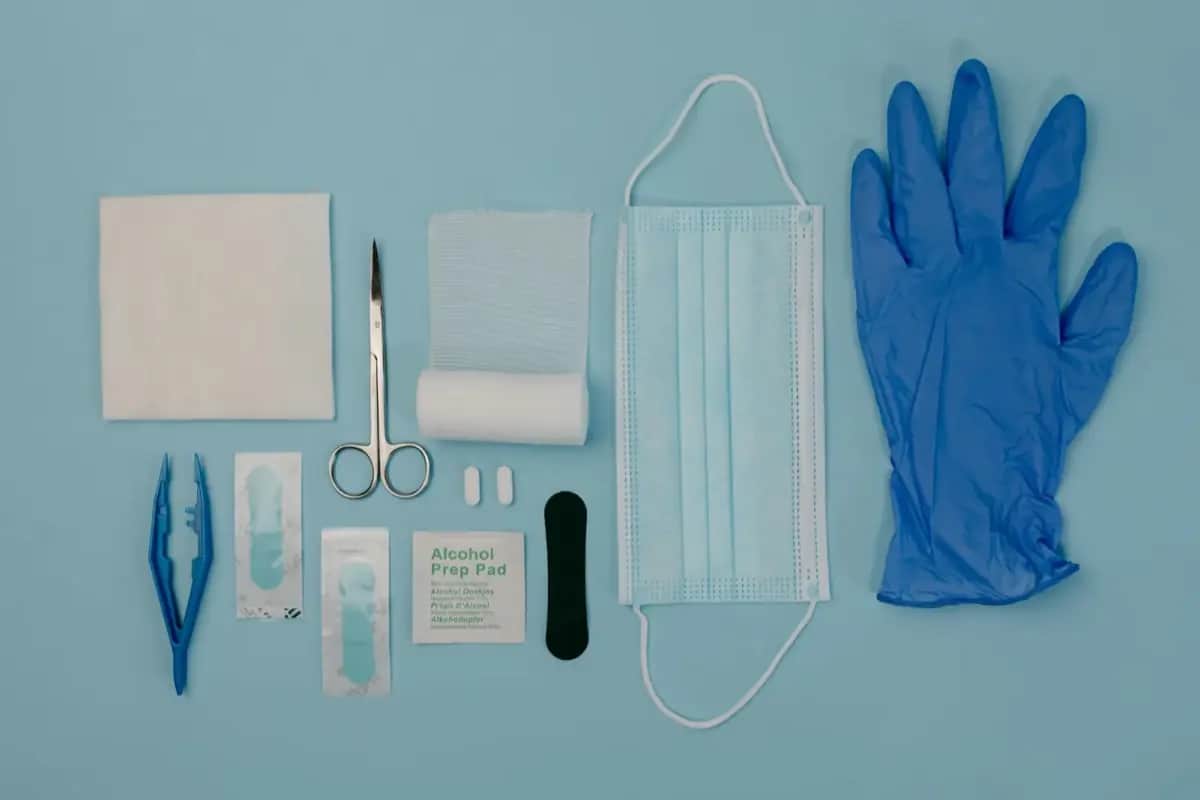
 Foto: Tara Winstead / Pexels
Best First Aid Kits for Emergency Preparedness: A Ranked Guide
Best first aid kits for crisis preparedness ranked: from basic DIN 13164 to professional-grade kits, with honest assessment of what belongs in an emergency kit and what doesn't.
Why the First Aid Kit You Have Is Probably Not Enough
The standard car first aid kit (DIN 13164) is designed for road accidents: primarily bandages, gloves, and a foil blanket. It is legally required in German vehicles for good reason — it handles basic wound care at the roadside.
But for a genuine emergency preparedness kit — covering household injuries, multi-day crises, and scenarios where emergency services may be delayed — the standard car kit is insufficient.
This ranking evaluates kits and kit configurations for crisis preparedness, not everyday minor injuries.
What Belongs in an Emergency-Grade First Aid Kit
Before the ranking, define the scope. A crisis first aid kit needs to handle:
- Traumatic injuries: Lacerations, puncture wounds, fractures, burns
- Bleeding control: Including serious arterial bleeding
- Wound management: Multi-day wound care without professional support
- Medical emergencies: Anaphylaxis, cardiac events, respiratory distress
- Common illness management: Fever, pain, infection prevention
Standard consumer kits address points 1 and 3 partially. Points 2 and 4-5 require specific additions.
Ranking Framework
- Coverage: Which of the 5 categories does it address?
- Quality: Are the individual components functional and non-expired?
- Compactness: Does size match intended use?
- Value: Cost relative to what you get?
- Availability: Can you buy it in Germany/Austria/Switzerland?
Rank 1: Custom-Assembled IFAK + Household Medical Kit
Best for: Comprehensive home emergency preparedness
The concept: Instead of buying one box marketed as "emergency kit," assemble components by function. This allows quality control of each item.
Core IFAK components (Individual First Aid Kit — trauma focus):
- Israeli bandage (pressure dressing, ~8 euros each)
- Tourniquet (CAT or SOFTT-W equivalent, 25-40 euros)
- Hemostatic gauze (QuikClot or Celox, 20-30 euros)
- Chest seals (vented, 2-pack, 20-30 euros) — for penetrating chest wounds
- Nitrile gloves (several pairs)
- Trauma shears
Household medical additions:
- Wound irrigation syringe
- Betadine/iodine solution
- Non-adherent dressings (Telfa or similar)
- Steri-strips and butterfly closures
- SAM splint
- Elastic bandages (several sizes)
- Burn dressings (Burnaid gel sheets, ~10 euros)
Medications (separate from the kit itself):
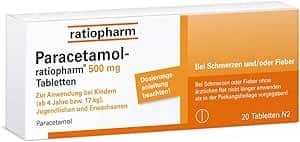
- Ibuprofen and paracetamol
- Antihistamine
- Loperamide (Imodium) for diarrhea
- ORS sachets
Total cost: 150-250 euros Advantage: Every item is the best version of that component. Nothing is filler. Disadvantage: Requires research and assembly effort.
Rank 2: Ortovox First Aid Roll Doc Mid
Best for: Compact, organized emergency kit with quality components
What it includes: Well-organized case with trauma dressings, bandages, SAM splint, blister care, basic medications. Designed for alpine and outdoor use — where emergency services may be genuinely delayed.
What it lacks: No tourniquet, no hemostatic gauze, no medications.
Price: ~80-100 euros
Verdict: The best commercially available all-in-one kit for outdoor and emergency use. Add a tourniquet and hemostatic gauze to complete it.
Rank 3: Leina-Werke REF 10020 (Extended DIN Kit)
Best for: Budget-conscious general household kit
The upgrade from standard DIN: Includes more bandages, larger sterile wound dressings, and a better organization system than the minimum-spec car kit.
What it lacks: No tourniquet, no hemostatic agents, no burns treatment, no medications.
Price: ~25-40 euros
Verdict: Adequate starting point for general household use. Not sufficient as a crisis preparedness kit without significant additions.
Rank 4: Standard DIN 13164 Car Kit
Best for: Legal road requirement; secondary kit
Verdict: The legal minimum. Do not use this as your primary emergency preparedness kit. Keep it in the car, buy something more capable for home.
The Critical Items Most Kits Miss
Tourniquet (CAT or equivalent)
Why it matters: Severe limb bleeding (power tools, vehicle accidents, serious trauma) can be fatal in 2-3 minutes. A tourniquet is the only effective treatment.
Available in Germany: CAT (Combat Application Tourniquet) is legal for civilian purchase. Several German suppliers carry them (~30-45 euros). Budget alternatives exist but vary in quality.
Training note: A tourniquet is extremely simple to apply — simpler than most first aid skills. The application is one-handed and takes under 30 seconds.
Hemostatic Gauze
Why it matters: Wounds in areas where a tourniquet cannot be applied (neck, groin, armpit) require hemostatic (blood-clotting) gauze packed into the wound to control serious bleeding.
Available in Germany: QuikClot, Celox, and Hemcon products are available online and in some pharmacies. 20-30 euros per pack.
Wound Irrigation Syringe
Why it matters: Proper wound irrigation (flushing with clean water under pressure) is the most important factor in preventing wound infection — more important than the dressing itself.
A dedicated wound syringe (~3 euros) delivers water at the correct pressure. Pouring water over a wound is insufficient.
What to Do With Your Kit
Owning a first aid kit is only part of the preparation. The other part: knowing how to use it.
Minimum training:
- German Red Cross DRK basic first aid course: 4-8 hours, available across Germany, ~35 euros
- Covers: CPR, bleeding control, burns, fractures, medical emergencies
Recommended additional training:
- Advanced bleeding control course (tourniquet application, wound packing): increasingly available in Germany through private first aid providers
- Wilderness First Aid course: covers scenarios where emergency services are delayed
Practice regularly: An expired or poorly organized first aid kit is found at the worst time. Inventory your kit annually. Replace expired items. Practice the techniques you have learned.
Conclusion
The first aid kit you need for crisis preparedness is not the one you already have. The starting point: Ortovox Roll Doc Mid (~80 euros) plus a tourniquet and hemostatic gauze. The gold standard: a custom-assembled IFAK plus household medical additions. Both options require a basic first aid course to be effective. The kit without the training is hardware without software.
Recommended Products
As an Amazon Associate we earn from qualifying purchases. Buying through our links supports the development of this app at no extra cost to you.