 Foto: Tara Winstead / Pexels
72 Hours Without Emergency Room Access: A Realistic Scenario
What happens when you need medical help but cannot reach the emergency room for 72 hours? A realistic scenario covering injury management, decision-making, and when to push through.
Scenario: A Medical Emergency, No Emergency Services Available
It is Saturday evening. A winter storm has shut down roads. Power is out. Your mobile signal is spotty. Your spouse slips and falls — a significant gash on the forearm, possibly a broken wrist, and moderate pain.
The nearest hospital is 30 minutes by car on a normal day. Tonight, the road is impassable.
Emergency services are not available for at least 12 hours, possibly 72 hours.
What do you do?
The Decision Framework
Before panic: systematically assess severity.
Is This Life-Threatening?
Life-threatening emergencies require pushing through to emergency services regardless of conditions:
- Suspected heart attack or stroke
- Severe breathing difficulty
- Bleeding that cannot be controlled
- Loss of consciousness
- Suspected spinal injury after a fall
For these: call 112 anyway. Emergency services will route helicopters, snow vehicles, or whatever is available. You get through to them.
For everything else: a 72-hour self-management window is manageable with the right equipment and knowledge.
In our scenario: A gash and possible wrist fracture are serious but not immediately life-threatening. This is a self-management scenario.
Hour 0-2: Stabilize
Managing the Wound
Step 1: Stop the bleeding
Apply direct pressure with a clean cloth or gauze. Hold firmly for 5-10 minutes without peeking. Most bleeding stops in this window.
If bleeding is severe (spurting, does not slow with pressure): apply a tourniquet if on a limb. If the wound is on the arm and bleeding is serious, a tourniquet above the elbow effectively stops the flow.
Step 2: Assess the wound
After bleeding is controlled:
- How deep? A surface laceration (skin only) vs. a wound that goes through muscle or exposes tendon requires different management.
- How long? Wounds over 2cm that gape open benefit from closure (steri-strips or butterfly strips).
- Any foreign material (glass, gravel)? Irrigate with water under pressure before closing.
Step 3: Clean the wound
Wound irrigation is the most important infection-prevention step. Use a syringe or squeeze bottle to flush the wound with clean (boiled or filtered) water. The pressure matters — gentle pouring is insufficient.
Step 4: Close if appropriate
For a wound that gapes open:
- Steri-strips or butterfly closures: press the wound edges together, then apply strips perpendicular to the wound
- Do not close heavily contaminated wounds (risk of sealing infection in)
- Do not close animal bites or puncture wounds
Step 5: Dress
Apply a non-adherent dressing (Telfa) directly over the wound, then secure with gauze and tape. Change the dressing daily.
Managing the Possible Wrist Fracture
Signs suggesting fracture (not definitive, but indicative):
- Significant pain at rest and with any movement
- Swelling and bruising developing within 1-2 hours
- Deformity (visible misalignment)
- Inability to bear weight on the hand
Immediate management:
- Immobilize with a SAM splint or improvised splint (folded magazines, padded sticks)
- Elevate the hand (reduces swelling)
- Ice or cold pack wrapped in cloth (15-20 minutes on, 15-20 minutes off) for the first 24-48 hours
- Ibuprofen for pain and anti-inflammatory effect (if not contraindicated)
Important: A displaced or open fracture (bone visible or clearly deformed) requires immediate emergency services contact regardless of conditions.
Hour 2-24: Monitoring and Management
The Wound Watch
After initial management, monitor the wound every 12 hours for signs of infection:
- Increasing redness, especially red streaks extending from the wound (serious)
- Increasing warmth and swelling
- Pus or cloudy discharge
- Increasing rather than decreasing pain after 24 hours
- Fever
Early infection signs (24-48 hours) can often be managed with wound re-cleaning. Spreading infection signs (red streaks, high fever) require antibiotics — which means pushing to medical care regardless of conditions.
Pain Management
Alternate ibuprofen and paracetamol every 3-4 hours for moderate pain control:
- Ibuprofen: 400-600mg every 6-8 hours (with food)
- Paracetamol: 500-1000mg every 4-6 hours
Do not exceed maximum daily doses (ibuprofen: 2400mg; paracetamol: 4000mg or 3000mg for elderly).
Hydration and Nutrition
An injured person needs more hydration than normal. Encourage drinking. Protein supports healing — prioritize protein-containing foods.
Hour 24-72: Extended Management
Wound Day 2-3
- Continue daily dressing changes
- Assess healing: a clean wound shows pink tissue, minimal swelling, and decreasing pain
- Steri-strips can be left in place for 5-7 days then removed
Fracture Day 2-3
- Swelling should be decreasing with elevation and ice
- A proper cast cannot be applied without medical equipment, but continued immobilization is essential
- Arrange transport to medical care as soon as roads clear — definitive fracture management (X-ray, casting) is needed within a few days
What to Watch For That Changes the Plan
These findings require moving to emergency services regardless of conditions:
Wound:
- Red streaks extending from the wound (lymphangitis — spreading bacterial infection)
- Wound that "opens up" with tissue visible beneath
- High fever (>38.5°C) with wound pain
Fracture:
- Numbness or tingling below the fracture (nerve involvement)
- Cold or discolored hand below the fracture (vascular compromise)
- Compartment syndrome signs: extreme pain with passive stretching, firm tight swelling, loss of sensation
When to Override Weather and Get to Emergency Services
This decision requires judgment, but the following conditions override the 72-hour self-management plan:
- Arterial bleeding that cannot be controlled with tourniquet
- Suspected spine injury
- Unconsciousness or rapidly declining consciousness
- Breathing difficulty or chest pain
- Red streaks from a wound (spreading infection requires IV antibiotics)
- Signs of compartment syndrome
- Open fracture (bone visible)
For these: call 112, explain the situation and conditions. Emergency services have options (helicopter, snow vehicles) for genuine emergencies.
The Preparation That Made This Manageable
In our scenario, the difference between a panicked household and a managed one came down to:
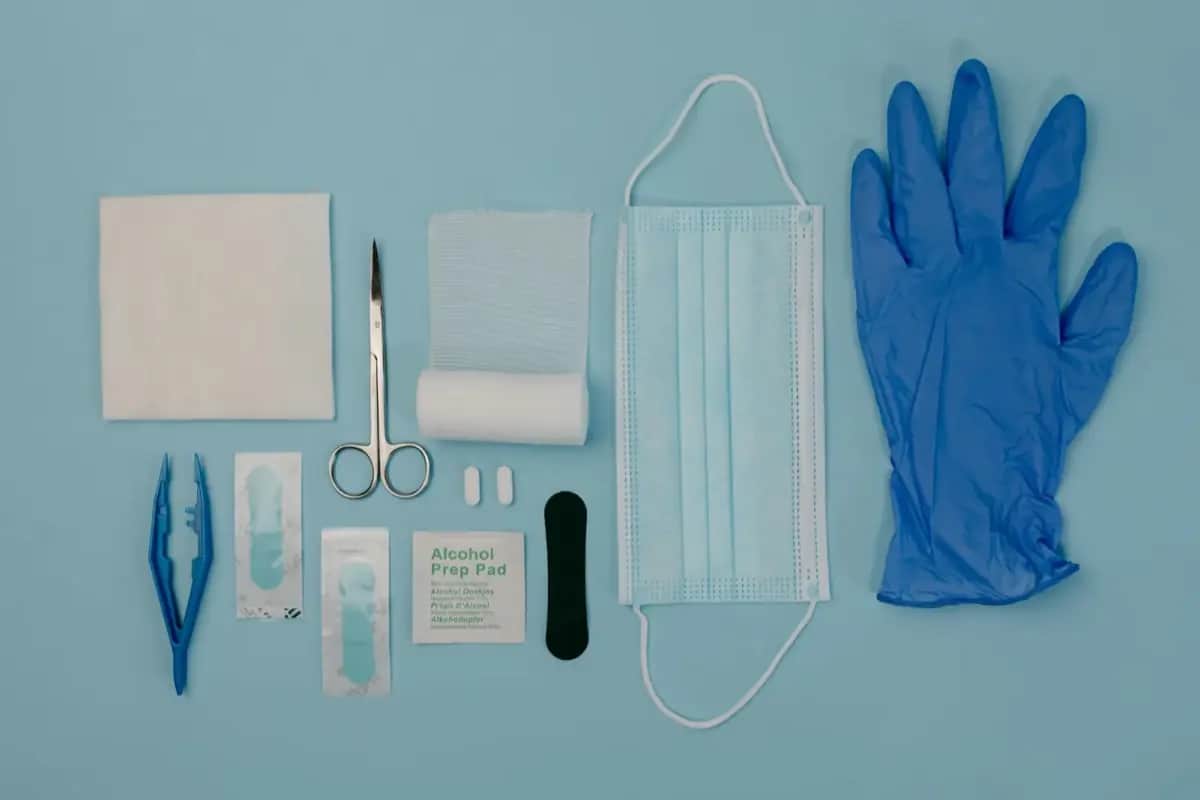
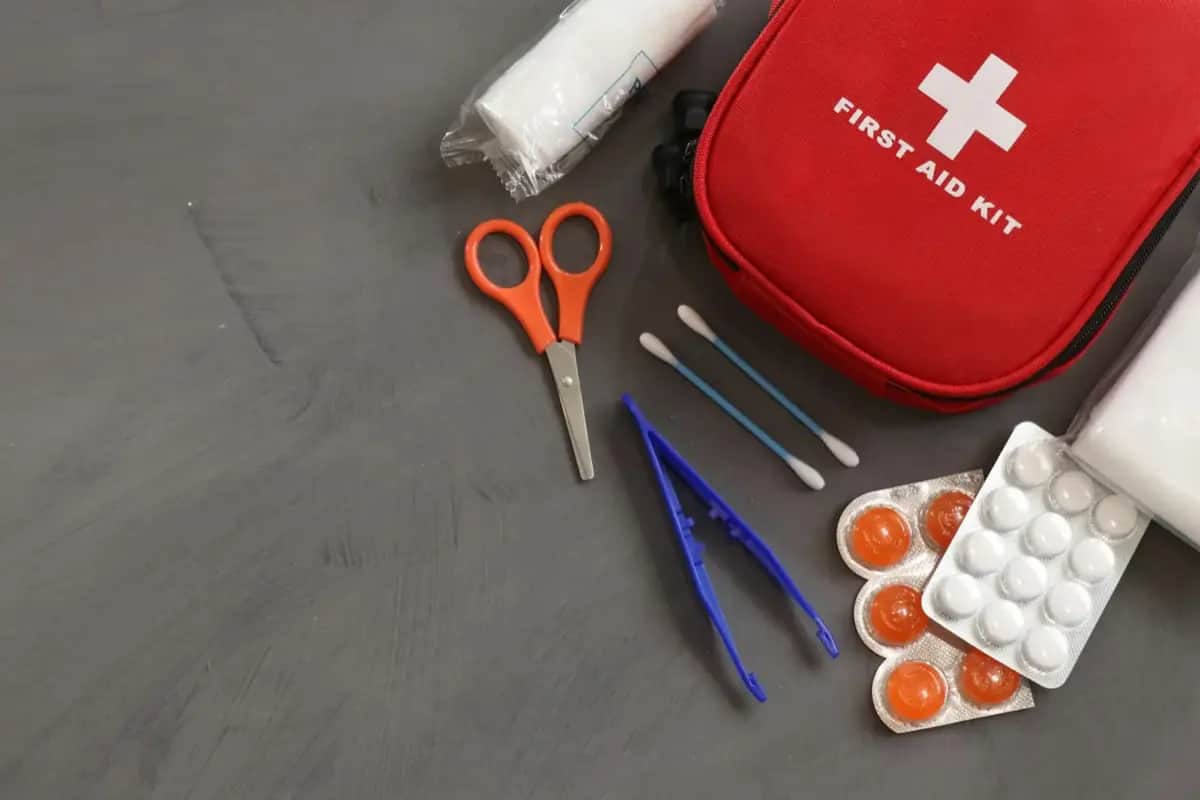
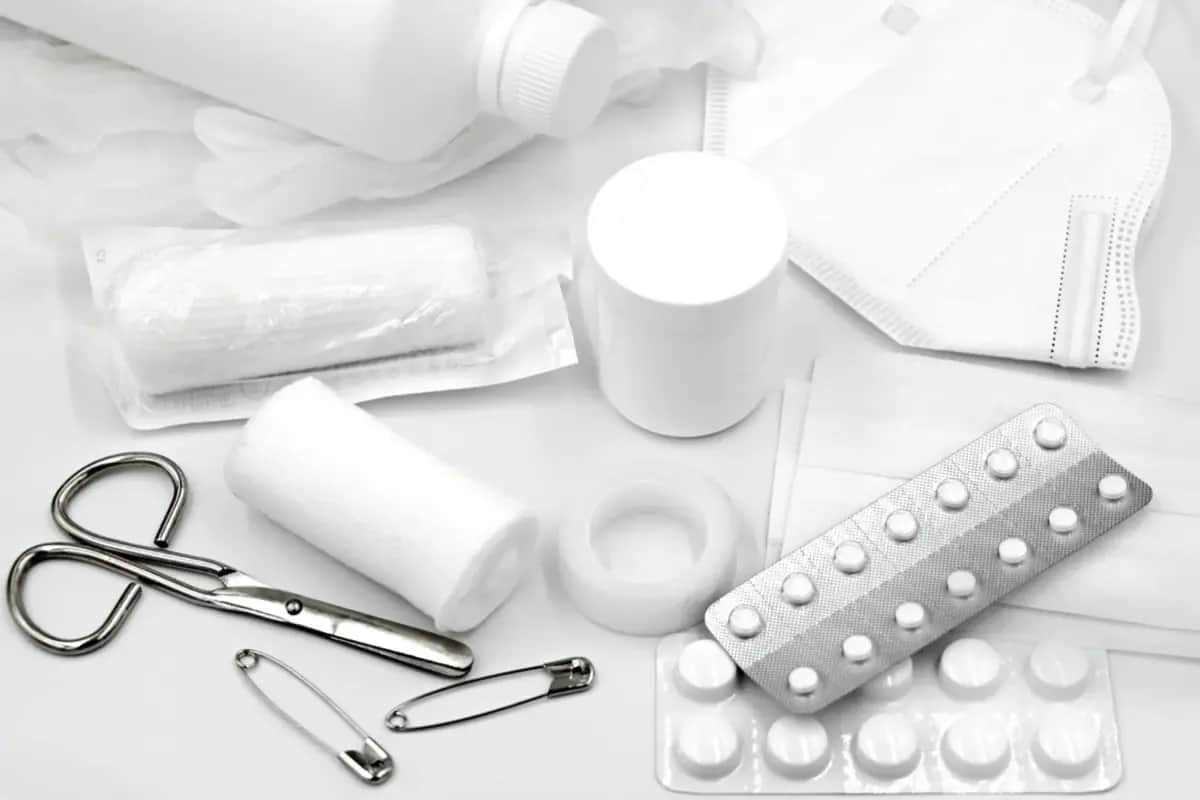
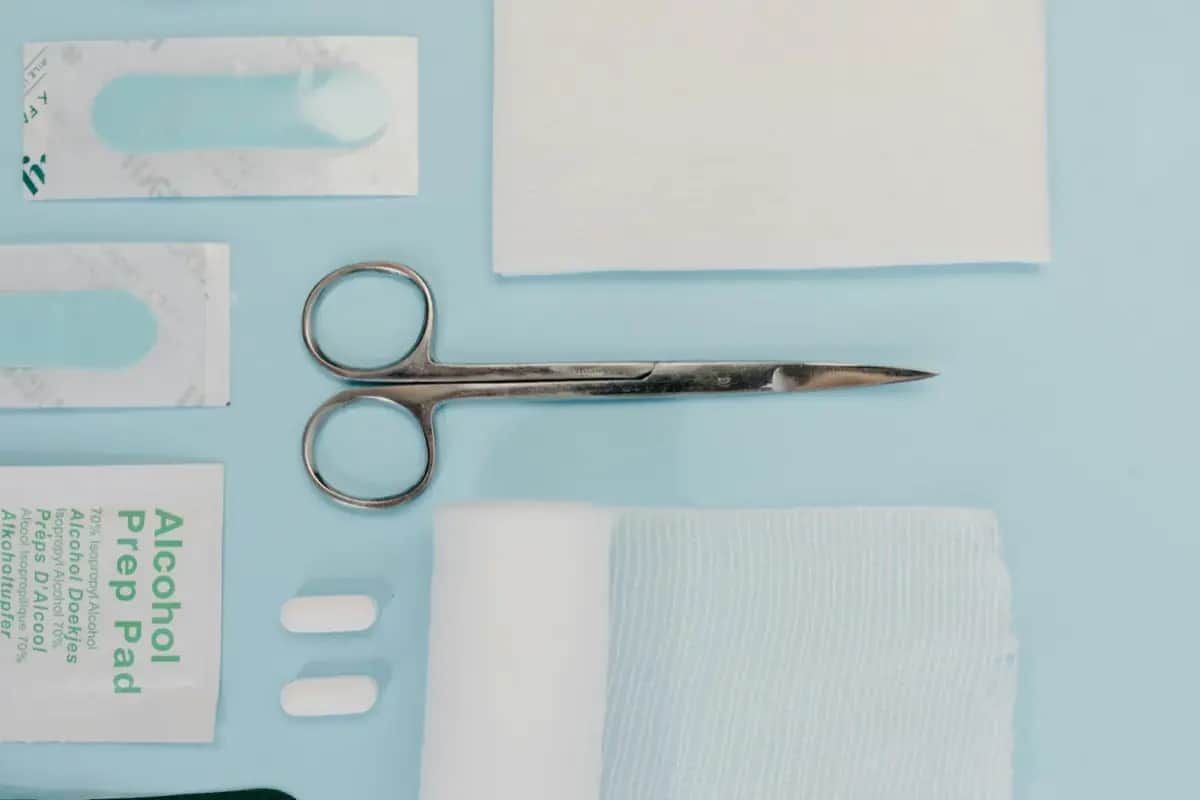
- First aid kit with wound care components: Steri-strips, non-adherent dressings, wound irrigation syringe, gauze (20-30 euros)
- Tourniquet: In case the bleeding had been more severe (35-45 euros)
- SAM splint: For fracture immobilization (5-8 euros)
- Pain medication: Ibuprofen and paracetamol in supply (5-10 euros)
- First aid knowledge: A basic first aid course covering wound management and fracture splinting
Total cost of decisive preparation: Under 100 euros.
Conclusion
72 hours without emergency room access is a real scenario — winter storms, flooding, earthquake damage, or disaster scenarios can make roads impassable for days. The ability to manage a serious but non-life-threatening injury in this window requires supplies, knowledge, and calm decision-making. None of this requires medical training — a first aid course and a well-stocked kit are sufficient for the most likely scenarios.
Recommended Products
As an Amazon Associate we earn from qualifying purchases. Buying through our links supports the development of this app at no extra cost to you.