 Foto: Stacey Koenitz / Pexels
11 Hygiene Tips for Emergencies: What Actually Makes a Difference
11 practical hygiene tips for crisis situations: from hand sanitization to toilet solutions, these are the measures that prevent illness when water and power are limited.
The 11 Hygiene Tips That Matter in a Crisis
When water is scarce and power is out, hygiene does not disappear — it just changes. These 11 tips focus on the measures with the highest impact for preventing illness and maintaining health in emergency conditions.
Tip 1: Hand Sanitizer Over Everything
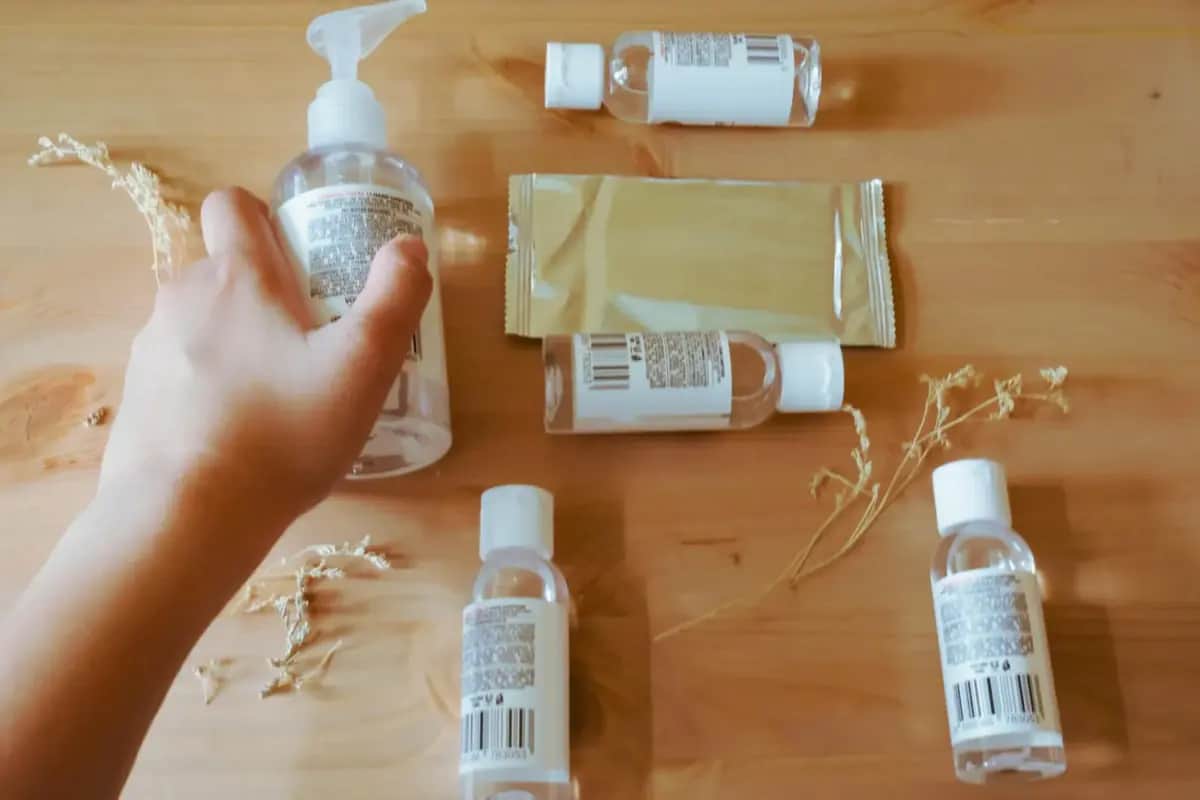
When water is limited, hand sanitizer (70%+ ethanol) is your most important hygiene tool. It kills 99.9% of bacteria and most viruses with 30 seconds of rubbing — no water, no rinsing.
Stock at least 500ml per person for a 2-week emergency. At typical use rates (10-15 sanitizations per day), this is sufficient.
Place it in these locations:
- Kitchen counter
- Bathroom/toilet area
- Next to where you prepare food
- At the entrance to your "clean zone"
Tip 2: Wet Wipes Replace Showering
Unscented, alcohol-free wet wipes clean skin effectively without water. For a full body wipe-down, use 5-8 wipes systematically:
- Face and neck
- Armpits
- Groin and intimate areas
- Hands and wrists
- Feet
This takes 5 minutes and dramatically reduces infection risk and discomfort. Stock 10+ packs for a 2-week supply.
Tip 3: Brush Teeth Dry
Toothbrushing requires no water. Apply a small amount of toothpaste to a dry brush, brush for 2 minutes, and spit. The plaque removal is essentially identical to the traditional rinse method.
Mouthwash (swish and spit without rinsing with water) is an effective complement.
Tip 4: The Bucket Flush
A toilet flush requires 6-9 liters of water in the tank. Without tap water, pour 10-15 liters directly into the toilet bowl from a bucket. The sudden volume creates enough pressure to trigger the siphon — a normal flush.
Use bathtub water, rainwater, or any non-potable water source for this. Protect your drinking water supply.
Tip 5: Soap Over Antibacterial Products
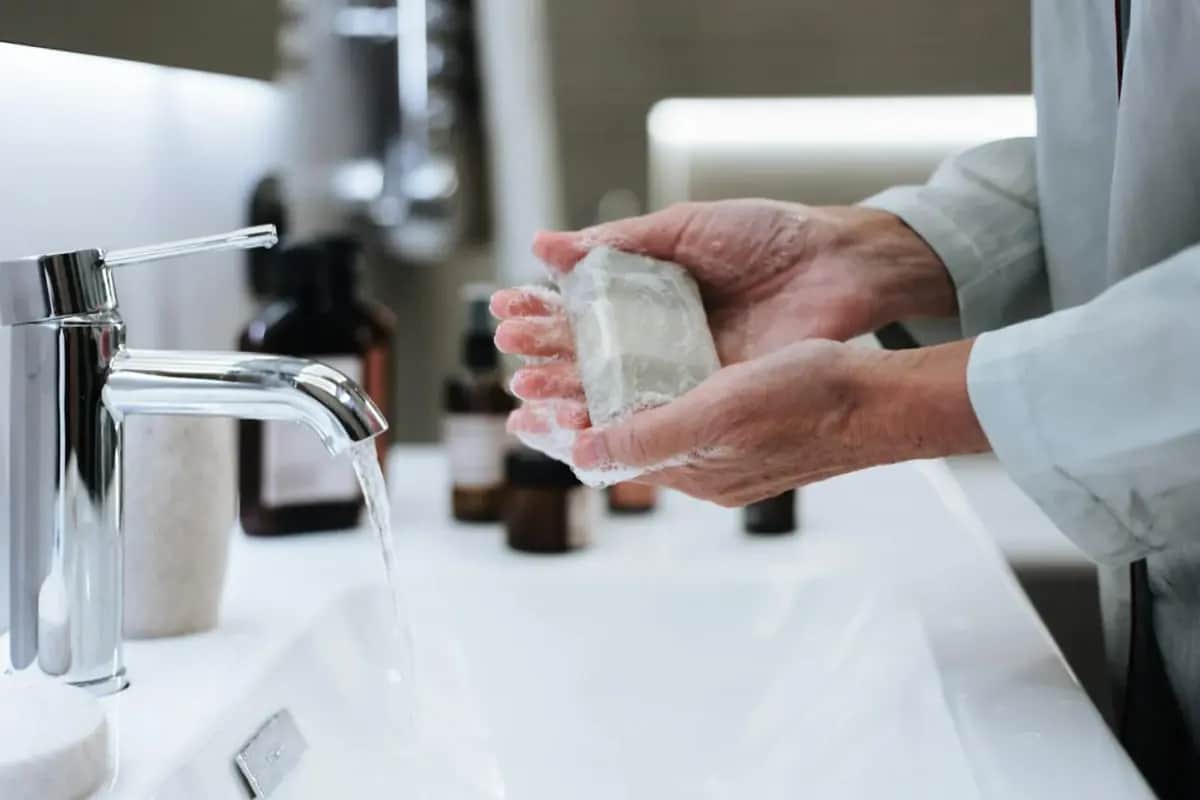
Unscented bar soap is one of the most effective and longest-lasting hygiene supplies available. A single bar soap lasts weeks and works without running water (lather on hands, minimal water to rinse).
Bar soap stores indefinitely in dry conditions. Stock several bars.
Tip 6: Wound Hygiene Is Non-Negotiable
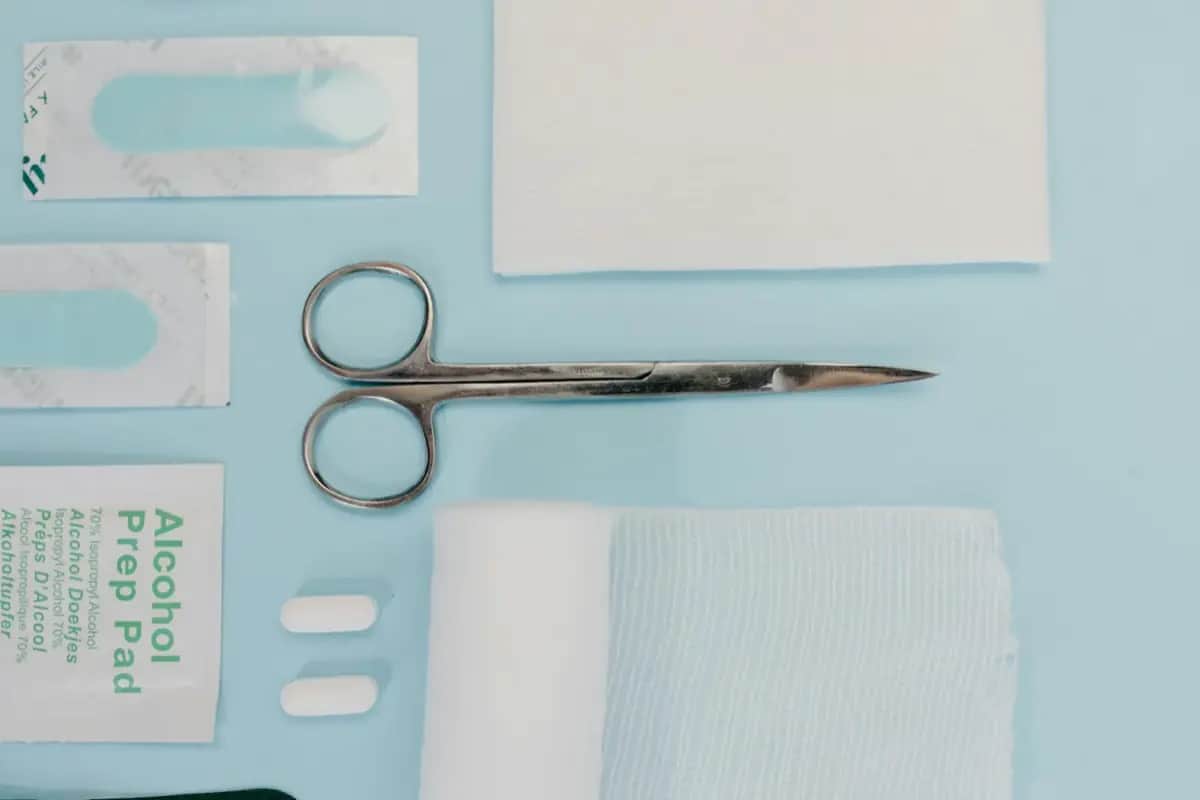
Without clean running water, wounds become infection risks faster than under normal conditions. Every cut, scrape, or blister needs:
- Immediate cleaning (boiled water or wound irrigation solution)
- Disinfection (iodine solution, chlorhexidine spray, or similar)
- Coverage with clean dressing
- Daily check for signs of infection (redness, swelling, warmth, discharge)
A small wound infection that would normally resolve on its own can become a serious problem without antibiotics in a prolonged emergency.
Tip 7: Disinfect High-Touch Surfaces Daily
Door handles, light switches, toilet flush handles, and kitchen counters accumulate pathogens quickly. A daily wipe-down with diluted household disinfectant (or diluted bleach: 1 tablespoon per liter of water) dramatically reduces transmission.
Concentrate on: toilet handle, kitchen counter, door handles, communal eating surfaces.
Tip 8: Separate Clean and Dirty Areas
Designate a "clean zone" for food preparation and eating, and a separate "contaminated zone" for waste handling and sanitation. Never let these areas intersect.
- Clean zone: kitchen counter, dining area
- Dirty zone: near toilet, waste bags, any area contaminated with body fluids
Tip 9: Manage Feminine Hygiene Proactively
Menstrual cups and menstrual discs are the best emergency solution for period management — they are reusable, generate no waste, and require only minimal water to clean between uses.
If not already using one, stock 2-3 weeks of disposable supplies in your emergency kit. Feminine hygiene is often overlooked in generic emergency planning.
Tip 10: Tooth Brush Hygiene
Your toothbrush can harbor bacteria if stored poorly. In normal conditions, airflow keeps it reasonably clean. In an emergency with more crowding and less routine:
- Rinse the brush with clean water or hand sanitizer after use
- Store vertically, not in a closed case
- Replace every 2-3 months regardless — pack spare brushes
Tip 11: Hygiene Routine Creates Psychological Stability
Beyond physical health, a hygiene routine has significant psychological value. People who maintain structured hygiene routines in crisis situations report lower stress levels and better morale.
A simple 10-minute morning routine — sanitize hands, brush teeth, wipe face and body — signals to your brain that normalcy is preserved. This is not a luxury; it is a resilience strategy.
Build the routine:
- Wake up
- Hand sanitizer
- Dry toothbrushing
- Face and body wipe-down
- Fresh clothing if possible
Five minutes. Done. Your hygiene obligations for the morning are complete, and you can focus on everything else the crisis demands.
The Minimum Supply That Makes These 11 Tips Possible
| Item | Quantity | Cost |
|---|---|---|
| Hand sanitizer 500ml | 2 bottles | 10 € |
| Wet wipes (unscented) | 10 packs | 20 € |
| Bar soap | 4 bars | 5 € |
| Household disinfectant | 1 liter | 8 € |
| Wound disinfectant (iodine) | 1 bottle | 5 € |
| Sterile wound dressings | 1 pack | 8 € |
| Toilet paper | 40 rolls | 15 € |
Total: approximately 71 euros — the foundation of 2-week hygiene for 2 people.
Conclusion
Eleven tips, eleven specific actions. Each one is simple and inexpensive. Together, they prevent the hygiene-related illness cascade that transforms a manageable emergency into a serious health crisis. Start with Tip 1 — buy a bottle of hand sanitizer today. Then work through the list.