 Photo: Unsplash
Hygiene Emergency Checklist: What You Need for 2 Weeks Without Running Water
Complete hygiene checklist for crisis preparedness: personal care, sanitation, wound care, and water purification for 2 weeks without utilities.
Why Hygiene is a Critical Emergency Preparedness Category
During emergencies, hygiene is the category most people underestimate — until they need it. Poor hygiene during a crisis leads to skin infections, wound infections, gastrointestinal illness, and in prolonged scenarios, serious communicable diseases.
The Red Cross and FEMA both identify hygiene as a fundamental component of emergency preparedness, alongside food and water. Yet most emergency kits focus almost entirely on food and water.
This checklist ensures you're prepared for 2 weeks without running water or electricity.
Section 1: Personal Hygiene Without Running Water
Waterless Cleaning
- Wet wipes: minimum 200 per person (10 wipes/person/day × 14 days = 140, plus reserve)
- Baby wipes (pH-balanced): good alternative, gentler on skin
- Dry shampoo: 2-3 bottles per person
- Baking soda (dry shampoo alternative)
Calculation tip: 10 wet wipes per person per day is the minimum for full-body cleaning without running water. Store more if possible.
Hand and Body Sanitization
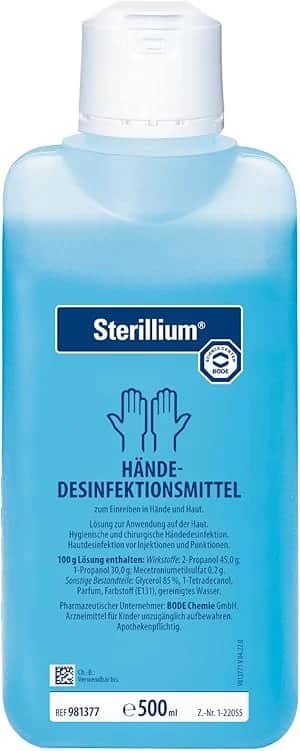
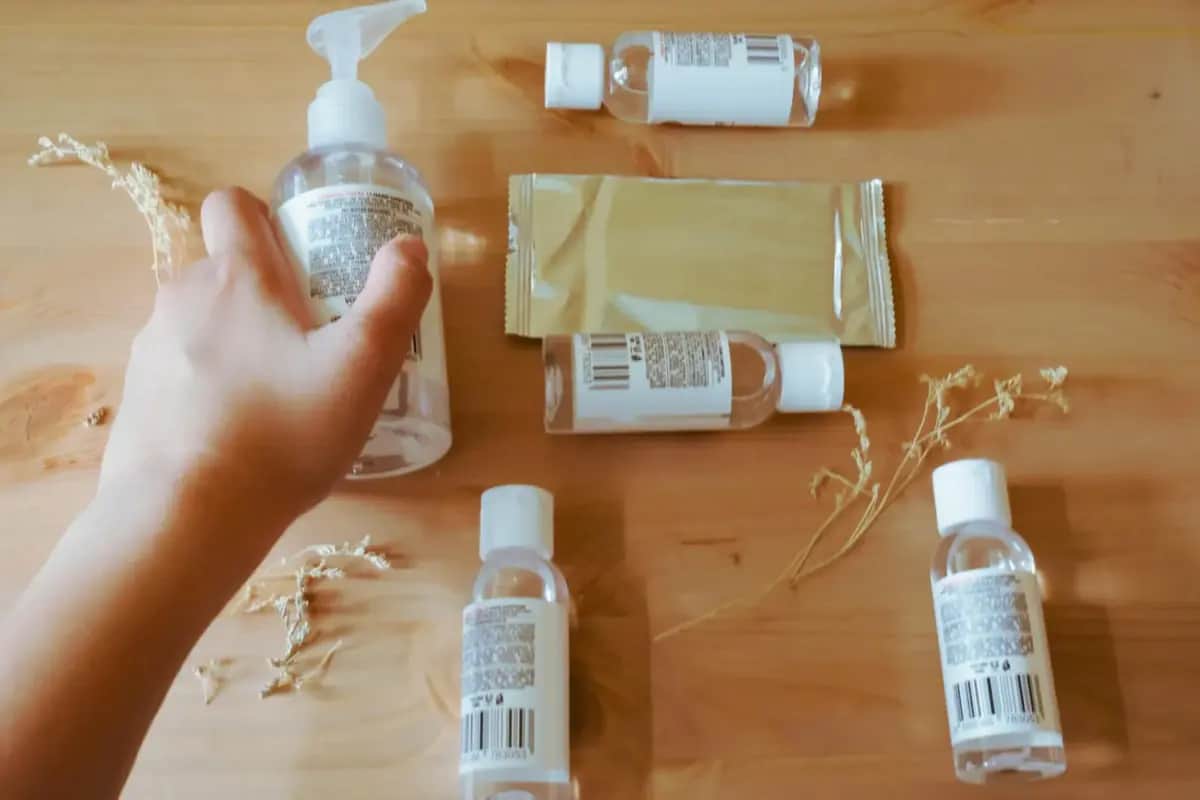
- Hand sanitizer: 500 ml per person (minimum 70% ethanol or isopropanol)
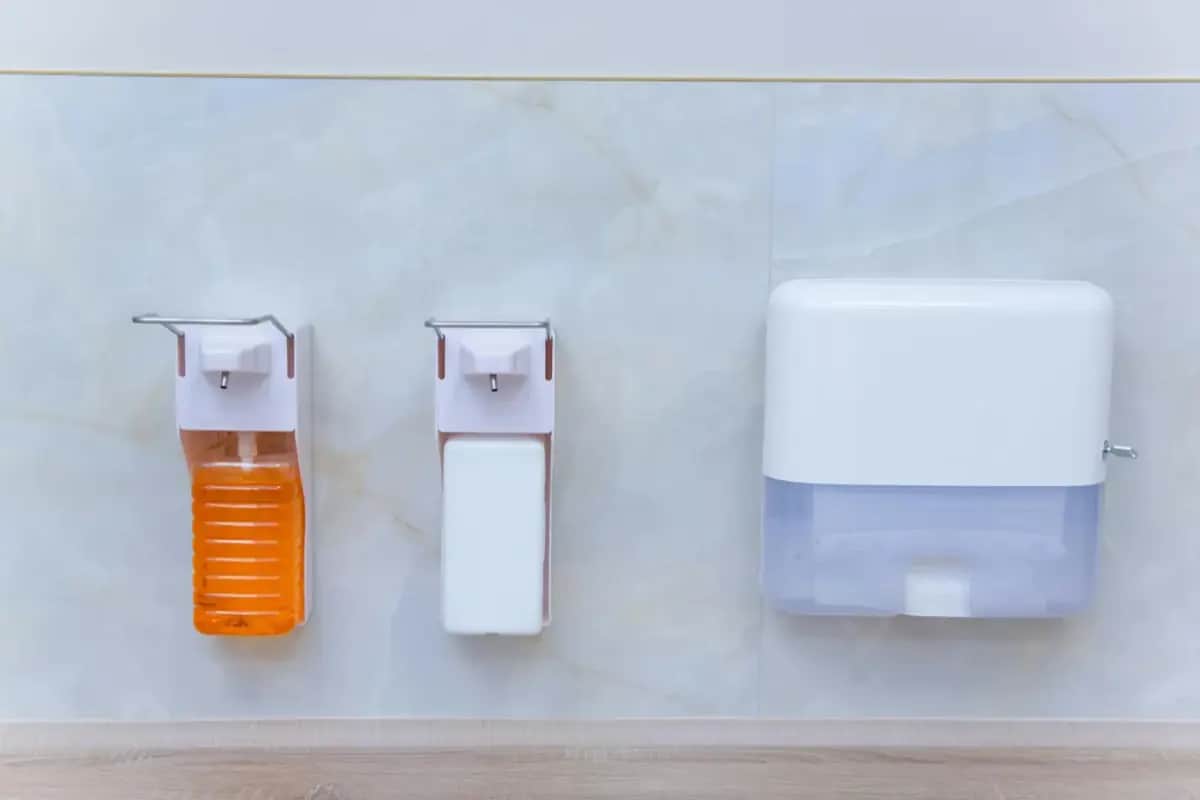
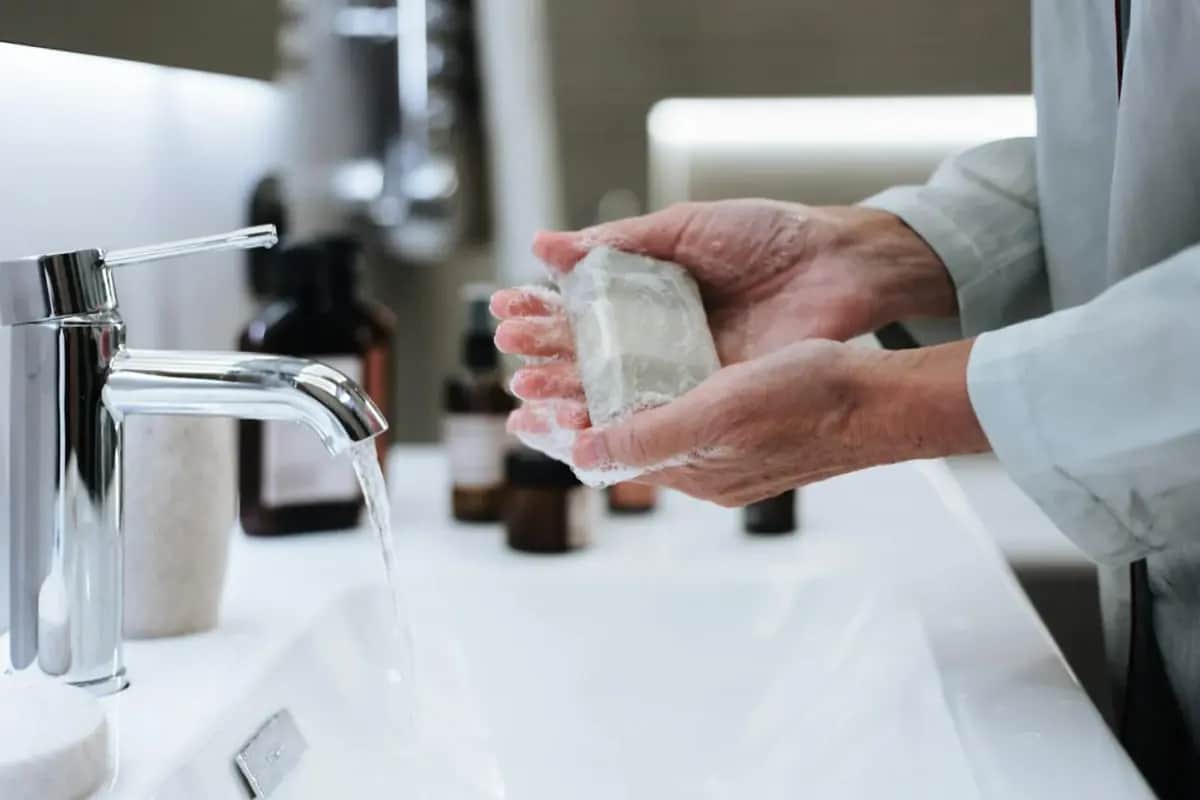
- Bar soap: 2-3 bars per person (bar soap preferred — no pump, longer lasting)
- Antibacterial hand soap as alternative when minimal water is available
Dental Hygiene
- Toothbrush: 1 per person + 1 backup
- Toothpaste: 2 tubes per person
- Dental floss: 1 roll per person (critical for infection prevention)
- Sugar-free gum (alternative when brushing is impossible)
Deodorant and Skin Care
- Deodorant: 2 per person
- Moisturizer (skin can dry quickly with reduced washing)
- Lip balm
Section 2: Sanitation (Emergency Toilet)
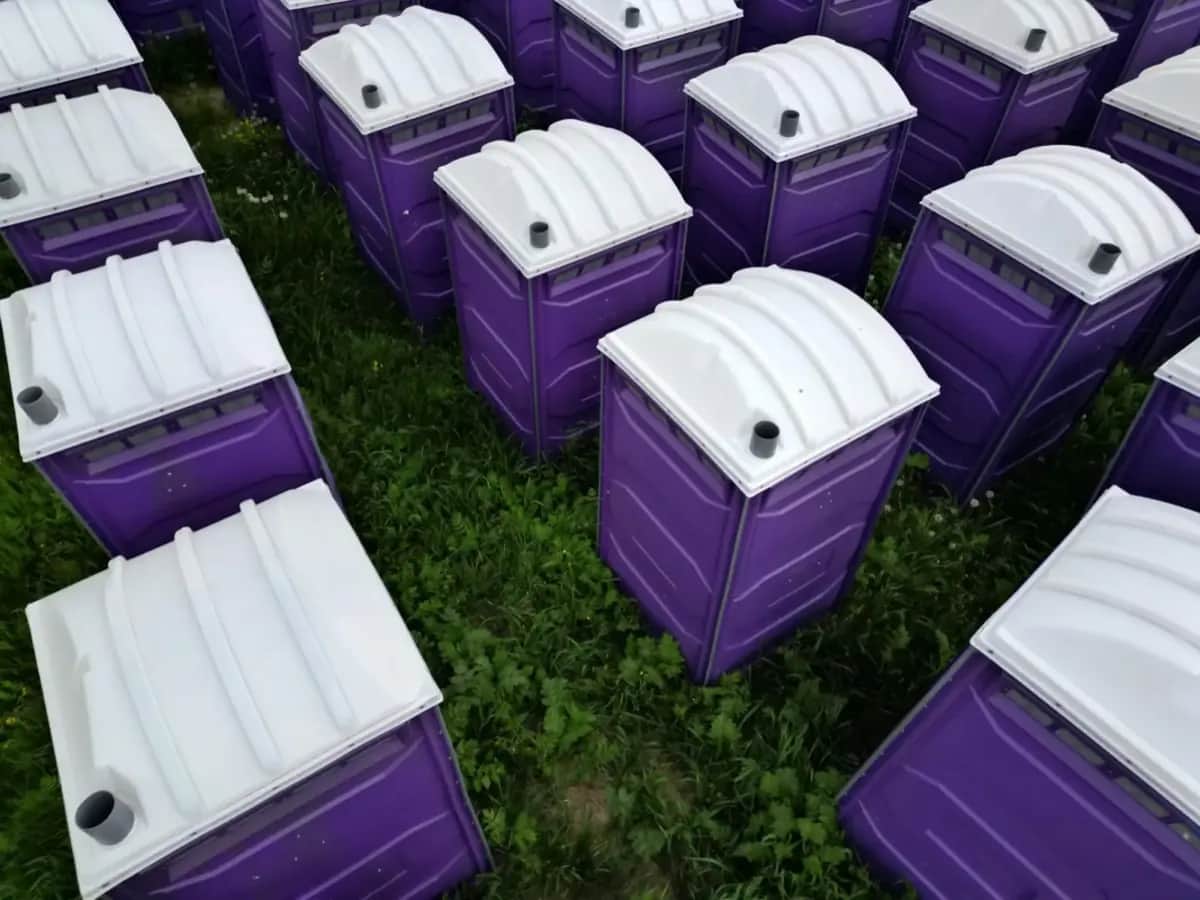
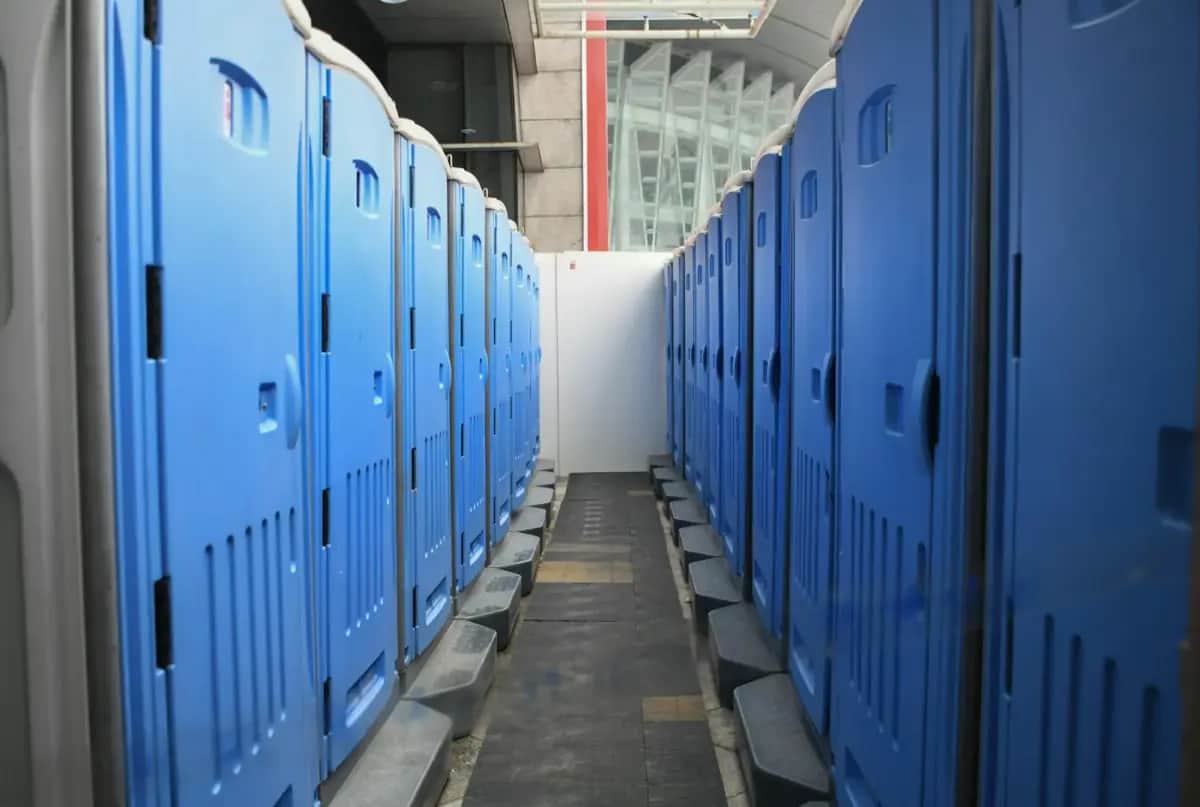
When municipal sewage may be compromised or unavailable:
- Emergency toilet bucket with lid (5-10 liter, sturdy)
- Hygiene bags: 14+ bags per person (special disposal bags with gelling agent)
- Large heavy-duty garbage bags (60-120L): 20 per household
- Toilet paper: 4 rolls per person minimum
- Liquid sanitation tablets (sodium hypochlorite) for waste decontamination
- Portable camp toilet (optional upgrade from bucket — more comfortable)
Important: Do NOT use standard flush toilets if water supply is compromised — backflow can contaminate your water supply. Use the emergency toilet system instead.
Feminine Hygiene
- Menstrual products: 2-cycle supply (pads, tampons, or combination)
- Menstrual cup (sustainable option — no disposables needed)
- Disposal bags for used products
Section 3: Wound Care and Medical Hygiene
Essential Wound Care
- Adhesive bandages: 50+ assorted sizes
- Sterile non-stick wound pads: 5x5 cm (10 pieces) and 10x10 cm (10 pieces)
- Elastic bandage (Ace bandage): 2-3 rolls
- Pressure bandage: 2 pieces
- Medical adhesive tape (Micropore/surgical tape): 1 roll
- Wound closure strips (Steri-strips): 1 pack
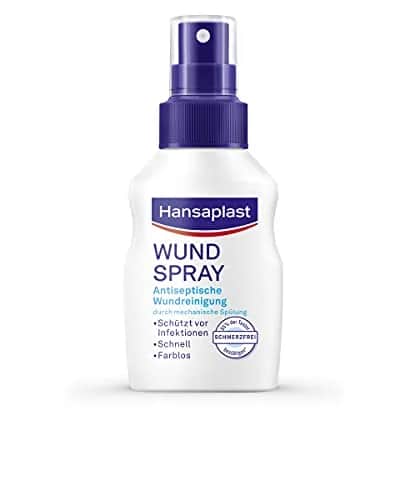
- Wound disinfection spray (Octenisept or betadine): 1 bottle
- Isopropanol 70%: 250 ml (instrument and surface disinfection)
- Sterile saline solution (0.9% NaCl): 10+ pouches (wound irrigation)
- Disposable gloves: 20+ pairs (wear ALWAYS when treating wounds)
Infection Prevention Tools
- Tweezers (sterilizable)
- Blunt-tip scissors
- Digital thermometer with batteries
- FFP2 masks: 10+ per person (for wound care, and reducing infection spread)
Critical rule: Use sterile saline solution or freshly boiled and cooled water for wound irrigation — never tap water directly on open wounds.
Section 4: Water for Hygiene Purposes
Hygiene water doesn't need to be drinking water quality, but should be disinfected:
- Water purification tablets (chlorine or iodine): 50 tablets
- Small water filter (LifeStraw or Sawyer) for portable hygiene water
- Cooking pot for boiling water (if needed for wound care)
Daily water budget for hygiene:
- Hand washing: 1 liter/person/day
- Sponge bath: 2-3 liters/person/every 2-3 days
- Wound care: as needed with sterile saline
- Dishes/cooking: 1-2 liters/person/day
Total hygiene water: Approximately 2-3 liters per person per day.
Section 5: Disease Prevention
Kitchen Hygiene
- Dish soap: 2 bottles
- Surface disinfectant spray: 2 bottles
- Disposable gloves for food preparation
- Food thermometer (cook meat to 70°C minimum)
- Separate cutting boards for meat and other foods
Pest and Vector Control
During emergencies, pest activity often increases:
- Insect repellent: 2 bottles (DEET-based or permethrin-based)
- Mosquito net (if relevant in your region)
- Rodent traps (mechanical preferred over poison)
Section 6: Storage and Organization
Hygiene Supply Storage
- Hygiene box 1 — Personal Care: wet wipes, soap, dry shampoo, dental, deodorant
- Hygiene box 2 — Sanitation: hygiene bags, TP, sanitation tablets
- Hygiene box 3 — First Aid: bandages, disinfectants, wound care supplies
- Hygiene box 4 — Water Treatment: purification tablets, filter
Shelf life notes:
- Alcohol sanitizers: 2-3 years after opening (effectiveness decreases)
- Wet wipes: 2-3 year shelf life (check dates when purchasing)
- First aid supplies: check each item; bandages typically 3-5 years
- Antiseptic sprays: 2-3 years typically
Rotation Schedule
- Calendar reminder set for 6-month rotation check
- Oldest items moved to front, new items placed at back
- Expiration dates checked and noted on boxes
Priority Items: If Space is Limited
If you can only store a limited supply, prioritize in this order:
- Hand sanitizer (500 ml per person) — critical infection prevention
- Wet wipes (200+ per person) — full-body cleaning without water
- Wound disinfection spray and basic bandages — injury management
- Disposable gloves (20+ pairs) — infection protection for caregiving
- Toilet paper (4 rolls per person) and waste disposal bags (14+)
- Bar soap and dental supplies
With just these items, you can maintain basic hygiene standards for 2 weeks. The complete list above provides comfort and protection against more scenarios.
Hygiene preparedness is often skipped because it feels less urgent than food or water. In practice, it becomes urgently relevant within the first 24 hours of any significant emergency — and proper preparation makes those difficult days significantly more manageable.
Recommended Products
As an Amazon Associate we earn from qualifying purchases. Buying through our links supports the development of this app at no extra cost to you.