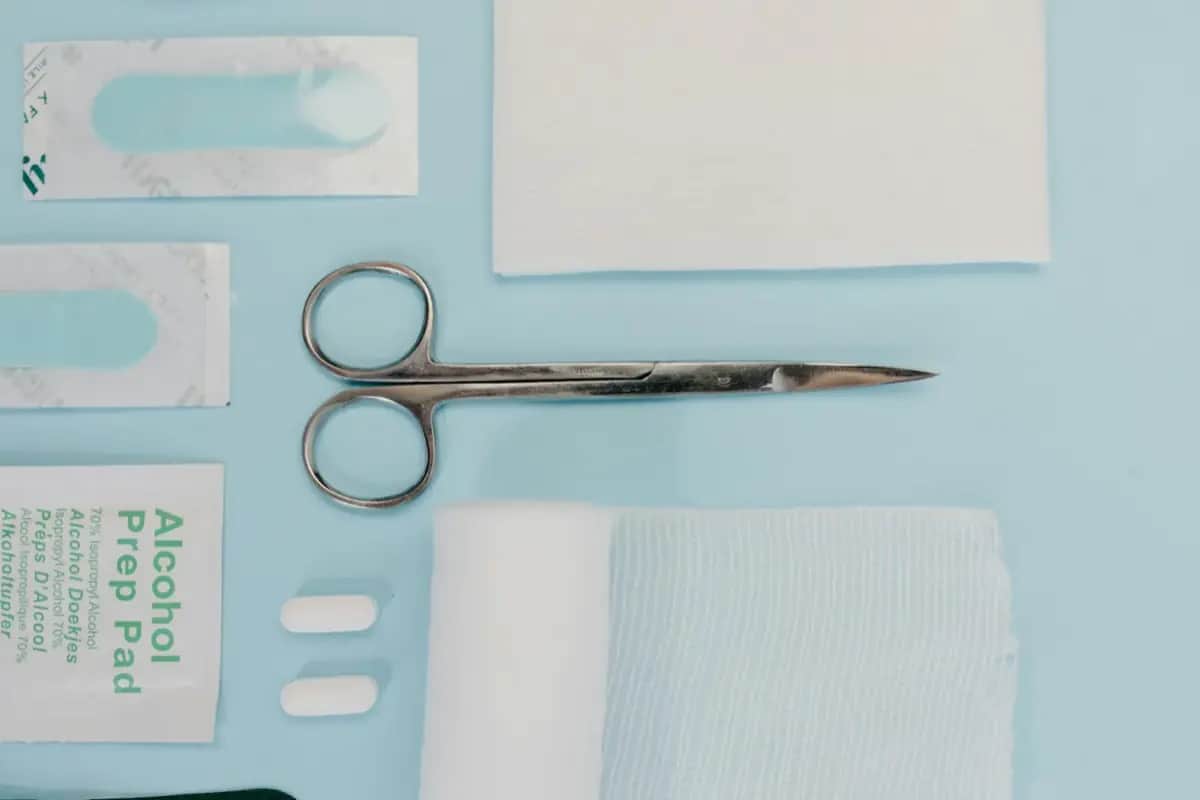
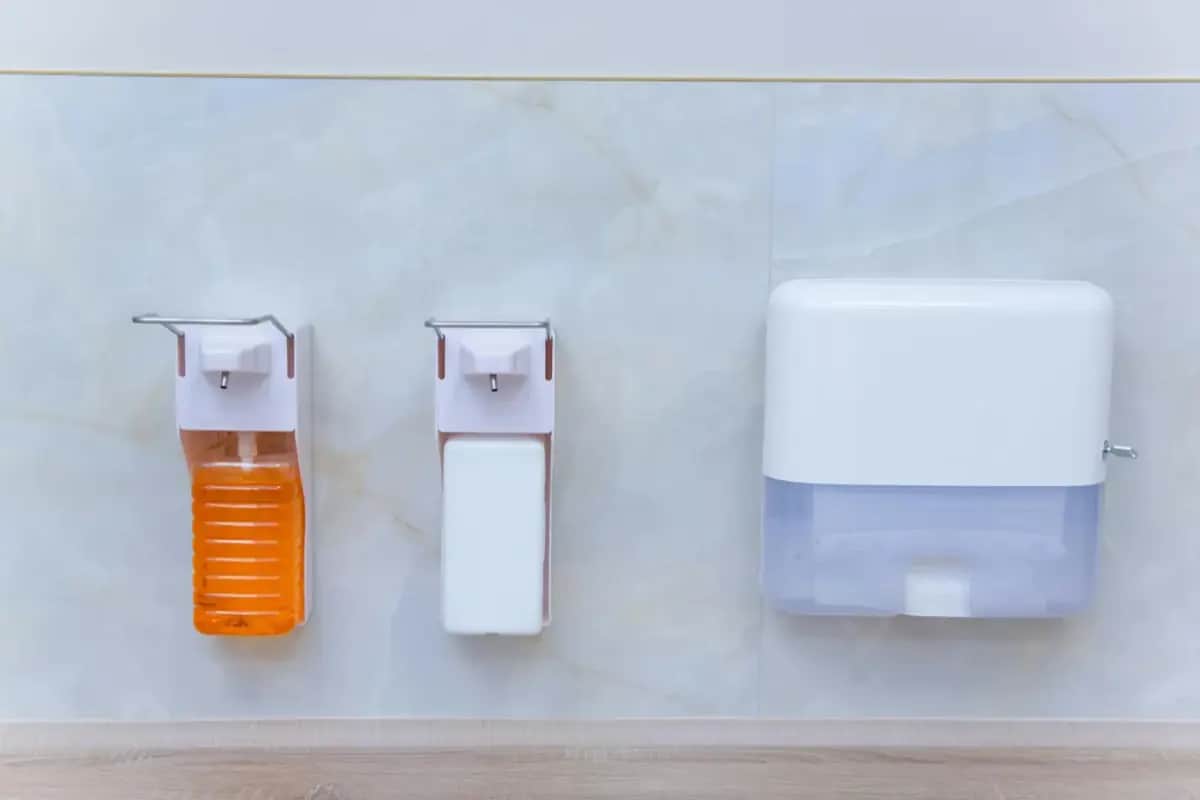
 Foto: Ivan Babydov / Pexels
Water Supply Failed: How to Live Hygienically for 2 Weeks
Scenario: water supply failed for 2 weeks. How to stay hygienic, prevent disease, and manage daily life with limited water — a day-by-day guide.
Scenario: Thursday, 8:00 AM. No Water From the Tap.
A main pipe failure in the distribution network. The municipality estimates repairs will take 10-14 days. Water tanker trucks will distribute drinking water — but where and when is still unclear.
Two weeks without tap water. How do you live hygienically?
Day 1-2: Immediate Actions
Take Stock First
Before panic-buying or making any decisions:
- How much water do you have in the house? (bottles, jugs, kettle contents, filled pots, bathtub?)
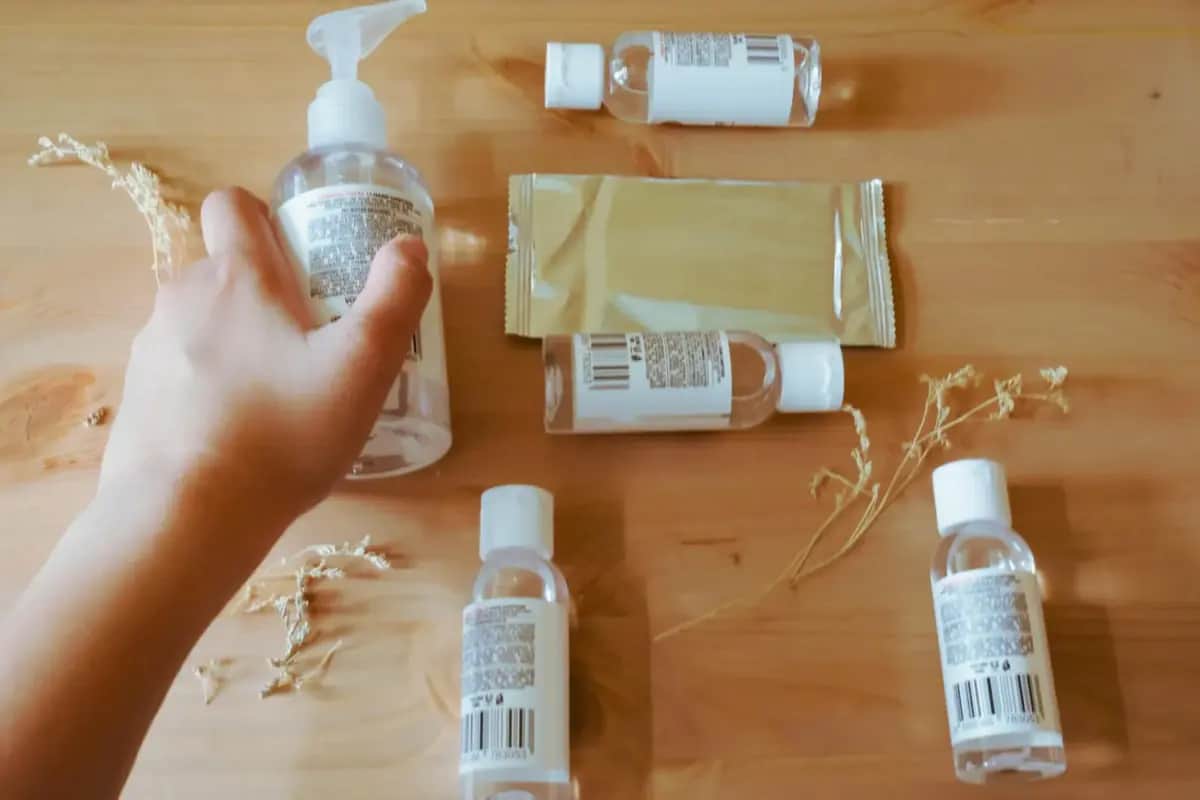
- What hygiene materials do you have? (wet wipes, hand sanitizer, soap?)
- What is your toilet alternative? (bathtub water for flushing?)
Immediately: Fill the Bathtub
If you receive any advance warning of the outage: Fill the bathtub immediately — 150-200 liters for hygiene and emergency cooking use.
This water does not need to be used for drinking — use it for toilet flushing, mopping, and sponge baths. This preserves your clean drinking water reserve.
Water Priority Hierarchy
With limited water, strict prioritization applies:
- Drinking water (2 liters/person/day — absolute minimum)
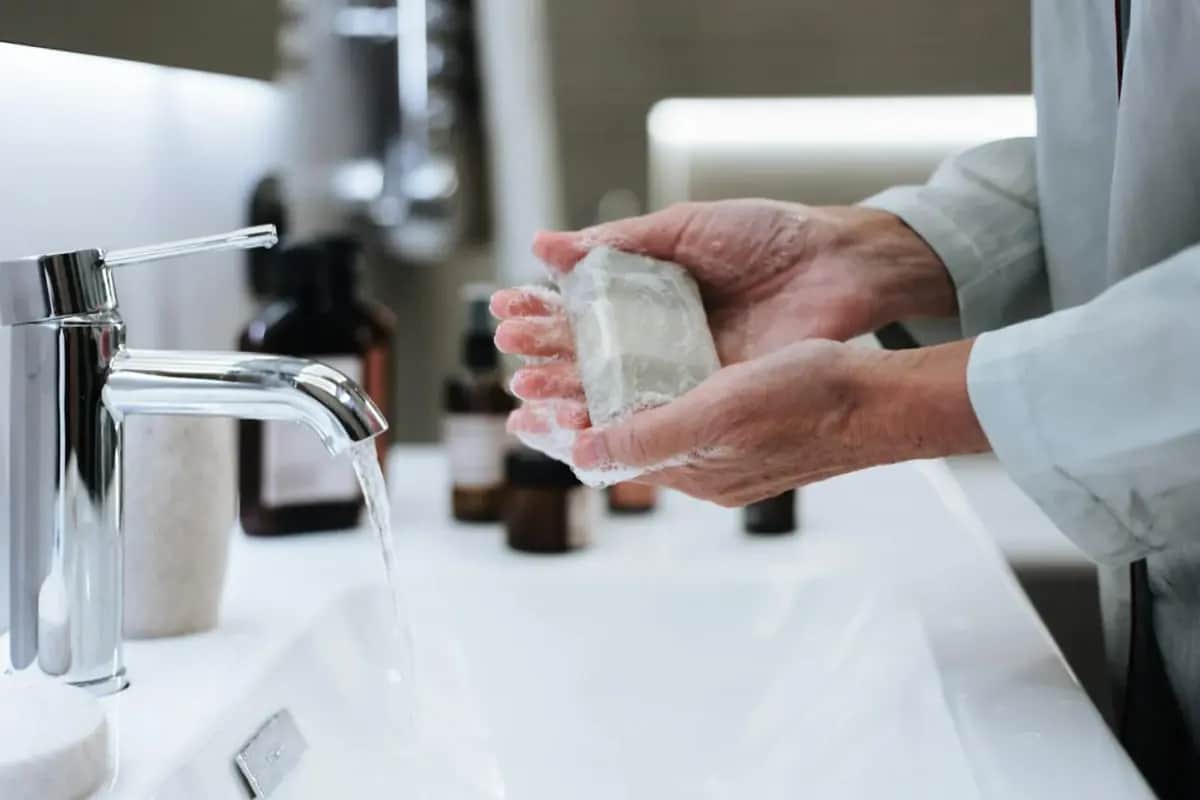
- Handwashing (1 liter/person/day)
- Body hygiene (1-2 liters/person/day)
- Dishwashing (0.5 liters/day)
- Toilet flushing (use bathtub water — do not use drinking water)
Minimum total per person for basic hygiene: approximately 5 liters per day.
Day 3-7: The Hygiene Minimum Program
Body Care: The Sponge Bath Method
Without a shower, proven alternatives exist:
Method 1: Basin wash with 5 liters
- Fill a large basin with 3-4 liters of water
- Soap and washcloth
- Systematic: face → armpits → intimate areas → feet
- Final step: clean towel, brief dry-off
Method 2: Wet wipe bath Wet wipes for critical areas (intimate areas, armpits, hands). For the rest, a dry towel is sufficient.
Hand Hygiene: Priority 1
Hands are always sanitized when water is not available for washing:
- Before eating
- After toilet use
- After animal contact
- After handling waste
500ml of hand sanitizer provides approximately 500 hand sanitizations at standard dosing.
Oral Care Without Water
Works without any rinsing:
- Small amount of toothpaste on a dry brush
- Brush teeth (1-2 minutes)
- Spit — no rinsing required
- Alternative: mouthwash without rinsing (1ml, spit out)
Day 7-14: Infection Control
Why Illnesses Increase After Week 1
After one week without normal water access:
- Hygiene becomes less consistent (fatigue)
- Produce is washed less thoroughly
- Wounds heal more slowly
- Stress weakens immune function
The most dangerous infection risks without adequate hygiene:
- Gastrointestinal illness (Norovirus, Salmonella)
- Skin infections
- Respiratory infections (transmitted via hands)
Food Safety Without Cold Chain
If the water failure is accompanied by a power outage:
- Refrigerator: safe for 4-6 hours if kept closed
- Freezer contents: critical after 24-48 hours
- Solution: transition immediately to canned goods and shelf-stable foods
- Check everything by smell and appearance — do not eat anything doubtful
Wound Care: More Intensive Monitoring
Without regular handwashing and clean water for irrigation:
- Clean every scratch immediately with boiled water or antiseptic
- Disinfect with iodine or antiseptic spray
- Check daily for infection signs
The Water Tanker — Getting Additional Supply
When Tanker Trucks Arrive
- Bring only clean, sealable containers
- Wipe containers briefly with sanitizer before filling
- Collect for several days at once to minimize queuing
Treating Water From Alternative Sources
If you need water from uncertain sources:
- Boiling: Rolling boil for 3 minutes
- Chlorination tablets: Aquatabs per package instructions
- Water filter (LifeStraw, Sawyer): Effective for biological contamination
The Psychology of 2 Weeks Without Comfort
14 days without a shower, without normal tooth brushing, without toilet flushing: it grinds people down. What helps:
- Maintain routine: Fixed hygiene times (morning and evening) signal normalcy to your brain
- Small improvements matter: Warm washing water (from a kettle) dramatically increases comfort and morale
- Community: Share with neighbors what is working, find solutions together
Many people who experience this scenario for the first time understand immediately why a water reserve matters. The preparation cost (30-50 euros for wet wipes, sanitizer, and Aquatabs) is negligible compared to two weeks of compromised hygiene.
Lessons Learned for Future Preparation
Anyone who has lived through this scenario immediately stocks:
- 5 packs of wet wipes
- 1 liter of hand sanitizer
- 100 Aquatabs
- A camping shower (solar-heated bag, 15 euros)
- 20+ liters of stored drinking water
Total cost: 40-60 euros. Two weeks of hygiene security. This is one of the highest-value crisis preparations per euro spent.
Conclusion
Two weeks without tap water is manageable — but it requires preparation. The families who experience genuine hardship are those who have no wet wipes, no hand sanitizer, and no stored water. The families who manage well have invested one evening and 50 euros in the essentials. This preparation requires no special knowledge, no special equipment, and no special space. It just needs to happen before the crisis, not during it.