 Foto: Bl∡ke / Pexels
Hygiene in a Crisis with Babies and Young Children: What Parents Need to Know
Crisis hygiene with babies and toddlers: specific risks, equipment list, and practical tips for parents when water and electricity become scarce.
Why Babies and Young Children Are Especially Vulnerable
Infants and toddlers face significantly greater risk when hygiene is compromised:
- Immature immune system: They react more strongly to pathogens that adults tolerate
- Nappies/diapers: Moisture + warmth = ideal bacterial growth environment
- Exploratory behavior: They touch everything, put objects in their mouths
- Respiratory vulnerability: Pathogens spread via caregivers' inadequate hand hygiene
Understanding these risks is the basis for targeted parent preparation.
Special Needs: What Is Different From Adults
Baby Hygiene Requires More Water
Babies need more water per kilogram of body weight than adults:
- Infant (0-6 months): Exclusively breast milk or prepared formula
- Introduction of solids (6-12 months): Additional 200-400ml fluid per day
- Toddler (1-3 years): 700-900ml water per day + hygienic water for feeding and preparation
Sterilizing Baby Bottles and Dummies
Without an electric sterilizer: boiling in water (5 minutes at rolling boil) or chemical sterilization with tablets (Milton's sterilizing tablets, ~10 euros for 50 tablets).
Important: Formula must only be prepared with freshly boiled water.
Nappies/Diapers: The Critical Resource
How Many Nappies Do You Need?
- Newborn: 8-12 nappies per day
- 3-6 months: 6-8 nappies per day
- 6-12 months: 5-6 nappies per day
- 1-2 years: 4-5 nappies per day
For 2 weeks and a 6-month-old baby: approximately 100 nappies.
Alternative: Cloth Nappies
Cloth nappies require water to clean — problematic during water shortages. However: 2-3 cloth nappies + a nappy cover can be rotated with minimal water consumption.
Rinse with a small amount of water and air-dry. Viable for 24-48 hour stretches in a water shortage.
Nappy Rash Cream: Always Available
Nappy rash develops faster when nappies cannot be changed immediately. Stock dexpanthenol cream (Bepanthen or equivalent) for at least 2 weeks.
Breastfeeding vs. Formula in a Crisis
Breastfeeding is the best solution in any crisis:
- No water needed for formula preparation
- Breast milk is always sterile and at the right temperature
- No risk from contaminated water
- Mother needs to drink and eat adequately
If breastfeeding is not possible: Pre-made liquid formula in single-serve cartons as an emergency stock — no mixing, no water risk.
Hand Hygiene for Caregivers
The single most important infection prevention measure: clean hands of caregivers.
- Before every nappy change: sanitize hands
- After every nappy change: sanitize hands
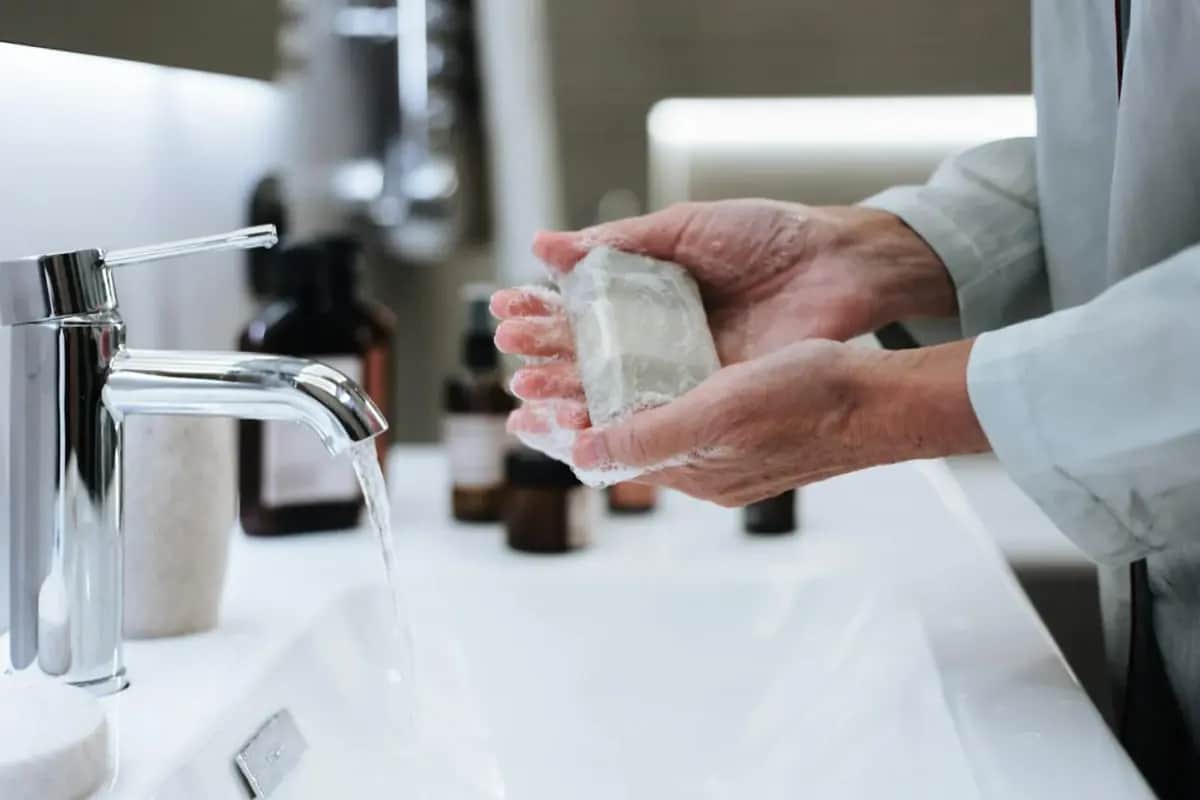
- Before breastfeeding or feeding: wash hands
- After animal contact: sanitize immediately
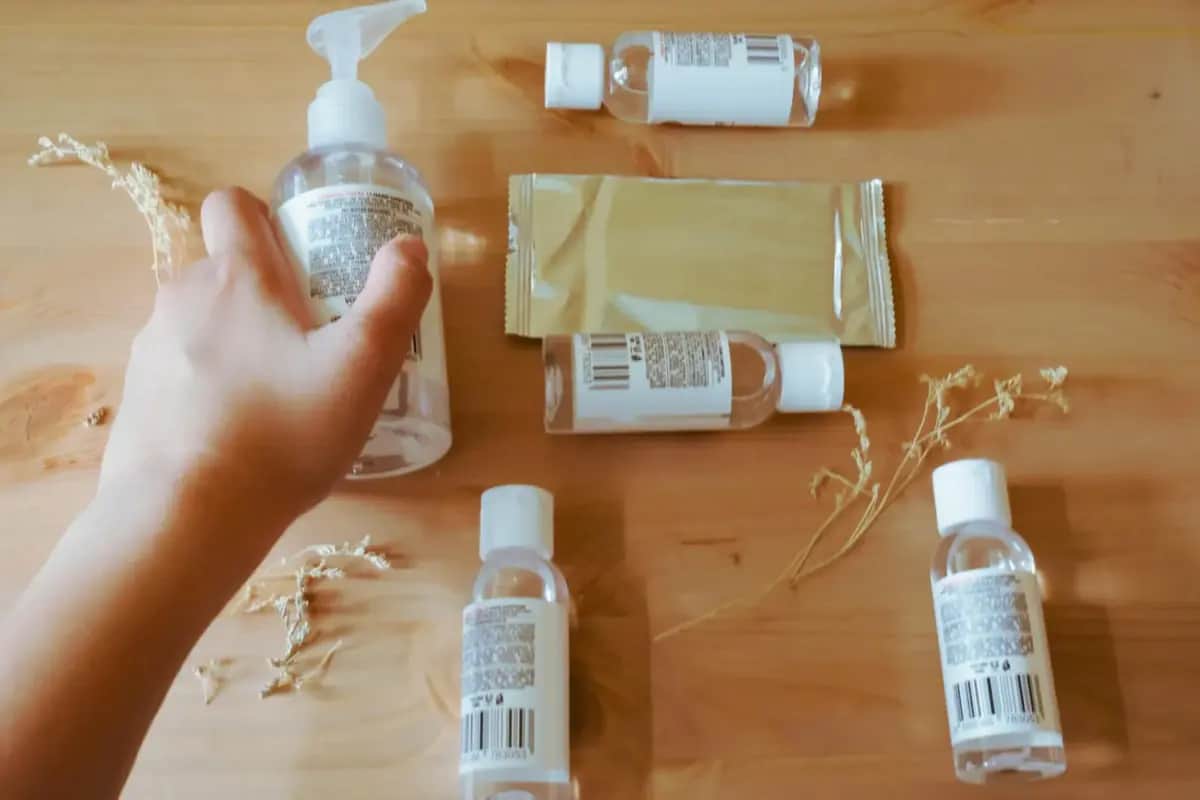
Keep 100ml of hand sanitizer within reach of the changing area at all times.
Illness: Diarrhoea in Babies
Diarrhoea in a baby is particularly dangerous in a crisis because of dehydration risk.
Warning signs:
- More than 3-4 liquid stools per day
- Skin "tents" when gently pinched (sign of dehydration)
- Sunken fontanelle in infants
- Unusually irritable and sleepy
Immediate actions:
- Prepare Oral Rehydration Salts (ORS) — WHO formula or pre-made sachets
- Continue breastfeeding if breastfed
- Seek medical help if condition worsens
Making ORS at Home
In a crisis without access to a pharmacy: WHO recipe
- 1 liter freshly boiled (!) and cooled water
- 6 teaspoons of sugar
- ½ teaspoon of salt
- Optional: a little orange juice for taste
Give small amounts frequently. For an infant, consult medical guidance on exact dosing.
Equipment List: Hygiene Supply for Baby/Toddler
For 2 Weeks (Baby Under 12 Months)
| Item | Quantity | Cost |
|---|---|---|
| Nappies (correct size) | 100 | 25-40 € |
| Unscented wet wipes | 10 packs | 20 € |
| Dexpanthenol cream (Bepanthen) | 2 tubes | 15 € |
| Sterilization tablets (Milton's) | 50 | 10 € |
| Pre-made liquid formula (if formula-fed) | 14+ cartons | 30-50 € |
| Rectal thermometer | 1 | 15 € |
| ORS sachets | 10 | 10 € |
| Child-safe hand sanitizer | 500ml | 10 € |
Total cost: approximately 135-170 euros for a 2-week baby hygiene supply.
Toddlers (1-3 Years): Additional Points
- Potty as toilet alternative (no water consumption for flushing)
- Ensure clean drinking water for rinsing after tooth brushing
- Double clothing allowance (more accidents, more active play)
- Make hand hygiene fun (games with washing or sanitizing)
The Most Important Single Purchase for Parents
If you only buy one thing today: A pack of Milton's sterilization tablets (50 tablets, ~10 euros).
In any water crisis, the ability to sterilize feeding equipment without electricity is the most critical single capability gap for formula-fed babies. Everything else is more manageable. This gap is not.
Conclusion
Hygiene with babies in a crisis is achievable — but requires significantly more preparation than for adults. The nappy supply and the sterilization capability for baby equipment are non-negotiable. Parents with young children should increase their emergency supplies proportionally — a standard household kit is not designed for baby-specific needs. Plan now, before the first nappy rash appears in a power outage.