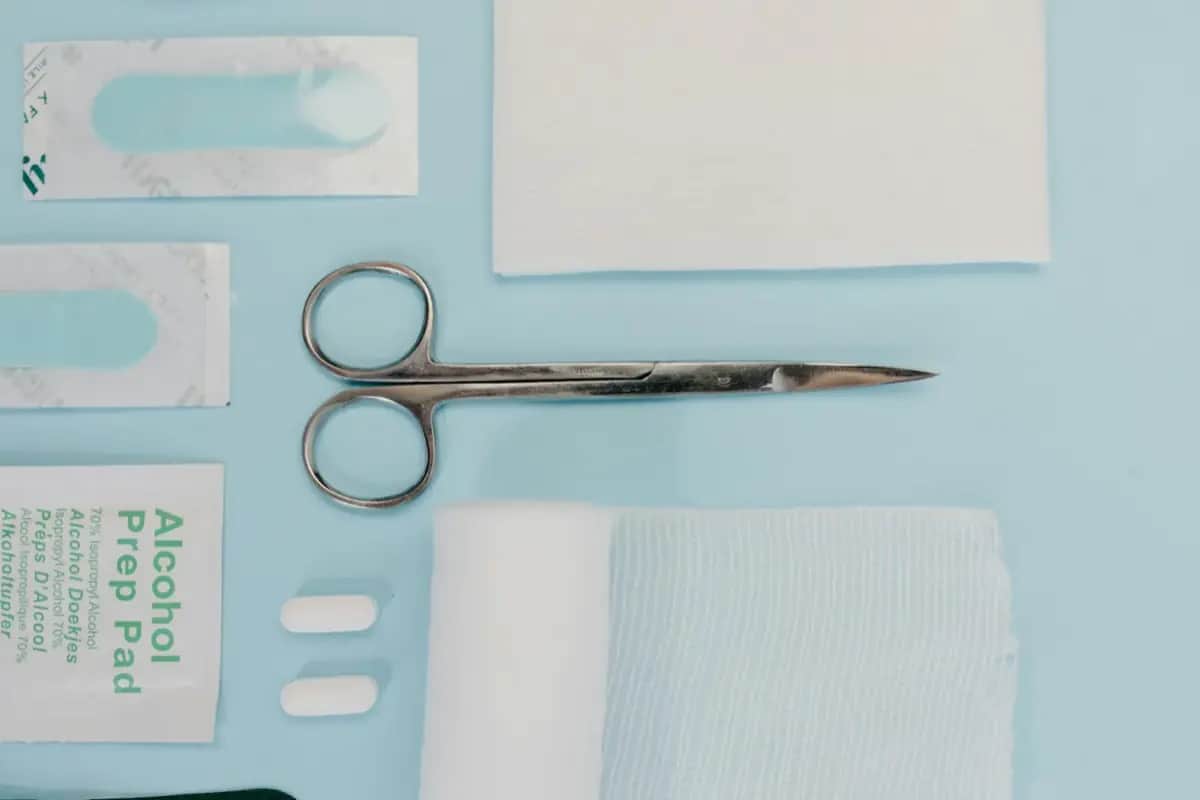
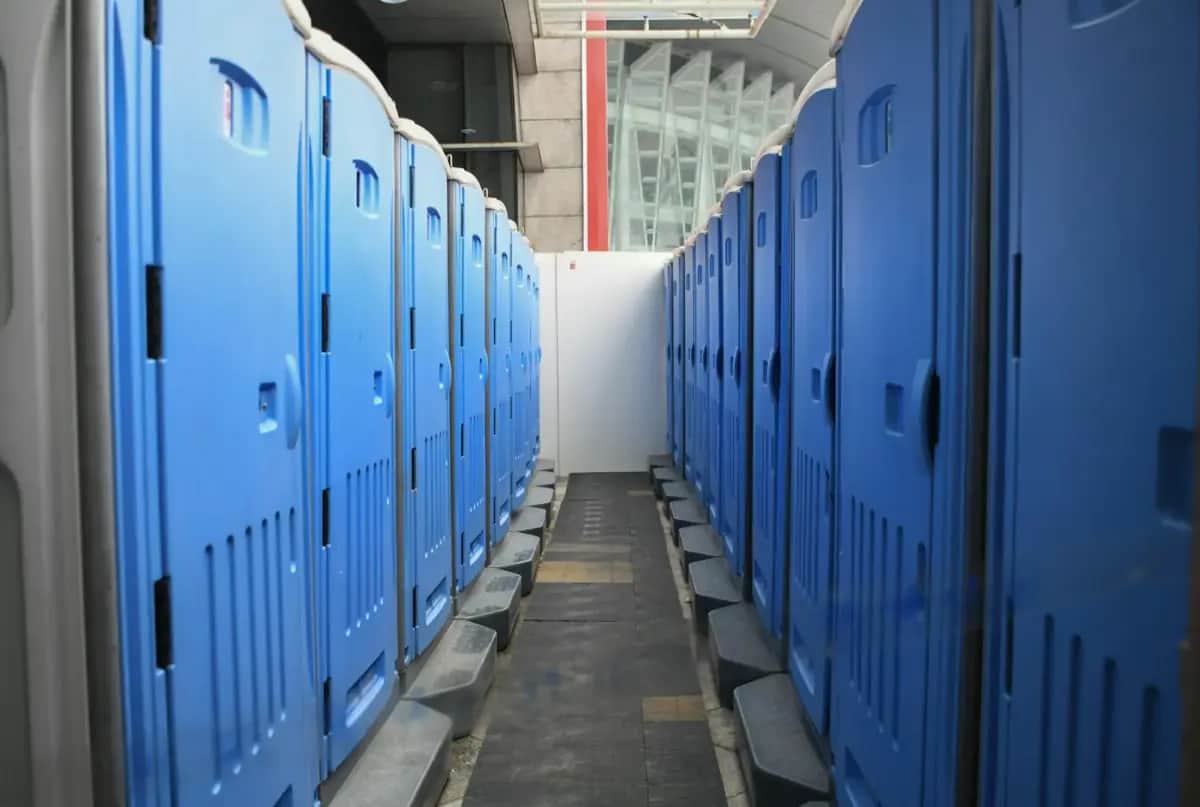
 Foto: Greece-China News / Pexels
Hygiene in a Crisis: The Complete Guide for Emergencies Without Water or Power
Complete guide to hygiene in emergencies: what actually matters when water or power fails, which supplies you need, and how to prevent illness without running water.
Why Hygiene in a Crisis Saves Lives
Clean water, handwashing, wound care — automatic in normal times. In a crisis — power outage, water interruption, evacuation — these routines break down.
The consequences are serious: diarrheal diseases, skin infections, wound infections, and respiratory illness all increase exponentially after disasters. Not because of the disaster itself — but because of inadequate hygiene in the days that follow.
This guide shows you systematically how to stay hygienically safe in any emergency.
The Hygiene Triangle in Emergencies
Three areas are critical:
- Personal care — hands, intimate areas, teeth
- Food hygiene — safe cooking, storage, kitchen cleaning
- Sanitation hygiene — toilet, waste disposal
When resources are limited: prioritize in this order.
Personal Care: The Emergency Minimum
Hand Hygiene — the Single Most Important Measure
80% of infectious diseases are transmitted through hands. Hand hygiene in a crisis matters more than showering.
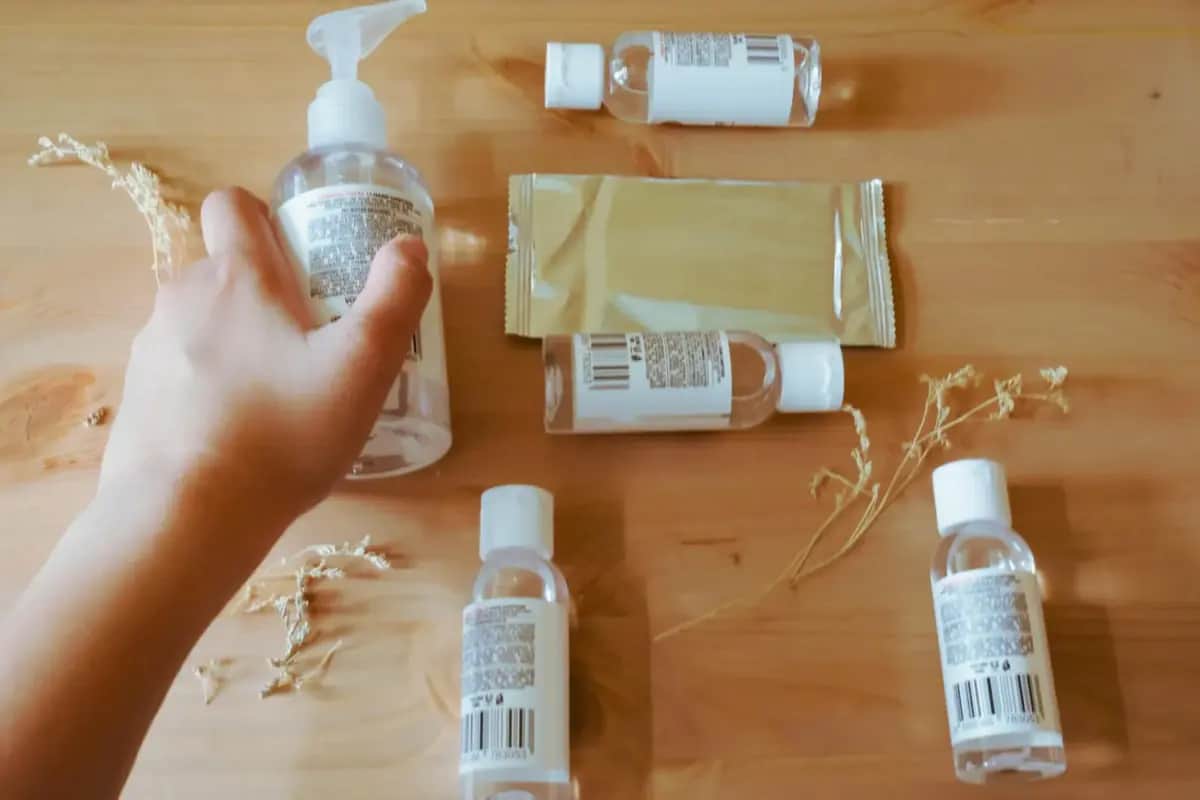
Without water: Apply alcohol-based hand sanitizer (min. 70% ethanol) to dry hands. Rub for 30 seconds covering all surfaces, between fingers, thumbs. No rinsing needed.
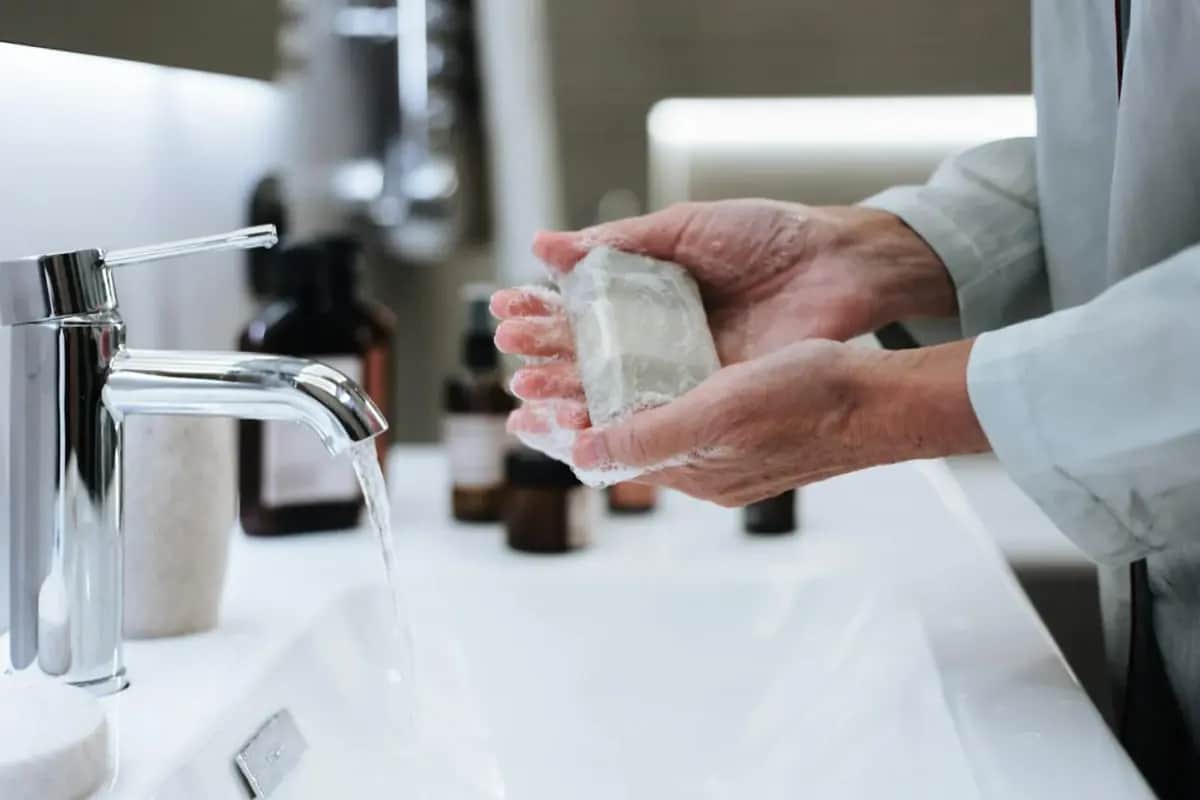
With limited water: 0.1 liters per wash with soap is sufficient for effective handwashing.
Critical moments for hand hygiene:
- Before and after eating and cooking
- After using the toilet
- After changing wounds or diapers
- After handling waste or animals
Sponge Bath Without a Shower
The sponge bath with 2-3 liters:
- A basin with warm water (use a kettle)
- Washcloth and soap
- Systematic: face, neck, armpits, intimate areas, feet
- Hair: dry shampoo bridges 5-7 days
Oral Care
Toothbrushing without rinsing:
- Small amount of toothpaste on a dry brush
- 2 minutes of brushing
- Spit out — no water for rinsing needed
- Mouthwash as an alternative (spit, no rinse)
Intimate Hygiene
Critical area for infections and comfort:
- Unscented, pH-neutral wet wipes for daily cleaning
- Menstrual cups or discs instead of pads/tampons (reusable, less waste)
- Fresh underwear daily even without showering
Food Hygiene
The FIFO Principle
In an emergency, the same food hygiene rules apply — but stricter:
- Use oldest supplies first
- Check expiration dates daily
- When in doubt: discard (food poisoning in a crisis is a medical emergency)
Cooking Without Running Water
- Pre-wipe dishes with paper towels before rinsing with minimal water
- Wipe pots clean with paper towels after cooking, then rinse briefly
- Disposable plates are acceptable for multi-day emergencies
Cold Chain
During power outages:
- Refrigerator: safe for 4-6 hours if kept closed
- Freezer: 24-48 hours if completely full and closed
- After: switch immediately to canned goods and shelf-stable foods
Assessing Food Safety
Never rely on appearance alone:
- Smells off: Discard
- Visible mold (even a single spot): Discard (exception: surface mold on hard cheese)
- Slimy texture: Discard
Sanitation: When the Toilet Doesn't Work
If the Flush Has No Water
Bucket flush method: Pour 10-15 liters directly into the bowl — this creates enough pressure for a normal flush.
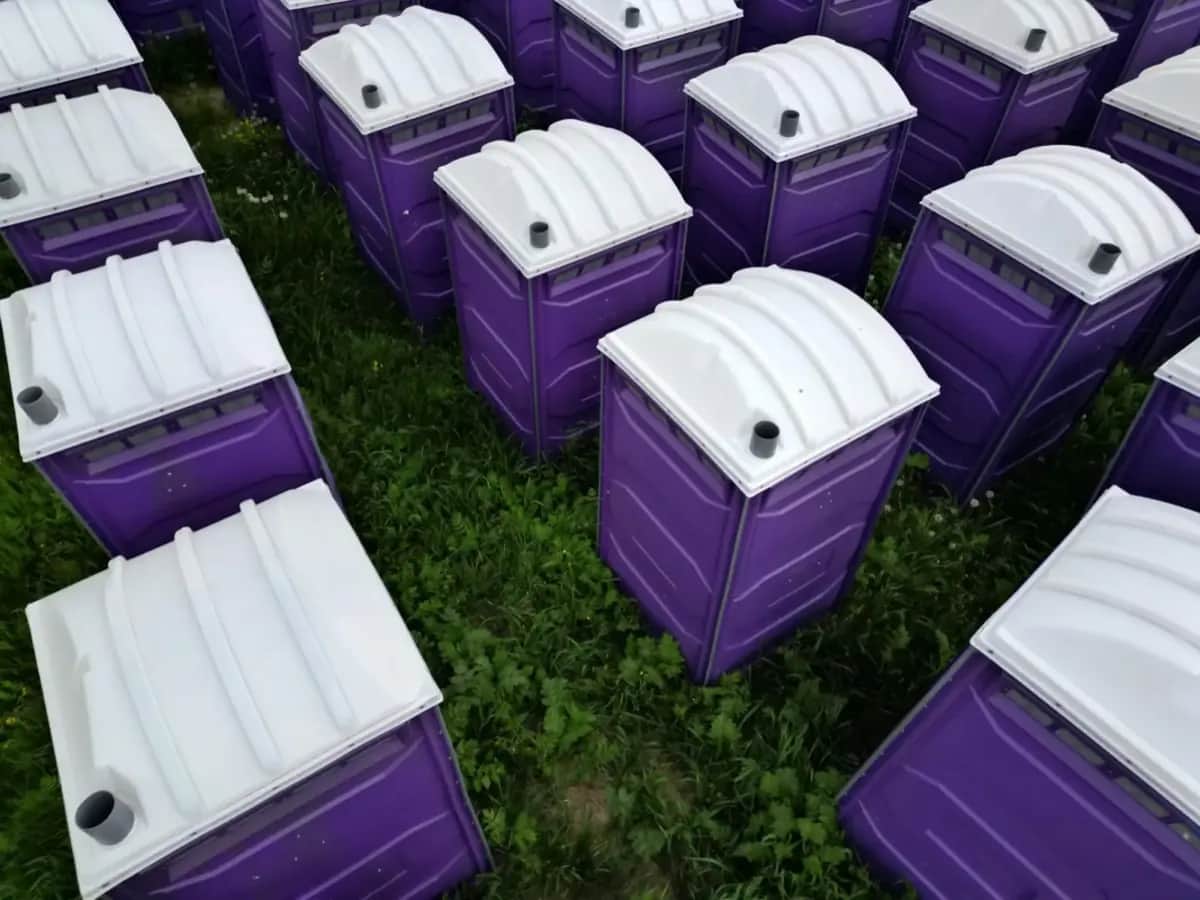
Camping Toilet as Emergency Solution
For multi-day outages:
- Chemical camping toilet (50-100 euros) as backup
- Biodegradable toilet bags as an alternative
- In extreme cases: pit latrine in the garden (min. 50m from water sources)
Hygiene Around the Emergency Toilet
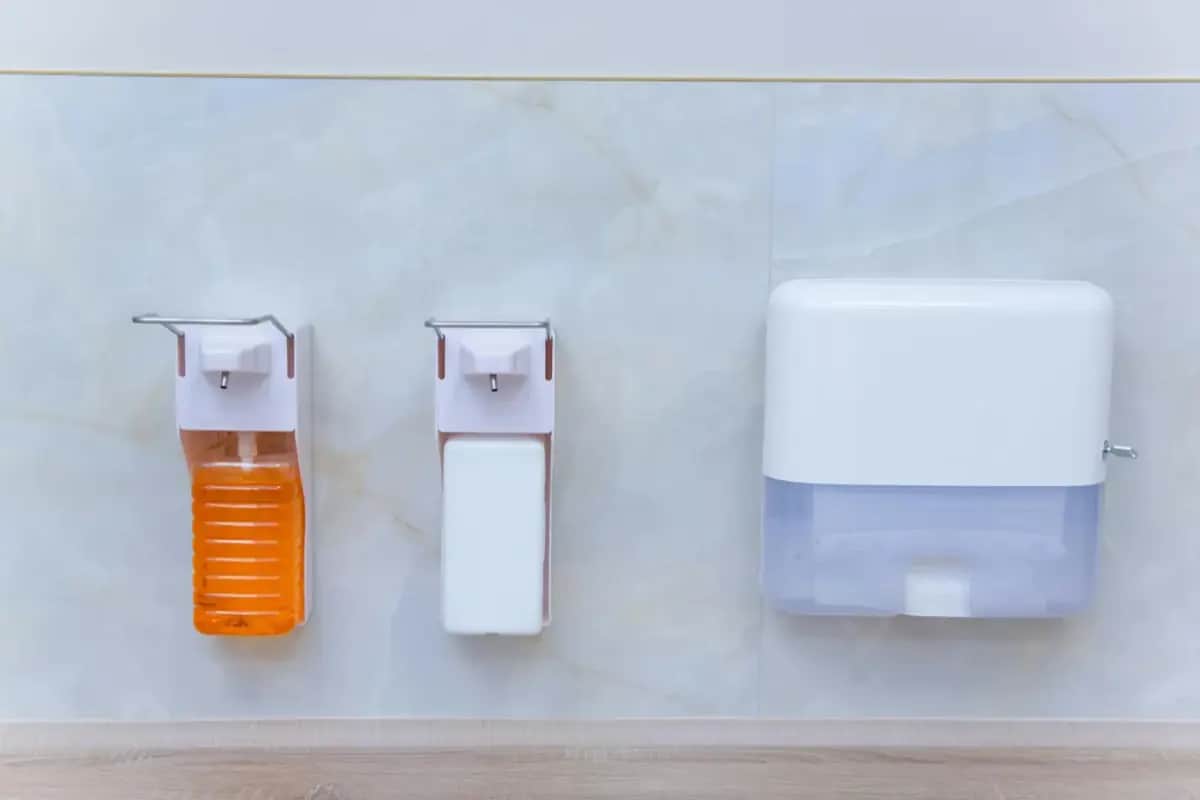
- Hand sanitizer directly beside the toilet
- Toilet paper and hygiene bags stocked
- Disinfect daily (household disinfectant or dilute bleach)
The Hygiene Supply: What to Store
Basic Kit for 2 Weeks (2 People)
| Item | Quantity | Cost |
|---|---|---|
| Hand sanitizer (500ml) | 2 bottles | 10 € |
| Unscented wet wipes | 10 packs | 20 € |
| Drinking water (2L/person/day) | 56 liters | 25 € |
| Aquatabs chlorination tablets | 100 | 10 € |
| Household disinfectant | 1 liter | 8 € |
| Spare toothbrushes and toothpaste | 2 of each | 10 € |
| Bar soap (long shelf life) | 4 bars | 5 € |
| Toilet paper | 40 rolls | 15 € |
| Garbage bags (medium) | 50 | 5 € |
Total: approximately 108 euros
Hygiene Protocol for the Emergency
Morning Routine (15 Minutes)
- Sanitize hands upon waking
- Brush teeth (without water)
- Sponge bath of critical areas
- Fresh underwear
Evening Protocol
- Check food supplies (FIFO)
- Seal waste in bags
- Disinfect sanitation area
- Check and re-dress any wounds
Conclusion
Hygiene in a crisis is not a comfort issue — it is a survival issue. Those with the right supplies and the right priorities (hand hygiene first) navigate any emergency without health risk.
The single most important action: stock at least 1 liter of hand sanitizer. It protects your entire household from the most common crisis-associated infectious diseases.