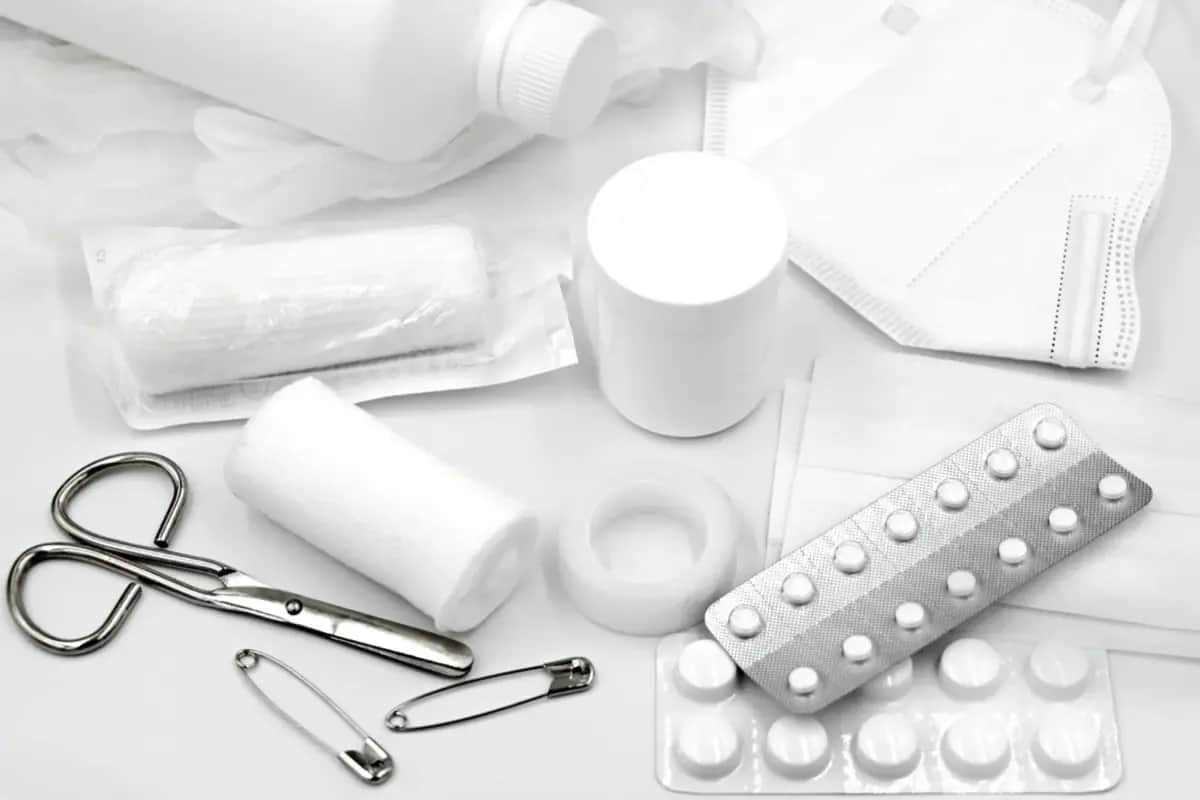
 Foto: Marta Branco / Pexels
IFAK Explained: What an Individual First Aid Kit Is and Why You Need One
IFAK (Individual First Aid Kit) explained: what it contains, why it differs from a standard first aid kit, and how to build or buy one for civilian emergency preparedness.
What Is an IFAK?
IFAK stands for Individual First Aid Kit. Originally developed for military use, the IFAK concept has become increasingly relevant for civilian emergency preparedness — and for good reason.
A standard first aid kit is designed for common scenarios: minor cuts, blisters, bandaging. An IFAK is designed for life-threatening bleeding — the number one preventable cause of death in trauma scenarios.
The core insight: the gap between a traumatic injury and emergency service arrival is where most preventable deaths occur. An IFAK gives the person nearest the victim — including the victim themselves — the tools to address life-threatening bleeding in that gap.
What a Standard IFAK Contains
A military-specification IFAK contains:
1. Tourniquet (CAT or SOFTT-W)
The most important item. A tourniquet applied correctly within 2-3 minutes of a life-threatening limb wound can prevent death from blood loss.
The Combat Application Tourniquet (CAT) is the standard. It is designed to be applied one-handed, to your own limb if necessary.
Common misconception: Tourniquets cause limb loss. The reality: tourniquets applied correctly and promptly actually improve limb survival outcomes compared to delayed application. Concerns about tourniquet damage come from very prolonged use (6+ hours) or incorrect application — not typical emergency use.
2. Pressure Dressing (Israeli Bandage)
A pressure dressing with an integrated applicator for wounds where a tourniquet cannot be applied — the scalp, torso, and face. The Israeli bandage (sometimes called a "combat bandage") can be wrapped and locked in position with one hand.
Cost: ~8-10 euros each.
3. Hemostatic Gauze
For wounds that need to be "packed" — wounds in the groin, neck, or armpit where a tourniquet is not effective. Hemostatic gauze (QuikClot, Celox, Hemcon) is impregnated with agents that accelerate blood clotting.
Application: Pack the gauze directly into the wound with firm pressure. This is counterintuitive but effective.
Cost: ~20-30 euros per pack.
4. Chest Seals (Vented)
For penetrating chest wounds (stab wounds, gunshot wounds to the chest) that create an open pneumothorax — a sucking chest wound where air enters the chest cavity and collapses the lung.
A vented chest seal covers the wound while allowing air to escape on exhalation (the vents do this). Non-vented seals are also used but with more nuance.
Cost: ~20-30 euros for a 2-pack.
5. Gloves
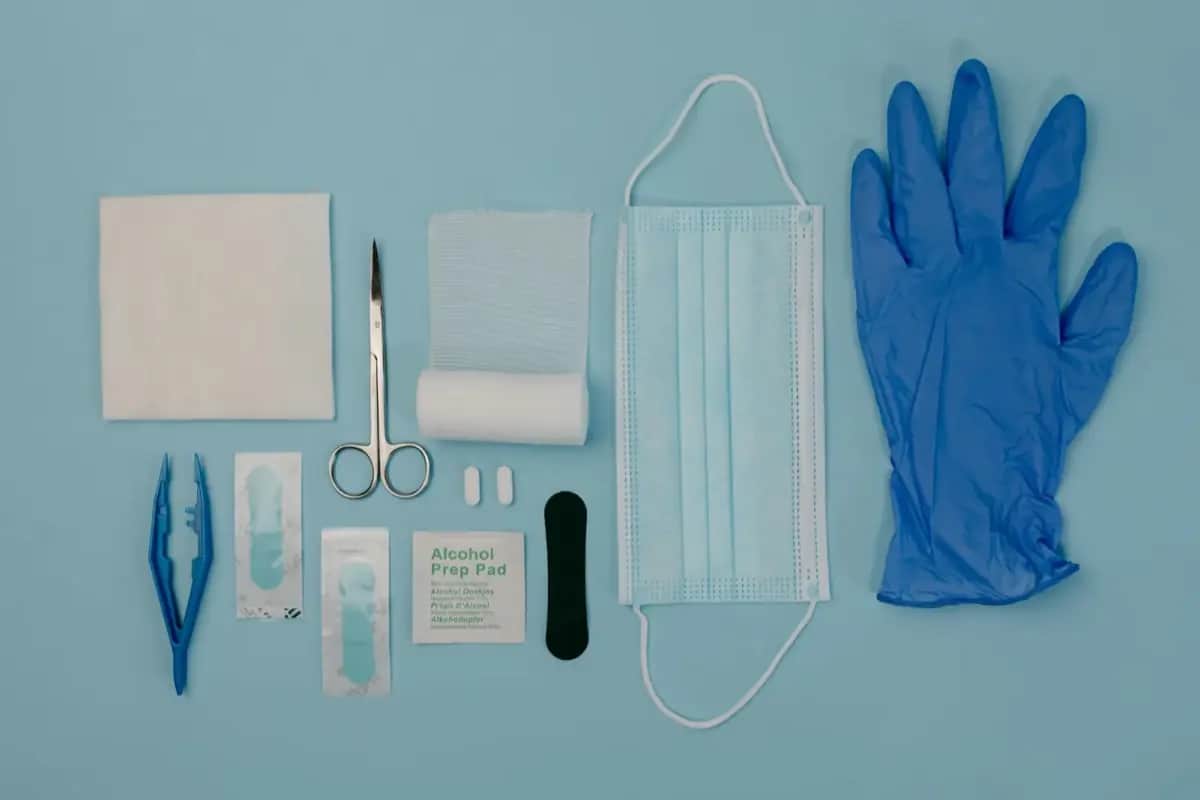
Nitrile, size-appropriate. Protect both the rescuer and the patient.
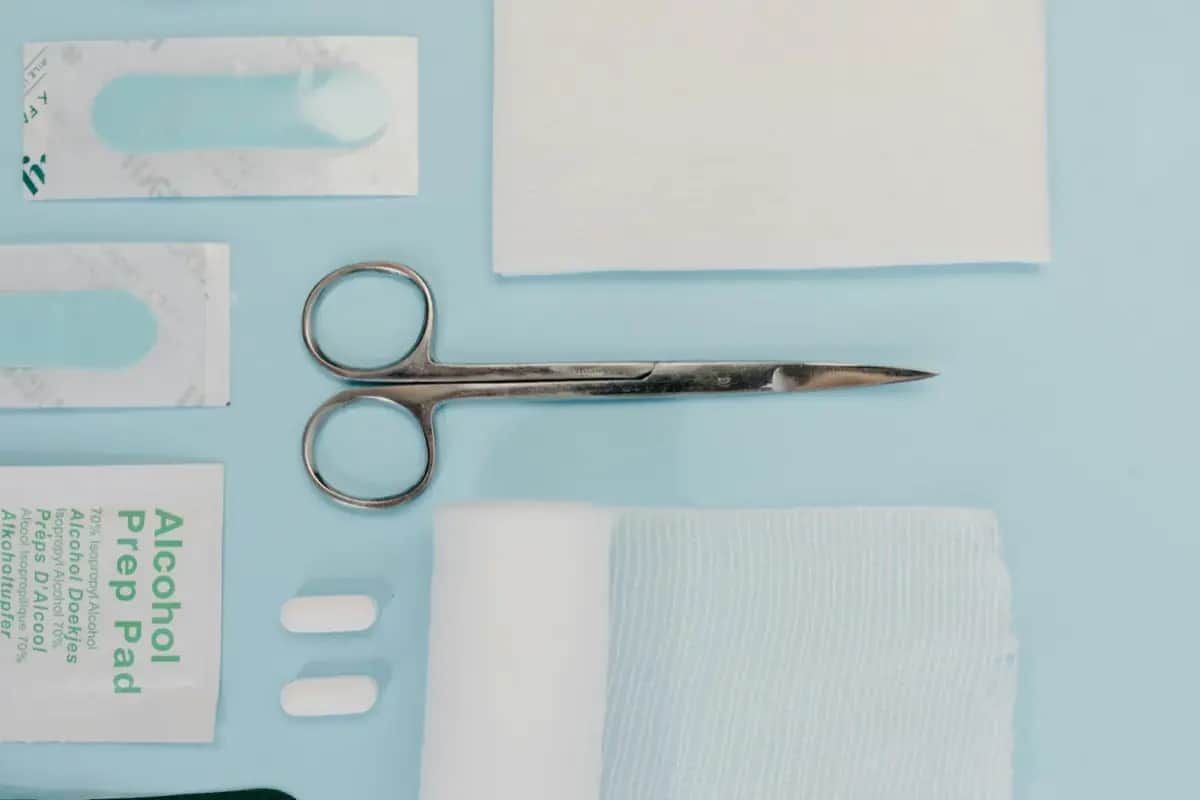
6. Trauma Shears
For cutting clothing to access wounds quickly. Essential when every second matters.
The Civilian IFAK
A civilian version of the IFAK may omit some military-specific items (chest seals are less common in civilian scenarios) and add civilian-relevant items:
Core civilian IFAK:
- Tourniquet (CAT or equivalent): ~30-45 euros
- Israeli bandage: ~8-10 euros (2 preferred)
- Hemostatic gauze: ~20-25 euros
- Nitrile gloves (several pairs)
- Trauma shears: ~5-10 euros
Optional additions for civilian use:
- Wound irrigation syringe: ~3 euros
- Non-adherent dressings: ~5-10 euros
- SAM splint: ~5-8 euros
- Hypothermia blanket (Mylar): ~2-3 euros
Total cost: 70-120 euros
How an IFAK Differs from a Standard First Aid Kit
| Feature | Standard First Aid Kit | IFAK |
|---|---|---|
| Primary design goal | Minor injury management | Life-threatening bleeding control |
| Tourniquet | Rarely included | Core item |
| Hemostatic gauze | Not included | Core item |
| Wound packing gauze | Not included | Core item |
| Chest seals | Not included | Sometimes included |
| Bandages | Many types | Fewer, more functional |
| Typical cost | 20-80 euros | 70-200 euros |
How to Build Your IFAK
Component Sourcing in Germany
All IFAK components are legal for civilian purchase in Germany and available from:
- Online retailers (Amazon, Tactical Medical Solutions, Rescue Essentials)
- German tactical/outdoor retailers
- Some pharmacies (Israeli bandages, gloves)
Products available in Germany:
- CAT Tourniquet: widely available, ~35-45 euros
- Israeli bandage: available on Amazon.de, ~8-10 euros
- QuikClot Sport: available online, ~20-25 euros
- Celox: available online, ~20-25 euros
- Chest seals (HyFin, Halo): available from tactical retailers, ~20-30 euros
The Case/Carrier
An IFAK is only useful if it is:
- Easily accessible (not buried in a bag)
- Organized (you can find the tourniquet in the dark)
- Compact enough to carry or store accessibly
Options:
- Purpose-built IFAK pouch with MOLLE attachment: ~15-30 euros, designed for consistent item placement
- Zippered pouch with labeled compartments: a kitchen bag with clear organization works
- Fanny pack / bum bag: practical for everyday carry
The best case is the one you will actually carry or keep accessible.
IFAK Training: Non-Negotiable
An IFAK in the hands of an untrained person is significantly less effective.
Minimum training for IFAK use:
- Tourniquet application (one-handed and two-handed): 30 minutes of practice achieves competence
- Wound packing with hemostatic gauze: technique matters; get instruction
- Pressure dressing application: fairly intuitive, but practice matters
Where to get training in Germany:
- DRK (German Red Cross) first aid courses cover basic bleeding control
- Advanced Bleeding Control (ABC) courses: increasingly offered in Germany by tactical medicine providers
- Stop the Bleed training (international program): covers IFAK skills specifically
Practice recommendation: Apply your tourniquet to your own leg, correctly, in under 30 seconds, at least monthly. This keeps the skill functional.
Where to Carry Your IFAK
On your person (best for active environments):
- MOLLE-attached to a backpack or plate carrier
- In a dedicated medical pouch on a belt
In your go-bag: Accessible in the first pocket — never at the bottom
In your vehicle: Mounted within reach; under the seat is acceptable if you can access it quickly
At home: In a consistent, known location — not with the general household supplies
The rule: You should be able to locate and open your IFAK in the dark, with one hand, in under 10 seconds. If you cannot: reorganize the storage.
Conclusion
An IFAK is not a tactical toy or a military fetish item — it is a practical response to the reality that serious traumatic injuries can occur anywhere, and emergency services take time to arrive. The tools are proven, the training is accessible, and the cost is modest. For anyone serious about emergency preparedness, an IFAK should complement (not replace) a standard first aid kit as part of a complete medical supply strategy.
Recommended Products
As an Amazon Associate we earn from qualifying purchases. Buying through our links supports the development of this app at no extra cost to you.