 Foto: Walls.io / Pexels
Water Supply Failure: How to Manage the First 72 Hours
Water supply failure: a step-by-step guide for the first 72 hours. What to drink, how to prioritize, and which supplies make the critical difference.
The First 72 Hours Without Tap Water
The water authority has just announced: no tap water for at least 3 days. A main pipe burst, contamination detected, or infrastructure failure — the reason matters less than your immediate response.
The first 72 hours are decisive. Here is what to do, hour by hour.
Hour 0-2: Immediate Assessment
Take Stock of What You Have
Before anything else, inventory your water:
- Bottled water (still and sparkling)
- Filled water bottles or jugs
- Water in the kettle, coffee maker, or similar appliances
- Bathtub (if not yet filled — fill it immediately)
Fill the Bathtub Now
If you have any warning: fill the bathtub immediately. A standard bathtub holds 150-200 liters. Even if you cannot drink it without treatment, it is invaluable for toilet flushing and basic hygiene, freeing up your drinking water reserves.
Calculate Your Reserves
Minimum water needs per person per day:
- Drinking: 2 liters (non-negotiable)
- Basic hygiene (hands, face): 1 liter
- Food preparation: 0.5 liters
- Minimum total: 3.5 liters/person/day
For a family of 4 over 72 hours: approximately 42 liters drinking/cooking water minimum.
Hour 2-12: Establish Priorities
Drinking Water First
Every drop of clean drinking water is protected. Use it only for:
- Direct drinking
- Cooking (water that boils)
- Baby formula preparation
- Critical medication taking
Do NOT use clean drinking water for toilet flushing, dishwashing, or personal hygiene.
Alternative Sources
If you run out of clean water:
Rainwater collection: Clean container under a downspout. Must be purified before drinking (boil or chlorinate).
From a trusted neighbor: A neighbor with a well or large reserve may share. Ask.
Municipal distribution points: Authorities typically set up water distribution trucks within 12-24 hours. Check local emergency broadcasts.
Hour 12-48: Rationing Mode
The 3.5-Liter Rule
Track consumption per person. If reserves are tight, ration to 3.5 liters per person per day — absolute minimum.
Communicate the ration clearly to all household members, especially children.
Hygiene Without Running Water
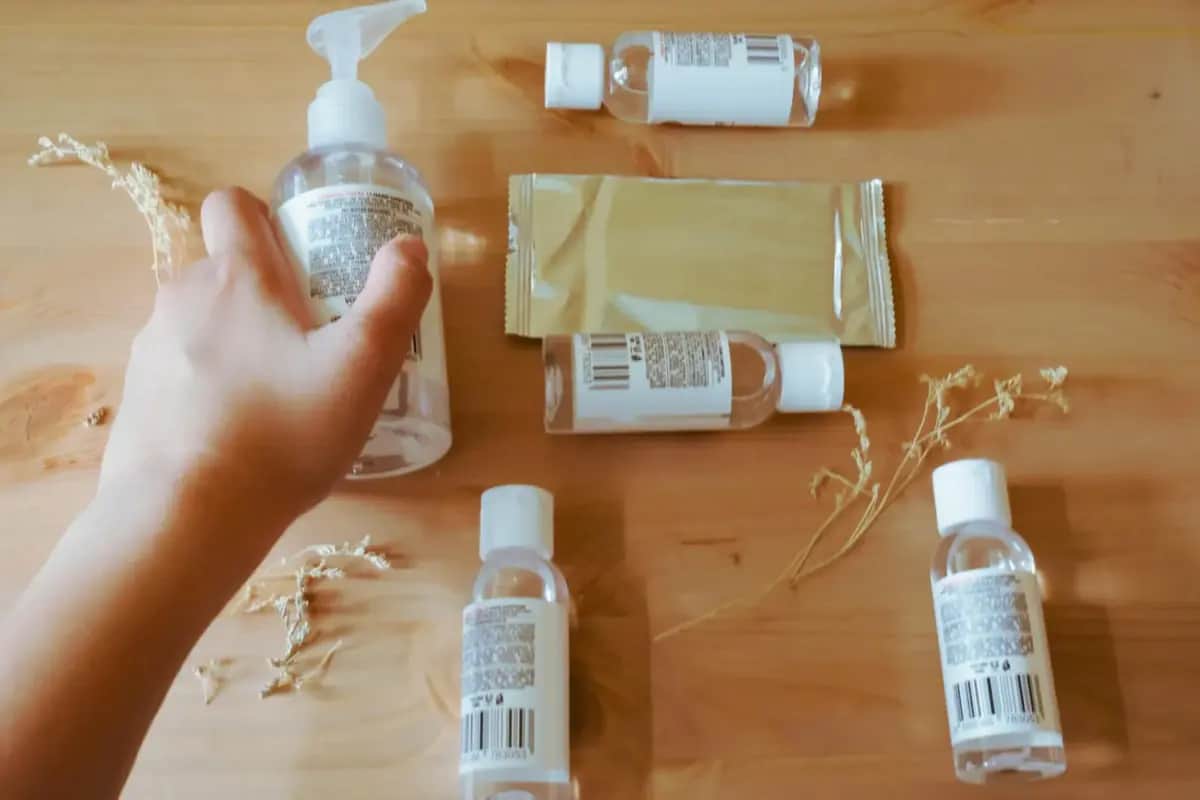
Handwashing: Use 0.5 dl of water with soap or alcohol-based hand sanitizer. Hand sanitizer (70%+ ethanol) is almost as effective as soap and water for most pathogens.
Toilet flushing: Use bathtub water — pour 10-15 liters directly into the bowl. This generates enough pressure for a normal flush.
Dishes: Wipe with paper towels before rinsing with minimal water. Or use disposable plates for 3 days.
Food Considerations
Without water, shift to foods that require no cooking:
- Canned foods (ready to eat cold)
- Bread, crackers, cheese
- Nuts, dried fruit
- Energy bars
Avoid foods that need significant water to prepare (pasta, rice, dry beans).
Hour 48-72: Sustaining and Planning
Water Purification
If you need to use water from questionable sources:
Boiling (most reliable): Bring to a rolling boil for 3 minutes. Let cool. Store in clean, covered containers.
Chlorination: Aquatabs or similar chlorination tablets — follow package instructions exactly. Wait 30 minutes before drinking.
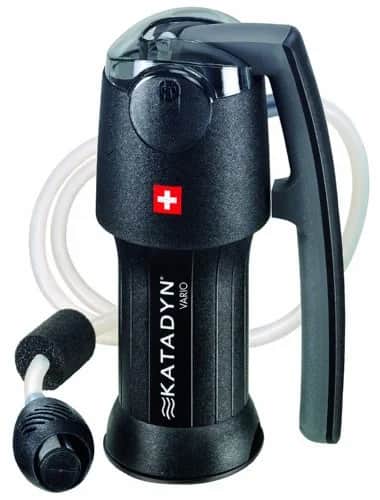
Filtration: Hollow-fiber filters (LifeStraw, Sawyer) remove biological contaminants effectively. Does not remove chemical contamination.
UV treatment: UV pens (SteriPen) kill pathogens effectively in clear water. Requires batteries.
Signs the Crisis Will Extend
Watch for these signals that 72 hours may become much longer:
- Authorities extend the boil notice without a timeline
- No distribution trucks appear after 24 hours
- Media reports infrastructure damage (not just contamination)
If any of these apply: activate a longer-term water plan, which means sourcing at least 2 weeks of water.
What to Keep Ready at All Times
Minimum emergency water reserve (achievable for under 30 euros):
- 10 liters bottled water per person (70 euros for a family of 4)
- 100 chlorination tablets (Aquatabs)
- 1 portable water filter
This covers most 72-hour emergencies without panic buying.
Conclusion
The first 72 hours without water are manageable — if you act immediately and rationally. Fill the bathtub, protect your drinking water, and implement the 3.5-liter ration. Most crises resolve within this window. The families who struggle are those who underestimate how quickly reserves run out.
Recommended Products
As an Amazon Associate we earn from qualifying purchases. Buying through our links supports the development of this app at no extra cost to you.