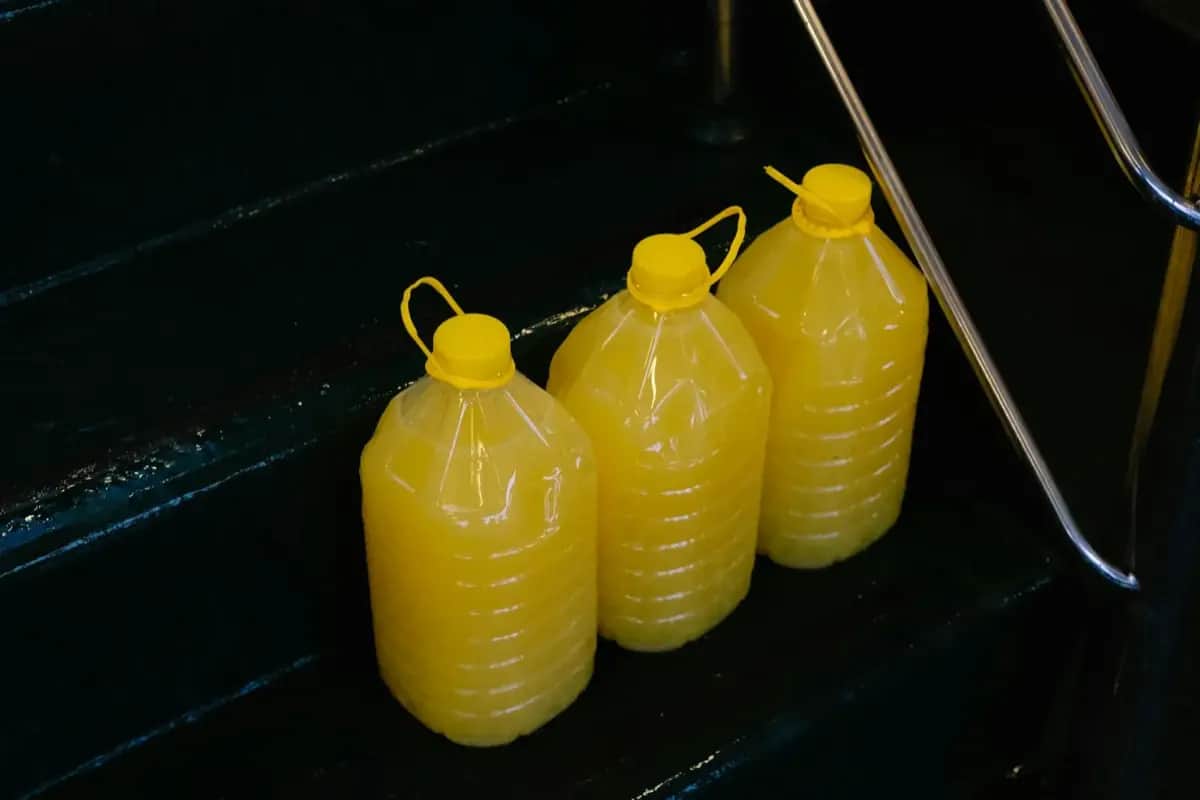
 Foto: Mathias Reding / Pexels
Water Filtration Basics: A Beginner's Guide to Clean Emergency Water
Water filtration basics explained for beginners: how filters work, what they remove, what they don't, and how to get started without expensive equipment.
Why Water Filtration Is Not Optional in Emergencies
Clean water seems like a given in developed countries. Then a pipe bursts. Or flooding contaminates the groundwater. Or a cyberattack on water treatment plants. Suddenly, the water coming out of your tap may not be safe to drink.
Water filtration is the skill and tool set that bridges the gap between unsafe water and survival. This guide covers the basics — no prior knowledge required.
What Makes Water Unsafe to Drink?
Water can be unsafe due to:
Biological contaminants (most common in emergency scenarios):
- Bacteria (E. coli, Salmonella, Cholera)
- Protozoa (Giardia, Cryptosporidium)
- Viruses (Hepatitis A, Norovirus)
Chemical contaminants (less common, harder to remove):
- Industrial runoff
- Agricultural pesticides
- Heavy metals (lead, arsenic)
- Disinfection byproducts
Physical contaminants:
- Sediment, dirt, sand
- Organic material (leaves, algae)
Different contaminants require different treatment methods. No single filter removes everything.
The Three Steps of Water Treatment
For genuinely safe water from an unknown source, use three steps:
Step 1: Pre-filtration (physical removal) Remove large particles: pour through a cloth, coffee filter, or bandana. This extends the life of your main filter.
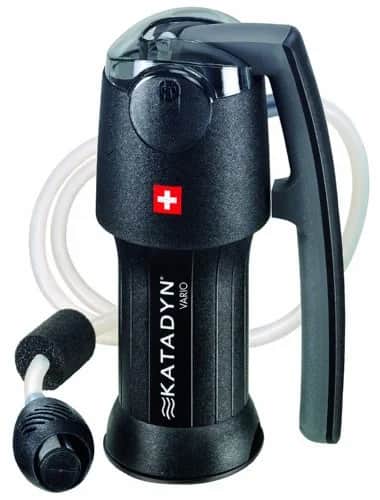
Step 2: Filtration (pathogen removal) Remove biological contaminants using a hollow-fiber or ceramic filter. This handles bacteria and protozoa.
Step 3: Disinfection (virus kill) Boiling or chemical treatment (chlorination, iodine) kills viruses that filters miss.
For tap water with a boil advisory — skip to Step 3 only. The tap water infrastructure already pre-filters.
Simple Methods That Work Without Equipment
Boiling
Effectiveness: Kills all biological pathogens (bacteria, protozoa, viruses) What you need: A pot, a heat source, and fuel Method: Bring to a rolling boil for 3 minutes (add 1 minute per 1,000m altitude) Cost: Near zero
Boiling is the gold standard for biological safety. It does not remove chemicals or improve taste.
Chlorination
Effectiveness: Kills bacteria and viruses; less effective against Cryptosporidium What you need: Aquatabs or sodium hypochlorite (unscented bleach) Method: 1 Aquatab per liter of clear water, wait 30 minutes Cost: ~10 cents per liter
Ideal when you cannot boil water. Works in cold water but is slower.
Improvised Filtration
Without any filter, you can remove sediment:
- Layer cloth (e.g., a T-shirt) over a container
- Pour water through
- Repeat with finer material if available (cotton, sand layer)
This removes visible particles but NOT pathogens. Always follow with boiling or chlorination.
Your First Emergency Water Kit (Under 30 Euros)
| Item | Purpose | Cost |
|---|---|---|
| Aquatabs (100 tablets) | Chemical disinfection | ~10 € |
| LifeStraw personal filter | Biological filtration | ~20 € |
| 10L collapsible container | Water storage | ~10 € |
Total: ~40 euros
This kit handles most emergencies. The LifeStraw removes bacteria and protozoa; the Aquatabs handle viruses.
Common Beginner Mistakes
Mistake 1: Trusting a filter for viruses Most basic hollow-fiber filters do NOT remove viruses. Always combine with chemical disinfection or boiling when the water source is unknown.
Mistake 2: Filtering without pre-filtering Murky water clogs filters fast. Pre-filter through cloth first.
Mistake 3: Not replacing filters Filters have rated lifespans. Exceeded filters harbor bacteria. Replace per manufacturer guidance.
Mistake 4: Storing treated water improperly Treated water can be recontaminated in a dirty container. Use clean, sealed containers. Disinfect containers before use.
How to Practice Now
The best time to practice water filtration is when you do not need it:
-
Buy one box of Aquatabs and try treating tap water with the correct dose. Taste the result (slightly chlorinated, similar to pool water — safe and normal).
-
Try your filter with murky water: Fill a jar with muddy water and run it through your filter. See how the water clears.
-
Boil and taste: Boil tap water and taste it cooled — notice how the chlorine taste reduces after boiling.
These exercises build confidence for actual emergencies.
Conclusion
Water filtration basics are not complicated. You need to understand what contaminants you face, apply the right treatment, and practice the steps before you need them. Start with the 40-euro kit above — Aquatabs and a LifeStraw — and you are better prepared than 95% of people around you.
Recommended Products
As an Amazon Associate we earn from qualifying purchases. Buying through our links supports the development of this app at no extra cost to you.