 Foto: Christina & Peter / Pexels
Water Storage Done Right: Tips to Avoid Common Mistakes
Water storage tips: how to store water correctly for emergencies, which containers to use, how long it lasts, and the mistakes that make water unsafe.
Most People Store Water Wrong
Emergency water storage sounds simple: fill some bottles, store them somewhere. But poor storage creates false security. Water that was clean when stored can become contaminated, unusable, or even harmful months later.
These tips ensure your stored water is actually safe when you need it.
Container Selection: What Works and What Doesn't
Food-Grade Plastic (Recommended)
Look for the recycling symbol with "HDPE" (number 2) or "PET" (number 1). These are food-safe plastics that do not leach harmful chemicals.
Best options:
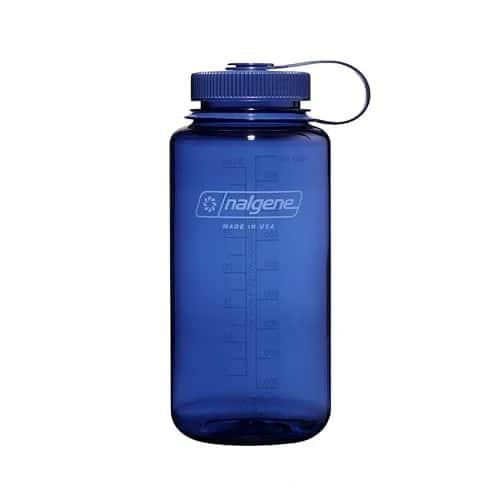
- Purpose-built water storage containers (blue 10-25 liter jugs)
- New commercial water bottles (reused is fine if thoroughly cleaned)
- HDPE canisters designed for water storage
Avoid:
- Milk jugs and juice containers: residual sugars harbor bacteria growth even after washing
- Clear PET bottles: fine for short-term (6-12 months), less ideal for multi-year storage
- Any container that previously held chemicals, even if "washed"
Glass
Excellent for water storage — no chemical leaching, indefinite lifespan. Practical limitations: heavy, breakable, inconvenient for large volumes.
Stainless Steel
Durable, chemical-free, good for long-term storage. Ensure it is food-grade stainless steel (304 or 316). Avoid painted or coated interiors.
Filling and Treatment
Tap Water for Storage
Tap water in Germany, Austria, and Switzerland already contains residual chlorine that inhibits bacterial growth. You can store it directly:
- Ensure the container is clean and dry
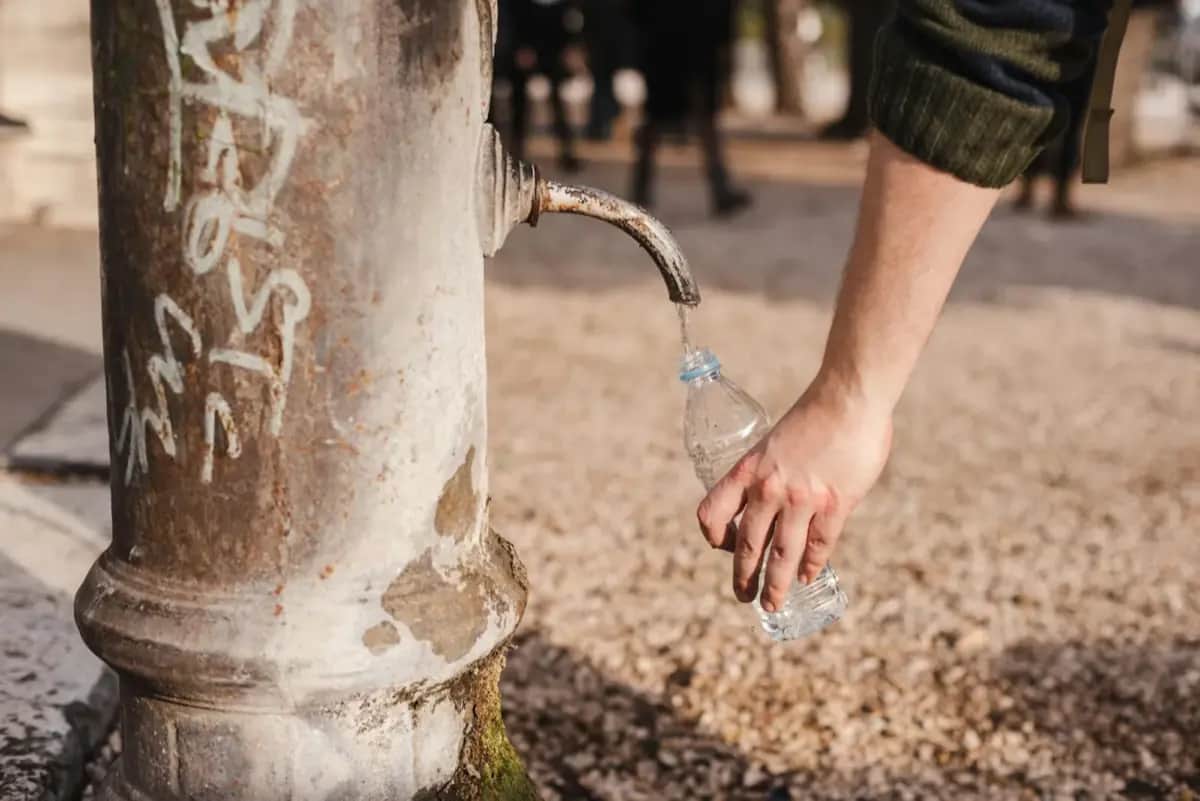
- Fill directly from the cold tap (hot water loses dissolved oxygen, accelerating bacterial growth)
- Seal tightly
- Label with the fill date
Shelf life of treated tap water: 6-12 months in a sealed container; replace annually as a safe rule.
Well Water or Untreated Sources
Must be treated before storage:
- Boil for 3 minutes AND cool before storing, OR
- Add Aquatabs (chlorination) at the correct dose per package instructions
Treating Before Storage
Optional for tap water, but extends shelf life: add 2 drops of unscented bleach (sodium hypochlorite 5-8%) per liter. This increases the residual chlorine, extending safe storage time.
Storage Conditions
Light and Temperature
Light: Store in a dark location. Light promotes algae growth even in treated water.
Temperature: Cool and consistent (10-20°C ideal). Avoid locations with temperature swings — heat accelerates degradation of plastic containers and reduces chlorine effectiveness.
Avoid: Near chemicals, petrol, cleaning products — plastics can absorb odors and traces of other substances.
Away from the Floor
Store containers on shelves or pallets, not directly on concrete floors. Concrete can leach chemicals into plastic containers over long periods.
How Long Does Stored Water Last?
| Water Type | Container | Conditions | Safe Duration |
|---|---|---|---|
| Tap water (chlorinated) | Sealed HDPE jug | Cool, dark | 6-12 months |
| Commercially bottled | Sealed original PET | Cool, dark | Up to best-before date |
| Well water (treated) | Sealed HDPE | Cool, dark | 6 months |
| Boiled and stored | Glass/HDPE sealed | Cool, dark | 6 months |
Rule: Rotate your water supply every 12 months regardless. Used water (even if "expired") can be used for toilet flushing or plant watering — nothing is wasted.
The Rotation System
Emergency water only has value if it is not all expired when you need it. Use the FIFO (First In, First Out) principle:
- Date every container when filled
- New containers go to the back
- Older containers come to the front
- Every 12 months: use the oldest water (or pour into garden), refill the container
If you integrate water rotation into a regular routine (e.g., on your birthday, or the first week of every year), it becomes automatic.
Assessing Whether Stored Water Is Still Safe
Visual check: Clear water that looks clean is usually fine. Cloudy, discolored, or water with visible particles is suspect.
Smell test: No odor is good. Musty, chemical, or unusual odors indicate contamination.
Taste test (if unsure): Small sip only. Off-taste does not automatically mean unsafe, but is a flag.
When in doubt: Treat before drinking (boil or chlorinate) or discard.
Minimum Recommended Storage
| Household Size | 3-Day Minimum | 2-Week Target |
|---|---|---|
| 1 person | 9 liters | 42 liters |
| 2 people | 18 liters | 84 liters |
| 4 people | 36 liters | 168 liters |
Practical containers for 84 liters: 4x Rotopax 20-liter canisters or 8x 10-liter HDPE jugs (cost: ~60-80 euros, available at camping or garden supply stores).
Conclusion
Correct water storage is straightforward: food-grade containers, clean fill, sealed and dated, stored cool and dark, rotated annually. The biggest mistake is buying water and forgetting about it for 3 years. A simple rotation routine — mark it in your calendar — ensures your emergency water is actually safe when you need it most.
Recommended Products
As an Amazon Associate we earn from qualifying purchases. Buying through our links supports the development of this app at no extra cost to you.