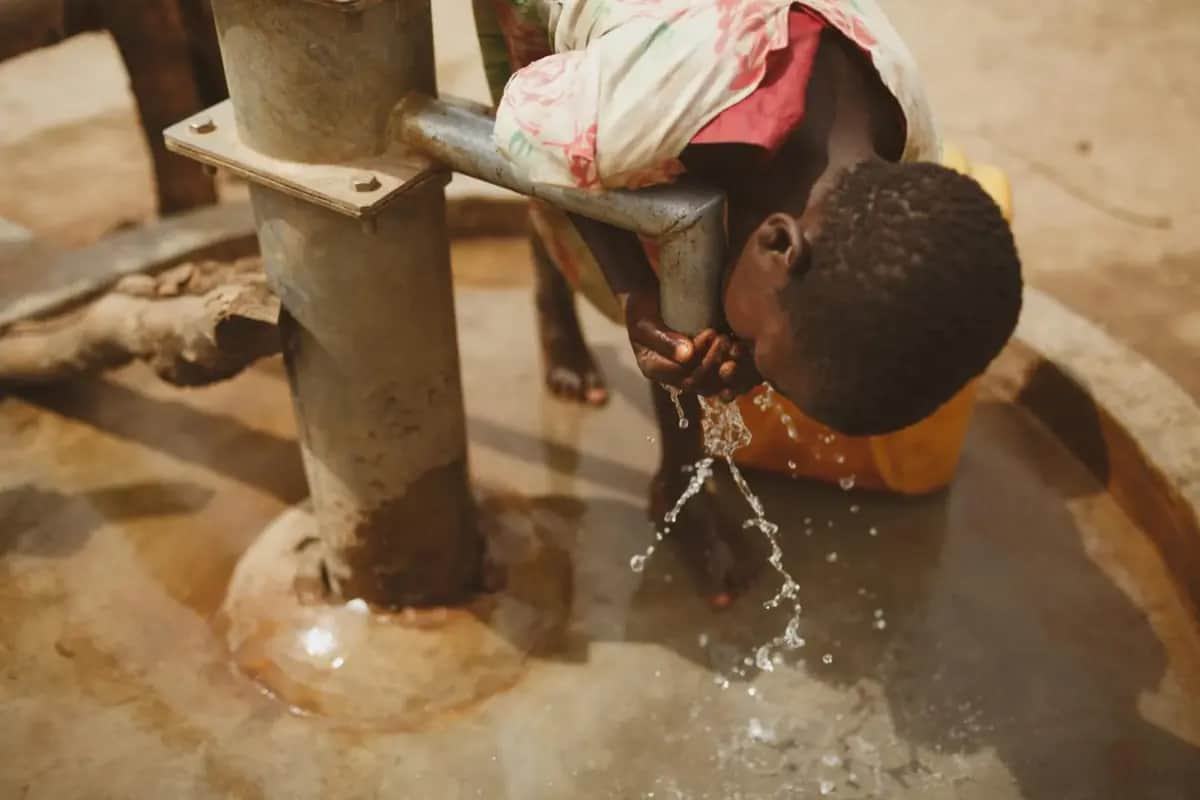
 Foto: illustrate Digital Ug / Pexels
How Much Water Do You Really Need? Liters Per Person Explained
How many liters of water per person per day in an emergency? The real numbers, what factors change the calculation, and how to build the right reserve.
The Official Recommendation and Why It Is Not Enough
The German Federal Office of Civil Protection (BBK) recommends 2 liters of drinking water per person per day as the minimum for emergency storage. Many guidelines stop there.
But 2 liters covers only drinking. Real water needs in an emergency are significantly higher when you account for cooking, basic hygiene, and sanitation. This article breaks down the real numbers.
Water Uses and Their Minimum Requirements
Drinking: 2 Liters (Non-Negotiable)
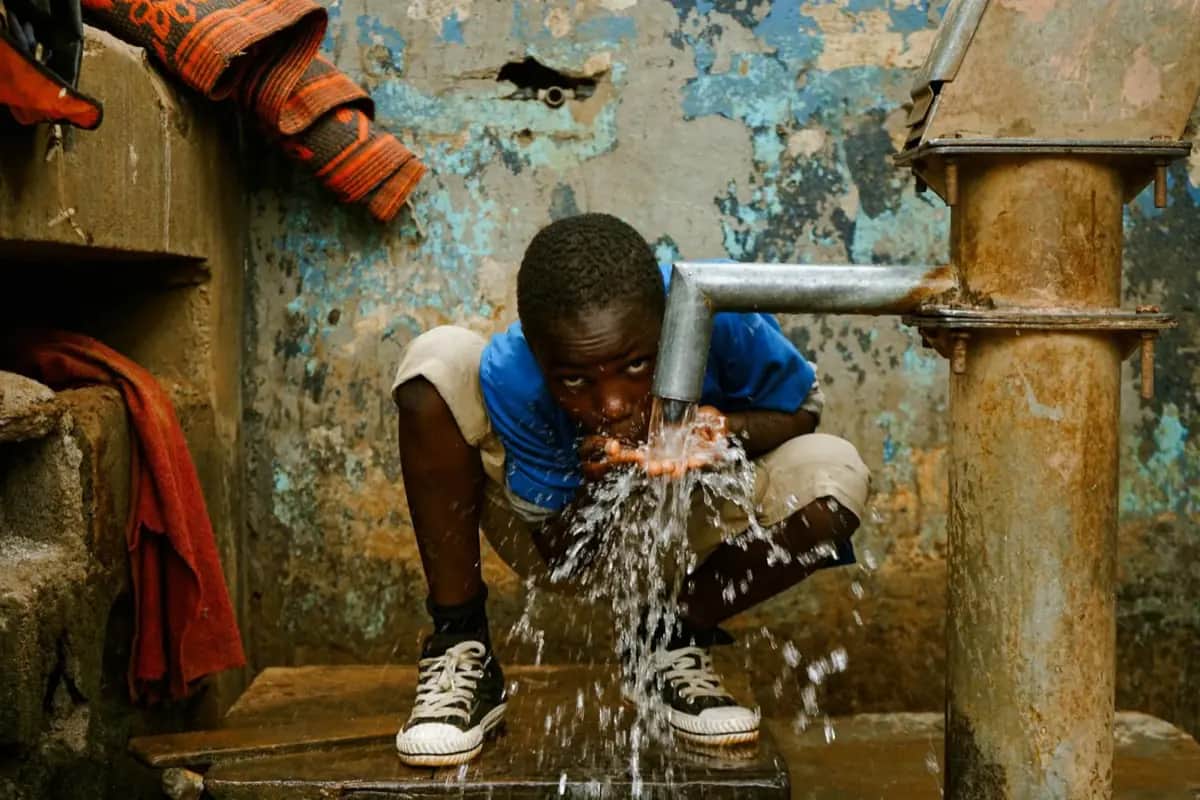
At rest in moderate temperature: 2 liters per adult per day is the physiological minimum. This can increase to:
- 3-4 liters in hot weather (summer emergencies)
- 3-4 liters with physical exertion
- Children under 10: 1-1.5 liters
- Pregnant or breastfeeding women: add 0.5-1 liter
Bottom line: 2 liters is the floor, not the target.
Cooking: 0.5-1 Liter
Preparing food requires water — for rehydrating dried foods, cooking grains, and making soup or drinks. With an emergency food plan based on canned goods and ready-to-eat foods, this can be minimized.
Minimum: 0.5 liters/person/day if using pre-cooked or no-cook emergency foods.
Basic Hygiene: 0.5-1 Liter
Handwashing (critical for health), face washing, oral hygiene — this can be done with:
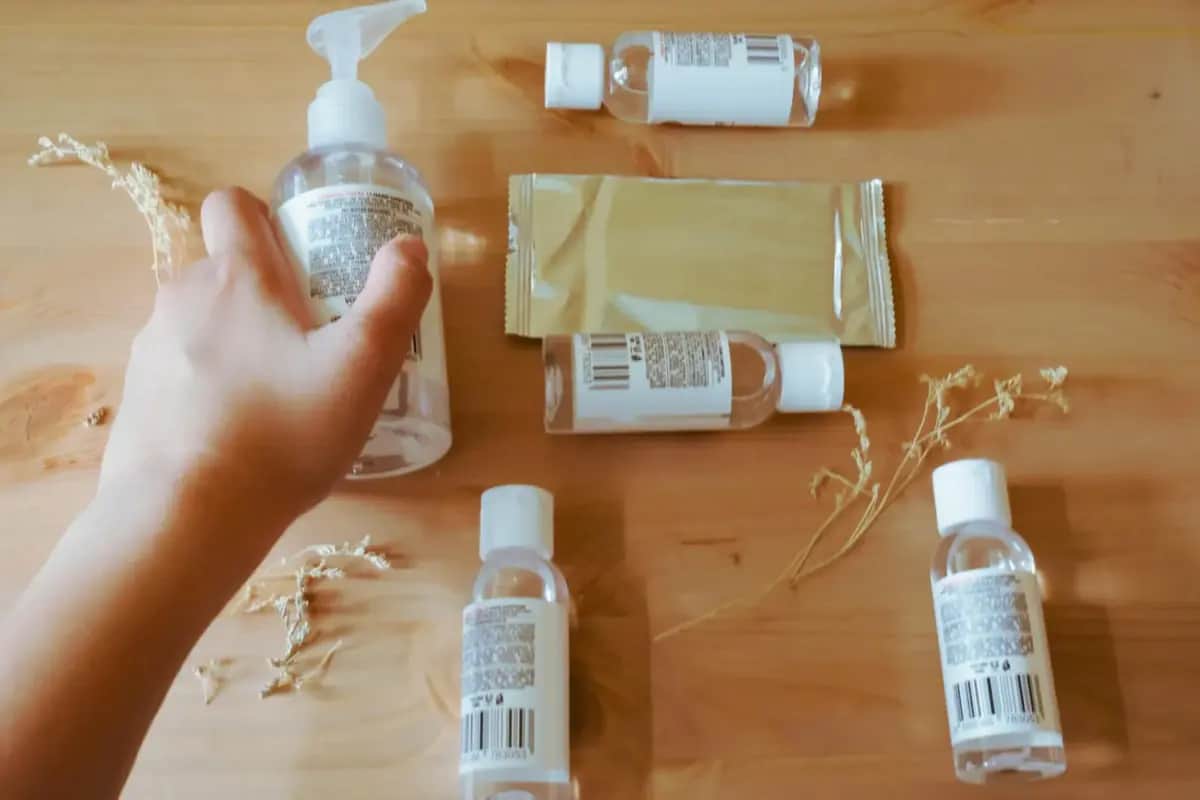
- Handwashing: 0.5 dl per wash (or hand sanitizer as substitute)
- Teeth brushing: no water required if using correct technique
- Face wash: 0.5 dl
Practical minimum: 0.5 liters if using hand sanitizer for most handwashing; 1 liter without sanitizer.
Body Hygiene: 1-3 Liters Per Day (Optional in Short Crises)
A sponge bath using a basin and washcloth requires:
- Minimum effective bath: 2-3 liters
- Every other day (3-4 day crisis): 0.5 liters/day average
For a 72-hour crisis: hygiene water can be deferred until the crisis resolves.
Sanitation (Toilet Flushing): Variable
A standard toilet flush uses 6-9 liters. Without tap water:
- Bucket flushing: 10-15 liters per flush
- Reduce flushing frequency (solids only)
- Use bathtub or collected rainwater for this purpose — do not use drinking water
Practical: Bathtub water (150-200 liters) covers 10-20 flushes.
The Real Numbers: Total Per-Person Per-Day
| Scenario | Liters/Person/Day |
|---|---|
| Survival minimum (drinking only) | 2 L |
| Basic emergency (drink + cook + hands) | 3.5 L |
| Comfortable emergency (full hygiene) | 6-8 L |
| Normal household equivalent | 100-150 L |
Recommendation for emergency planning: Use 4 liters/person/day as your base calculation. This covers drinking, cooking, and basic hygiene with modest rationing.
Factors That Increase Needs
Climate and Season
- Summer heat (+30°C): Add 1-2 liters/person/day for sweat replacement
- Physical activity: Add 0.5-1 liter per hour of moderate activity
Health Conditions
- Diarrhea or vomiting: Fluid loss can reach 2-4 liters/day — critical to replace
- Fever: Increases fluid needs by 0.5-1 liter/day
- Kidney disease: Consult physician; water requirements can be higher or lower
Special Populations
- Infants under 6 months: Breastfed babies need no additional water (mother's milk only); formula-fed babies need clean water for formula preparation
- Elderly: Often under-drink; remind and encourage drinking
Calculating Your Household Reserve
Formula: Liters/person/day × Number of people × Days of coverage
Example: Family of 4, 2-week reserve at 4 liters/person/day: 4 × 4 × 14 = 224 liters
Practical breakdown:
- 10 cases of 1.5L bottles (6 bottles each) = 90 liters: everyday drinking
- 2x 25-liter storage canisters (HDPE) = 50 liters: hygiene water
- Bathtub capacity: 150-200 liters: sanitation reserve
Total with bathtub: ~290 liters for a family of 4 for 2 weeks.
Storage Volume Implications
| Liters | Approximate Physical Size |
|---|---|
| 20L | One 20L canister (5kg empty) |
| 100L | A stack of ten 10L jugs |
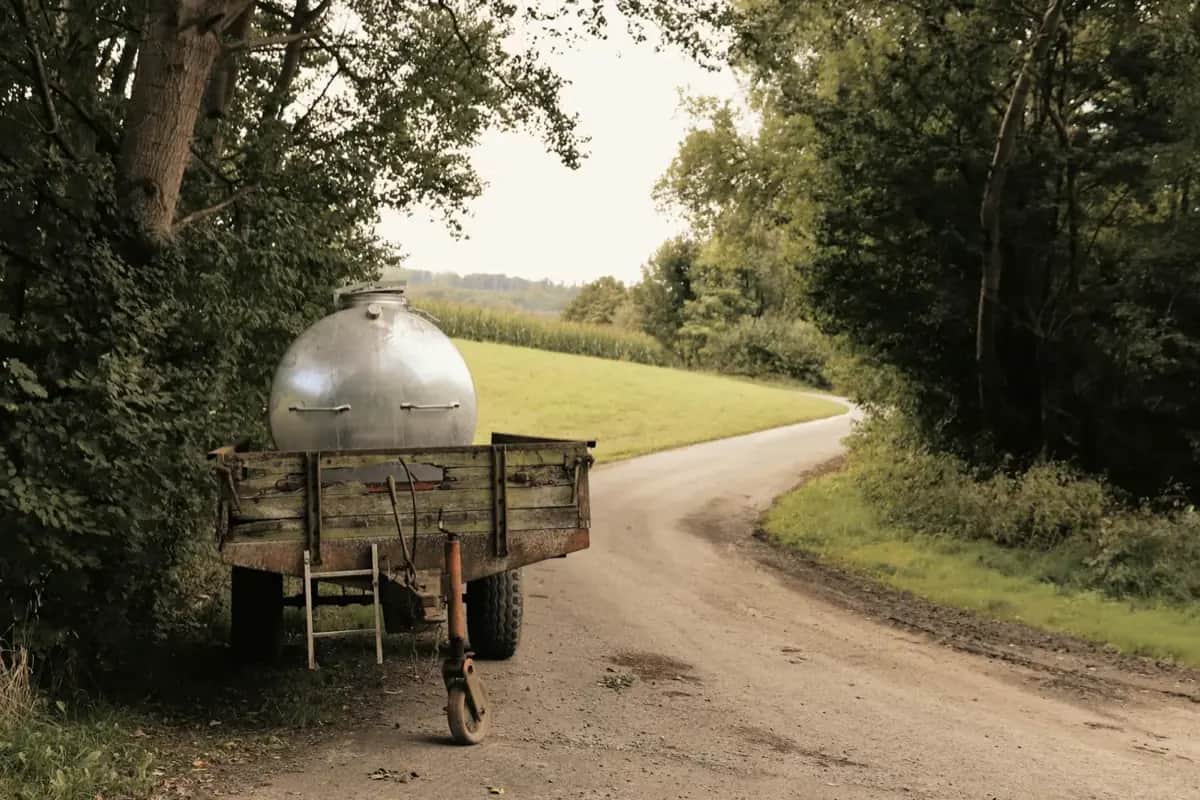
| 200L | IBC tote container (compact, stackable) |
For apartments: 10-liter HDPE jugs are most practical — stackable, easy to carry, available in hardware stores. A stack of 10 jars (100 liters) fits in a 60×40cm floor area.
Conclusion
The "2 liters per day" guideline gives you survival-level coverage. For actual emergency comfort and health safety, plan for 4 liters per person per day. For a family of 4 planning for 2 weeks, that is 224 liters — substantial, but achievable with proper storage containers and a rotation plan. Start with a 3-day reserve and scale up.
Recommended Products
As an Amazon Associate we earn from qualifying purchases. Buying through our links supports the development of this app at no extra cost to you.