 Foto: Magda Ehlers / Pexels
Supermarket Shelves Empty: How Your Food Storage Gets You Through 4 Weeks
What actually happens when supermarket shelves empty during a crisis? How a proper food stockpile gets you and your family through 4 weeks without resupply.
It happened during COVID-19: within 24-48 hours of a crisis announcement, supermarket shelves emptied of pasta, rice, flour, and toilet paper. For the unprepared, this created genuine hardship. For those with a food stockpile, it was a non-event. Here's what the first 4 weeks look like — with and without preparation.
Day 1-3: The Rush
Without stockpile: You're competing with everyone else for what remains. Bread, milk, fresh produce, and basic staples are gone within hours. You may find specialty items but not basics. Stress, cost, and uncertainty dominate.
With 4-week stockpile: You stay home. You watch the news. You continue normal routines with your stored food. You might pick up a few fresh items from what's available, but you're not dependent on it.
Week 1: Adjustment
Without stockpile: Improvisation. Eating what you have, shopping when possible, potentially skipping nutritional variety. Decision fatigue from constant "what can I make?" questions.
With stockpile: Normal eating patterns with minimal disruption. The family eats familiar food in familiar routines. Stress is dramatically lower.
What you're eating from your stockpile:
- Fresh items first (use up refrigerator contents)
- Then shelf-stable staples you normally eat
- Routine maintained: breakfast, lunch, dinner
Week 2: New Normal
Without stockpile: You're adapting to scarcity. Expensive purchases (panic pricing), questionable quality items, potentially nutrition gaps.
With stockpile: Your stored foods become the basis of daily meals. The challenge now is cooking variety from your staples.
Sample week 2 menu from a well-stocked pantry:
- Breakfast: Oatmeal with honey
- Lunch: Lentil soup, crackers
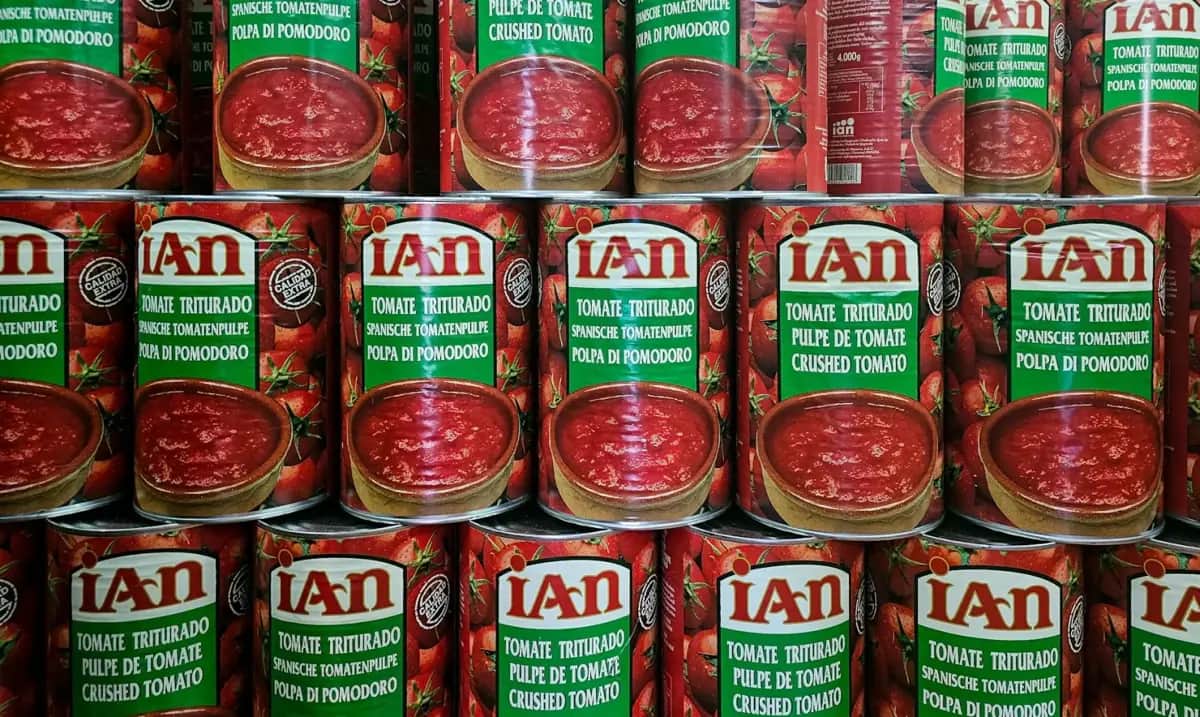
- Dinner: Pasta with canned tomato sauce + canned tuna
Monotonous? Somewhat. But nutritious, filling, and sustainable.
Week 3: Resource Management
Even with a 4-week stockpile, week 3 requires smart management:
What to watch:
- Calorie tracking: Are you eating enough?
- Protein sources: Canned fish and legumes must be incorporated regularly
- Vitamins: Canned vegetables provide some vitamins; multivitamins in your kit fill gaps
- Morale: Variety becomes important. This is why your stockpile needs more than just rice.
A proper 4-week stockpile for 4 people includes:
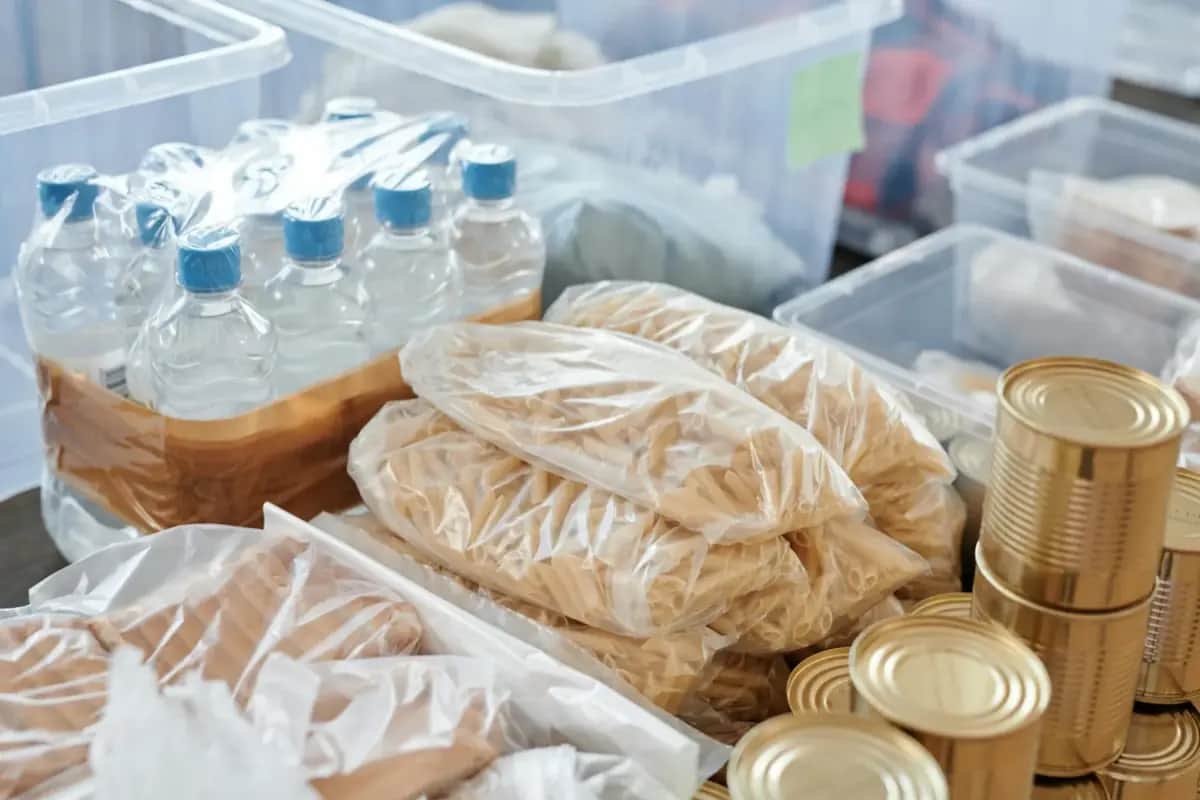
- 40kg white rice or pasta
- 20kg dried lentils and beans
- 80+ cans of fish, meat, and vegetables
- 20kg oats
- Oil, salt, sugar, basic spices
- Coffee, tea, chocolate
- Multivitamins
Week 4: The Final Stretch
By week 4, most crisis-related supply chain disruptions in developed countries are either resolved or adapting. But you want to emerge from 4 weeks with a cushion — not on empty.
Target: Leave week 4 with at least 3-5 days of food still in reserve.
Why: Supply chains recover but don't snap back to normal immediately. Leaving reserves prevents you from rushing to an ill-stocked store the moment things partially reopen.
Calorie Math: What 4 Weeks Actually Requires
| Person | Daily calories needed | 28-day total |
|---|---|---|
| Adult (active) | 2,500 kcal | 70,000 kcal |
| Adult (sedentary) | 2,000 kcal | 56,000 kcal |
| Child (10-12) | 1,800 kcal | 50,400 kcal |
| Child (under 6) | 1,200 kcal | 33,600 kcal |
For a family of 4 (2 adults, 2 children): ~250,000 kcal total
In practical terms:
- 40kg rice: 144,000 kcal
- 20kg dried beans/lentils: 68,000 kcal
- 80 cans (250g each): ~25,000 kcal
- 10kg oats: 38,000 kcal
- Fats/oils (2L): ~17,000 kcal
- Total: ~292,000 kcal — enough for 4 weeks with buffer
The COVID-19 Lesson
During COVID-19, many countries experienced supply disruptions lasting 4-8 weeks for specific items. Those with 2-4 week food stockpiles navigated this calmly. Those without struggled with anxiety, financial stress from panic prices, and nutrition gaps.
The lesson: a 4-week food stockpile isn't paranoia. It's basic household risk management.