 Foto: Roman Biernacki / Pexels
Home Canning and Vacuum Sealing: Beginner's Guide for Emergency Preparedness
How to preserve food at home through canning and vacuum sealing. Step-by-step guide for beginners who want to extend shelf life and build a long-term food supply.
Home food preservation has been practised for centuries. Today, with modern understanding of food safety and better equipment, you can extend the shelf life of homegrown or purchased foods significantly — building your emergency stockpile while preserving seasonal foods at peak quality.
Why Home Preservation for Emergency Prep?
Benefits:
- Control over ingredients (no preservatives, additives)
- Preserve excess garden produce
- Potentially lower cost than commercial products
- Self-sufficiency skills that remain useful long-term
- Can preserve foods you actually enjoy eating
Honest caveat: Home preservation done incorrectly can be dangerous (botulism risk). Follow established, tested recipes and processes exactly.
Method 1: Water Bath Canning
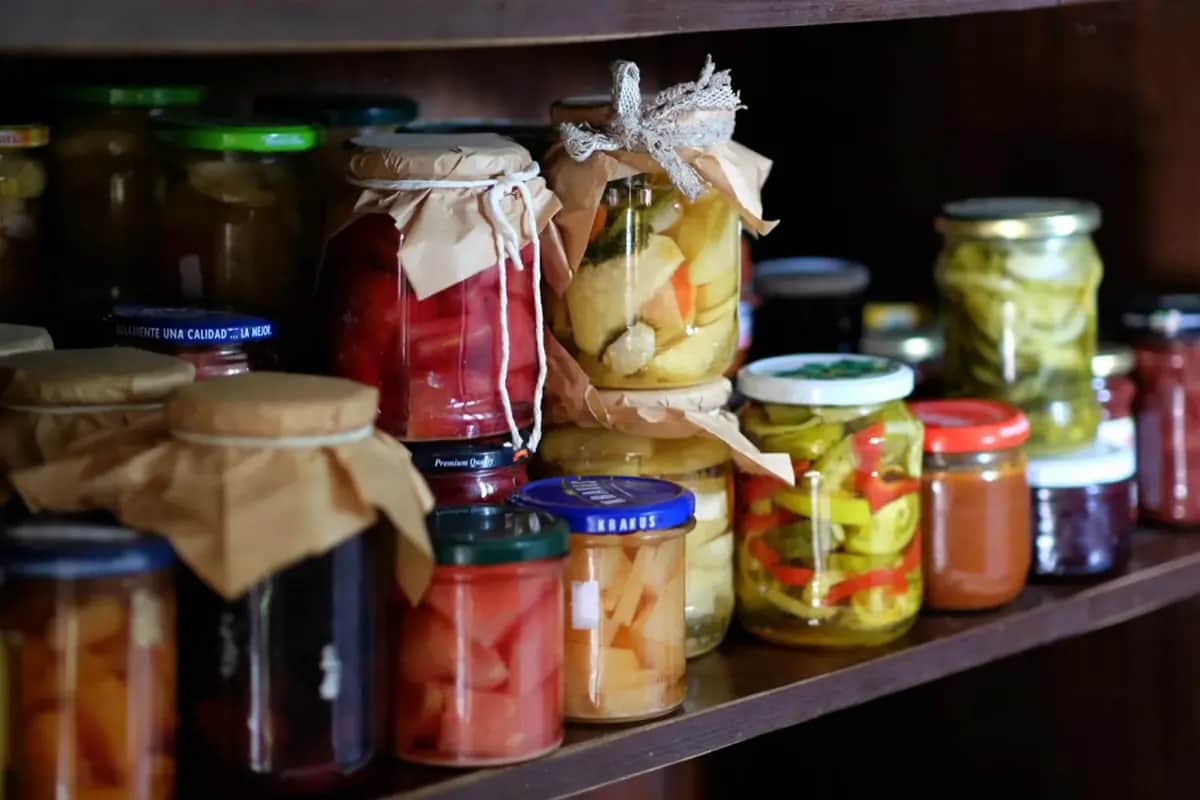
Water bath canning is the simplest home canning method, suitable for high-acid foods (pH below 4.6).
Suitable foods:
- Fruits (jams, preserves, whole fruits in syrup)
- Fruit juices
- Pickles and pickled vegetables
- Tomato products (with added acid — lemon juice or vinegar)
- Chutneys and fruit-based sauces
NOT suitable: Low-acid foods (most vegetables, meat, fish, beans). These require pressure canning.
Equipment needed:
- Large pot with rack (the "water bath canner")
- Mason jars with new lids (lids must be new each time)
- Jar lifter, lid wand, funnel (the canning tool kit)
- Thermometer
Basic Process:
- Sterilize jars in boiling water (10 minutes)
- Prepare your food according to a tested recipe
- Fill hot jars leaving appropriate headspace (typically 1 cm for most recipes)
- Remove air bubbles with a thin spatula
- Wipe jar rims clean, apply lids and bands finger-tight
- Process in boiling water for the time specified in your recipe
- Remove and let cool undisturbed 12-24 hours
- Check seal (lid should not flex up and down when pressed)
- Label with content and date
Shelf life: 1-2 years of best quality; safely edible longer
Method 2: Pressure Canning
Required for low-acid foods to safely reach temperatures (116-121°C) that kill botulism spores.
Suitable foods:
- All vegetables (beans, corn, carrots, peas)
- Meat and poultry
- Fish and seafood
- Soups and stews
- Dried beans (pre-cooked)
Equipment needed:
- Pressure canner (this is NOT the same as a pressure cooker — they have different pressure gauges)
- Same jar and tool kit as water bath canning
Process: Similar to water bath canning but using a pressure canner at specific pressure settings for each food type. Always use a tested recipe with exact pressure settings and processing times for your altitude.
Shelf life: 1-5 years of best quality
Method 3: Vacuum Sealing Dry Goods
Vacuum sealing removes air (oxygen) from packages, dramatically extending the shelf life of dry goods.
Best for:
- White rice, dried beans, pasta, oats, flour
- Dried herbs and spices
- Dehydrated fruits and vegetables
- Coffee and tea
Equipment options:
- Vacuum sealer machine (FoodSaver type): Removes air from plastic bags using suction
- Mylar bags + oxygen absorbers: Best for 10+ year storage in food-grade buckets
Mylar bag process (best for long-term storage):
- Pour dry goods into mylar bag inside a food-grade bucket
- Add appropriate oxygen absorber(s) (size based on bag volume)
- Seal mylar bag with heat (clothes iron works)
- Label with contents and date
- Seal bucket with gamma seal lid
Expected shelf life:
- White rice: 25-30 years
- Dried beans: 25-30 years
- Pasta: 15-20 years
- Oats: 10-15 years
- Flour: 10-15 years
Food Safety Non-Negotiables
Botulism risk: Clostridium botulinum produces a toxin in low-acid, anaerobic (oxygen-free) environments. Improperly canned low-acid foods are the primary source of home canning botulism.
Never:
- Use water bath canning for low-acid foods
- Skip tested processing times
- Reuse commercial lids (they don't seal reliably a second time)
- Modify tested recipes (changes can affect safety)
Always:
- Use tested recipes from USDA, Ball Blue Book, or equivalent trusted sources
- Check all seals after processing
- When in doubt, throw it out — botulism toxin is odorless and tasteless
Getting Started: Your First Projects
Easiest starting points:
- Strawberry jam (water bath, high success rate, delicious)
- Vacuum-sealed white rice in mylar bags (no safety concerns, 30-year shelf life)
- Pickled cucumbers (water bath, very forgiving, widely enjoyed)
Recommended resource: Ball Blue Book of Preserving — the definitive beginner's reference for home canning with tested recipes.