 Foto: Joslyn Pickens / Pexels
Buying Long-Term Emergency Food: What You Really Need to Look For
Planning to buy long-term emergency food? These are the key factors to evaluate before spending money on any food storage product or kit.
The emergency food market has grown rapidly, and not all products are equal. Some deliver exactly what they promise. Others use misleading claims, poor nutritional profiles, or packaging that fails long before the claimed date. Here's what to actually evaluate before buying.
1. Evaluate Actual Calories, Not "Servings"
The biggest deception in emergency food marketing is the "serving" definition. A company might advertise a "1-month supply" of food — but define a serving as 240 calories. That's barely a quarter of what most adults need per day.
Always calculate:
- Total calories in the package ÷ Daily calories needed ÷ Number of people = Days of actual coverage
Rule of thumb for adults:
- Sedentary: 2,000 kcal/day
- Active or working in emergency conditions: 2,500-3,000 kcal/day
Red flag: Products advertising "1-month supply for 4 people" at under €100. Do the calorie math — it almost certainly doesn't add up.
2. Check the Nutritional Profile
Food storage isn't just about calories. You need:
- Protein: Minimum 50-70g/day per adult. Without protein sources, muscle mass deteriorates in extended emergencies.
- Fat: Essential for energy and fat-soluble vitamins
- Carbohydrates: Primary energy source
- Micronutrients: Vitamins and minerals
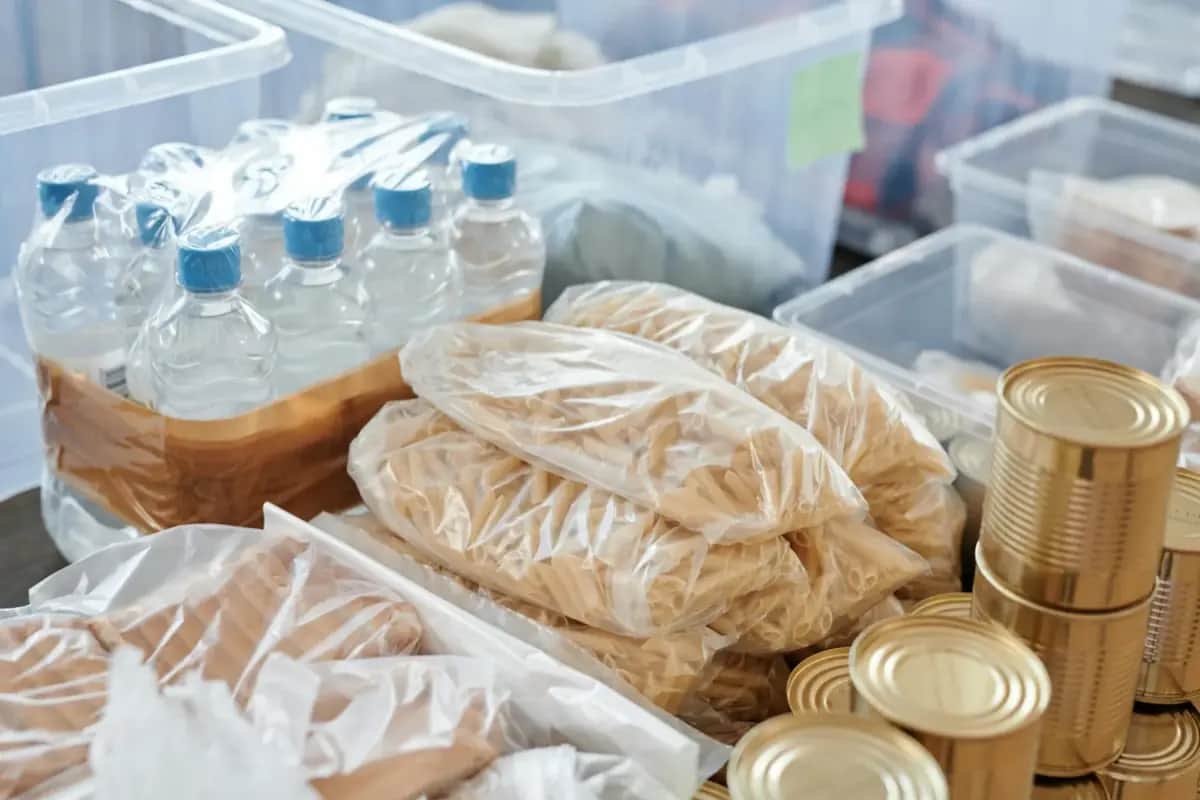
Problem with many cheap food bucket kits: They're heavy on simple carbohydrates (pasta, rice, instant oatmeal) but low on protein and healthy fats. This is fine as a foundation but inadequate as a complete solution.
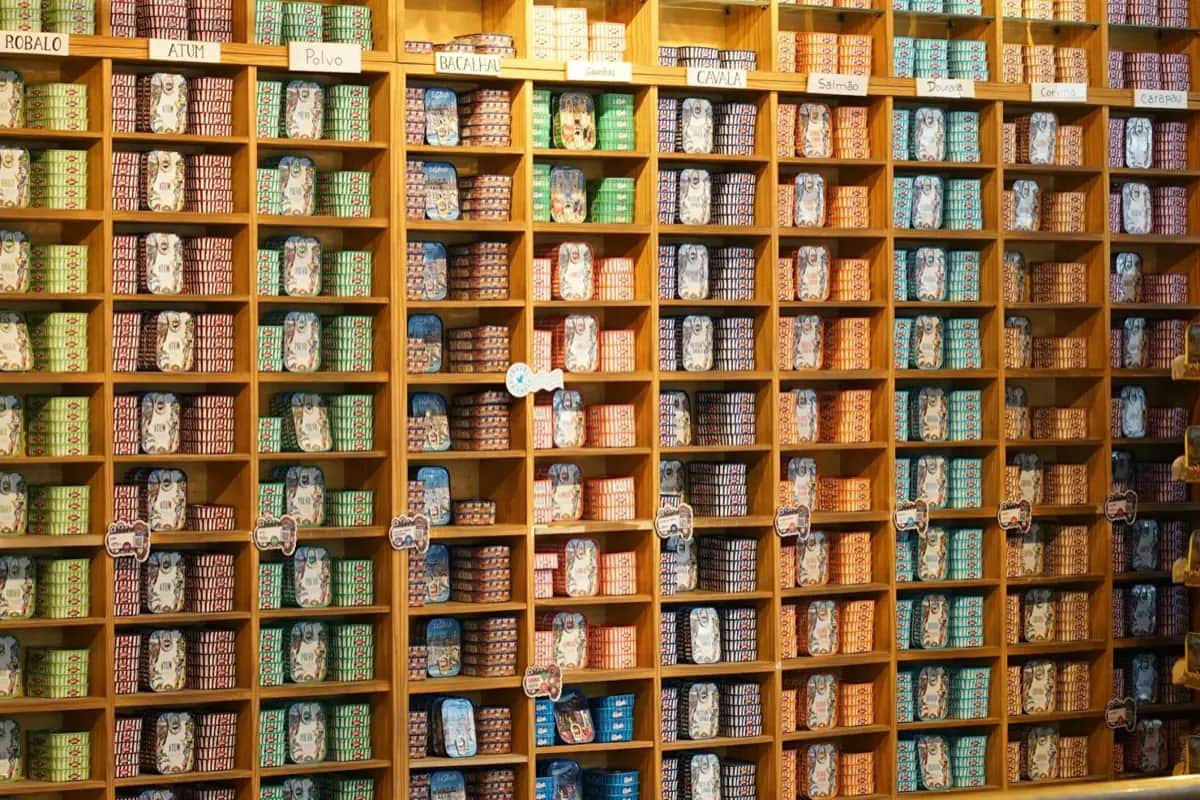
Solution: Supplement any carbohydrate-heavy kit with canned proteins (tuna, sardines, chicken) and healthy fats (olive oil, nuts, coconut oil).
3. Understand What the Shelf Life Claim Actually Means
Marketing claim: "30-year shelf life"
What it might actually mean:
- 30-year shelf life if stored at 15°C in ideal conditions
- Quality may degrade significantly well before then
- Some products require vacuum sealing and oxygen absorbers to reach claimed dates
Legitimate shelf life claims:
- Should specify storage temperature (many are based on 15-21°C)
- Should reference independent testing
- Major brands (Mountain House, Augason Farms) have tested their claims
Practical guidance: Plan for shelf life at your actual storage temperature, not ideal conditions. If your storage area reaches 25-30°C in summer, actual shelf life may be 30-50% shorter than claimed.
4. Consider Water Requirements
Many long-term food products require significant water for preparation. In a real emergency, water may also be limited.
Check before buying:
- Does this product require water? How much per serving?
- Can any products be eaten without water in an extreme emergency?
Build in "no-water" options: Canned goods (eat from can), nuts, crackers, granola bars, nut butter — things that require no water even to prepare.
5. Test Before You Stock
Never buy 6 months of any food you've never tasted. Even well-reviewed products may not suit your family's preferences.
Practical test: Buy a sample pack or single pouch of any freeze-dried or packaged meal before bulk purchasing. Make the entire family eat it as a normal meal. Would you eat this again in a stressful situation?
6. Packaging Integrity for Long-Term Storage
What to look for:
- Mylar or metallic packaging (protects against oxygen and light)
- Oxygen absorbers included for dry goods
- Sealed buckets or cans for bulk items
- Clear production and best-by dates
Red flags:
- Paper or cardboard primary packaging (absorbs moisture)
- No mention of oxygen removal
- Translucent bags (light degrades food over time)
7. Price Per Calorie and Value Assessment
Benchmark prices (2025 UK/EU market):
- Dry goods (rice, lentils, oats): €0.60-1.50 per 1,000 kcal
- Canned goods: €2-5 per 1,000 kcal
- Freeze-dried: €5-10 per 1,000 kcal
- Pre-packaged emergency kits: €8-20 per 1,000 kcal (premium for convenience)
The convenience premium: Pre-packaged emergency kits charge significantly more per calorie. You're paying for convenience, variety, and packaging. This can be worth it for bug-out situations but is expensive for building a home stockpile.
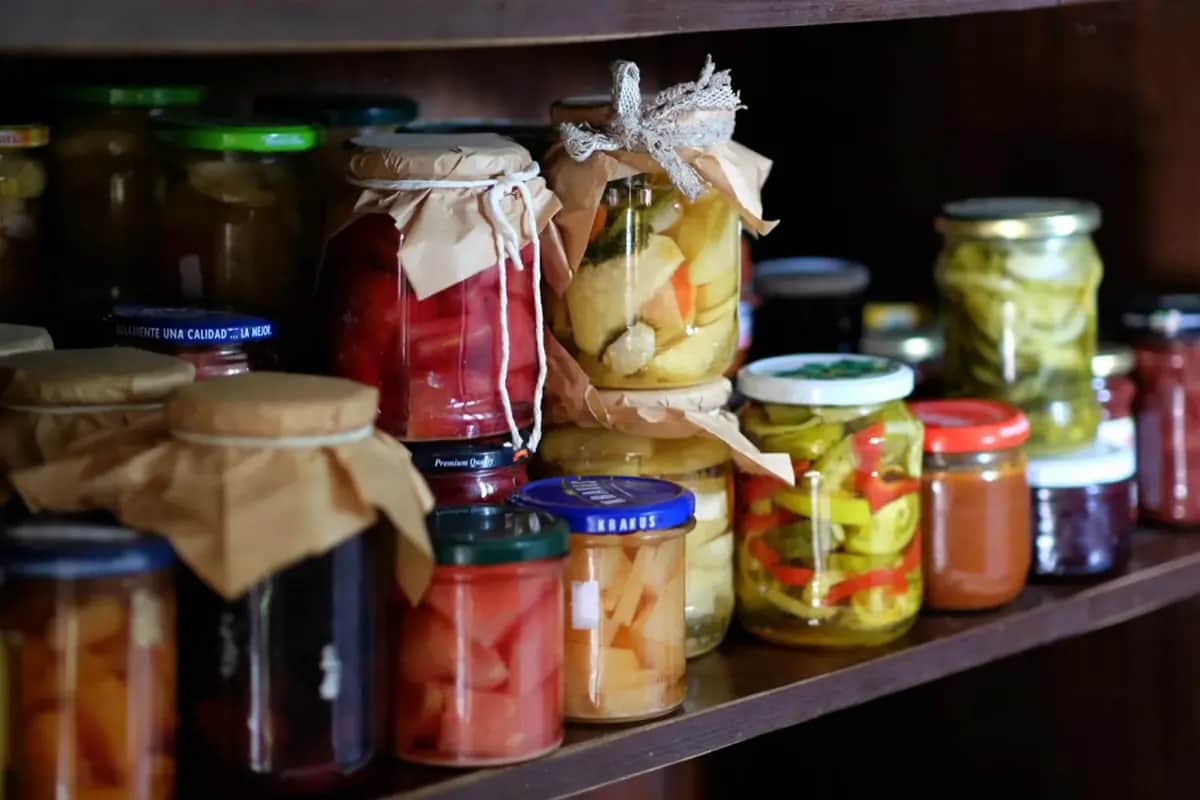
Recommendation: Build your foundation from bulk dry goods and canned items purchased from regular grocery stores. Supplement with 10-15% freeze-dried for convenience and variety. This gets you 80% of the value at 30-40% of the cost of all-in-one kits.