 Foto: Alexas Fotos / Pexels
Canned vs. Freeze-Dried vs. Vacuum-Packed: Which Emergency Food Wins?
Canned goods, freeze-dried meals, or vacuum-packed dry goods: which is best for emergency preparedness? Detailed comparison with cost, shelf life, and practical use.
Which preservation method is best for emergency food storage? The honest answer: each has distinct advantages, and the best stockpile uses all three strategically. Here's the complete comparison.
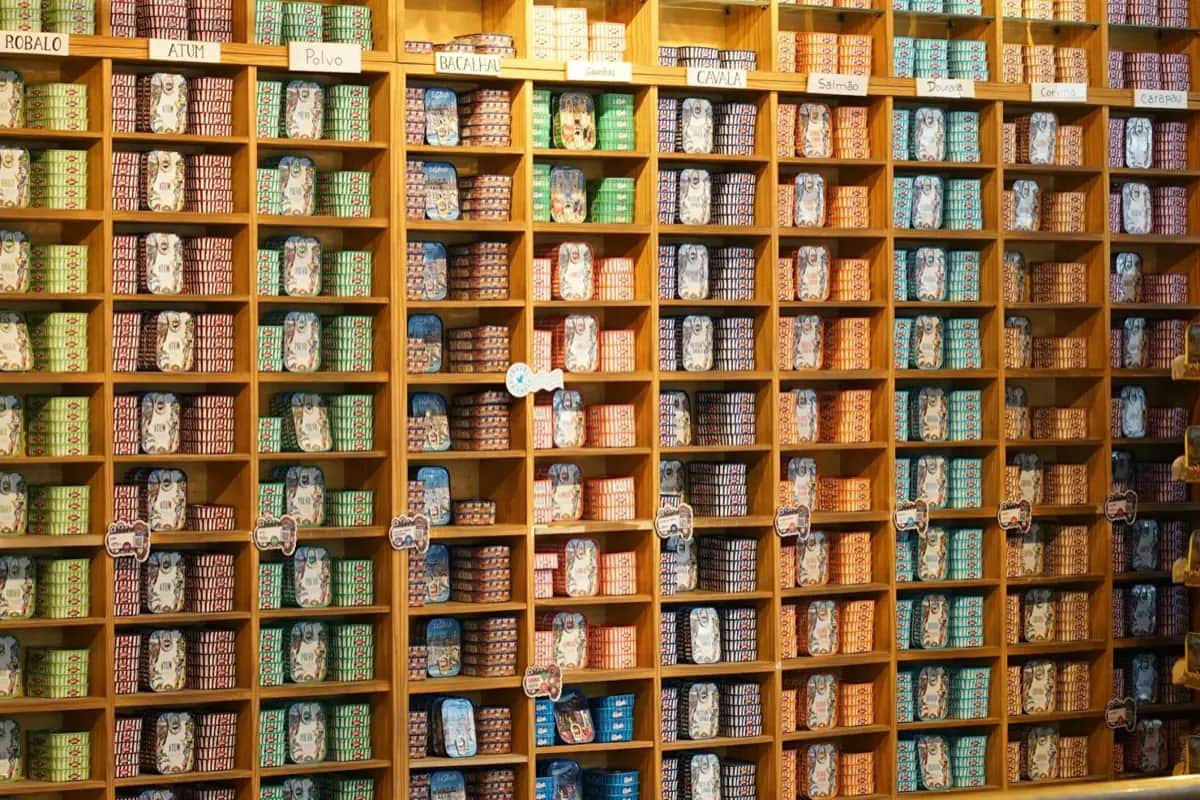
Canned Goods: The Workhorse
How it works: Food is sealed in metal cans and heat-sterilized, killing all pathogens. The sterile environment prevents new growth.
Shelf life: 3-10 years printed; safely edible well beyond with proper storage Cost per 1,000 kcal: €2-5 Weight per 1,000 kcal: 1-2 kg (heavy) Cooking required: No — eat directly from can in emergency
What canned goods do well:
- No-cook eating (critical when fuel is scarce)
- Wide variety (vegetables, fish, meat, legumes, fruit)
- Affordable foundation for any stockpile
- Readily available everywhere
What they don't:
- Heavy per calorie — limits portability
- Shorter shelf life than dry goods
- Bulkier storage space
- Sharp can edges if damaged, require opener
Best role in stockpile: Protein (fish, meat) and quick meals requiring no preparation
Freeze-Dried: Premium Quality, Premium Price
How it works: Cooked food is flash-frozen, then placed in vacuum chamber where moisture sublimates (ice converts directly to vapor). Removes 98% of moisture.
Shelf life: 25-30 years (sealed pouches) Cost per 1,000 kcal: €5-10 Weight per 1,000 kcal: 0.2-0.4 kg (very light) Cooking required: Just add hot water (10-15 minutes)
What freeze-dried does well:
- Best flavor of all preservation methods
- Best nutrition retention (vitamins preserved)
- Lightest weight per calorie
- Longest shelf life
- Quick and easy preparation
What it doesn't:
- Expensive (3-8x cost of dry goods)
- Requires water to prepare
- Pouches can be damaged
Best role in stockpile: Bug-out bag, variety items, convenience meals for high-stress situations
Vacuum-Packed Dry Goods: The Best Value
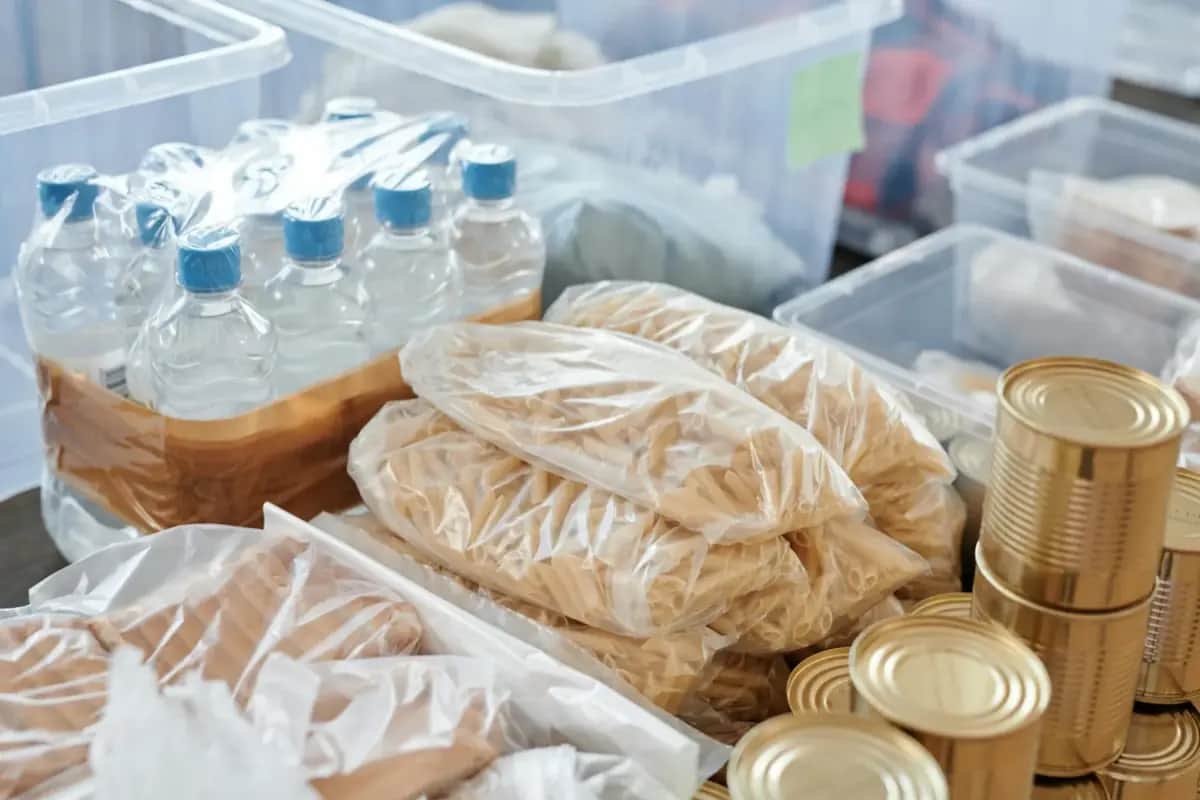
How it works: Dry goods (rice, pasta, oats, beans) stored in vacuum-sealed packages or mylar bags with oxygen absorbers. Removes oxygen that causes degradation.
Shelf life: Rice 25-30 years; pasta 15 years; oats 5-8 years; beans 25-30 years Cost per 1,000 kcal: €0.60-1.50 Weight per 1,000 kcal: 0.3-0.4 kg Cooking required: Yes — typically 15-60 minutes
What vacuum-packed dry goods do well:
- Cheapest per calorie of all options
- Longest shelf life overall
- Excellent calorie density
- Very compact storage for calories
What they don't:
- Require significant cooking time and water
- Less variety compared to canned goods
- Not ready-to-eat (always need preparation)
Best role in stockpile: Foundation — the bulk of your calorie storage
Side-by-Side Comparison
| Criteria | Canned | Freeze-Dried | Vacuum Dry |
|---|---|---|---|
| Shelf life | 3-10 years | 25-30 years | 5-30 years |
| Cost/1000 kcal | €2-5 | €5-10 | €0.60-1.50 |
| No-cook option | Yes | No | No |
| Portability | Poor | Excellent | Good |
| Variety | High | High | Medium |
| Nutrition | Good | Excellent | Good |
| Water needed | No | Yes | Yes |
The Smart Combination
A resilient food stockpile uses all three:
60% Vacuum-packed dry goods — cheapest calories, longest shelf life, most calorie-dense storage
- 20kg white rice, 10kg dried lentils, 5kg oats per person per month
30% Canned goods — no-cook protein, variety, accessible
- 20+ cans of fish and meat, 20+ cans of vegetables and legumes
10% Freeze-dried — convenience, variety, portable options
- 10-15 complete meals per person for bug-out or high-stress moments
Total for 1 person, 30 days: approximately €150-200 using this distribution