 Foto: Warren Yip / Pexels
12 Tips for Emergency Food Storage: Cheap, Simple, and Effective
Build a solid emergency food supply without spending a fortune. These 12 practical tips help you store food correctly, cheaply, and for the long term.
Building a food stockpile doesn't require a dedicated room or a big budget. These 12 practical tips help you build an effective emergency food supply — correctly stored, long-lasting, and affordable.
Tip 1: Start With What You Already Eat
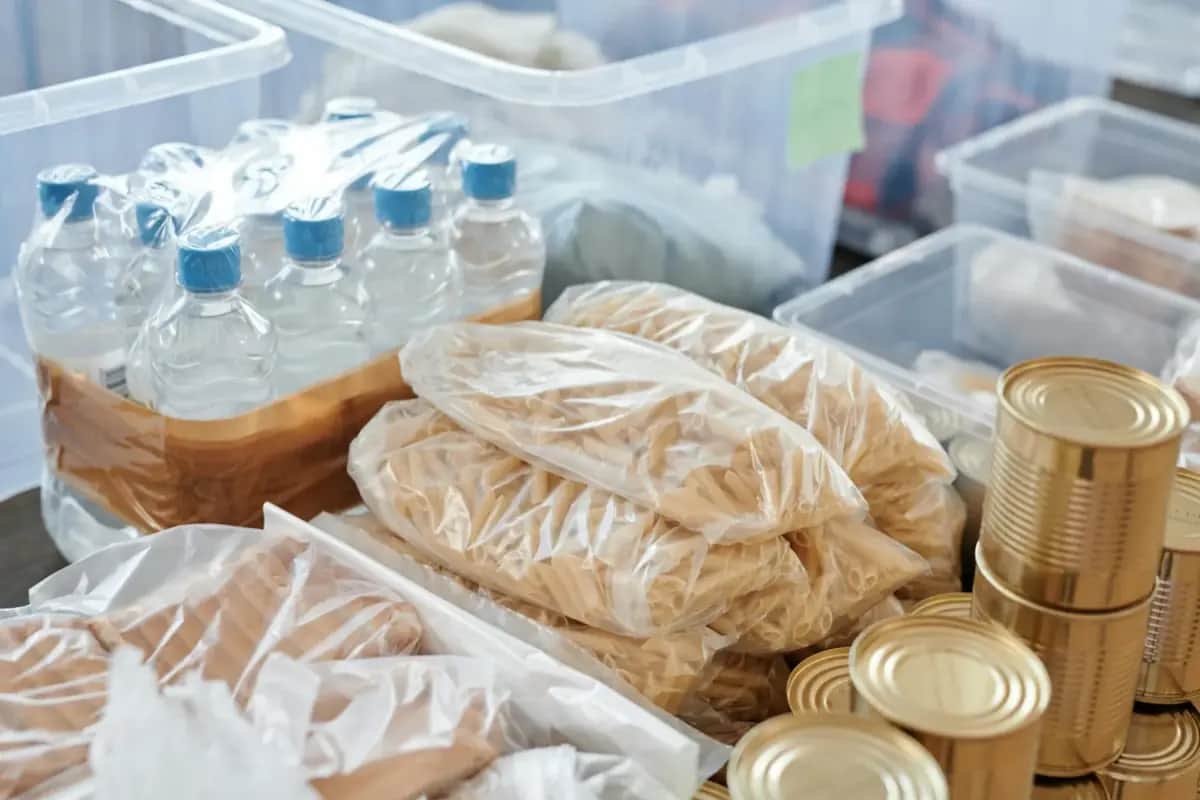
Don't buy specialized survival food that sits untouched because you hate the taste. Start by stockpiling foods you already cook regularly: pasta, canned tomatoes, rice, beans, oats.
Why this matters: You'll rotate through the stock naturally, nothing expires unused, and you'll know how to cook everything in a real emergency.
Tip 2: The FIFO Principle (First In, First Out)
Put new purchases behind older stock. Always take from the front. This simple rotation system ensures you never have expired food in your stockpile.
Practical setup: Label every item with purchase date when you add it. Use a simple shelving system where newer items go behind older ones.
Tip 3: Store in a Cool, Dark, Dry Place
Heat is the enemy of shelf life. A pantry or basement at 10-18°C can triple the effective shelf life of most dry goods compared to a warm kitchen cabinet.
Critical temperatures:
- Above 25°C: Shelf life drops significantly
- Above 35°C: Canned goods degrade, oils go rancid faster
- Ideal: 10-18°C, below 60% humidity, no direct sunlight
Tip 4: Focus on High-Calorie, Shelf-Stable Items
Your emergency stockpile needs to sustain you through hard work and stress. Focus on calorie-dense foods:
Best bang for buck per calorie:
- Oats: ~€0.50 per 1,000 calories
- Rice: ~€0.60 per 1,000 calories
- Pasta: ~€0.70 per 1,000 calories
- Dried lentils: ~€1 per 1,000 calories
- Canned fish: ~€3 per 1,000 calories
Tip 5: Airtight Containers for Dry Goods
Flour, rice, oats, and dried beans in their original paper or thin plastic packaging attract pests and absorb moisture. Transfer to sealed containers.
Best options: Glass jars with rubber seals, food-grade plastic buckets with gamma seal lids (mylar bags inside for oxygen removal).
Tip 6: Oxygen Absorbers for Long-Term Storage
For 10+ year storage, oxygen accelerates degradation. Oxygen absorbers in sealed mylar bags inside food-grade buckets can extend shelf life of white rice to 30 years.
For 1-5 year storage: Airtight containers without absorbers are sufficient.
Tip 7: Don't Forget Cooking Fuel
A pantry full of dry goods is useless if you can't cook them. Rice, pasta, and dried beans all need cooking.
Minimum fuel storage: 6 gas canisters (450g) per person = approximately 3 months of cooking in an emergency (assuming simple one-pot meals).
Tip 8: Stock Multifunctional Items
Prioritize foods that can be used in many different recipes:
- Canned tomatoes: soup, pasta sauce, stew base
- Dried lentils: soup, curry, stew, salad
- Oats: breakfast, flour substitute, thickener
- Olive oil: cooking, dressing, calorie supplement
Tip 9: Include Flavor and Comfort Foods
In a stressful emergency, morale matters. Include:
- Coffee and tea (major quality-of-life items)
- Salt, sugar, pepper, basic spices
- Chocolate (dense calories + morale)
- Honey (natural preservative, lasts indefinitely)
Tip 10: The Envelope Method for Building Stockpile
Can't afford a big purchase? Use the envelope method:
- Each week, put €10-20 in an "emergency food" envelope
- Every shopping trip, add 10-20% more of non-perishable items than you normally would
- Within 2-3 months you'll have a meaningful stockpile at almost no extra pain
Tip 11: Check Expiration Dates Twice a Year
Set a calendar reminder twice a year (e.g., spring and fall) to check your entire stockpile:
- Pull out anything expiring in the next 3 months and use it
- Replace what you've used
This 2-hour session twice a year keeps your stockpile fresh without waste.
Tip 12: Plan for Water Needs of Your Food
Dried goods like rice, pasta, and beans all require significant water to prepare. If water is also scarce, prioritize foods that can be eaten without cooking or with minimal water:
No-cook emergency foods: Crackers, nuts, dried fruit, canned fish (drain and eat), nut butter, granola bars, instant oatmeal (just needs hot water).
Recommended Products
As an Amazon Associate we earn from qualifying purchases. Buying through our links supports the development of this app at no extra cost to you.