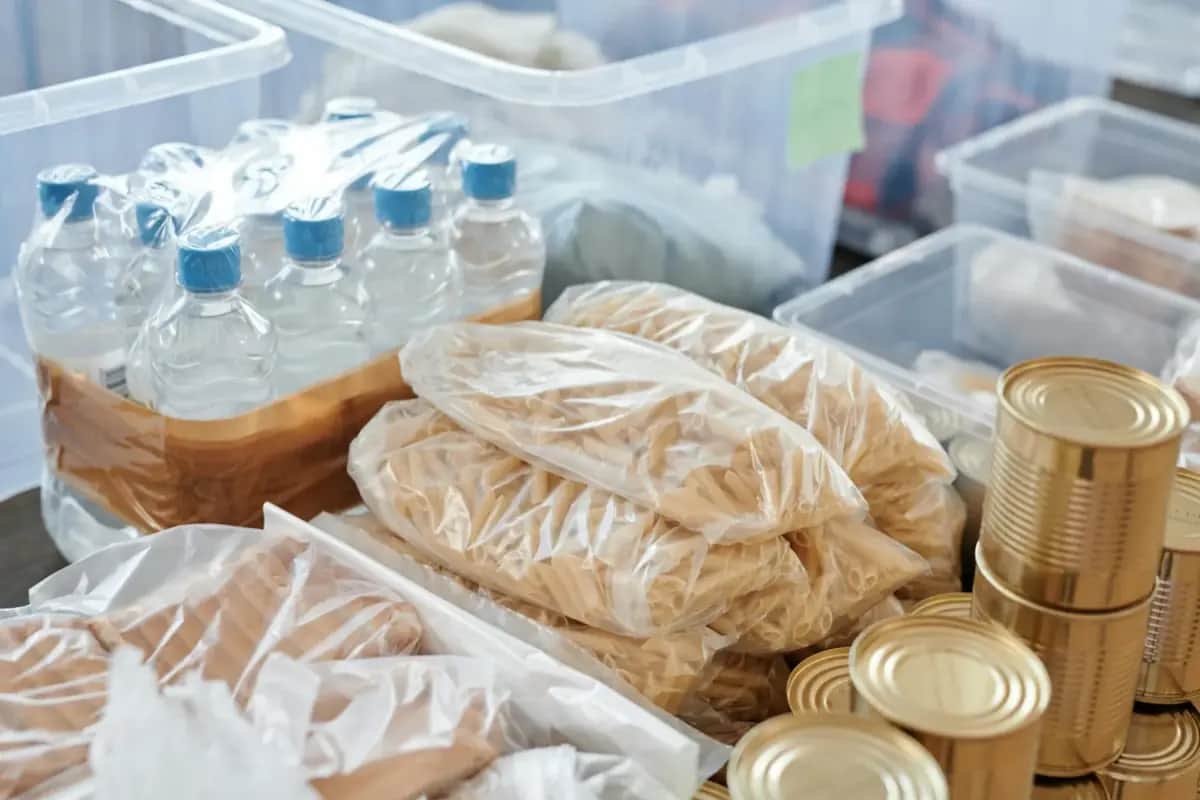
 Foto: Julia M Cameron / Pexels
The 5 Best Long-Term Emergency Food Products on Amazon 2025
Best long-term food storage products for emergency preparedness: honest reviews of freeze-dried meals, food buckets, and staples available on Amazon.
Long-term food storage ranges from expensive freeze-dried meal kits to cheap bags of rice. Here are the 5 best options for building a serious emergency food supply, with honest assessments of what you're actually getting.
What Makes a Good Long-Term Food Product?
Before the list: not all "emergency food" is equal. Key criteria:
- Actual shelf life (not marketing claims)
- Calorie density (you need 2,000+ calories/day)
- Cooking requirements (some need extensive fuel)
- Taste (you'll actually eat this in a stressful situation)
- Price per calorie (value matters for budget-conscious preppers)
1. White Rice (Bulk, Mylar-Sealed)
Shelf life: 25-30 years if properly sealed Cost per 1,000 kcal: ~€0.60-0.80 Calories per kg: ~3,600 kcal
White rice is arguably the most cost-effective long-term food storage item available. A 25kg bag properly sealed in mylar bags with oxygen absorbers inside food-grade buckets will outlast most emergencies by decades.
Best for: Large stockpile foundation, cost-conscious preppers Limitation: Requires cooking and significant water
2. Freeze-Dried Meals (Mountain House, Harmony House)
Shelf life: 25-30 years (sealed pouches) Cost per meal: €8-15 Calories per meal: 400-800 kcal
Freeze-dried meals offer convenience that canned and dry goods can't match: just add boiling water and eat in 10 minutes. Quality brands taste genuinely good.
Best for: Bug-out bags, short-term emergency rotation, people who won't cook elaborate meals under stress Limitation: Expensive per calorie (€5-10 per 1,000 kcal vs. €0.60-1.00 for staples)
What to look for: Mountain House is the benchmark — widely available, well-tested shelf life claims. Buy specific flavors you've actually tasted first.
3. Canned Fish and Meat
Shelf life: 3-5 years (best by), often safely edible for much longer Cost per 1,000 kcal: €2-5 Protein density: High
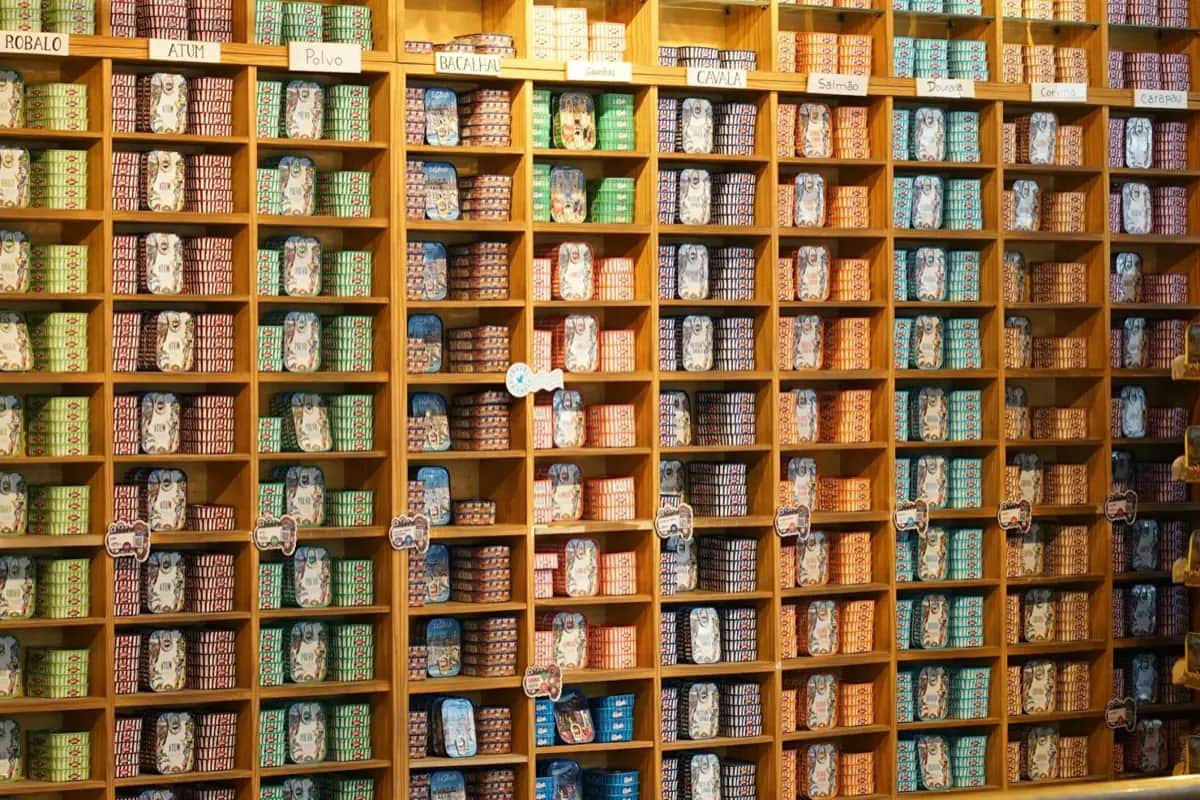
Canned tuna, sardines, salmon, and chicken provide protein that's very hard to store long-term otherwise. They can be eaten straight from the can with no cooking, which is valuable when fuel is scarce.
Best for: Protein component of any emergency food system Limitation: Shorter shelf life than dry goods, heavier per calorie
Smart shopping: Tuna in water (more versatile) vs. in oil (more calories). Sardines have better omega-3 profiles and longer shelf life than tuna due to higher oil content.
4. Dried Legumes (Lentils, Black Beans, Chickpeas)
Shelf life: 10-30 years if properly stored Cost per 1,000 kcal: €1-1.50 Nutrition: Excellent — protein, fiber, minerals
Dried lentils and beans are among the most nutritionally complete emergency foods. Red lentils cook in 15-20 minutes without soaking. Black beans and chickpeas need soaking and 60-90 minutes of cooking.
Best for: Sustainable nutrition over extended emergencies Limitation: Requires significant cooking time and water
Practical tip: Red lentils are the most practical — short cooking time, versatile, and store exceptionally well.
5. Instant Oats and Oatmeal
Shelf life: 2-5 years (commercial), longer if vacuum-sealed Cost per 1,000 kcal: €0.50-0.80 Convenience: High — just add hot or cold water
Oats are the most practical breakfast and snack food for emergency use. They can be eaten cold in a pinch (just soaked in water), cooked with minimal fuel, or incorporated into baking.
Best for: Breakfast rotation, calorie-dense snacking Limitation: Moderate shelf life without repackaging
Putting It Together: A Starter Stockpile
For one person, 30-day supply:
| Item | Quantity | Approx. Cost |
|---|---|---|
| White rice (5kg) | 1 | €15 |
| Dried lentils (2kg) | 1 | €8 |
| Oats (3kg) | 1 | €9 |
| Canned tuna/sardines | 20 cans | €30 |
| Freeze-dried meals | 10 pouches | €100 |
| Total | ~€162 |
This provides approximately 65,000 kcal — enough for 2,000 kcal/day for 32 days.