 Foto: Anastasia Shuraeva / Pexels
The New Face of the Prepper: Why Emergency Preparedness Must Go Mainstream
Doomsday preppers with steel helmets and bunkers — that image is outdated. Today's preppers are doctors, engineers, teachers. It's time to destigmatize the topic.
The Old Image
American reality TV showed preppers in camouflage, hoarding ammunition in underground bunkers, waiting for the apocalypse. This image stuck.
And it poisoned the discourse. Anyone who stored provisions was considered paranoid. Anyone who thought about emergencies was mocked. Emergency preparedness became a fringe topic for extremists.
The Reality in 2024
The "prepper" demographic has shifted fundamentally. Studies from the US and Europe show: the modern preparer is educated, urban, often in healthcare or technical professions. They've experienced crises — pandemic, flood, blackout — and drawn rational conclusions.
The German Federal Office for Civil Protection (BBK) publishes official recommendations: store ten days of food, keep emergency documents ready, maintain communication alternatives. By official definition, anyone following these recommendations is a "prepper."
Why the Topic Must Go Mainstream
Preparedness works best as a social phenomenon. When a neighborhood is collectively prepared, it functions as a unit in a crisis. Helpers know helpers, resources are shared, vulnerable people are protected.
When preparedness remains a fringe activity for "those people," the social buffer collapses. Crisis response degenerates into every-man-for-himself.
The Stigma Costs Lives
During the 2021 Ahrtal flood, many people had no emergency bags, no evacuation routes, no waterproof document storage. The cost in lives and property was enormous.
Stigmatizing preparedness as paranoia has a direct human cost. Those who mock preparedness provide unconscious social permission to remain unprepared.
The New Narrative
Emergency preparedness is not pessimism. It's responsibility. For your family, for your community, for yourself.
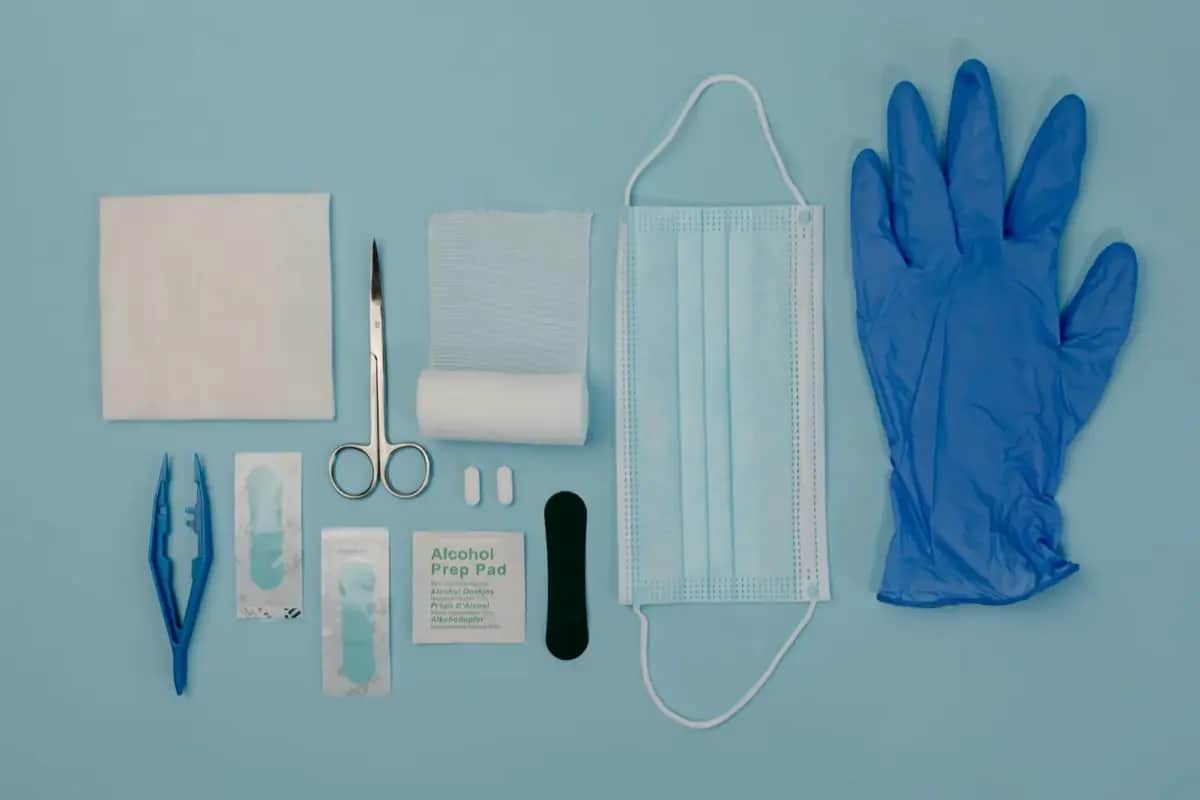
The new prepper is a neighbor who keeps a spare key. A parent who has a meeting point in case of fire. A colleague who carries a first aid kit.
This is the face emergency preparedness needs.