 Foto: Jakub Zerdzicki / Pexels
Panic Buying vs. Emergency Preparedness: How to Find the Right Mindset
What's the difference between panic buying and thoughtful emergency preparedness? How to build a stockpile calmly and avoid the psychological traps of crisis mentality.
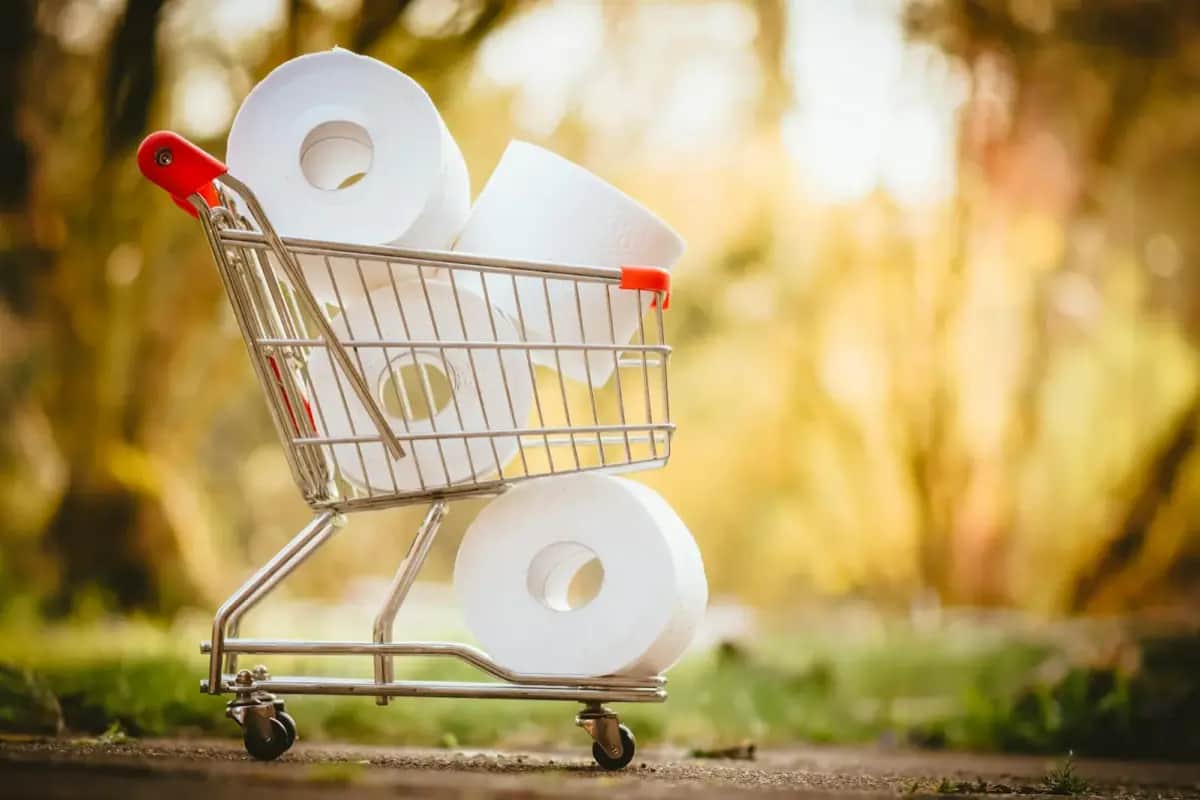
During COVID-19, supermarkets were emptied by panic buyers. Images of people loading shopping carts with dozens of toilet paper rolls sparked both outrage and conversation. But what's the actual difference between panic buying and responsible emergency preparedness? And how do you find the right mindset?
What Panic Buying Actually Is
Panic buying is characterized by:
- Reactive timing: Triggered by crisis announcements, not advance planning
- Quantity: Buying far more than you could use before expiration
- Social transmission: Doing it because others are doing it (herding behavior)
- Emotional state: Driven by anxiety, fear of missing out, survival instinct
- No plan: Buying whatever is available without thinking about nutritional needs or storage
The problem: Panic buying is both ineffective (often happens too late) and socially harmful (removes supplies from vulnerable people who need them and can't stock up).
What Emergency Preparedness Actually Is
Genuine preparedness is:
- Proactive: Done calmly before any crisis is visible
- Measured: Based on realistic calculations of needs, not anxiety
- Systematic: Built over time with a rotation plan
- Inclusive: Considers needs of all household members including pets
- Community-aware: Leaves normal store supplies for neighbors who need them day to day
The practical outcome: when a crisis hits, preparedness means you stay home and let others shop. Panic buying means you rush to compete with others for remaining supplies.
The Psychology Behind Both
Why panic buying happens:
- Scarcity principle: When something becomes unavailable, we want it more
- Social proof: Seeing others buy triggers "they know something I don't"
- Loss aversion: Fear of not having is more motivating than gaining
- Control behavior: Buying creates a feeling of control in an uncontrollable situation
Understanding this matters: When you feel the urge to panic buy, recognize it as a neurological response, not rational decision-making.
How Much Is "Enough"?
Guidance from German Federal Office of Civil Protection (BBK):
- 10 days of food and water recommended per household
- 2 liters of water per person per day minimum
More practical emergency preparedness community recommendation:
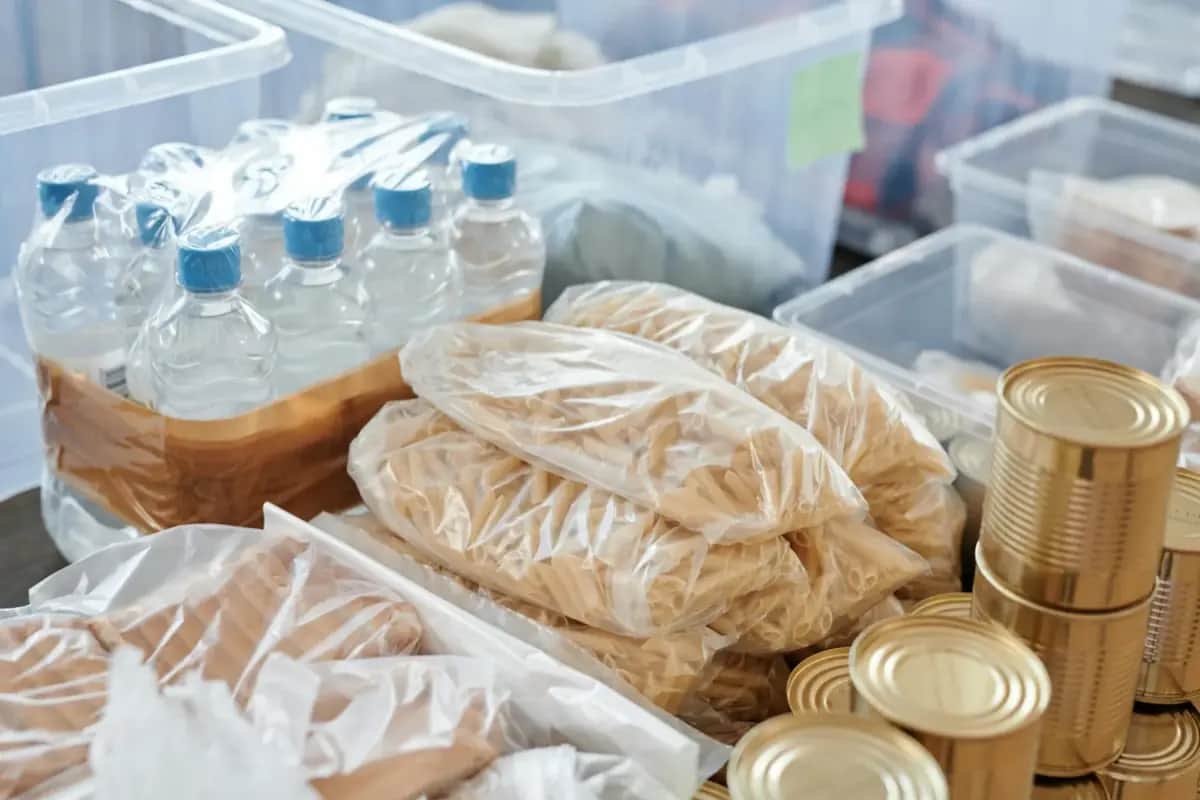
- 4 weeks of food staples
- 14+ days of water (or water purification capability)
The "enough" mindset: You're not preparing for the apocalypse. You're filling the gap between when an emergency disrupts supply chains and when systems recover — typically days to weeks in developed countries.
Building a Stockpile Without Anxiety
The rule that prevents panic-buying psychology: Buy 10% more than you need each shopping trip. Over 2-3 months, this naturally builds a stockpile without any single large "panic" purchase.
This approach:
- Doesn't empty shelves (you're buying 10% more, not 500% more)
- Doesn't require anxiety as a trigger
- Feels normal and sustainable
- Costs very little extra per week
Practical: If you normally buy 1kg of pasta per week, buy 1.1kg. Your stockpile grows by 100g per week — 5kg in 50 weeks, completely passively.
When Does Stockpiling Cross the Line?
Ethical limits for stockpiling:
- Buy enough to cover your household's realistic needs (4-8 weeks is reasonable)
- Don't buy single items in quantities that clear store shelves
- Don't hoard when crisis begins — if a crisis starts, your preparation should already be done
The simple test: Are you buying this because you have a calm, pre-planned system? Or because you're afraid right now and the shelves might be empty tomorrow?
Calm, pre-planned = preparedness. Afraid right now = panic buying.
The Community Dimension
Real preparedness includes your neighbors. A community where everyone has 2-4 weeks of supplies is dramatically more resilient than one where 10% have 6 months and 90% have nothing.
Consider: share your knowledge with neighbors. Help elderly people in your building build their own small stockpile. This community resilience is the ultimate goal of emergency preparedness culture.