 Foto: Matthias Groeneveld / Pexels
Pandemic Preparedness: A Practical Guide for Households
Pandemic preparedness guide for households: what COVID-19 taught us, what supplies actually matter, and how to prepare for future infectious disease events without overreacting.
What COVID-19 Taught Us About Pandemic Preparedness
The COVID-19 pandemic provided an unintentional stress test of household preparedness across Europe. The lessons are clear: the households that managed best were not those who knew the most about virology — they were those who had practical supplies, flexible routines, and realistic expectations.
This guide distills those lessons into a practical preparedness framework.
The Pandemic Scenario: What to Actually Expect
What Happens in the First Wave
A novel infectious disease follows a predictable household impact trajectory:
Weeks 1-2 (Warning phase): Information is uncertain. Media coverage is intense. Governments issue guidance that evolves rapidly. Supply chain disruptions begin.
Weeks 3-6 (Disruption phase): Schools close. Remote work becomes mandatory where possible. Essential supplies (masks, sanitizer, certain medications) become scarce. Healthcare system is under pressure.
Months 2-6 (Management phase): Social distancing measures. Household isolation when sick. Potential quarantine if exposed or positive.
Beyond 6 months: Vaccination programs, treatment protocols, ongoing management.
What Your Household Actually Needs
The 2020 experience showed clearly what caused household suffering beyond the disease itself:
- No masks or PPE when lockdown was announced
- Hand sanitizer unavailable for weeks
- Fever medication sold out
- Basic food supplies disrupted
- No plan for quarantine within the household when one person tested positive
These are solvable problems with modest preparation.
Category 1: Medical and Health Supplies
Respiratory Protection
FFP2 masks (N95 equivalent): The standard for respiratory pathogen protection. Stock 2-4 masks per person per week of expected isolation (FFP2 masks are rated for 8 hours of use).
For a family of 4 for 4 weeks: approximately 100 FFP2 masks (50-80 euros).
Masks stored in a sealed bag or box in a cool, dry location maintain their filter effectiveness for 5+ years.
Hand Hygiene
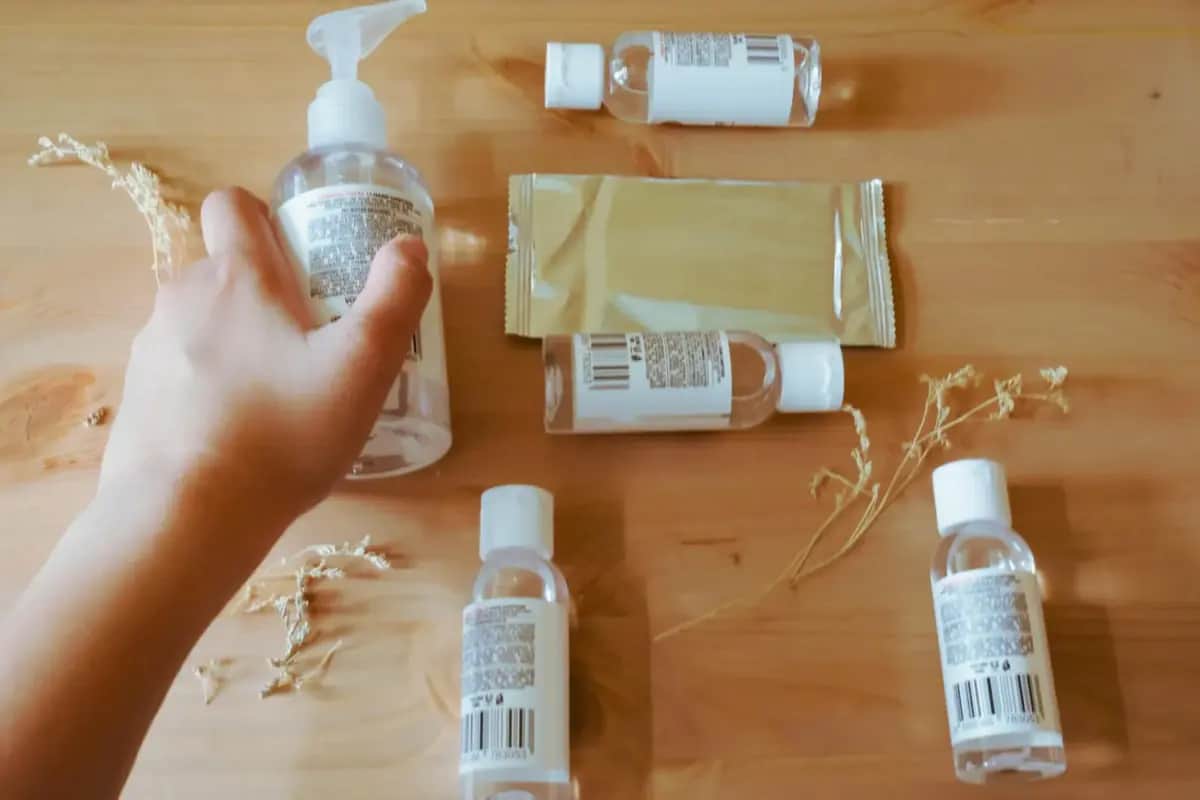
Hand sanitizer (80% ethanol): During COVID-19 peak, hand sanitizer disappeared from stores within days. Stock at minimum 2-3 liters per household.
Soap: Bar soap stores indefinitely. Stock 6-12 bars.
Fever and Symptom Management
Fever reducers: Ibuprofen and paracetamol (acetaminophen). Stock enough for 4 weeks of sick management per household member at standard dosages.
Electrolyte supplements: For diarrheal illness or prolonged fever, electrolyte replacement is critical.
Pulse oximeter: 15-30 euros. Measures blood oxygen saturation — the key indicator used to determine whether COVID-19 patients needed hospitalization. Relevant for any respiratory illness.
Digital thermometer: Precise temperature tracking for symptom monitoring.
Prescription Medications
Anyone on chronic medications must discuss with their physician how to maintain supply during a pandemic. In COVID-19:
- Routine appointments were cancelled for months
- Some medications became scarce
- Pharmacies had reduced hours or inventory
Action: Ask your doctor for a slightly larger prescription supply (30-90 day buffer) if possible. Keep a list of all medications, dosages, and prescribing physicians.
Category 2: Food and Household Supplies
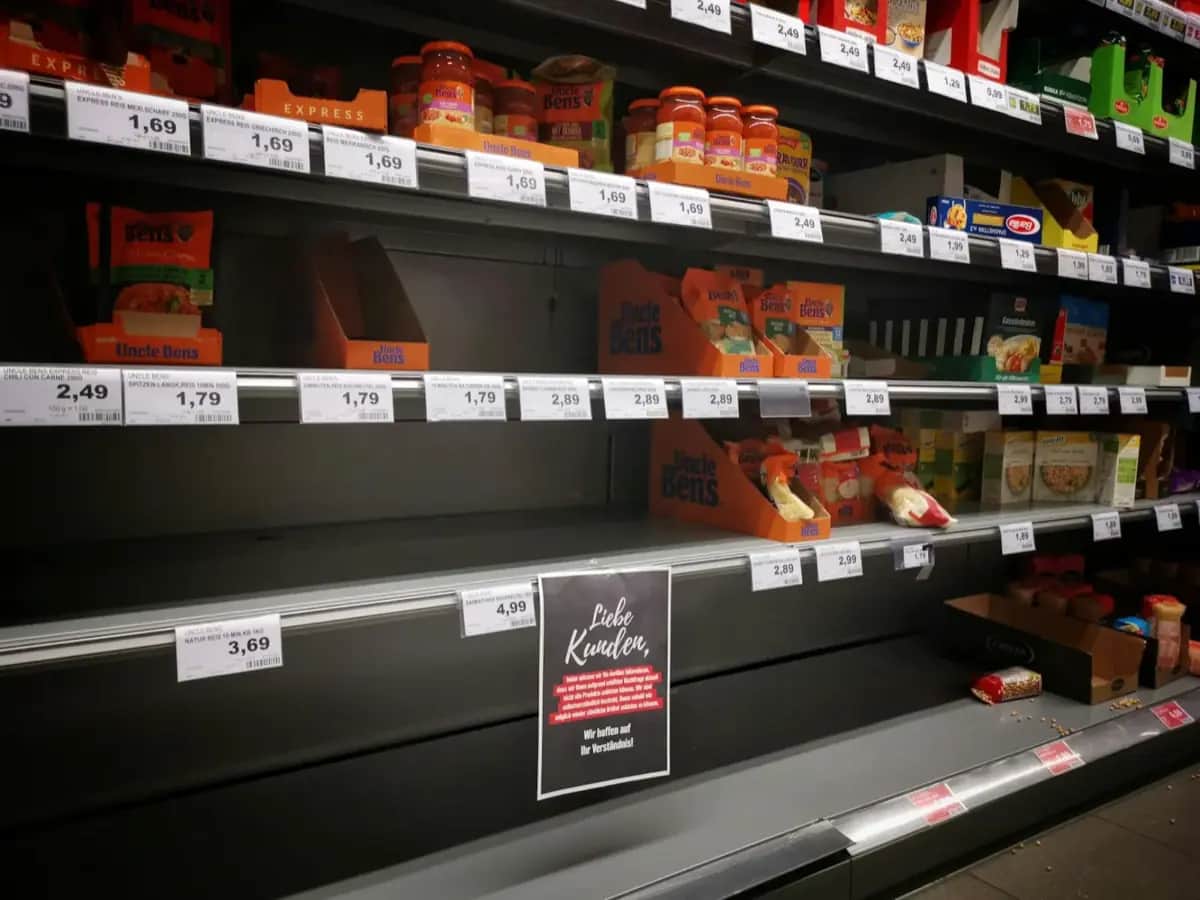
The COVID-19 supply chain lesson: stockpiling happened in waves, making it impossible to buy normal goods at normal stores.
Do this before any pandemic warning:
Food supply: 2-4 week supply of shelf-stable food your household actually eats. Canned goods, pasta, rice, frozen food, dried legumes.
Household consumables: Toilet paper (infamously unavailable), cleaning products, laundry detergent, dish soap. Stock 4-6 weeks' worth.
Water: 2-week supply, as per standard emergency water guidance.
Category 3: Household Isolation Protocol
One household member tests positive. Now what?
Without planning, the entire household typically contracts the illness within 4-5 days. With planning, transmission can be reduced:
Sick room protocol:
- Isolate the sick person in one room with a private bathroom if possible
- Sick person wears FFP2 mask during any contact with household members
- All other household members wear FFP2 masks in shared spaces
- Ventilate shared spaces (kitchen, living room) regularly
- Disinfect high-touch surfaces daily
Roles:
- One designated household member handles care and supply provision for the sick person
- That caregiver maintains the highest PPE discipline
- Other household members minimize contact with both the sick person and the caregiver
This protocol does not guarantee zero transmission — but it significantly reduces it.
Category 4: Communication and Information
Official information sources for Germany:
- Robert Koch Institut (RKI): rki.de — epidemiological guidance
- Federal Ministry of Health (BMG): bundesgesundheitsministerium.de
- NINA app: emergency notifications including health alerts
Identify local healthcare resources:
- Your GP's practice and out-of-hours contact
- Nearest hospital with emergency department
- Poison control hotline (relevant for medication questions)
For family communication: A plan for staying in contact if one person is hospitalized and the other is quarantined at home. What messaging apps work? Who has power of attorney to make medical decisions?
What COVID-19 Showed Does Not Work
Bulk buying beyond what you use: Households that bought 500 rolls of toilet paper in March 2020 eventually discarded most of them. Prepare for realistic duration (4-8 weeks), not indefinite isolation.
Ignoring mental health: Extended isolation without structure and purpose is psychologically harmful. Planning for routine, exercise, and social connection (even remote) is preparation.
Dismissing official guidance: Novel pathogens are, by definition, not fully understood. Initial guidance changes as evidence accumulates. The appropriate response is adaptive compliance, not cynical dismissal or uncritical acceptance.
The Pandemic Preparation Checklist
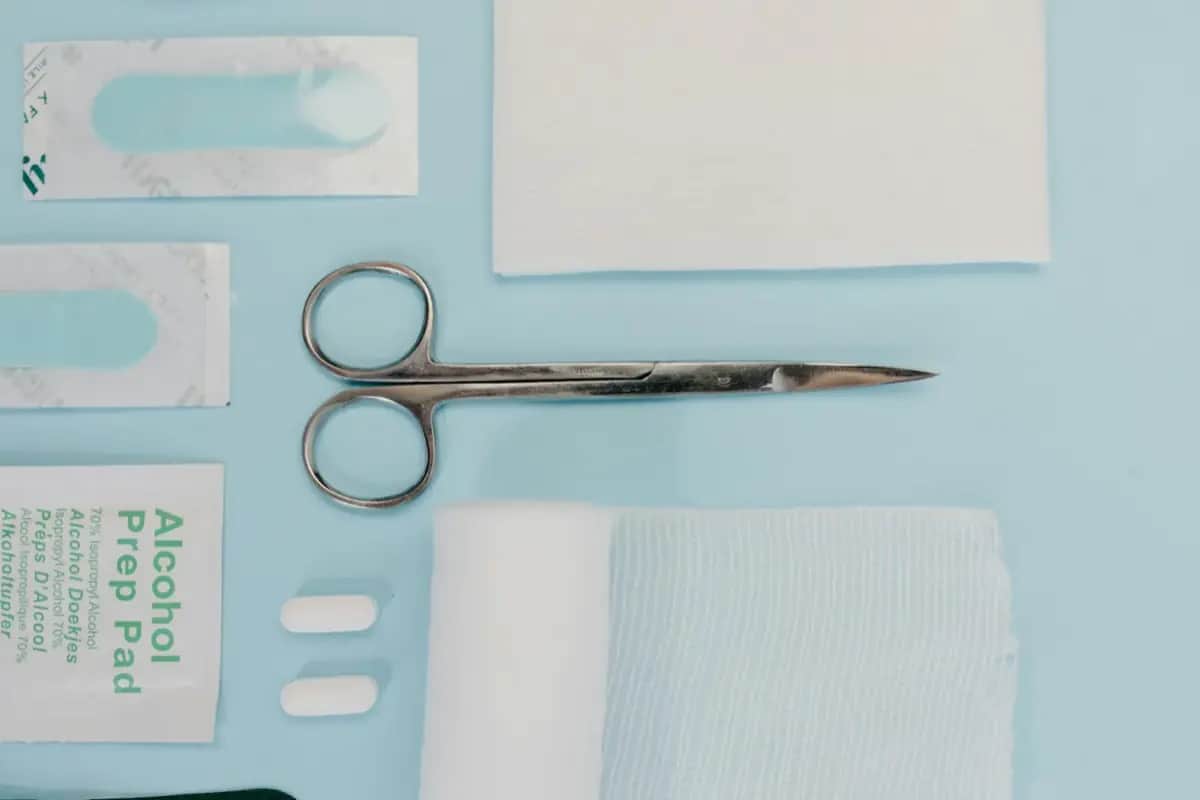
Medical supplies:
- 100+ FFP2 masks
- 2-3 liters hand sanitizer
- 12 bars soap
- Fever medication (4-week supply)
- ORS/electrolyte sachets
- Pulse oximeter
- Digital thermometer
- 30+ day buffer of all prescription medications
Household supplies:
- 4-week food supply
- 4-week household consumables
- 2-week water supply
Protocols:
- Household isolation plan documented
- Key emergency contacts listed
- Telemedicine option identified (most GPs now offer video appointments)
Total cost estimate: 200-400 euros for a complete household pandemic kit.
Conclusion
Pandemic preparedness is not about predicting the next disease — it is about having supplies and protocols that work across any respiratory illness scenario. The investment is modest. The preparation is practical. And the lessons from COVID-19 are available to anyone who was paying attention: masks, sanitizer, food, and a household isolation plan are not paranoid — they are rational.