 Foto: Roy Broo / Pexels
New Pandemic Scenario: What Would Actually Happen?
A realistic scenario of a new pandemic: how it would unfold week by week, what government and healthcare responses look like, and what it means for household preparation.
Scenario: A New Respiratory Pathogen Is Identified
It is February. Reports from an overseas cluster describe a novel respiratory illness with higher transmissibility than seasonal influenza and a significant rate of severe cases in unvaccinated older adults. The WHO issues an alert. European health authorities begin monitoring.
What happens next — and what does it mean for your household?
Week 1-2: The Warning Phase
At the Government Level
European health authorities activate early monitoring protocols. The European Centre for Disease Prevention and Control (ECDC) issues situation reports. National health ministries convene emergency committees. Border health monitoring is increased.
No travel bans yet. Official guidance: "The risk to the general public remains low. We are monitoring the situation."
At the Household Level
Most people are not yet paying significant attention. Those who are:
- Check official sources (RKI, ECDC)
- Assess their current supply situation
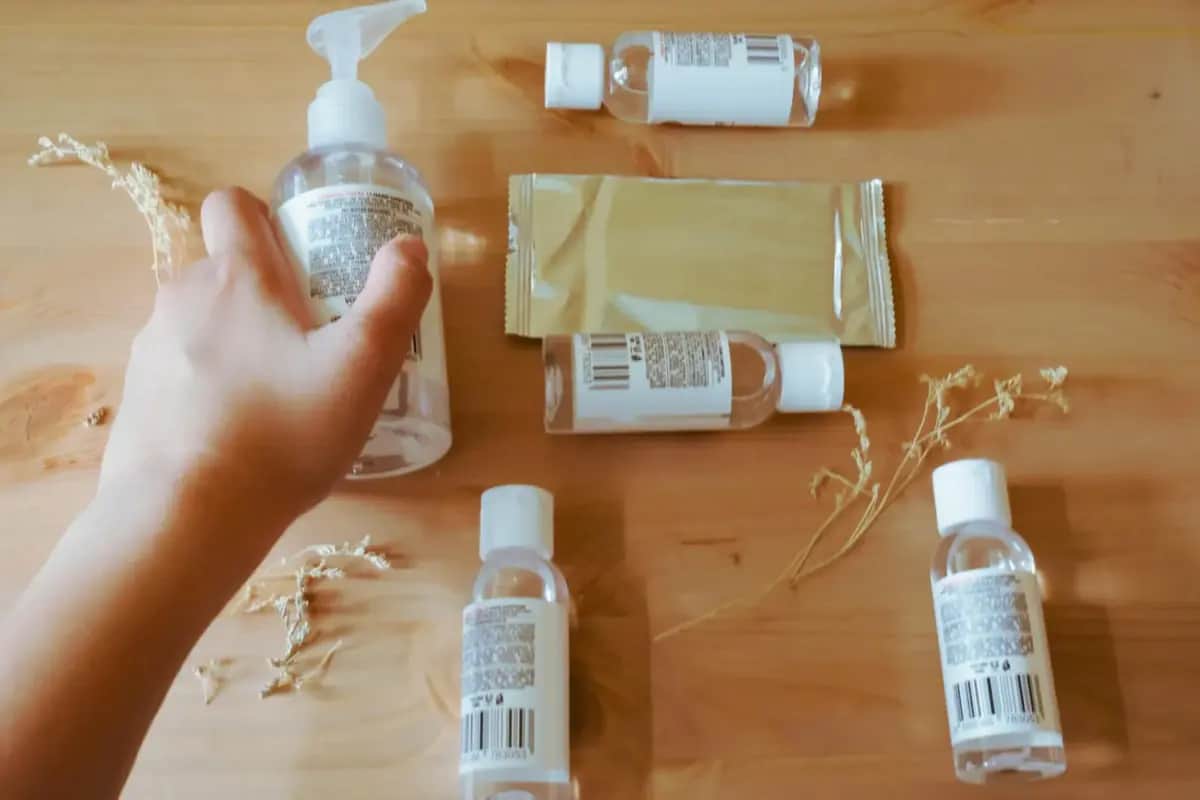
- Consider replenishing masks and hand sanitizer "just in case"
The households that act now have a significant advantage: Supplies are still available at normal prices. Pharmacies and supermarkets have normal stock.
Window of opportunity: 7-14 days before supply chains tighten.
Week 3-4: The Escalation Phase
First Domestic Cases
The first confirmed domestic cases are announced. Media coverage intensifies. Social media amplifies information — and misinformation — rapidly.
Government Response
- Mandatory mask wearing in healthcare settings
- Guidance on hand hygiene and respiratory etiquette
- Schools remain open but under enhanced monitoring
- Healthcare system activates pandemic protocols: postponing elective procedures to preserve capacity
Supply Chain Effects
- FFP2 masks: first shortages appear. Online prices begin rising.
- Hand sanitizer: pharmacy stock depleting in major cities
- Fever medication: some pharmacies limiting purchases to two boxes per customer
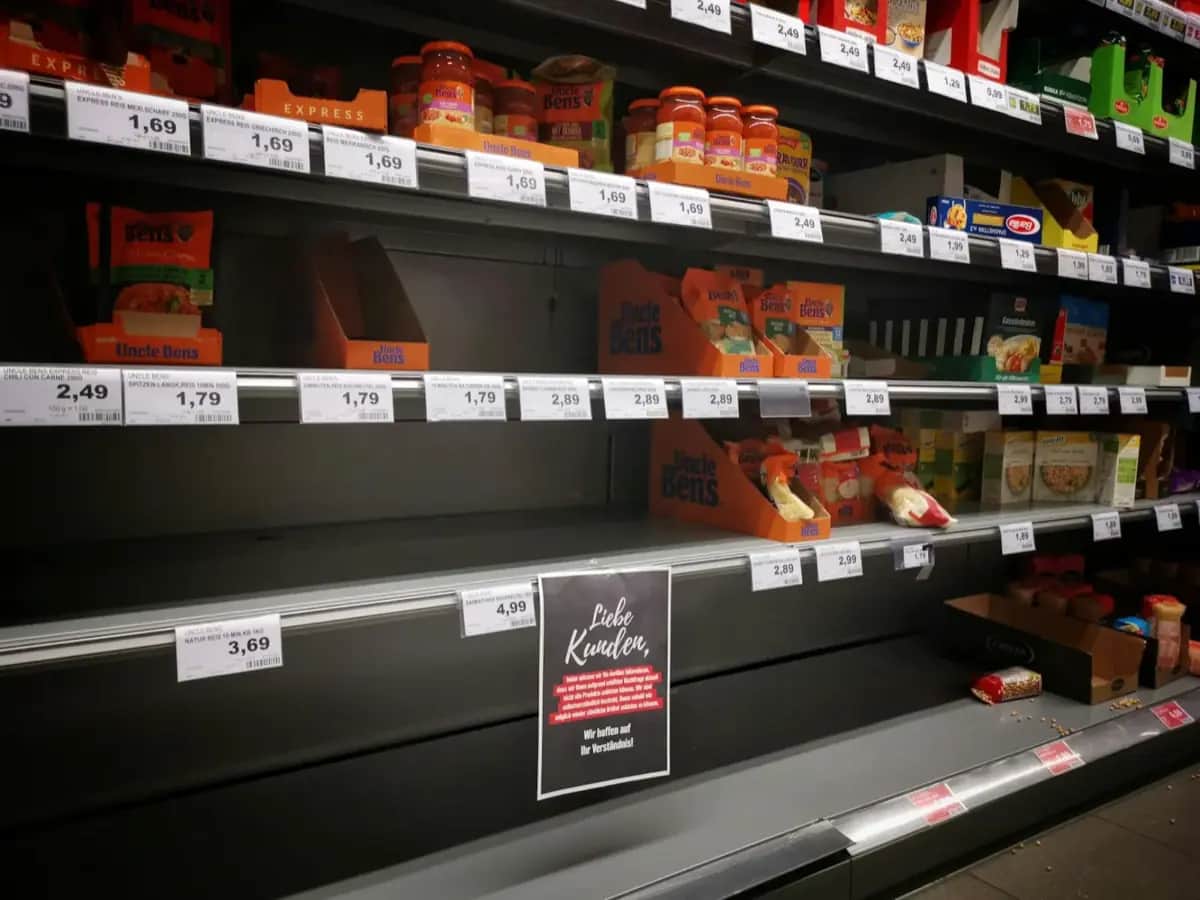
- Supermarkets: no significant disruption yet, but some individuals begin "precautionary" shopping
What this means: Anyone who prepared in Weeks 1-2 is in a stable position. Those who wait until now face increasingly constrained options.
Week 5-8: The Disruption Phase
Case Numbers Rising
Community transmission is confirmed. Daily case counts increase. Hospitals in affected areas report rising admissions.
Measures Escalate
- Schools move to remote learning (or hybrid)
- Large public events cancelled or restricted
- Non-essential businesses may be asked to close or reduce capacity
- Remote work becomes mandatory in many sectors
- Mask requirements expand to public transit, retail
Healthcare System Under Pressure
- GP practices overwhelmed with worried-well patients
- Telemedicine demand surges
- Hospital elective procedures fully postponed
- Intensive care capacity closely monitored
Household Reality
If you prepared: You have masks, sanitizer, medication, and food. You can minimize unnecessary exposure by reducing shopping trips. You can manage mild illness at home without straining healthcare.
If you did not prepare: You face competing with millions of people for the same supplies. Every pharmacy run increases your exposure. You may not have what you need when someone in your household falls ill.
Week 8-16: The Management Phase
Peak and Plateau
Case numbers peak and begin to plateau. Vaccination development or emergency authorization accelerates. Healthcare system is strained but not collapsed (in a moderate scenario).
Lockdown Decisions
Depending on severity, governments may implement:
- Movement restrictions (essential travel only)
- Business closures (non-essential)
- School closures (extended)
- Cross-border restrictions
Household Isolation Becomes Real
In this phase, most people will know someone who tested positive. Some will test positive themselves.
The 10-14 day quarantine at home:
- If you have a 4-week food supply: minimal disruption to this aspect of daily life
- If you do not: someone must break quarantine to buy food (a genuine dilemma, not a theoretical one)
The sick household member:
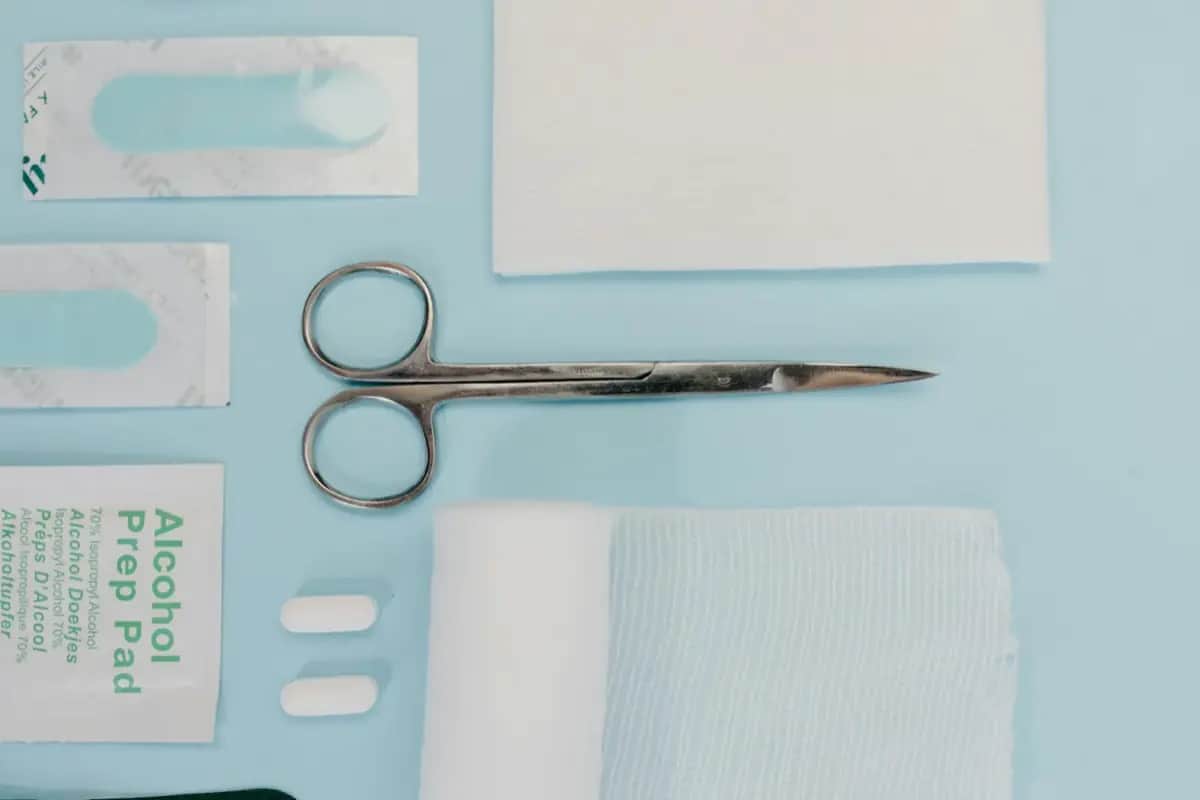
- Mild cases (most): management at home with fever medication, hydration, rest
- Monitoring: pulse oximeter to track oxygen saturation
- When to escalate: O2 saturation below 94%, significant breathing difficulty, high fever not responding to medication
Month 4+: Stabilization
Vaccination
Emergency use authorization for a vaccine accelerates. Mass vaccination programs begin with priority groups: healthcare workers, elderly, those with conditions.
Recovery
Social distancing measures gradually lift as vaccination coverage increases and case counts fall. Economic disruption is addressed through government support programs.
The "new normal" period: some measures (masks on public transit, enhanced healthcare hygiene) may persist beyond the acute phase.
What This Scenario Shows About Preparation
The scenario above is a moderate pandemic — more severe than a bad flu season but not civilization-ending. This is the realistic risk profile.
Key preparation windows:
- Before any warning (where you are now): Optimal. Full supplies, normal prices, calm decision-making.
- Weeks 1-2 of warning: Still good. Act quickly.
- Weeks 3-4 of escalation: Challenging. Some supplies depleted. Act immediately for what remains.
- Week 5+: Very difficult. Most supplies constrained. Whatever you have is what you have.
Preparations that matter most:
- Masks (FFP2, 100+ for a family of 4)
- Hand sanitizer (2-3 liters)
- Fever medication (4-week supply)
- 4-week food supply
- Household isolation protocol for when one person tests positive
Preparations that matter less than people think:
- Elaborate decontamination protocols for groceries (surfaces are not the primary transmission route for most respiratory pathogens)
- Stockpiling every possible antiviral medication (without a prescription and a specific diagnosis, this is not actionable)
- Moving to a remote location (creates new problems, usually unnecessary)
Conclusion
A new pandemic is a realistic scenario — WHO estimates a major pandemic every 10-40 years, and COVID-19 does not reset that clock. The preparation is practical, affordable, and applies to multiple scenarios beyond a pandemic (any respiratory illness wave, healthcare disruption, or supply chain event). The optimal time to prepare is before any warning signal appears.