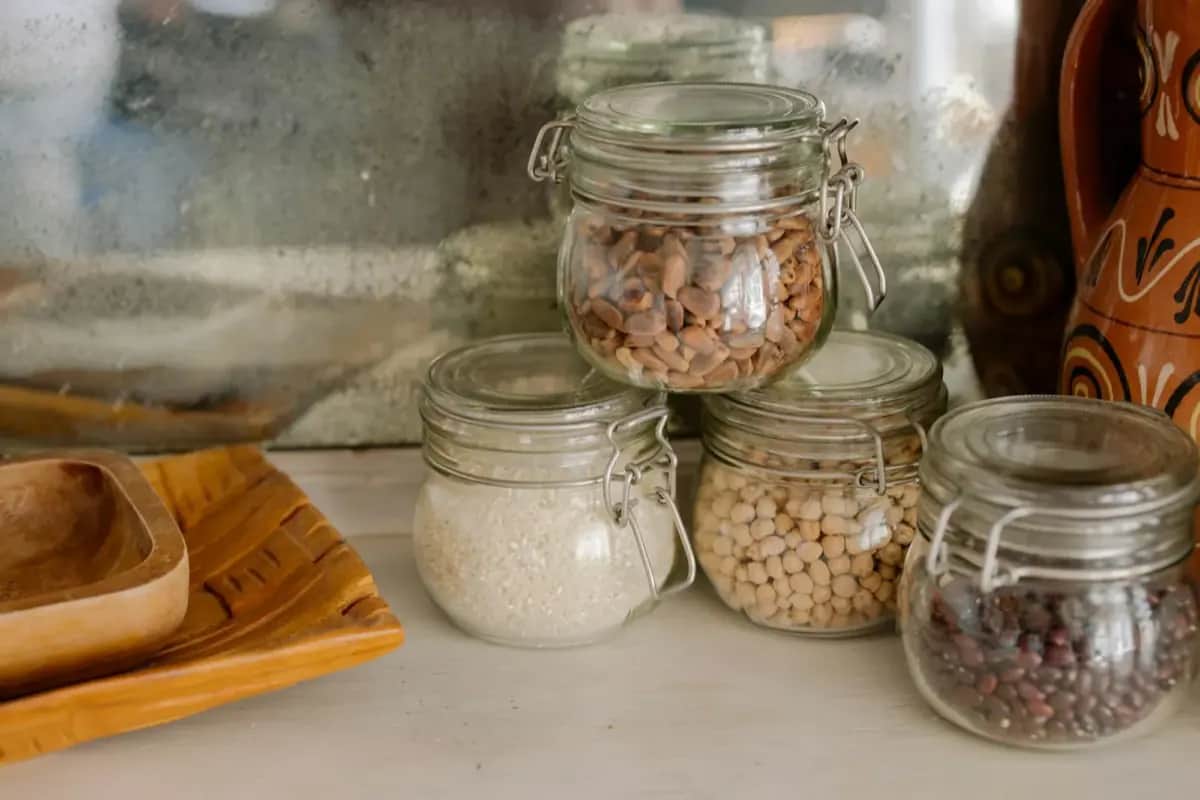
 Foto: cottonbro studio / Pexels
MRE, Freeze-Dried, Canned: Emergency Food Types Simply Explained
What's the difference between MREs, freeze-dried food, and canned goods? Which emergency food type is right for you? Honest breakdown with no marketing hype.
The emergency food market uses a lot of jargon. MRE, freeze-dried, lyophilized, long-term supply — what does it all actually mean? This guide breaks down every major food preservation method so you can make informed decisions.
MRE: Meals Ready to Eat
What it is: Military-style complete meals in retort pouches. The food is cooked, sealed in thick plastic/foil pouches, and heated in the package. Most include a flameless ration heater (FRH) that uses a chemical reaction to heat the food.
Shelf life: 3-7 years (temperature dependent — longer at 10°C, shorter at 35°C)
Key features:
- No water needed to prepare
- Self-contained heating system
- Complete meals with sides, snacks, and utensils
- Caloric density: 1,200-1,600 kcal per meal
- Heavy per calorie compared to dry goods
Best for: True emergency kits, bug-out bags, situations where cooking is impossible Not ideal for: Long-term rotation stockpile (shorter shelf life, expensive)
Civilian availability: Civilian MREs (Mountain House, Eversafe, etc.) are available but note: genuine US military MREs cannot be sold to civilians legally — "military-style" products are commercial equivalents.
Freeze-Dried (Lyophilized) Food
What it is: Food is cooked, then frozen, then placed in a vacuum chamber where ice is removed through sublimation (ice converts directly to vapor). This removes 98% of moisture while preserving nutrients, texture, and flavor remarkably well.
Shelf life: 25-30 years sealed (best of all preservation methods)
Key features:
- Just add hot water to rehydrate (10-15 minutes)
- Excellent flavor retention — the best-tasting preserved food
- Maintains nutritional value better than any other preservation method
- Very lightweight — most water is removed
- Requires water to prepare
Cost: High — €8-15 per meal, €5-10 per 1,000 kcal
Best for: Bug-out bags, 90-day emergency kits, high-value rotation (tasty enough to actually eat regularly)
Top brands: Mountain House (gold standard), Augason Farms, ReadyWise, Wise Company
Dehydrated Food
What it is: Food is dried at low temperatures (40-70°C) with heat and airflow, removing 80-95% of moisture. Lower tech and cheaper than freeze-drying but lower quality result.
Shelf life: 5-15 years (shorter than freeze-dried, quality degrades faster)
Difference from freeze-drying: Dehydration at higher temperatures degrades more vitamins and affects texture more. Rehydrated dehydrated food has a different (often chewier, sometimes tougher) texture.
Best for: Budget-conscious preppers who want longer shelf life than canned goods
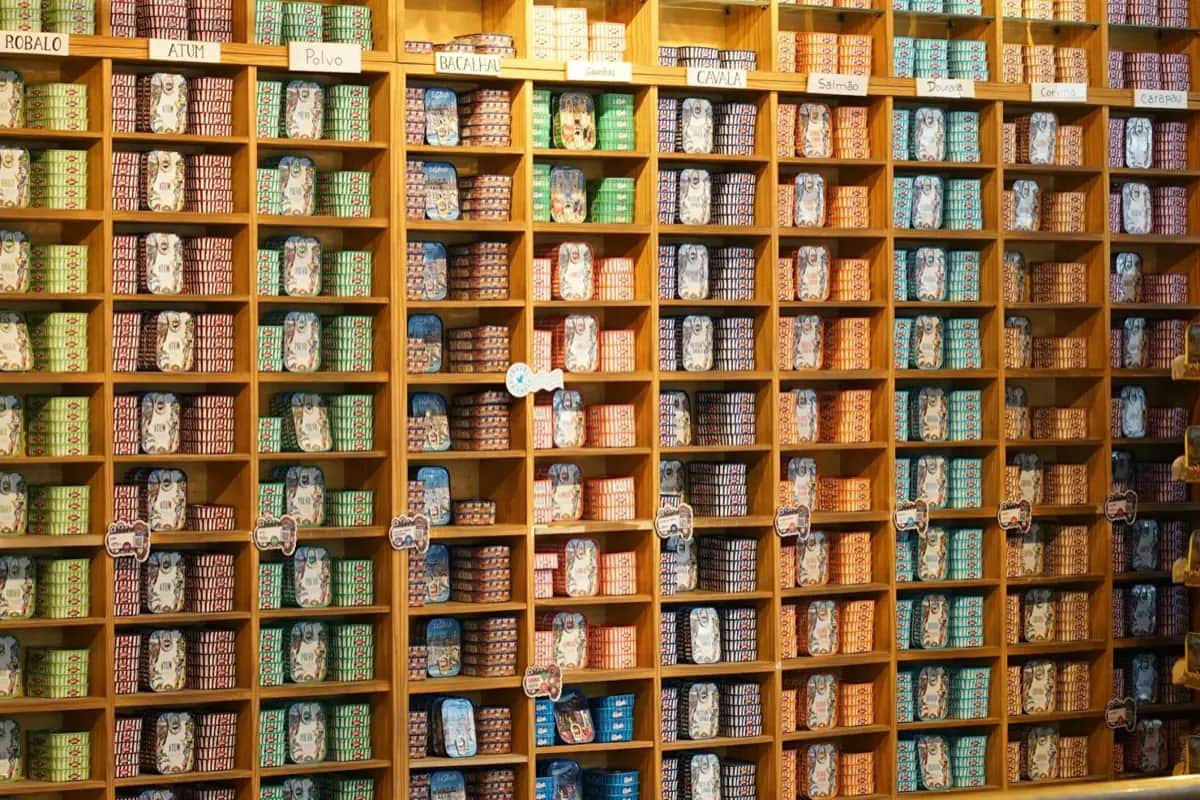
Canned Goods
What it is: Food sealed in cans and heated to kill all pathogens. The sealed, sterile environment prevents new growth.
Shelf life: 2-5 years "best by" — typically safe for years longer if undamaged and properly stored
Key features:
- Most affordable per calorie
- Requires no cooking (eat straight from can in emergency)
- Wide variety of options
- Heavy per calorie
- Some require can opener
Best for: The foundation of any home stockpile. Most cost-effective nutrition.
Important: "Best by" dates are quality markers, not safety dates. Properly stored canned goods from the 1990s have been found safe and edible. However, bulging, rusted, or dented cans should be discarded.
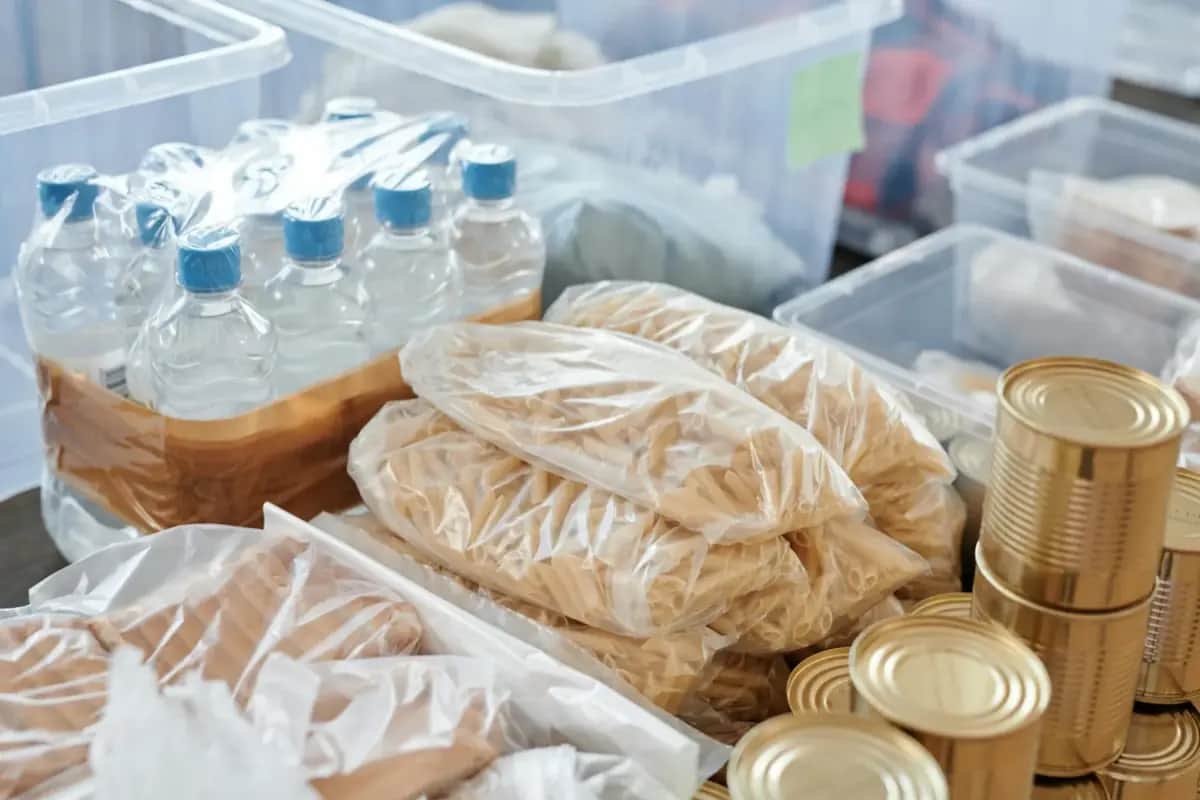
Dry Goods (Rice, Pasta, Beans, Oats)
What it is: Naturally low-moisture foods stored dry.
Shelf life:
- White rice: 30 years (properly sealed)
- Pasta: 5-8 years (package), 10-15+ years (sealed)
- Dried beans: 10-30 years
- Rolled oats: 2-5 years, longer if vacuum-sealed
Key features:
- Cheapest per calorie of all options
- Versatile (many recipes per ingredient)
- Requires significant cooking time and water
- No nutritional compromise
Best for: Bulk of any home stockpile. Every prepper's foundation.
Quick Comparison
| Type | Shelf Life | Cost/1000 kcal | Water needed | Cooking needed |
|---|---|---|---|---|
| MRE | 3-7 years | €8-15 | No | No |
| Freeze-dried | 25-30 years | €5-10 | Yes | Minimal |
| Dehydrated | 5-15 years | €3-6 | Yes | Minimal |
| Canned goods | 3-10 years | €2-5 | No | No |
| Dry goods | 5-30 years | €0.60-1.50 | Yes | Yes |
The Practical Answer: Stack Them
A smart emergency food system uses all types:
- Foundation (70%): Dry goods (rice, beans, pasta, oats) for maximum calories per euro
- Protein and variety (20%): Canned goods (fish, meat, vegetables)
- Convenience and bug-out (10%): Freeze-dried meals for portability and no-cook scenarios