 Foto: Molnár Tamás Photography™ / Pexels
Food Shelf Life Myths: 5 Facts About Best-Before Dates and Canned Goods
Are best-before dates real expiration dates? Can you eat food past its date? 5 important facts about food shelf life that every prepper must know.
Best-before dates confuse people and cause tons of wasted food. For emergency preparedness, understanding what these dates actually mean — and what they don't — is essential. Here are 5 important facts that challenge common myths.
Myth 1: "Best Before" Means "Dangerous After"
Reality: "Best before" (in the EU: Mindesthaltbarkeitsdatum or MHD) indicates the date until which the manufacturer guarantees optimal quality — not safety.
After the best-before date, most shelf-stable foods remain safe to eat but may have reduced quality (slight flavor change, softer texture, vitamin loss). For dry goods, canned foods, and many packaged items, safety extends far beyond the printed date when stored properly.
Exception: "Use by" (Verbrauchsdatum in German) IS a safety date for highly perishable items like raw meat and fish. These should not be consumed after the date.
Practical rule for preppers: Best-before is a quality guideline, not a safety cliff. Use your senses — smell, look, taste — to assess older food.
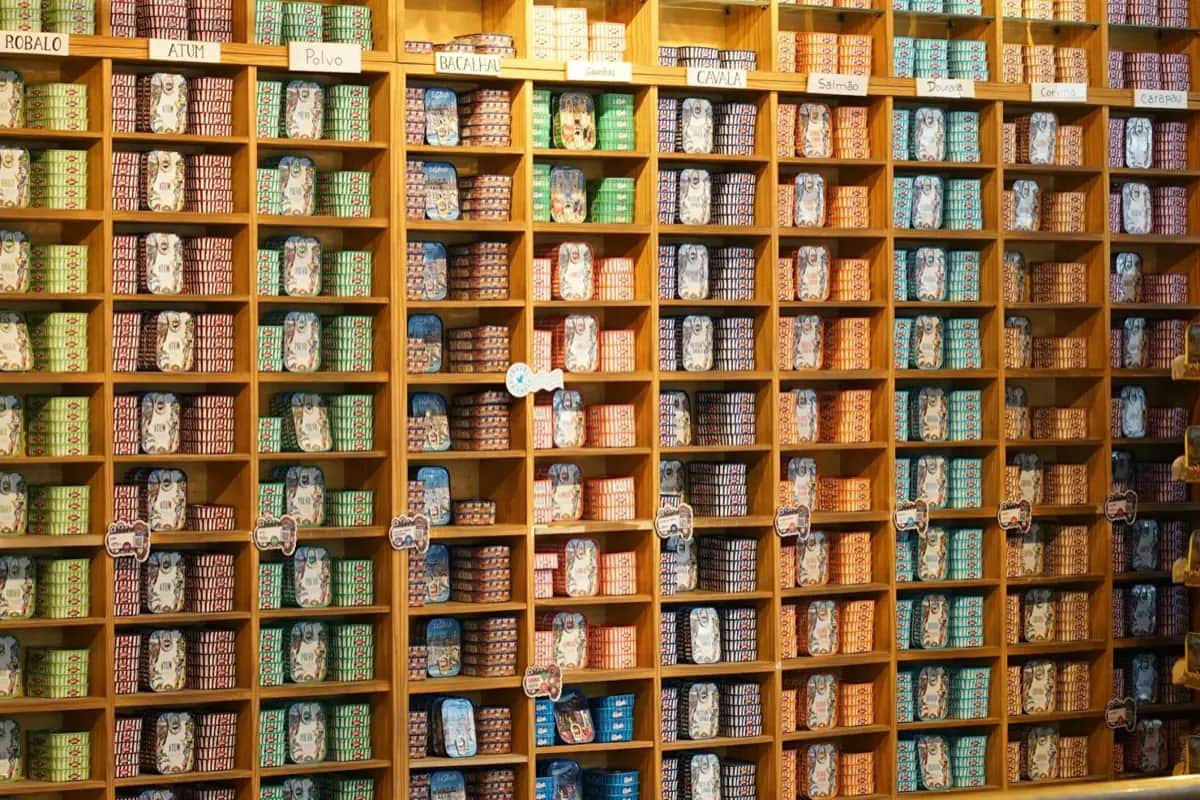
Myth 2: Canned Goods Expire on Their Printed Date
Reality: Commercial canning kills all pathogens by heating the sealed can to temperatures that sterilize the contents. Properly sealed, undamaged cans have no mechanism for new contamination.
USDA testing has confirmed edible canned goods 40+ years past their printed dates. The key word: properly stored and undamaged.
Discard canned goods that show:
- Bulging lids or bottoms (indicates bacterial activity)
- Rust through the can wall
- Dents at the seam (can compromise seal integrity)
- Spurting liquid when opened
- Unusual smell after opening
Normal and safe: Minor surface rust on can exterior (not compromising the can), slight discoloration of contents, minor texture changes.
Myth 3: White Rice Expires After a Few Years
Reality: Properly stored white rice has an indefinite shelf life for safety purposes. White rice's low moisture content and simple starch structure means it doesn't degrade or allow pathogen growth.
Practical shelf life:
- Unopened supermarket bag: 4-5 years best-quality
- Vacuum-sealed in mylar with oxygen absorbers: 25-30 years
- Opened and stored in airtight container: 2-3 years before quality decline
Brown rice is different: the oil in the bran goes rancid within 6-12 months. Stick to white rice for long-term storage.
Myth 4: Frozen Food Expires After the Printed Date
Reality: Frozen food stored at a constant -18°C (0°F) is safe indefinitely. Freezing stops all microbial activity. The printed dates on frozen food are quality guidelines.
However: quality does degrade with freezer storage. Freezer burn, texture changes, and flavor loss occur over months and years. Safe to eat? Yes. Enjoyable? Decreasingly so.
Practical guidance: Most frozen foods maintain good quality for 3-12 months (depending on fat content — fatty items like fish and meat degrade quality faster). Beyond that, safe but diminishing quality.
Myth 5: Honey Expires
Reality: Pure, properly stored honey does not expire. Archaeologists have found honey in Egyptian tombs dating back 3,000 years that was still edible. Honey's unique chemistry (low water content, acidic pH, hydrogen peroxide content) prevents microbial growth.
The caveat: Honey can crystallize — this is normal and does not indicate spoilage. Gently warm the container in warm water (not boiling) to liquefy crystallized honey.
Watch for: Moisture contamination (fermentation can occur if water is introduced), mixing with other foods.
Practical Shelf Life Reference for Preppers
| Food | Official best-by | Actual safe storage |
|---|---|---|
| White rice (sealed) | 4-5 years | 25-30 years |
| Dried lentils | 5 years | 10+ years |
| Canned vegetables | 3-5 years | 10+ years if undamaged |
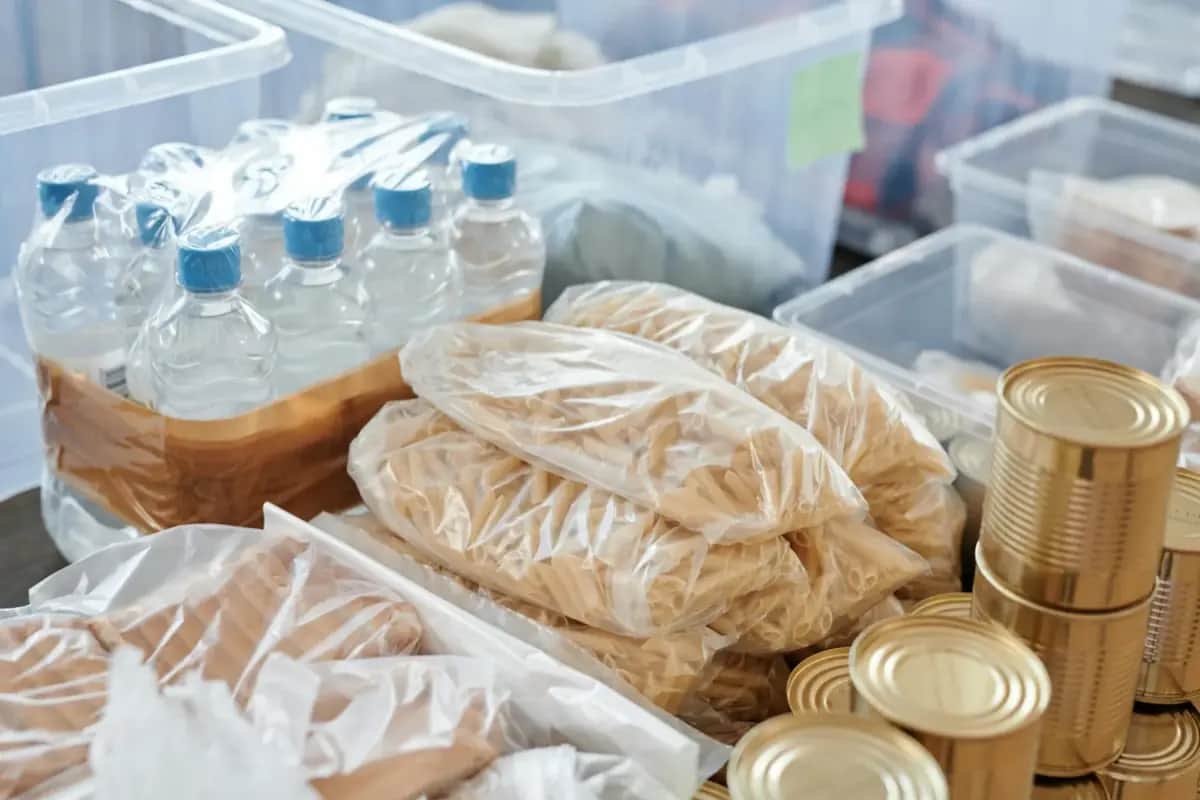
| Pasta (sealed) | 3-5 years | 10-15+ years |
| Rolled oats | 2-3 years | 5-8 years |
| Honey | "indefinite" | Truly indefinite |
| Salt | Indefinite | Indefinite |
| Sugar | 2 years (quality) | Indefinite |
| White flour (sealed) | 1-2 years | 5-10 years |
| Dried beans | 5 years | 25-30 years |
Key principle: Storage conditions matter more than printed dates. Cool, dark, dry, and sealed beats any printed date.