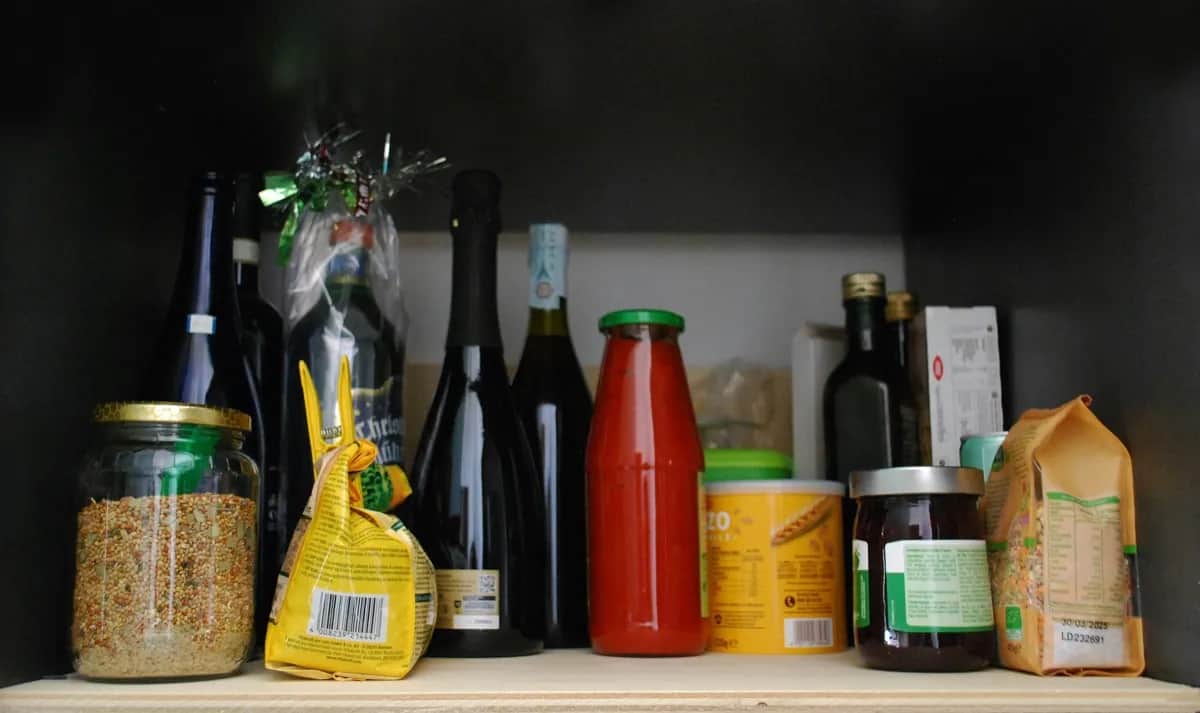
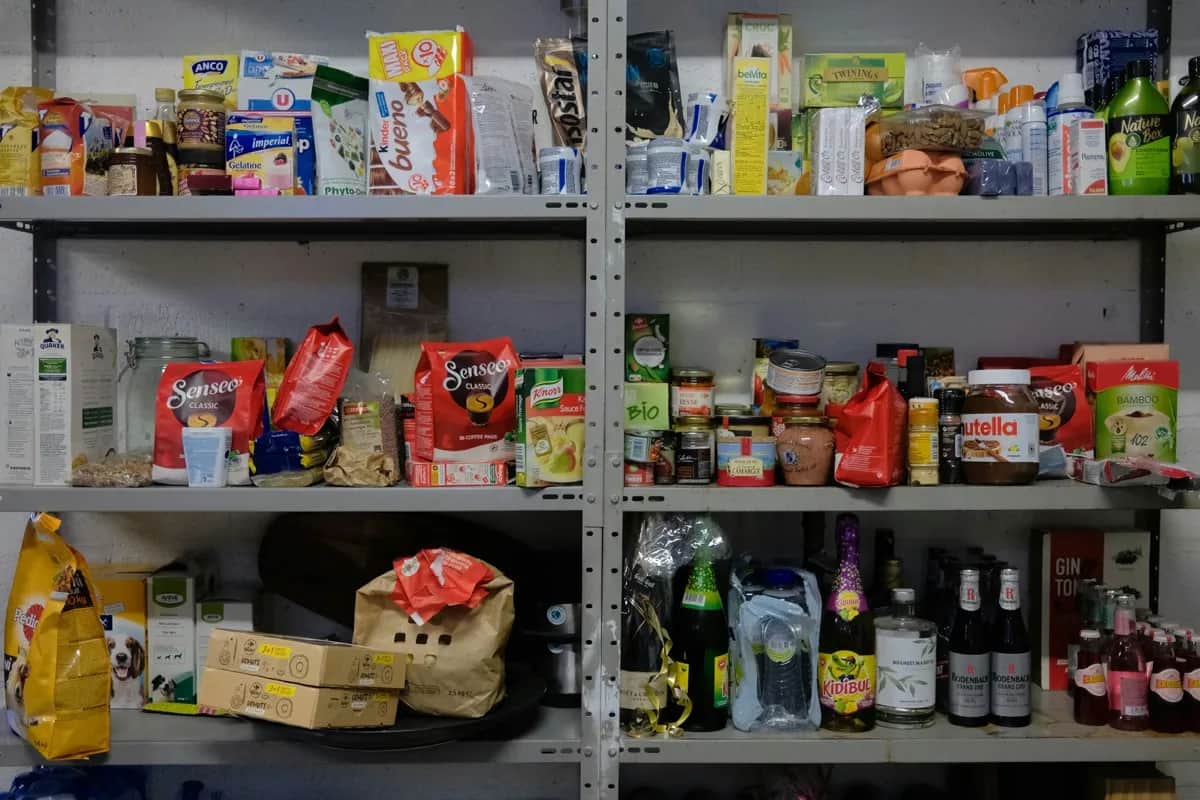
 Foto: Beau Carpenter / Unsplash
Emergency Food Supply: The Complete 2-Week Checklist
Which foods belong in every emergency supply, how to store them correctly, and how to maximize shelf life.
Why Two Weeks Is the Right Planning Horizon
FEMA recommends a 72-hour emergency food supply. The BBK recommends 10 days. Most experienced emergency planners advocate for 2 weeks.
The reasoning: 72 hours covers short-term disruptions. 2 weeks covers the longer scenarios — major storms, extended infrastructure failures, supply chain disruptions — while still being feasible to store in a standard apartment or home. Beyond 2 weeks, you're moving into territory that requires dedicated storage infrastructure.
The 2-week supply is the sweet spot: meaningful protection against realistic scenarios, achievable for most households without major lifestyle changes.
Calorie Planning: How Much Is Enough?
Adult calorie targets:
- Sedentary rest: 1,800-2,000 calories/day
- Normal light activity: 2,000-2,500 calories/day
- Physical stress or labor: 2,500-3,500 calories/day
14-day supply calculation per person:
- Conservative: 14 days × 2,000 cal = 28,000 calories
- With stress buffer (+20%): ~33,600 calories
For children, adjust by age:
- Ages 2-3: ~1,200 cal/day
- Ages 4-8: ~1,400-1,600 cal/day
- Ages 9-13: ~1,600-2,200 cal/day
The Complete Food Inventory
Grains and Carbohydrates
The caloric backbone of your emergency pantry. Long shelf life, versatile, and familiar:
| Item | Amount (1 person / 2 weeks) | Shelf Life | Notes |
|---|---|---|---|
| Dry pasta | 3 lbs (1.4 kg) | 2-3 years | Semolina holds better than whole wheat |
| White rice | 2 lbs (900g) | 3-5 years | Brown rice: 6-12 months only |
| Rolled oats | 1 lb (450g) | 1-2 years | Edible cold with water |
| Crackers / crispbread | 1 lb (450g) | 6-12 months | Ready-to-eat, no cooking needed |
| All-purpose flour | 1 lb (450g) | 12 months | Flatbreads on a camp stove |
Protein Sources
Shelf-stable, high-protein foods that require no refrigeration:
| Item | Amount | Shelf Life | Notes |
|---|---|---|---|
| Canned tuna (in water) | 8-10 cans | 3-5 years | High protein, ready-to-eat |
| Canned sardines | 6 cans | 3-5 years | Omega-3 and calorie-dense |
| Canned chicken | 4 cans | 3-5 years | Versatile |
| Canned beans | 8 x 15oz cans | 3-5 years | Protein + fiber |
| Canned lentils or dried | 3 cans / 1 lb dry | 1-2 years | Dried red lentils need no soaking |
| Peanut butter | 2 jars (16 oz) | 12-18 months | Calorie-dense, no cooking |
Fruits and Vegetables
Critical for micronutrients — don't skip these even in emergencies:
| Item | Amount | Shelf Life | Notes |
|---|---|---|---|
| Canned tomatoes | 4-6 cans | 18-24 months | Sauce base for many meals |
| Canned corn | 3-4 cans | 2-3 years | Ready to eat cold |
| Canned mixed vegetables | 4 cans | 2-3 years | Nutritional balance |
| Dried fruit (raisins, apricots) | 1 lb (450g) | 6-12 months | Natural sugar and micronutrients |
| Multivitamins | 30-day supply | Per label | Insurance for nutritional gaps |
Fats and Calorie Boosters
Fats are the most calorie-dense food category (9 cal/gram vs 4 for protein/carbs):
| Item | Amount | Shelf Life | Notes |
|---|---|---|---|
| Olive oil | 1 liter | 12-18 months | Cooking + calorie source |
| Coconut oil | 1 jar | 18-24 months | Stays solid; very stable |
| Mixed nuts | 1 lb (450g) | 6-12 months | Highest calorie density of snacks |
| Dark chocolate (70%+) | 6-8 bars | 12+ months | Morale + calories |
| Honey | 1 lb jar | Indefinite | Natural preservative; morale booster |
Beverages and Condiments
| Item | Notes |
|---|---|
| Coffee (ground or instant) | Comfort and routine matter in crises |
| Herbal tea bags | Calming, warming |
| Sugar | 1 lb — energy + food preservation |
| Salt | 1 lb — essential for cooking + food preservation |
| Apple cider vinegar | Cleaning, preserving, flavor |
| Soy sauce (packets) | Shelf-stable flavor enhancer |
The FIFO Rotation System
FIFO (First In, First Out) is the principle that prevents your emergency food from expiring unused.
How to implement it:
- New purchases always go to the back of the shelf
- Write purchase date on every new item with a permanent marker
- Items in front (oldest) get used in regular cooking first
- Monthly check: pull anything expiring within 3 months into normal rotation
- Replace as you use
Apps like Pantry Check or even a simple spreadsheet help track dates for larger inventories.
The key insight: Your emergency pantry shouldn't feel like a "special stash" — it's just your regular kitchen inventory with more depth.
Storage Conditions That Maximize Shelf Life
Three enemies of food storage: light, heat, and moisture.
Ideal conditions:
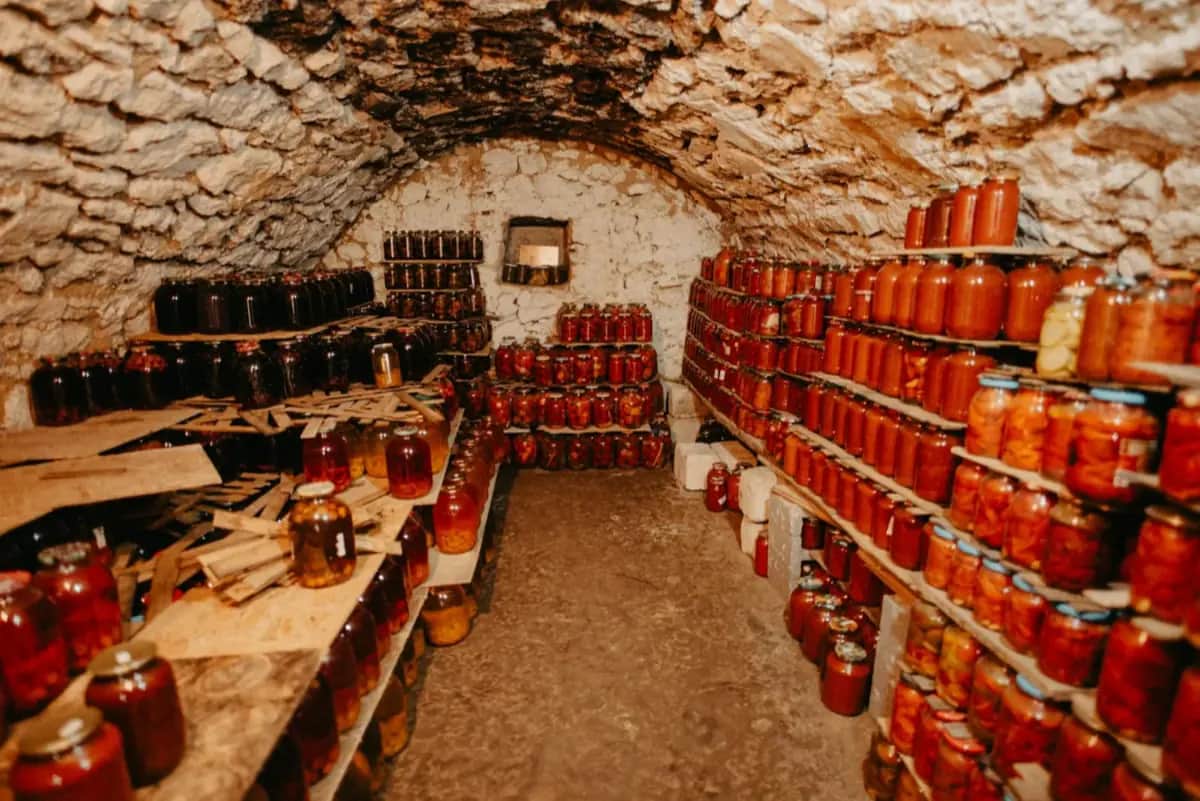
- Temperature: 50-70°F (10-21°C), cool and stable
- Humidity: low (below 60% relative humidity)
- Light: dark or minimal exposure
- Location: interior closet, basement, or pantry — not a garage (extreme temperature swings)
Container best practices:
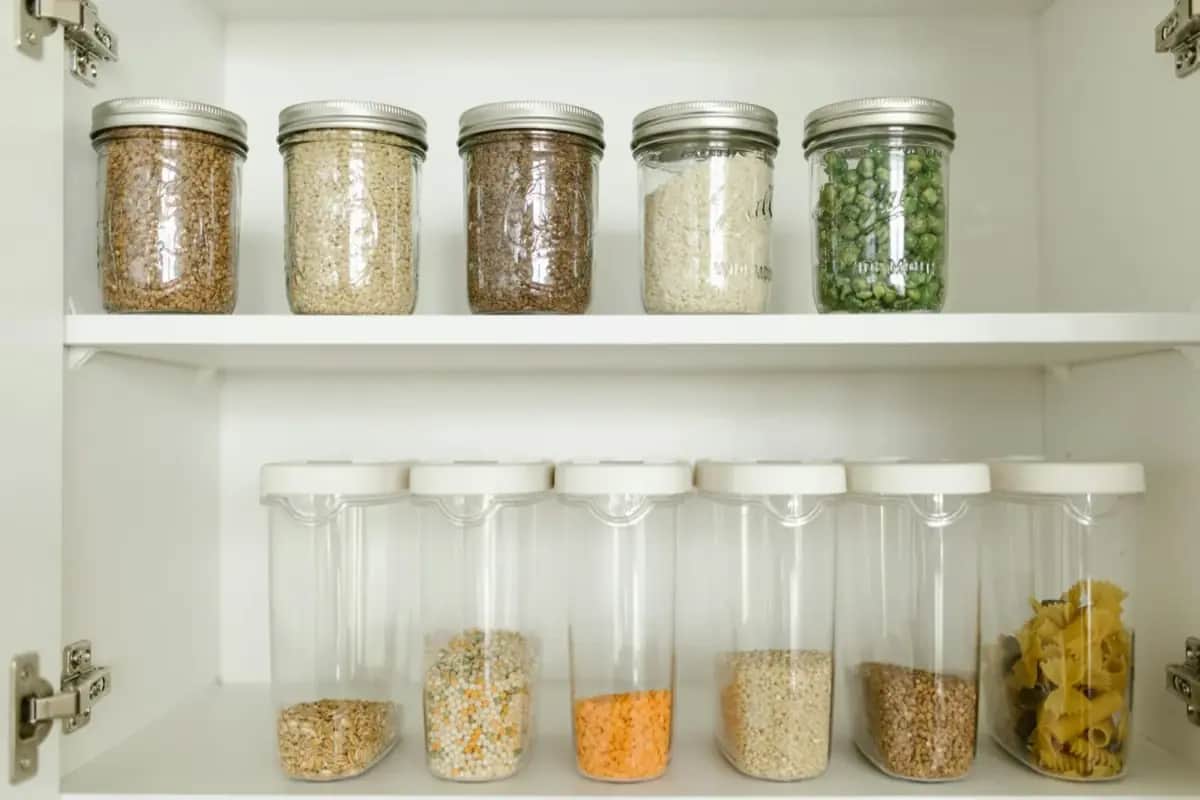
- Airtight containers for dry goods (pasta, rice, flour): prevent moisture and pests
- MylarBags + oxygen absorbers for long-term dry storage (5-25 year shelf life)
- Avoid cardboard boxes in damp areas — they attract moisture and pests
- Glass jars for acidic foods (tomatoes); cans are fine for everything else
- Never store directly on concrete floors — moisture wicks up
What not to store:
- Fresh produce: won't last beyond a few days
- Frozen foods: dependent on your freezer (fine as a supplement, not a core strategy)
- Foods your household won't eat: even in emergencies, people reject unfamiliar foods
Special Dietary Considerations
Infants:
- Formula or breast milk supply: plan for 2 weeks
- Jarred baby food (Stage 1 and 2): canned and shelf-stable
- Age-appropriate foods in appropriate textures
Elderly family members:
- Softer foods that are easy to chew: canned vegetables, soft bread
- Adequate hydration is critical and often overlooked
- Nutritional supplements (protein shakes like Ensure) can fill gaps
Food allergies and intolerances:
- Gluten-free: substitute rice, corn pasta, quinoa, buckwheat
- Dairy-free: shelf-stable plant milks (oat, almond, soy in cartons)
- Nut allergy: seeds (sunflower, pumpkin) as protein/fat alternatives
- Create a written list of dietary restrictions for each household member
Building Your Pantry Without Breaking the Bank
You don't need to spend $500 in one shopping trip. An incremental approach works well:
- Week 1: Add $20 of pantry staples to your regular grocery run
- Week 2: Add $20 more, focusing on different categories
- Month 1: $80-100 spent = 3-day emergency supply
- Month 3: $250-300 spent = full 2-week supply for one person
For a family of 4, plan $800-1,200 for a full 2-week supply. Spread over 3-4 months, that's $200-300/month — manageable for most budgets.
Recommended Products
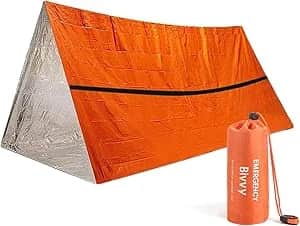
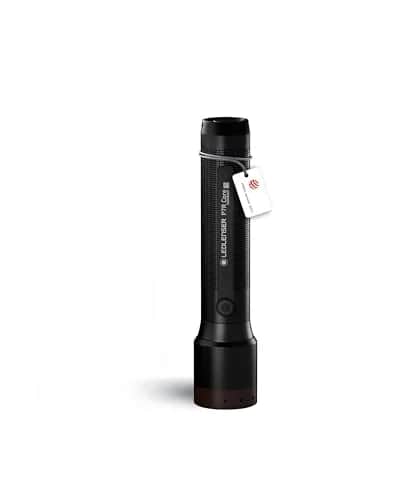
As an Amazon Associate we earn from qualifying purchases. Buying through our links supports the development of this app at no extra cost to you.