 Foto: ha ha / Pexels
8 Emergency Food Storage Mistakes That Spoil Your Stockpile
These 8 common food stockpile mistakes lead to wasted money, spoiled food, or inadequate nutrition when you need it most. Fix them before the next crisis.
Why Food Stockpile Mistakes Are So Common
Building an emergency food supply sounds simple: buy food, store it, use it in a crisis. But most people approach it without a system, and the result is a disorganized, potentially unsafe collection that fails at the moment it's needed.
These eight mistakes are the most common — and each is completely preventable.
Mistake 1: Storing Foods Your Household Doesn't Eat
This sounds obvious, but it's the most common error in emergency food stockpiles. People stock up on "survival foods" — freeze-dried meals, unfamiliar whole grains, exotic canned goods — because they seem practical or have excellent shelf lives.
In practice: when stress is high and familiar comforts are absent, strange or unpalatable food creates additional psychological burden. Children in particular may refuse to eat unfamiliar foods. A family that won't eat their stockpile during a crisis is in trouble.
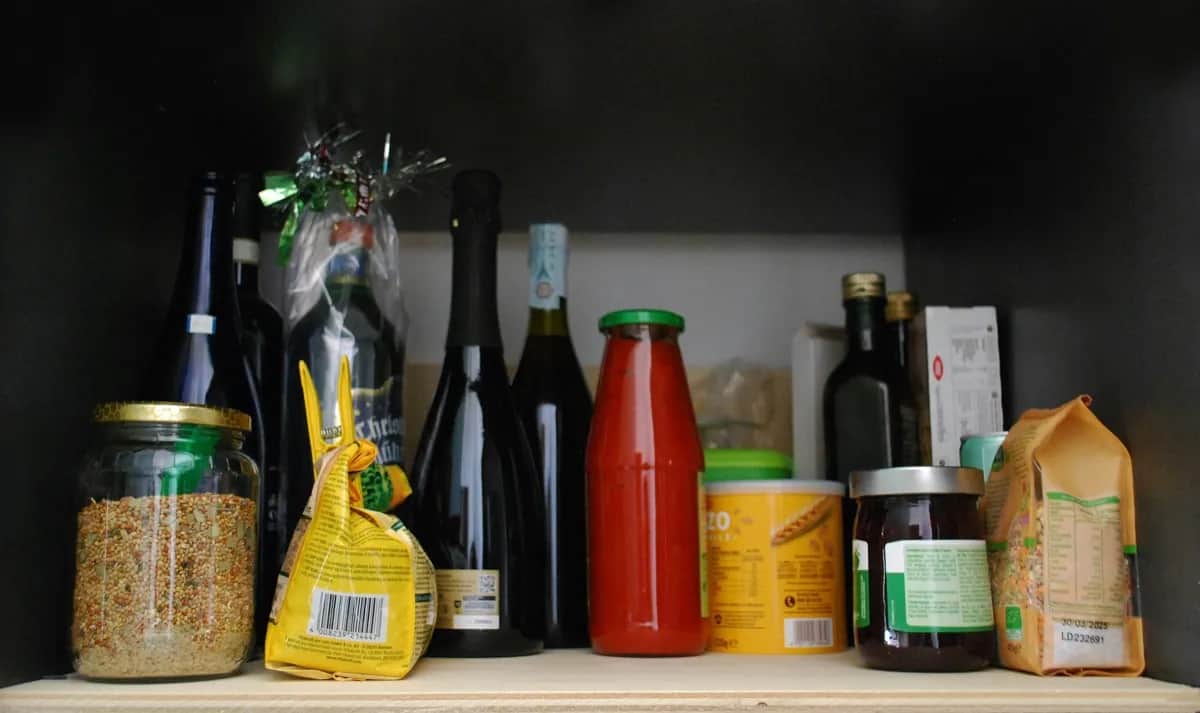
The rule: Store what you eat. Your emergency pantry should be a larger version of your normal pantry. If you eat pasta, rice, canned tomatoes, and tuna in daily life, those are your emergency staples. No adjustment required.
Mistake 2: Not Rotating — Storing and Forgetting
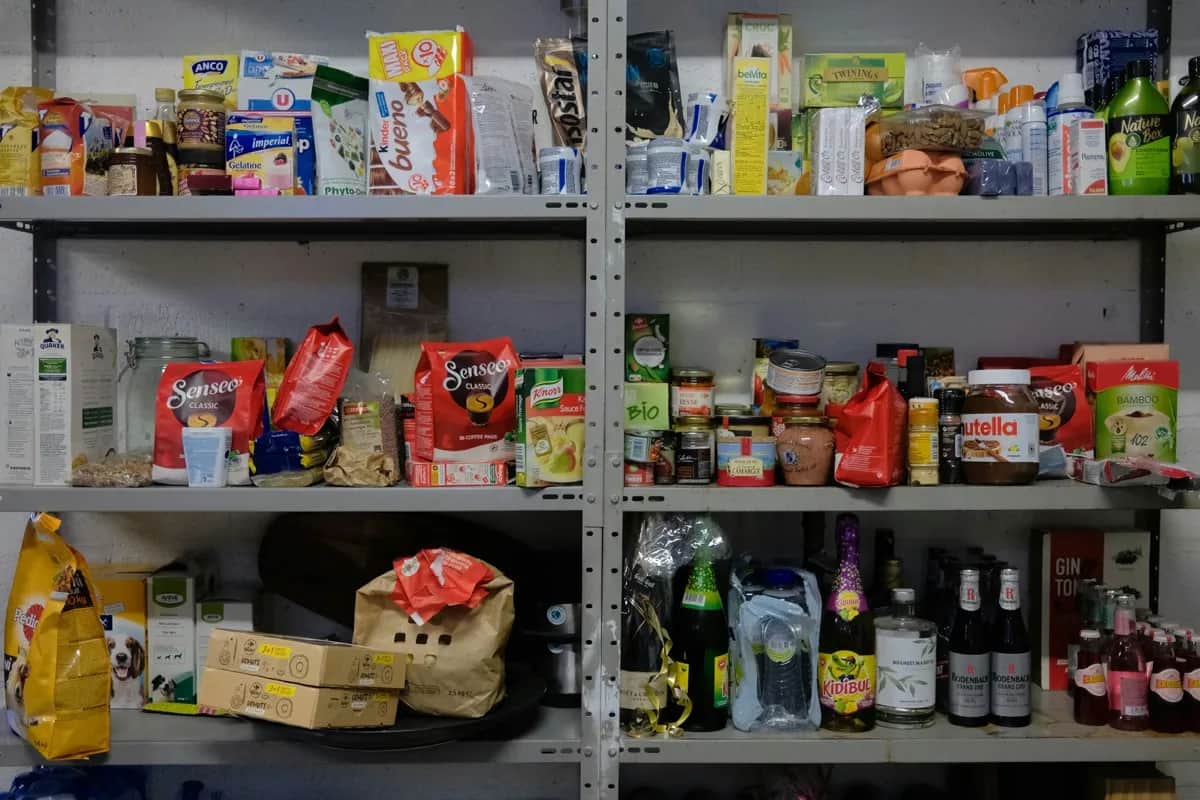
A stockpile that is never touched is a stockpile that expires. Every item has a shelf life, and a "store it and forget it" approach means discovering in an emergency that your pasta expired three years ago and your oil has gone rancid.
The FIFO system (First In, First Out) is the solution: buy new items, place them at the back of the shelf, use from the front. New purchases continuously refresh the supply. Nothing ever expires.
Practical implementation: Use the stockpile as your regular pantry. Cook from it weekly. Replace what you use. Your emergency supply is not separate from your daily food — it is your daily food, just in larger quantity.
Mistake 3: Ignoring Caloric Density
Weight and volume are poor guides to emergency food value. Caloric density — calories per kilogram — is what matters when you're carrying supplies, managing limited storage space, or rationing during an extended crisis.
High caloric density (good for stockpiling):
- Oils and fats: 8,800 kcal/kg
- Nut butter: 6,000 kcal/kg
- Nuts and seeds: 5,500–6,000 kcal/kg
- Chocolate: 5,400 kcal/kg
- Dried pasta: 3,500 kcal/kg
- Rice: 3,500 kcal/kg
Low caloric density (eat fresh; poor emergency choices):
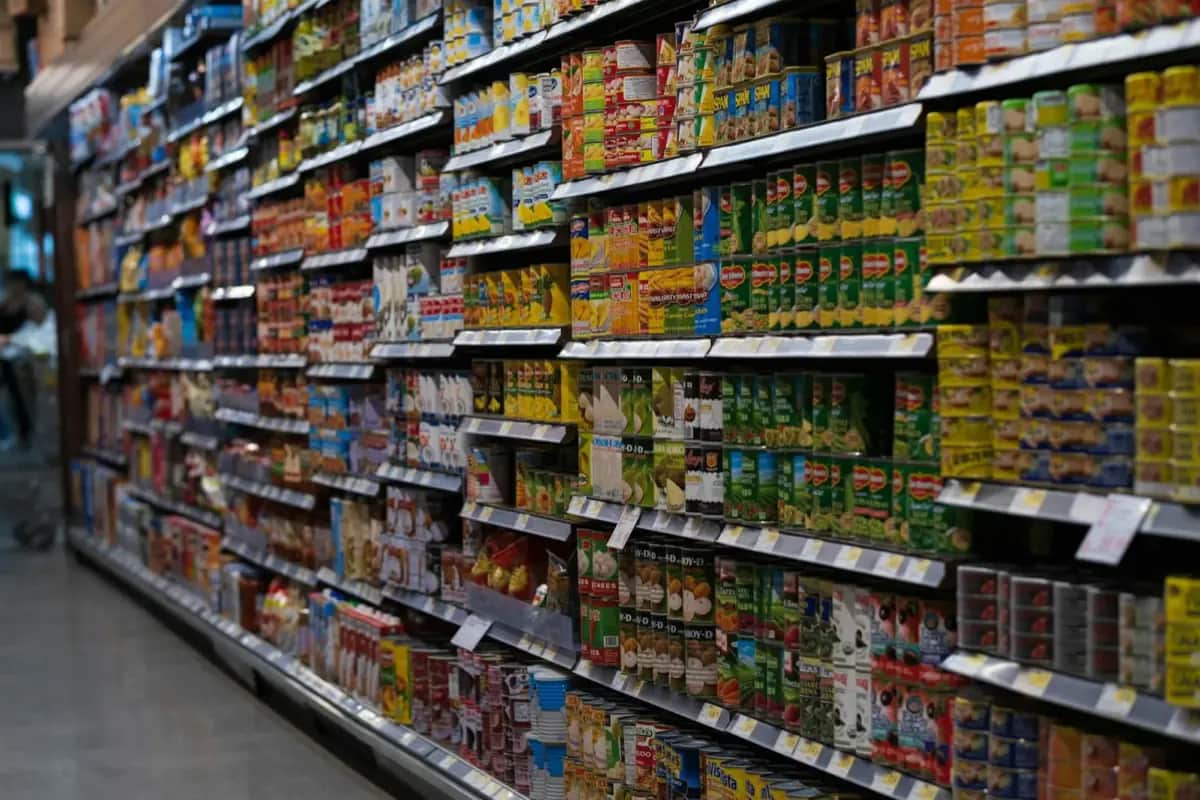
- Canned soup: 400–600 kcal/kg
- Canned vegetables: 200–400 kcal/kg
Supplement high-density staples with canned goods for variety, but ensure your stockpile's caloric backbone is the high-density items. A shelf full of canned vegetables alone will leave you calorically deficient.
Mistake 4: No Way to Cook Without Power
An emergency food supply stored without the means to cook it is a theoretical preparation.
Most emergency staples — dried pasta, rice, dried legumes — require boiling. Canned goods can be eaten cold but are far more nutritious and palatable when heated.
What you need:
- A camp stove (gas, camping fuel, or multi-fuel)
- Sufficient fuel: at minimum 10 × 400g gas canisters per person per 14 days of regular cooking
- A pot or two
This is not optional. It is as critical as the food itself.
Mistake 5: Poor Storage Conditions
Food stored incorrectly expires faster, loses nutritional value, and can become unsafe.
Common storage mistakes:
- In a garage or vehicle (temperature swings; can exceed 50°C in summer)
- Under a sink or near water pipes (moisture damage)
- In direct sunlight (UV and heat degrade plastic packaging and fats)
- In areas accessible to mice or insects (dry goods need hard, sealed containers)
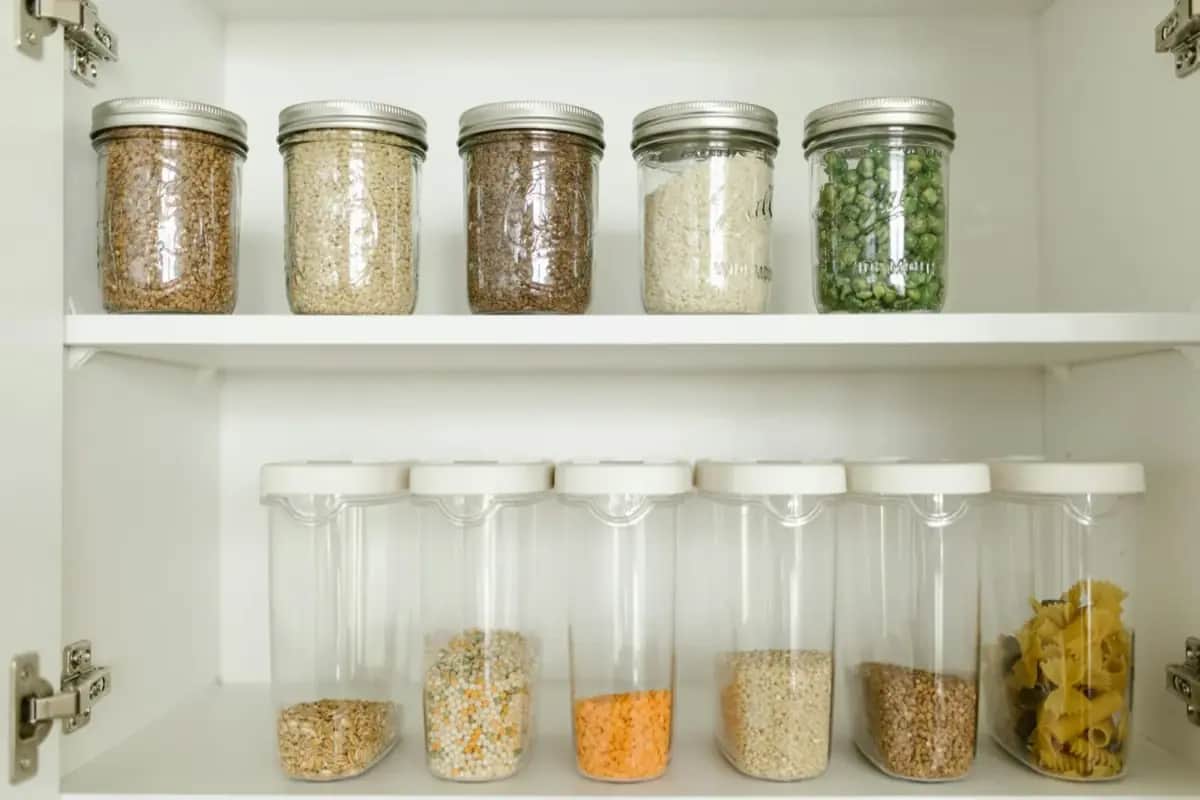
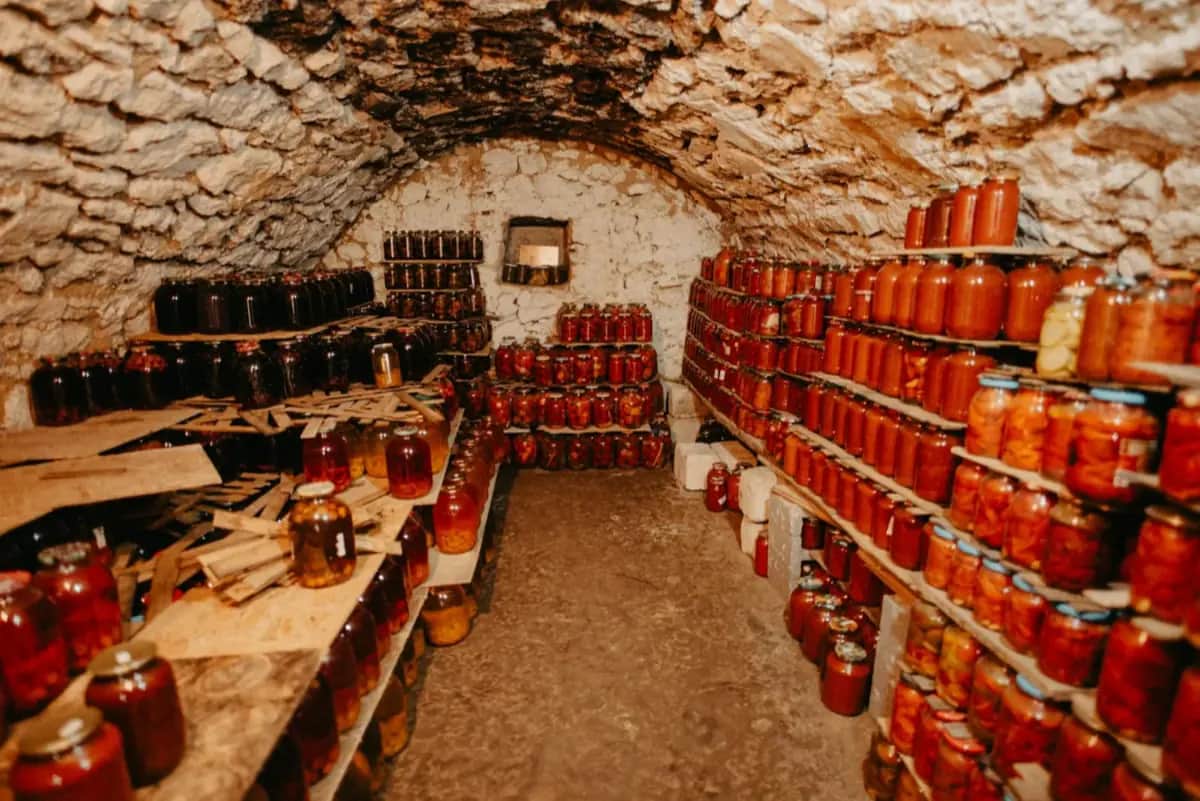
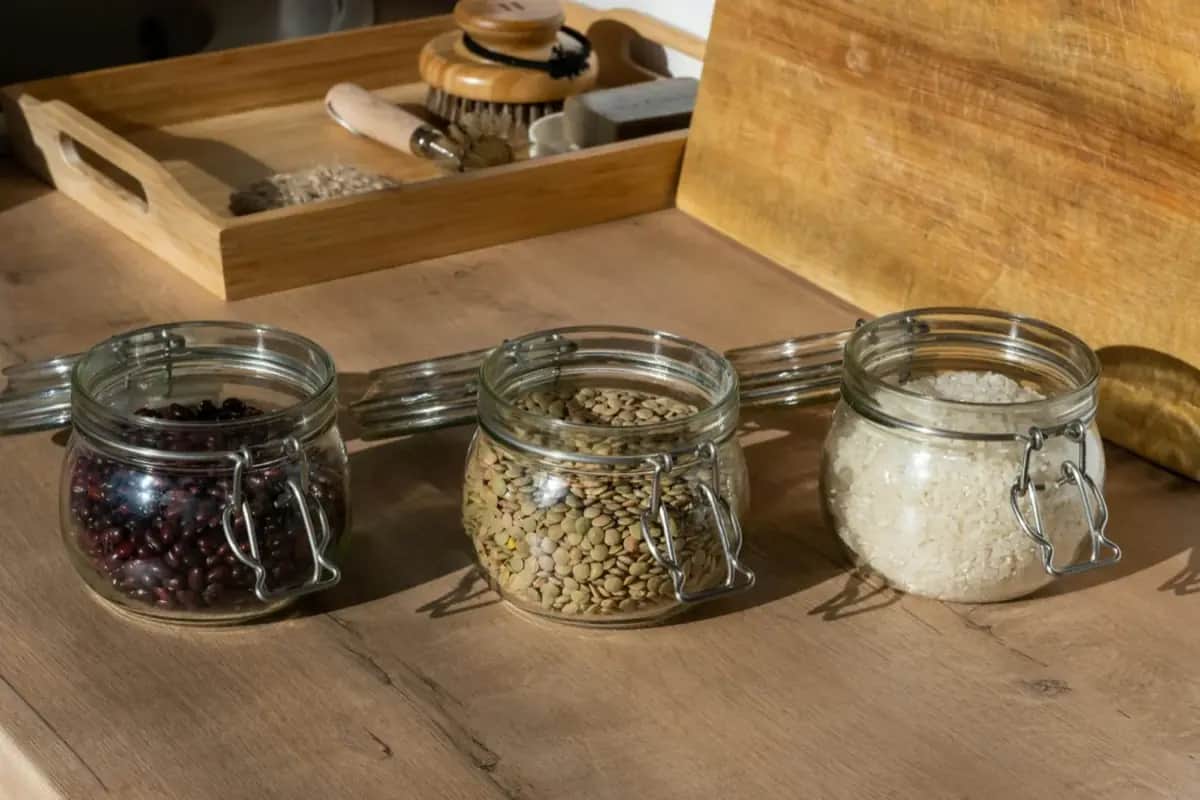
Correct storage: Cool (under 20°C), dark, dry, in hard containers for dry goods. A basement, interior pantry, or climate-controlled room.
Mistake 6: Forgetting the Can Opener
This is genuinely one of the most common practical failures in emergency food preparation. Every prepper forum has a story: beautifully organized canned goods, full pantry, and no way to open the cans.
The fix:
- Own at least two manual can openers
- Keep one in the emergency kit
- Test it annually (cheap can openers fail after infrequent use)
Mistake 7: No Attention to Micronutrients
A stockpile built purely around caloric sufficiency — rice, pasta, oil, canned meat — covers macronutrient needs but can lead to micronutrient deficiency within weeks. Vitamin C deficiency (scurvy) can develop within 4–12 weeks of zero fresh food intake. B vitamin deficiencies follow.
Prevention:
- Include canned fruits (in juice, not syrup) for vitamin C
- Dried fruit (raisins, apricots, dried mango) for vitamins and minerals
- Multivitamin tablets (cheap, light, effective insurance)
- Canned tomatoes (excellent source of vitamin C and lycopene)
- Dried legumes (B vitamins, iron, zinc)
Mistake 8: Forgetting Special Needs in Your Household
A stockpile built for average adults fails if someone in your household has special requirements:
Check for:
- Infants: formula, baby food, appropriate textures
- Food allergies or intolerances: every can needs to be checked; cross-contamination in manufacturing
- Medical diets: low sodium for heart conditions, renal diet foods
- Medication interactions: some medications interact with specific foods; review with your pharmacist
- Elderly household members: softer foods may be needed; consider dental limitations
- Pets: dog and cat food often forgotten until the last moment
The Prevention Checklist
| Mistake | Fix |
|---|---|
| Unfamiliar foods | Store what you eat |
| No rotation | FIFO system; cook from stockpile weekly |
| Low calorie density | Prioritize oils, nuts, pasta, rice for caloric base |
| Can't cook without power | Camp stove + 10 gas canisters |
| Wrong storage conditions | Cool, dark, dry; hard containers for dry goods |
| No can opener | Two manual openers; test annually |
| No micronutrients | Multivitamins; dried fruit; canned tomatoes |
| Special needs forgotten | Audit household requirements; check every member |
A well-managed emergency food supply is simply a well-managed pantry at larger scale. The systems that prevent these mistakes — rotation, proper storage, completeness — are the same practices that make a kitchen run efficiently in daily life.