 Foto: Alexander Van Steenberge / Unsplash
72-Hour Emergency Supply: What You Really Need
Everything you need to survive 72 hours after an emergency - compact checklist with exact quantities.
Why 72 Hours Is the Critical Window
FEMA, the German BBK, and most national emergency management agencies recommend preparing for a minimum of 72 hours of self-sufficiency. Three days sounds modest, but it reflects a hard truth: after a major disaster event, emergency services take 24-72 hours to fully mobilize and reach all affected households.
During this window, you're on your own. No grocery deliveries. Potentially no running water. Possibly no cell service.
The good news: a complete 72-hour emergency supply costs around $75-100 and takes a single shopping trip to assemble. This article gives you exact quantities — not vague recommendations. Not "store adequate water" but "store 6 liters of water per person."
Water: Non-Negotiable First Priority
Water is the most critical resource in any emergency. The human body can survive weeks without food but only 3-5 days without water — less in hot weather or if you're physically active.
During a major power outage, water treatment plants lose pressure as electrically-powered pumps fail. Municipal water can become unavailable or unsafe within hours.
Exact quantities you need:
- Drinking: 1 liter (0.26 gal) per person per day minimum; 2 liters recommended
- Cooking and hygiene: 0.5-1 liter per person per day
- 72-hour minimum for 1 person: 4.5-9 liters (1.2-2.4 gallons)
- 72-hour minimum for family of 4: 18-36 liters (5-10 gallons)
Storage options:
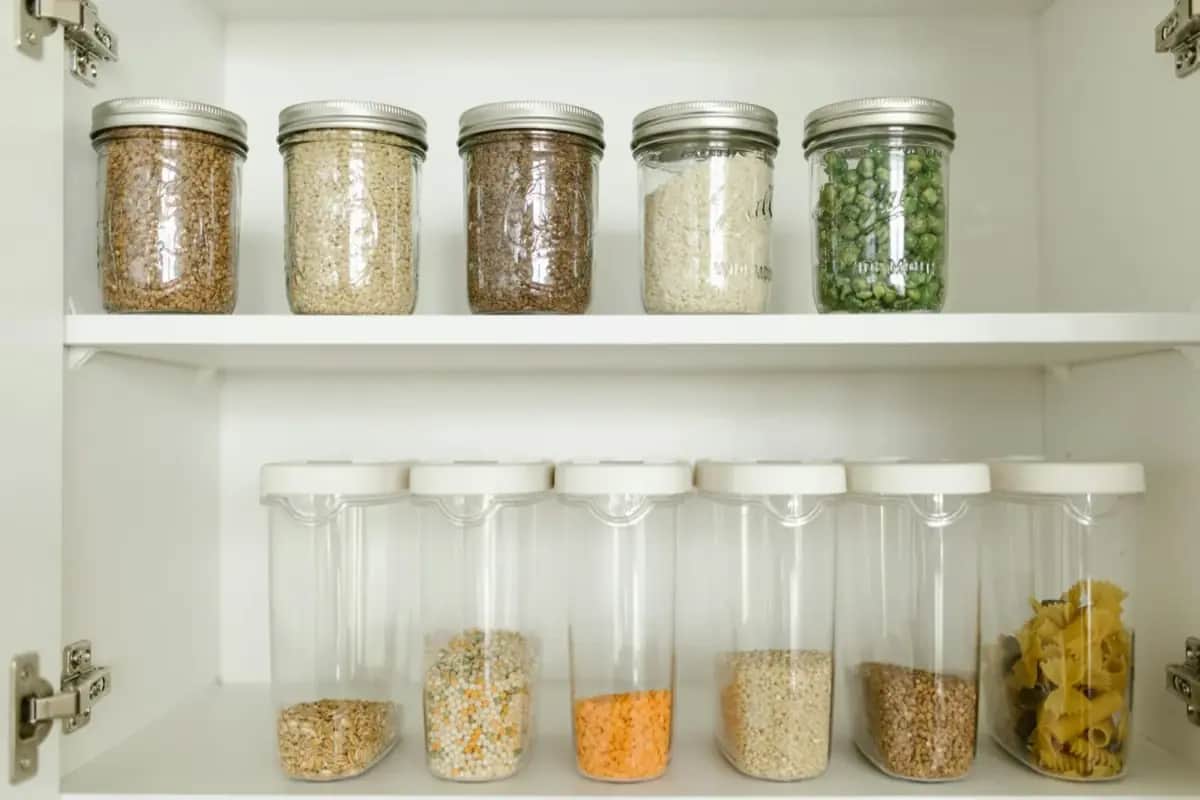
- Commercial water jugs (1-gallon or 2.5-gallon food-grade HDPE containers)
- Filled 1.5-liter mineral water bottles — 4-6 per person gives a solid buffer
- Replace stored water every 6-12 months; label with the fill date
Water purification backup:
- Portable hollow-fiber filter (Sawyer Squeeze, LifeStraw): removes bacteria and protozoa, excellent for extended outages
- Water purification tablets (chlorine dioxide preferred): treats viruses and bacteria
- Boiling: 1 minute of rolling boil kills all pathogens — requires a camp stove
Food: 2,000 Calories Per Day Without a Kitchen
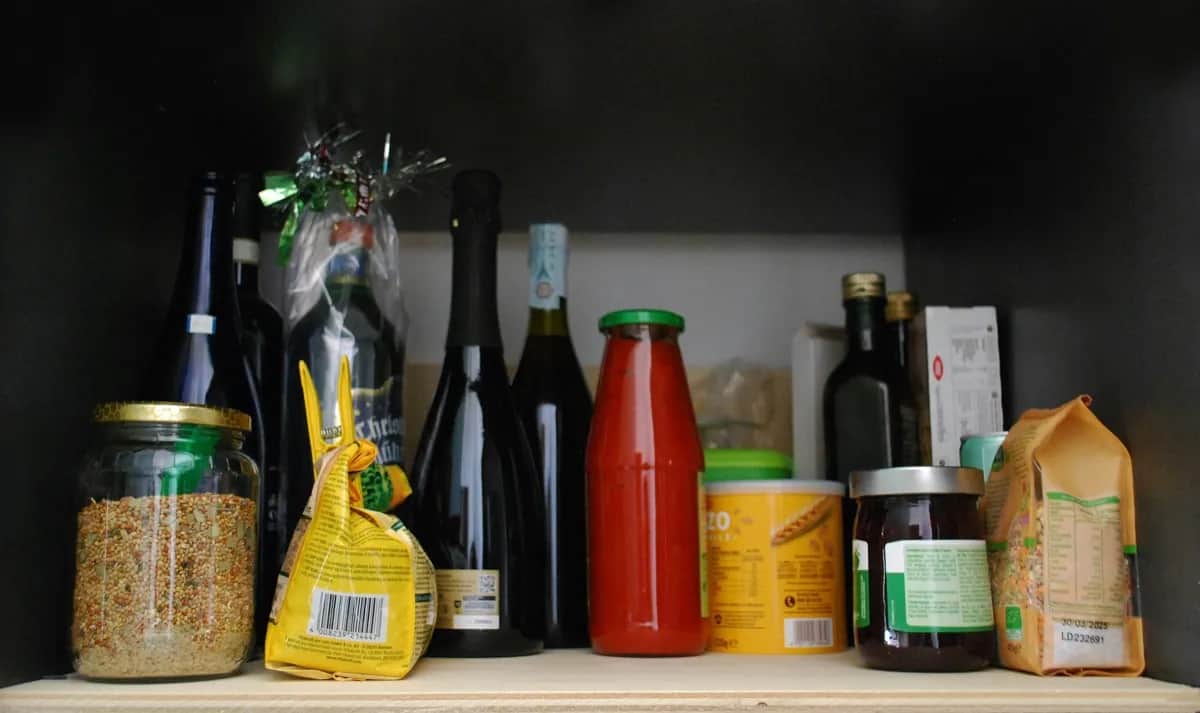
A 72-hour supply should be built entirely around no-cook foods. Assume your stove, microwave, and oven are unavailable. Everything should be edible straight from the package, or heated with a camp stove.
Key principle: calorie density over volume. You want foods that pack a lot of energy into a small, shelf-stable package.
| Food | Calories/100g | Shelf Life | Notes |
|---|---|---|---|
| Mixed nuts | ~600 kcal | 6-12 months | Fat + protein + energy |
| Whole grain crackers | ~400 kcal | 12 months | Filling, no prep |
| Peanut butter | ~590 kcal | 18 months | Protein + fat, shelf stable |
| Honey | ~300 kcal | Indefinite | Energy boost, antibacterial |
| Canned beans/lentils | ~90 kcal | 3-5 years | Ready to eat, protein |
| Canned fish (tuna, sardines) | ~200 kcal | 3-5 years | High protein |
| Granola bars | ~450 kcal | 12 months | Convenient, tasty |
| Dried fruit | ~300 kcal | 12 months | Energy, vitamins |
Critical item everyone forgets: A manual can opener. It costs $5 and makes your canned food stash actually usable. Keep one with your emergency kit, not in your kitchen drawer.
For families with a camp stove, options expand significantly: pasta, rice, oatmeal, canned soups — comfort food matters for morale during stressful events.
Light and Power: Don't Underestimate Darkness
Complete darkness after sunset is psychologically difficult and physically dangerous. Falls and accidents spike in the first hours after a power outage. Reliable light is a safety item, not a luxury.
Minimum lighting setup:
- Headlamp with fresh batteries (or rechargeable): at least 100 lumens, hands-free use is invaluable
- Lantern for ambient room light: illuminates a whole area rather than just a beam
- 30-50 tea lights as backup: long burn time, cheap — but never leave unattended
Power backup:
- Power bank (minimum 20,000 mAh): kept fully charged at all times, recharged every 3 months
- AA and AAA batteries: audit every device in your home and stock what they need
- Solar charger: not essential for 72 hours, but excellent for extended outages
A 20,000 mAh power bank will fully charge most smartphones 4-6 times. That's enough for 72 hours of light use even without any sunlight.
First Aid and Medications
In a large-scale emergency, hospitals and emergency services can be overwhelmed. Basic first aid capability is part of every serious 72-hour kit.
First aid kit essentials:
- Adhesive bandages in multiple sizes
- Elastic bandages (2-3 rolls)
- Sterile gauze pads (at least 10)
- Antiseptic (hydrogen peroxide or chlorhexidine)
- Medical tape
- Tweezers and scissors
- Disposable gloves (at least 5 pairs)
- Emergency thermal blanket (Mylar)
- Digital thermometer
Medications (3-day supply minimum):
- Pain reliever: ibuprofen and/or acetaminophen
- Anti-diarrheal (Imodium)
- Antihistamine (Benadryl or equivalent)
- Prescription medications: Work with your doctor to maintain a 7-day buffer supply of all critical medications. This is the most important item on this list for people who take daily medications.
Communication and Documents
When cell towers lose backup power (typically 4-8 hours after grid failure), mobile networks go down. Information becomes critically scarce.
Communication gear:
- Battery-powered or hand-crank weather radio (NOAA Weather Radio in the US): official emergency broadcast is the most reliable information source
- Paper list of critical numbers: police (911), your doctor, immediate family, closest neighbors
- Emergency contacts laminated or in a waterproof bag
Documents to safeguard:
- Photograph all critical documents (passport, driver's license, insurance cards) and back them up to cloud storage
- Keep physical copies in a waterproof envelope
- Store $100-200 in small bills as cash — ATMs fail during power outages
Family communication plan:
- Designate two meeting points: one near your home (for local emergencies), one in your neighborhood (for larger events)
- Designate an out-of-area contact that all family members can text if local lines are congested
Complete 72-Hour Supply Checklist
Use this to assemble your kit in a single afternoon:
Water:
- 4.5-9 liters per person (at minimum)
- Water purification tablets or filter
Food:
- Crackers or hard bread (16-24 oz)
- Nuts (18 oz)
- Peanut butter (1 jar)
- Granola bars (12-18)
- Canned fish (3-4 cans)
- Dried fruit (8 oz)
- Manual can opener
Light and Power:
- Headlamp + fresh batteries
- Lantern + batteries
- Power bank (fully charged)
- Tea lights (30-50)
First Aid:
- Complete first aid kit
- 3-day supply of pain reliever
- Prescription medications (7-day supply)
Communication:
- Battery or hand-crank radio
- Emergency numbers on paper
- $100-200 cash in small bills
- Document copies
This entire kit fits in a medium plastic bin or large backpack. Total cost: $75-120. It can be assembled in one shopping trip and represents a genuine safety margin against the most common emergency scenarios you'll face.
Once you have this 72-hour foundation in place, the logical next step is extending to a 14-day supply — which requires more planning but is still achievable with a single month of intentional grocery shopping.