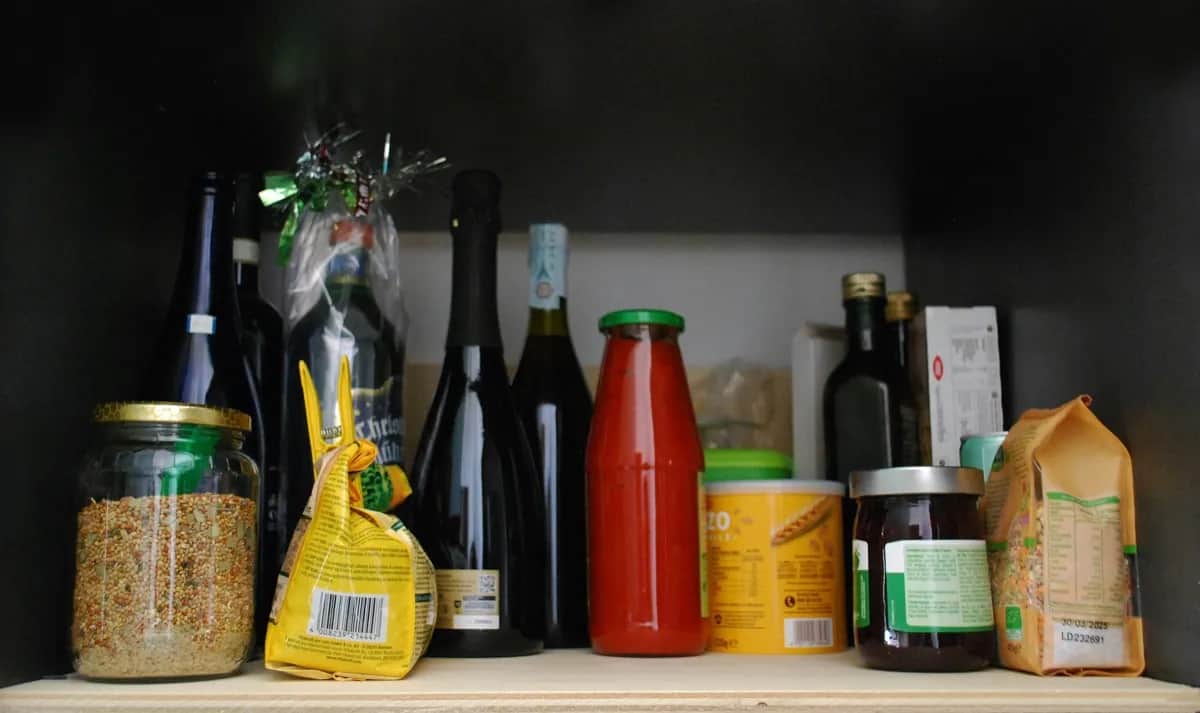
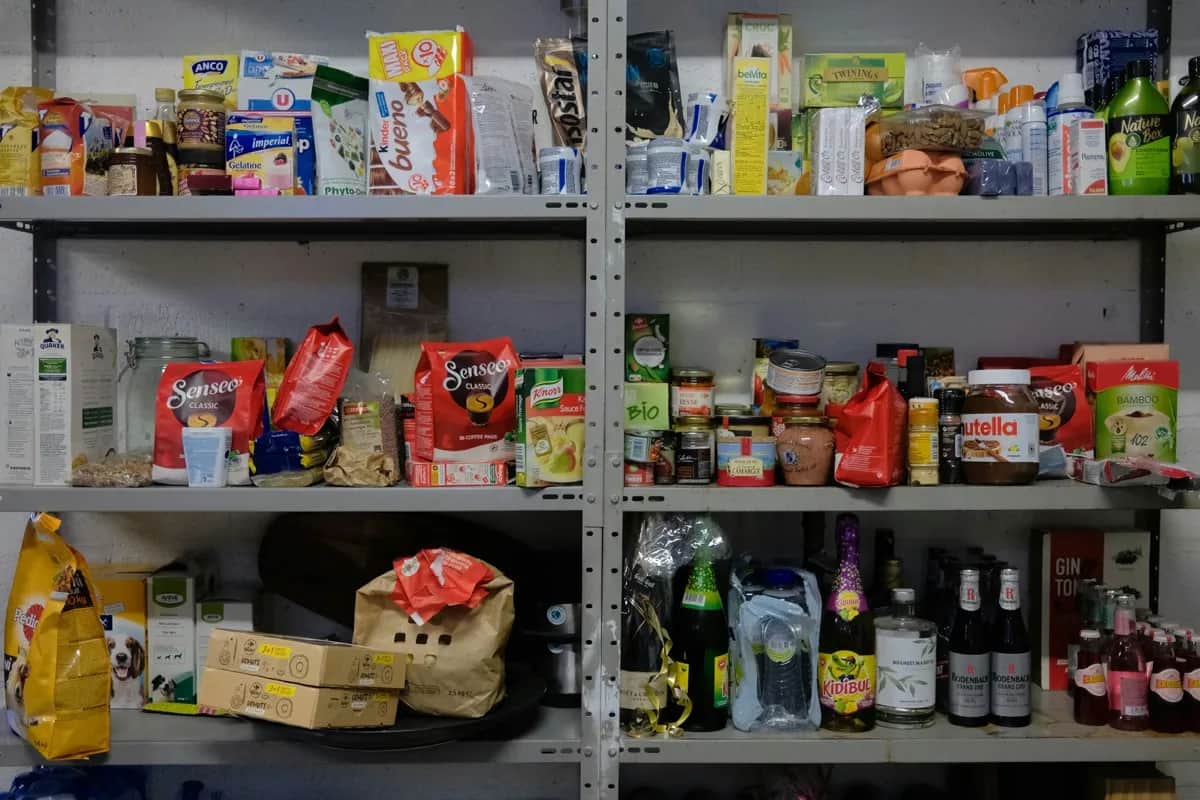
 Foto: Ron Lach / Pexels
Emergency Food Storage Checklist: What Every Household Needs (PDF)
The complete emergency food storage checklist: every category, quantity per person, storage conditions, and rotation schedule. Download-ready for your preparedness planning.
How to Use This Checklist
Work through each category systematically. For each item:
- Calculate quantity based on your household size (multiply per-person amounts by number of people)
- Check what you already have
- Note what needs to be purchased
- Verify storage conditions are correct
Target: 14 days minimum, 28 days recommended
Quantity formula: Per-person amount × number of people × (14 or 28 days ÷ base days shown)
Category 1: Grains and Starches
Caloric backbone of your stockpile. Long shelf life, easy to prepare.
Per person, per 14 days:
- Pasta (white or whole grain): 2 kg — shelf life 3+ years
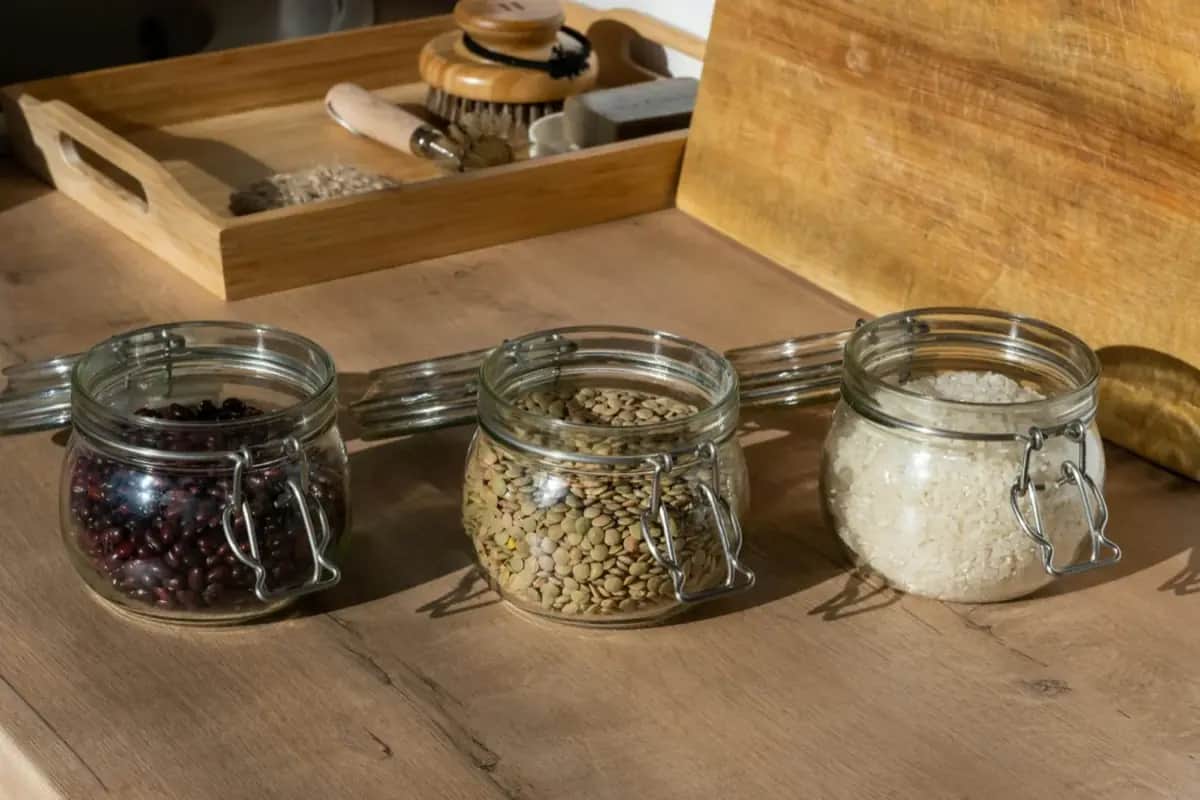
- Rice (white): 2 kg — shelf life 10+ years (sealed)
- Oats (rolled): 1.5 kg — shelf life 1–2 years (sealed container)
- Crispbread / Rye crackers: 500g — shelf life 1+ year, no cooking needed
- Flour: 500g — for thickening soups, basic baking if you have a stove
- Muesli / Granola: 500g — no-cook breakfast option
Storage note: Transfer oats and flour to sealed hard containers. Add a bay leaf to repel insects.
Category 2: Proteins
Essential for energy, muscle function, and satiety. Choose a mix of legumes and animal proteins.
Per person, per 14 days:
- Canned legumes (400g cans): 8 cans — lentils, chickpeas, kidney beans, white beans
- Dried lentils: 500g — versatile, high protein, cook faster than other legumes
- Canned fish (150g cans): 6 cans — tuna, sardines, mackerel
- Canned meat (400g cans): 4 cans — chicken, corned beef, or mixed
- Peanut butter or almond butter: 500g — 600 kcal/100g; no cooking needed
- Mixed nuts: 400g — high calorie density; ready to eat
Category 3: Fats
Critical for calorie density and satiety. Often overlooked in emergency stockpiles.
Per person, per 14 days:
- Cooking oil (olive, sunflower, or rapeseed): 500ml — shelf life 1–2 years; critical for calorie density in cooked meals
- Ghee (clarified butter): 250g — shelf life 1–3 years without refrigeration; richer flavor than oil
- Coconut oil: 250g — shelf life 2+ years; works well in cooking without refrigeration
Category 4: Vegetables and Fruit
Micronutrients, fiber, and variety. Do not skip this category.
Per person, per 14 days:
- Canned vegetables (400g cans): 6 cans — tomatoes, corn, peas, mixed vegetables
- Canned tomatoes (crushed or whole): 4 cans — base for soups and stews
- Dried fruit: 400g — raisins, apricots, dates; ready to eat, rich in sugar and micronutrients
- Dried mushrooms: 100g — rehydrate with water; high in minerals
- Tomato paste (tube): 2 tubes — concentrated flavor, small volume
Category 5: Beverages and Stimulants
Water is covered separately. These items maintain morale and provide energy.
Per person, per 14 days:
- Coffee (instant or vacuum-packed ground): 150g — morale is real in a crisis
- Tea (assorted bags): 50 bags
- Powdered milk: 400g — for coffee, cooking, children
- Electrolyte powder or rehydration salts: 1 pack — important if illness causes dehydration
Category 6: Condiments and Flavor
A bland emergency diet causes "appetite fatigue" — people stop eating even when hungry. Flavor matters.
Per person, per 14 days:
- Salt: 250g
- Mixed spices (cumin, paprika, oregano, garlic powder): 1 small set
- Soy sauce or Maggi sauce (bottle): 1 — adds depth to any grain or legume dish
- Honey: 250g — sweetener, antiseptic for minor wounds, morale item
- Chocolate or candy: 200g — high calorie, morale boost
Category 7: Special Dietary Needs
Check applicable boxes for your household:
Infants:
- Formula (if bottle-feeding): 2-week supply
- Baby food pouches or jars: 2-week supply
Young children (under 6):
- Favorite foods from their normal diet (familiarity reduces stress)
- Soft canned foods (not all legumes may be suitable for small children)
Elderly or people with dietary restrictions:
- Low-sodium options if required
- Allergy-safe alternatives (check all canned goods for allergens)
- Any required nutritional supplements
Pets:
- Dog/cat food: 2-week supply (dry food stores better than wet)
- Pet water: add to your water calculation (0.5–1 L/day per medium dog)
Category 8: Cooking Equipment
Without this, your food supply is useless.
- Manual can opener: 2 (one always fails when needed)
- Camp stove (gas): 1 with at least 10 gas canisters (400g size)
- Large pot (5L+): 1 — for boiling, cooking pasta, soups
- Small pot (1–2L): 1 — for smaller portions, heating individual meals
- Spoon and spatula for cooking
- Eating utensils and plates for all household members
- Washing-up bowl and biodegradable soap
- Dish towels (extra quantity — hot water for sterilizing not always available)
Storage Conditions Checklist
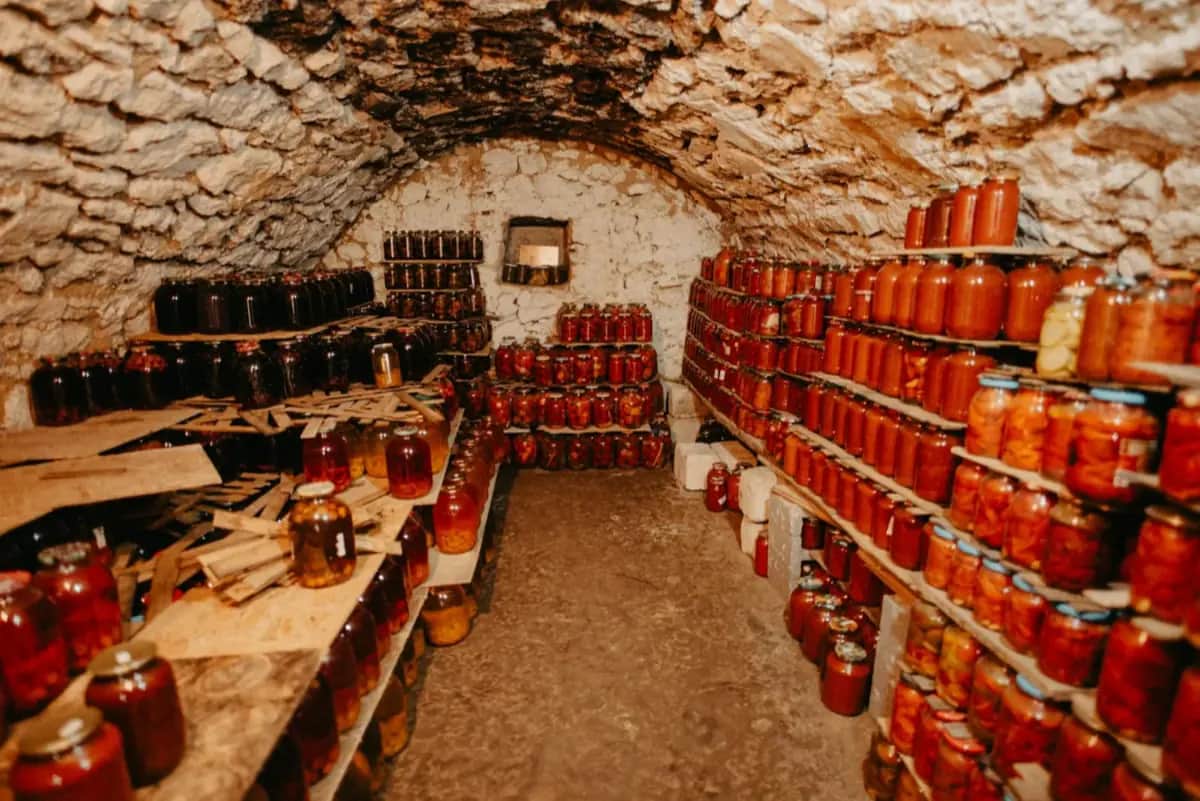
- Temperature below 20°C (68°F) — cool basement, pantry, or interior room
- Away from direct sunlight
- Away from moisture and flooding risk
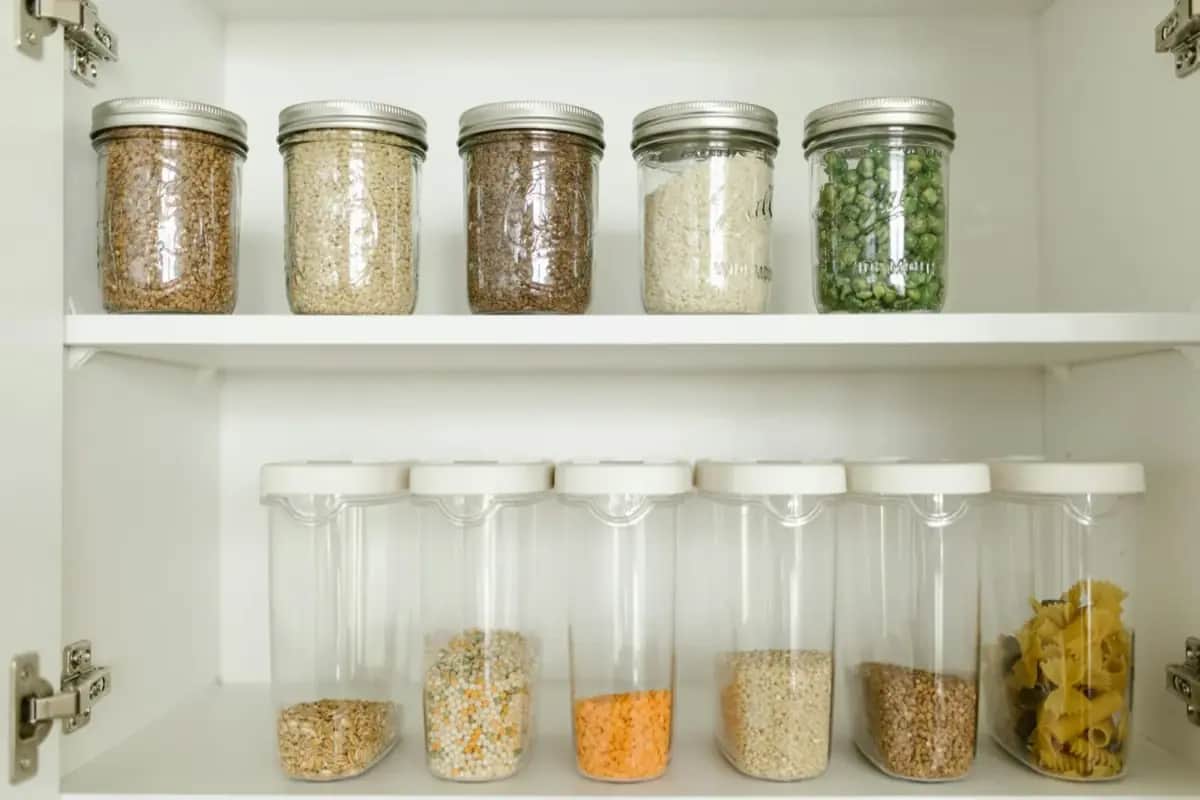
- Away from pest access (hard sealed containers for dry goods)
- Away from chemicals, paint, fuel
- Organized with oldest items at front (FIFO rotation)
Rotation Schedule
- All items labeled with purchase date and "use by" date
- Quarterly audit scheduled in calendar
- Items approaching expiration identified and moved to regular kitchen use
- Stockpile replenished after any use
Quick Inventory: Current Status
Take 15 minutes to audit what you already have:
| Category | Target (2 people, 14 days) | Currently Have | To Buy |
|---|---|---|---|
| Pasta | 4 kg | ___ kg | ___ kg |
| Rice | 4 kg | ___ kg | ___ kg |
| Canned legumes | 16 cans | ___ cans | ___ cans |
| Canned protein | 20 cans | ___ cans | ___ cans |
| Nut butter | 1 kg | ___ g | ___ g |
| Oil/fats | 1L | ___ L | ___ L |
| Canned vegetables | 12 cans | ___ cans | ___ cans |
| Manual can opener | 2 | ___ | ___ |
| Camp stove + canisters | 1 stove + 10 cans | ___ | ___ |
Complete this inventory, then shop the difference. Most households are closer to a complete stockpile than they think — it just needs to be consolidated and organized.