 Foto: RDNE Stock project / Pexels
How to Build an Emergency Food Supply: Step-by-Step Guide
A practical step-by-step guide to building your emergency food supply from zero to a 4-week stockpile. Learn the right approach, starting costs, and how to maintain it long-term.
Before You Start: The Right Mindset
Building an emergency food supply is not about hoarding or preparing for apocalyptic scenarios. It is about extending the natural buffer between your household and any disruption to food supply chains - illness, extreme weather, extended power outages, or unexpected financial hardship.
Think of it as buying time. Three days of food storage means three days of options when something goes wrong. Fourteen days means two weeks of calm problem-solving. Four weeks means genuine resilience against most plausible disruption scenarios.
The goal: build systematically, without stress or excess expense, until you reach a level you are comfortable with.
Step 1: Assess Your Current Position (30 minutes)
Before buying anything, audit what you already have. Most households are closer to a useful stockpile than they realize.
Walk through your kitchen and pantry:
- How many days of food do you have without shopping?
- Which items are shelf-stable vs. requiring refrigeration?
- What cooking equipment do you have that doesn't require electricity?
Record the honest answer. If you have 3 days, that's your baseline. If you have 10 days, you're already ahead of most households.
Step 2: Define Your Target (15 minutes)
Decide how many days of food you are building toward. Common targets:
- 72 hours (3 days): FEMA minimum recommendation. Covers most short-term emergencies.
- 10 days: BBK (German Federal Office) recommendation. Covers extended local emergencies.
- 14 days: Standard preparedness recommendation. Covers most realistic scenarios.
- 4 weeks: Robust preparedness. Covers extended scenarios.
For a family of four, the 14-day target typically requires approximately 25-40 kg of food.
Step 3: Calculate What You Need (20 minutes)
Use this formula per person:
- 2,000-2,500 calories per day (adult; adjust up for teens and physically active people, down for sedentary elderly)
- 14 days target = 28,000-35,000 calories per person
For a couple, 14-day supply:
- 56,000-70,000 total calories
- Approximately 18-22 kg of food (high caloric density items)
Core food categories and quantities per person for 14 days:
| Category | Per Person | Notes |
|---|---|---|
| Pasta or rice | 2-3 kg | Caloric backbone |
| Oats | 1.5 kg | Breakfast; no cooking needed if needed |
| Legumes (canned or dried) | 6-8 cans or 1 kg dried | Protein |
| Canned protein (fish, meat) | 6-8 cans | Variety and protein |
| Oil or fat | 500 ml | Caloric density |
| Nuts or nut butter | 500 g | Ready-to-eat protein/fat |
| Canned vegetables | 6-8 cans | Micronutrients |
| Dried fruit | 300 g | Micronutrients; snacking |
| Salt, spices, coffee/tea | Various | Morale and flavor |
Step 4: Build in Stages (Weeks 1-4)
Week 1: The 3-Day Foundation (Budget: €25-40 for a couple)
Focus on what you can finish in the first week if needed:
- 2 kg pasta
- 4 cans of legumes (chickpeas, lentils, beans)
- 4 cans of fish or meat
- 500 g oats
- 1 bottle of olive oil
- 2 packets of instant soup
This covers approximately 3 days for two people. Cost: €25-35.
Week 2: Extend to 7 Days (Add €30-45)
- 2 kg rice
- 4 more cans legumes
- 4 more cans vegetables/tomatoes
- 500 g nuts or nut butter
- 300 g dried fruit
- Coffee, tea, salt, basic spices
Now at approximately 7-day supply for two. Total investment: €55-80.
Week 3-4: Complete 14-Day Supply (Add €50-70)
- 2 kg more pasta/oats/flour
- 8 more cans mixed protein and vegetables
- 500 ml ghee or more oil
- Honey, chocolate, comfort items
- Multivitamin tablets
Complete 14-day supply for two: approximately €100-150 total.
Step 5: Equipment (If Not Already Present)
The food is useless without the ability to cook it:
Essential:
- Manual can opener (buy two - they fail)
- Camp stove with gas burner (outdoor use only)
- 6-8 gas canisters (400g size each)
- Large pot (5L) and smaller pot
Additional value:
- Thermos (for retained-heat cooking: bring to boil, seal in thermos, cooks without fuel)
- Matches or lighter (multiple)
Camp stove + 6 canisters: approximately €60-80.
Step 6: Storage Setup
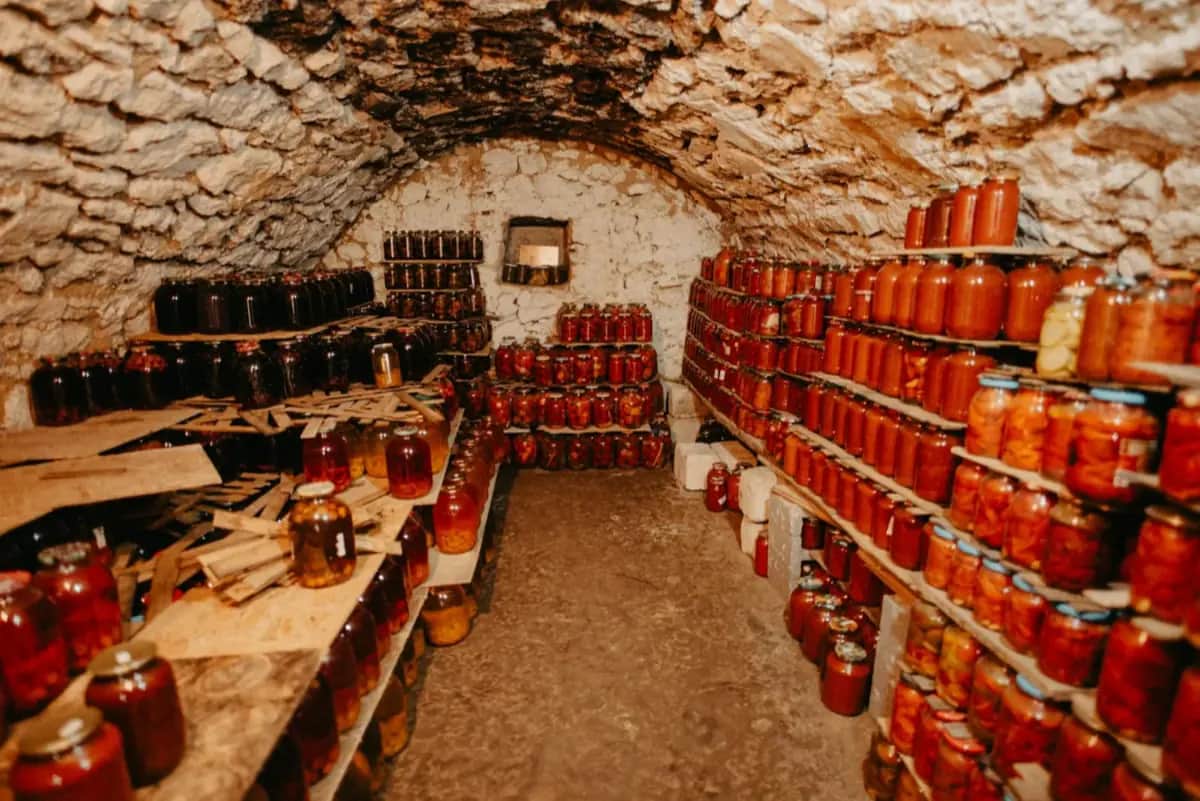
Choose your location:
- Cool (under 20°C year-round if possible)
- Dark (no direct sunlight)
- Dry (no humidity or water risk)
- Away from chemicals or fuel
Organization:
- Oldest items at the front (FIFO rotation)
- Labels with purchase date on everything
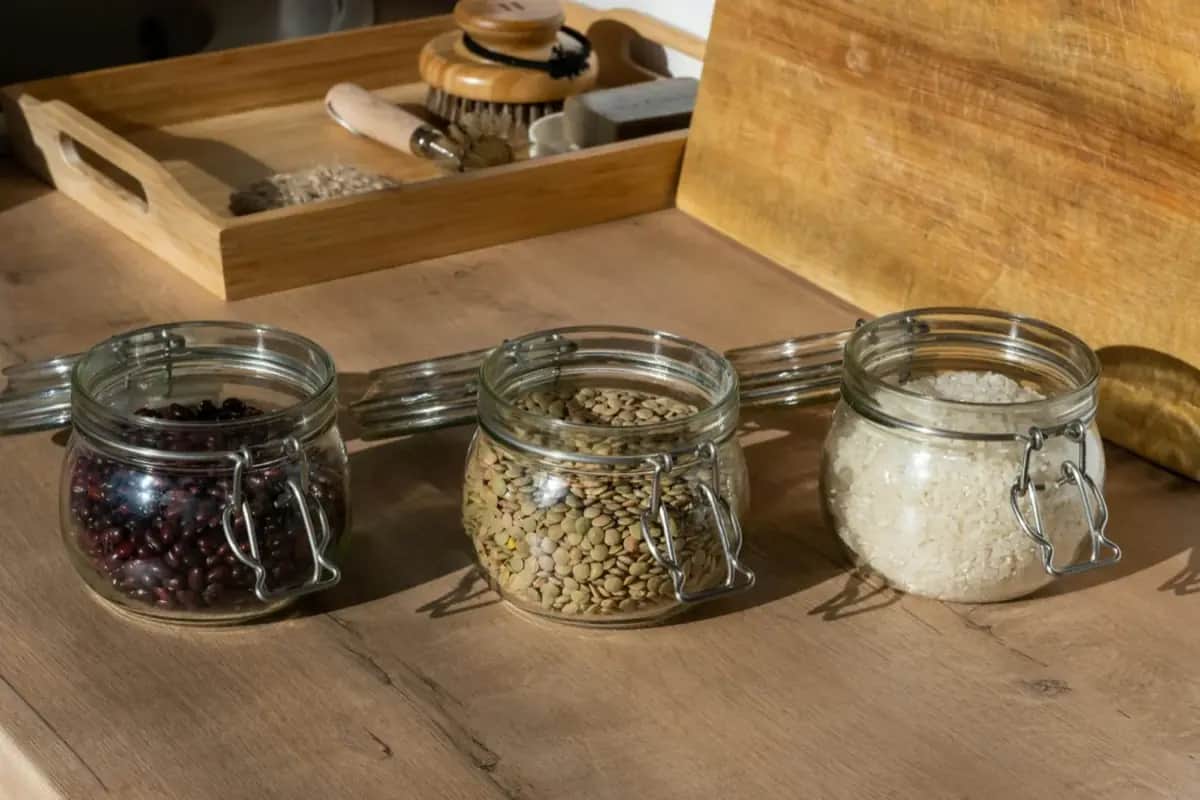
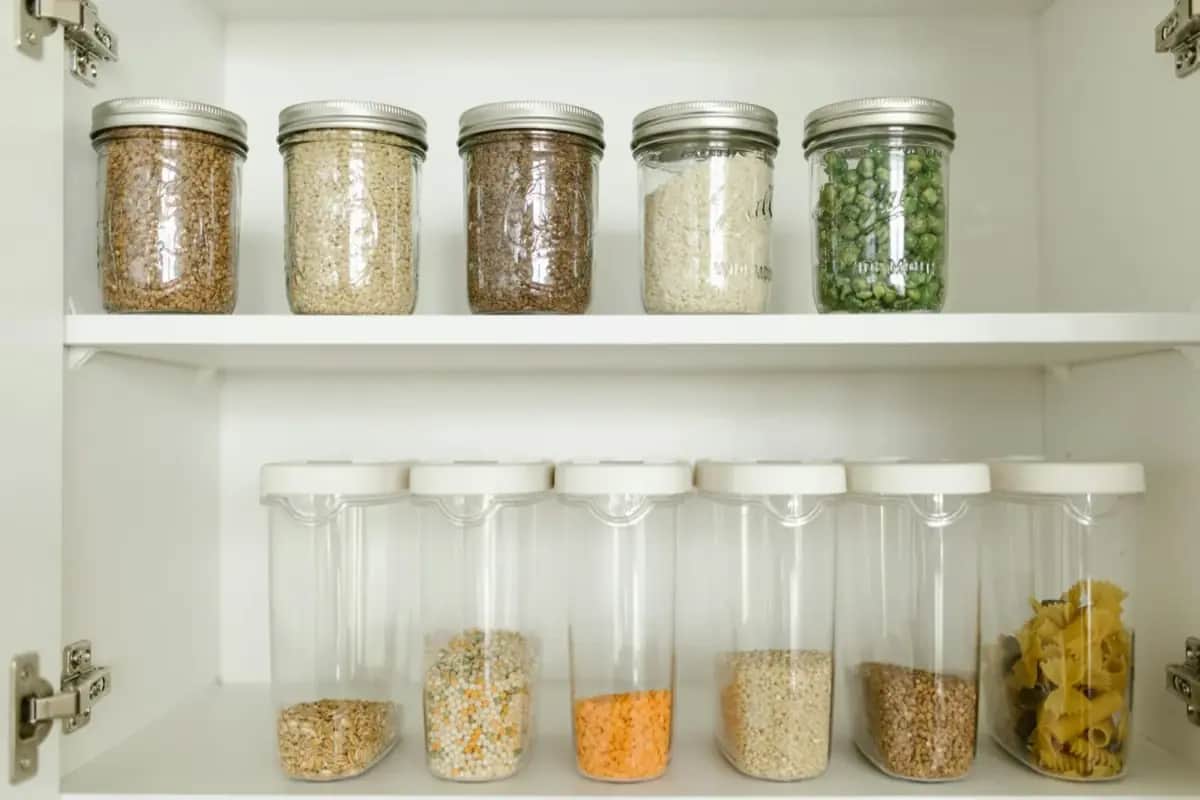
- Separate dry goods (in sealed hard containers to prevent pests) from canned goods
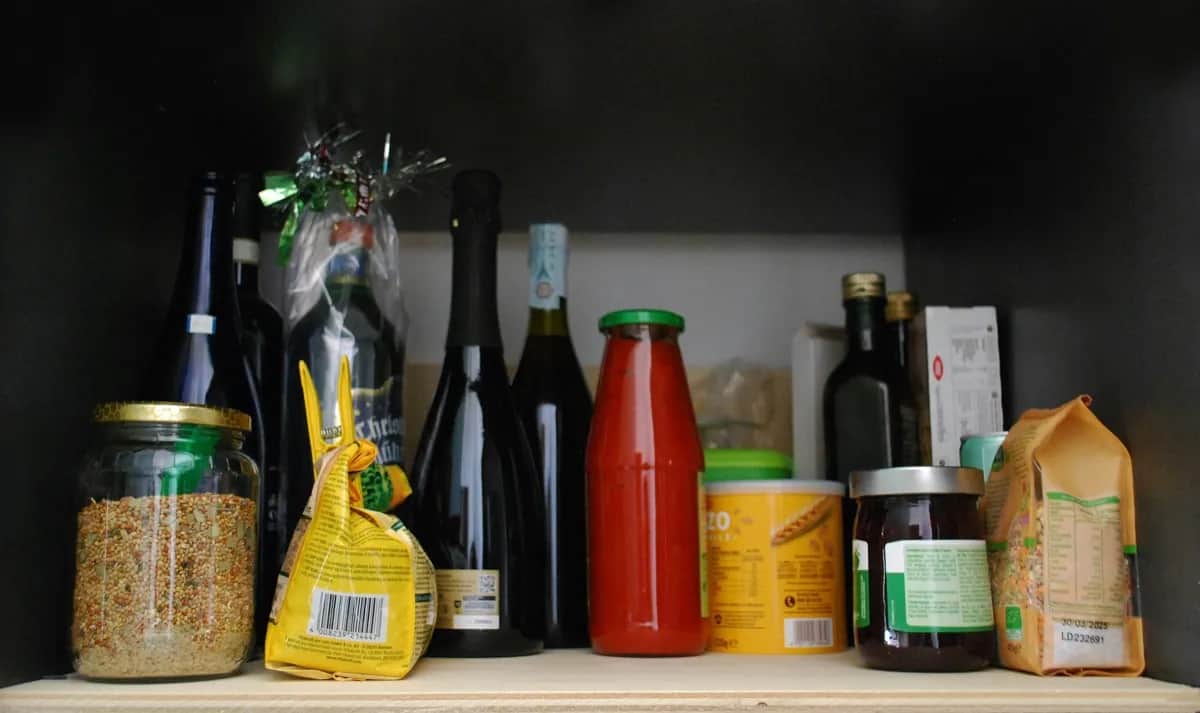
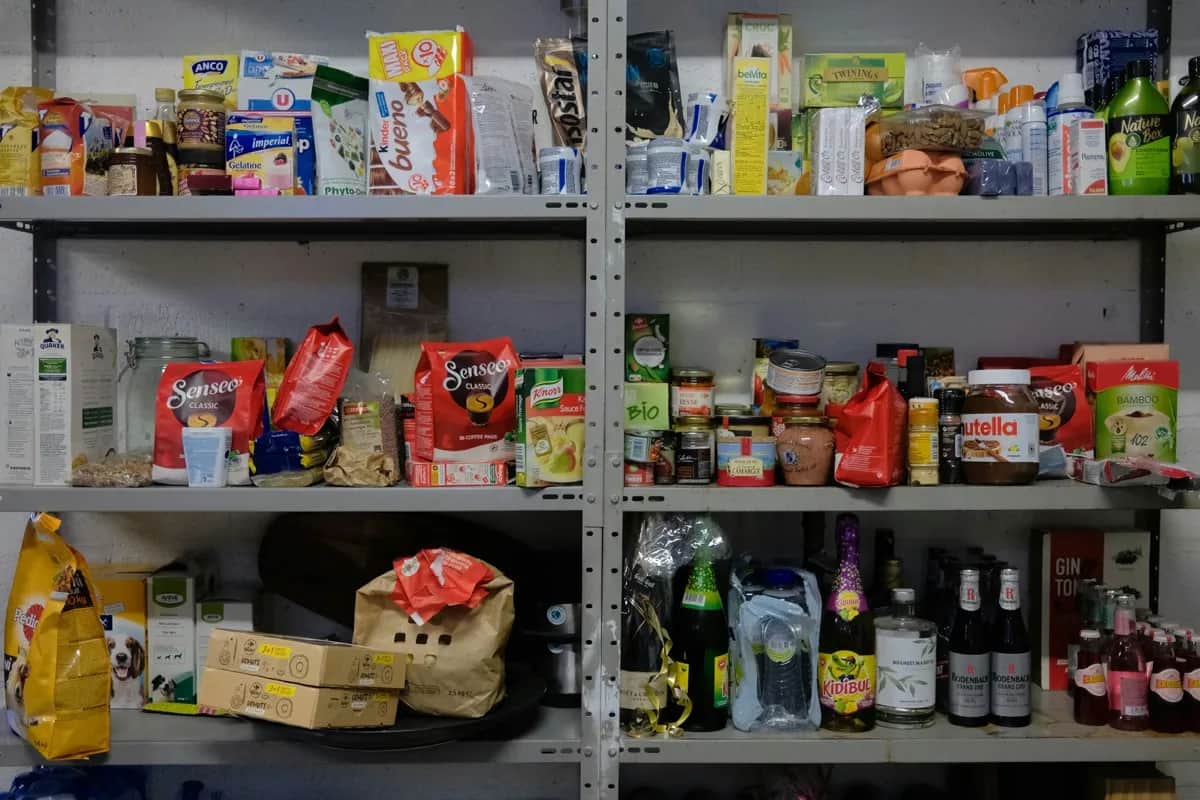
A standard pantry shelf, basement shelf, or dedicated kitchen cabinet works. You do not need specialized storage equipment.
Step 7: Implement the Rotation System
This is the step that maintains your stockpile without additional cost:
The rule: Use from the front of your stockpile in regular cooking. Replace what you use from the back.
Your stockpile becomes part of your regular kitchen. Nothing expires because you continuously rotate through it. The cost of maintaining a 14-day stockpile, once established, is zero - you're simply buying the same food you would have bought anyway, in a slightly larger quantity.
Audit quarterly: Walk through your stockpile once every three months. Check dates, identify anything approaching expiration, move to kitchen use. Note any gaps and replenish.
What a Complete 14-Day Supply Looks Like
For two adults, the complete supply fits in a single medium-sized kitchen cabinet or a section of shelving approximately 60 cm wide by 120 cm tall.
It weighs approximately 18-22 kg.
It costs approximately €100-150 to build from scratch.
It takes about four weeks of deliberate shopping to assemble without large one-time purchases.
Once established: it costs nothing to maintain and provides genuine resilience against the most common household and community disruptions.
Common Questions
"Is this just hoarding?" No. Hoarding is reactive (panic buying specific items in a crisis) and destabilizing. Deliberate stockpiling is methodical, built over time, and primarily benefits your own household without removing items from general supply.
"What if I'm in a small apartment?" The 14-day supply for two adults is approximately 0.1-0.2 square meters of shelf space. A single kitchen cabinet shelf holds it comfortably. Storage constraints are rarely the actual limiting factor.
"How do I explain this to skeptical family members?" Frame it as simple prudence: the same reason you keep a fire extinguisher (you don't expect a fire), you keep a food supply (you don't expect a supply disruption, but the cost of being wrong without one is much higher than the cost of having one and not needing it).