 Foto: Andrey Matveev / Pexels
EDC Everyday Carry: The Complete Beginner's Guide
EDC (Everyday Carry) explained for beginners: what Everyday Carry means, the 5 core categories, legal considerations in Germany, and how to build your optimal EDC setup.
What Is Everyday Carry (EDC)?
Everyday Carry (EDC) refers to the items you carry on your person daily — for everyday use, emergencies, and unexpected situations. In the context of emergency preparedness, EDC extends beyond keys, smartphone, and wallet to include items that can solve problems or save lives in a crisis.
The core idea: the best emergency equipment is the equipment you have with you — not what is sitting at home.
Why EDC Matters
Emergencies Happen Without Warning
Cardiac arrest in a subway car, a car accident on the highway, a sudden blackout in an office building, a medical emergency involving a stranger — none of these announce themselves. Someone who is only prepared when they are at home is not truly prepared.
The Redundancy Principle
Your smartphone dies precisely when you need it. Your power bank is at home. EDC breaks the single-point-of-failure chain. Each item in your EDC provides a backup for a critical function.
The "With You Wins" Rule
The most sophisticated emergency kit in your apartment is less useful than a simple kit you actually have with you. EDC scales down to what you realistically carry every day — and that is what you will have in an emergency.
The 5 Categories of EDC
1. Light
Baseline: Smartphone flashlight Upgrade: Dedicated EDC flashlight (e.g., Streamlight Microstream, ~30 euros)
Advantages of a dedicated flashlight:
- Preserves smartphone battery
- More robust
- Brighter (200-600 lumens vs. ~50 lumens on a phone)
- Can be clip-mounted, leaving both hands free
A small flashlight clipped to a keychain or bag is a significant upgrade over smartphone dependence.
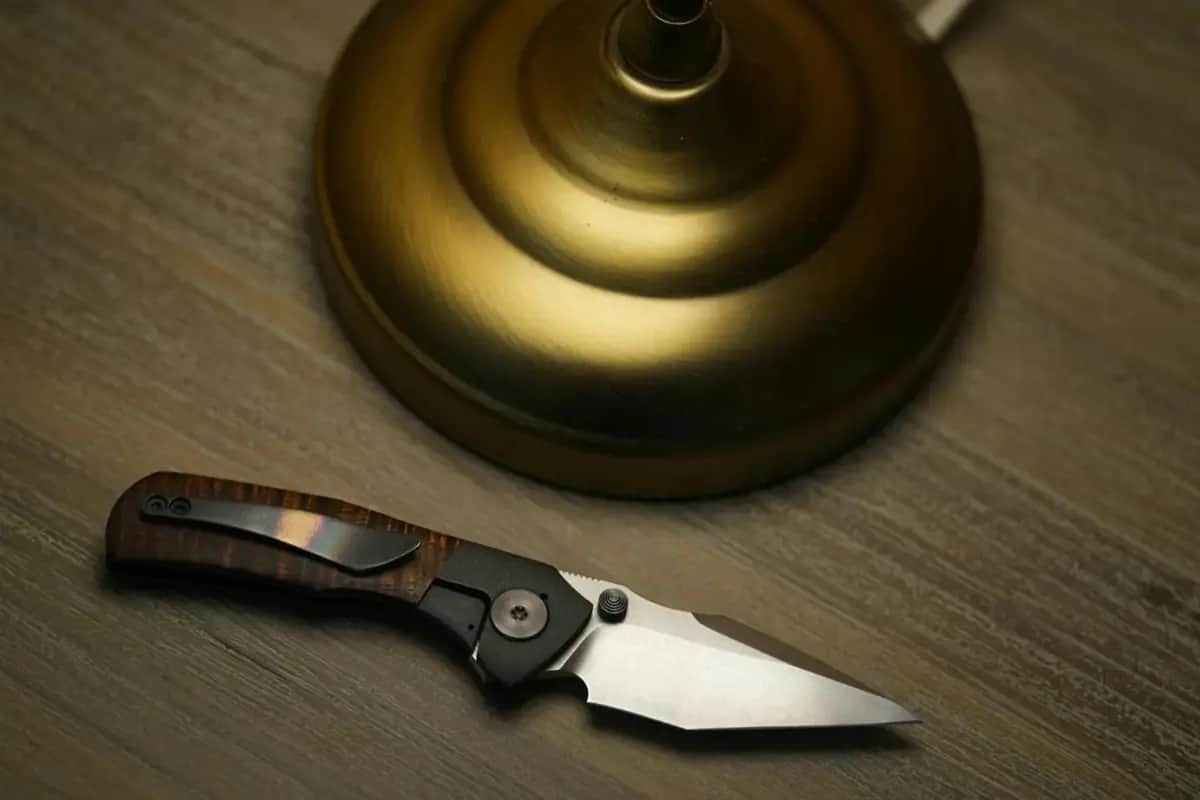
2. Cutting Tool
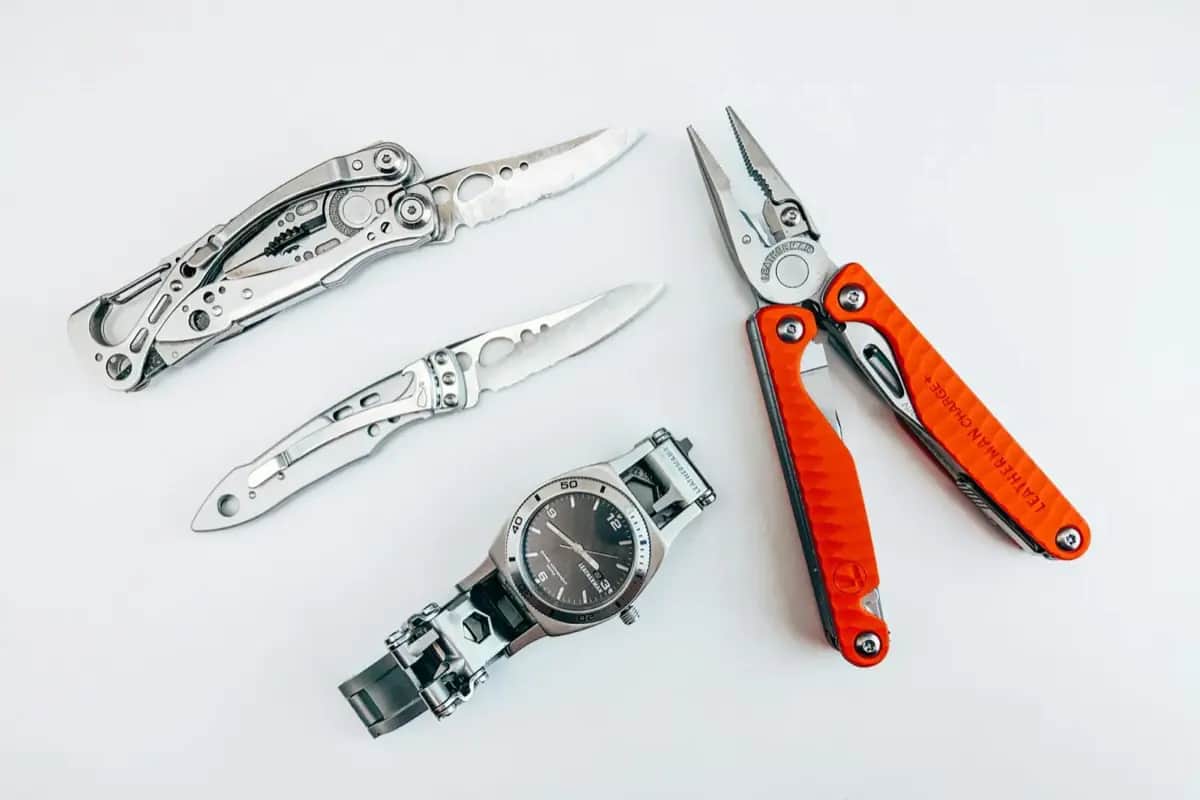
Legal in Germany: Folding knives where the blade cannot be opened one-handed (no spring-assisted or automatic opening mechanisms; no butterfly knives; no switchblades)
Recommendation: Victorinox Swiss Army Knife (small models, e.g., Alox Cadet, ~35-50 euros)
Legal, TSA-friendlier than a locking blade knife, and genuinely practical for everyday tasks.
Uses: Opening packages, cutting bandage material, stripping cables, food preparation, emergency situations.
3. Fire / Ignition
Even if you do not smoke: fire for candles, emergency signaling, camp scenarios, or lighting in a blackout.
Recommendation: BIC Mini lighter (~1 euro) + a small waterproof container with backup matches
A BIC lighter is nearly indestructible, lights reliably in most conditions, and costs almost nothing. The waterproof match container adds redundancy.
4. Communication and Information
- Smartphone: Always kept charged — aim for minimum 80% when leaving home
- Small power bank (5,000-10,000 mAh): Fits in a jacket pocket, keeps the phone alive through a full day of heavy use
- Important numbers on paper: Emergency contacts, key phone numbers written on a card — not only stored digitally
Why paper matters: Your phone can be lost, dead, or broken. A small card in your wallet with key emergency numbers works when nothing else does.
5. Medical
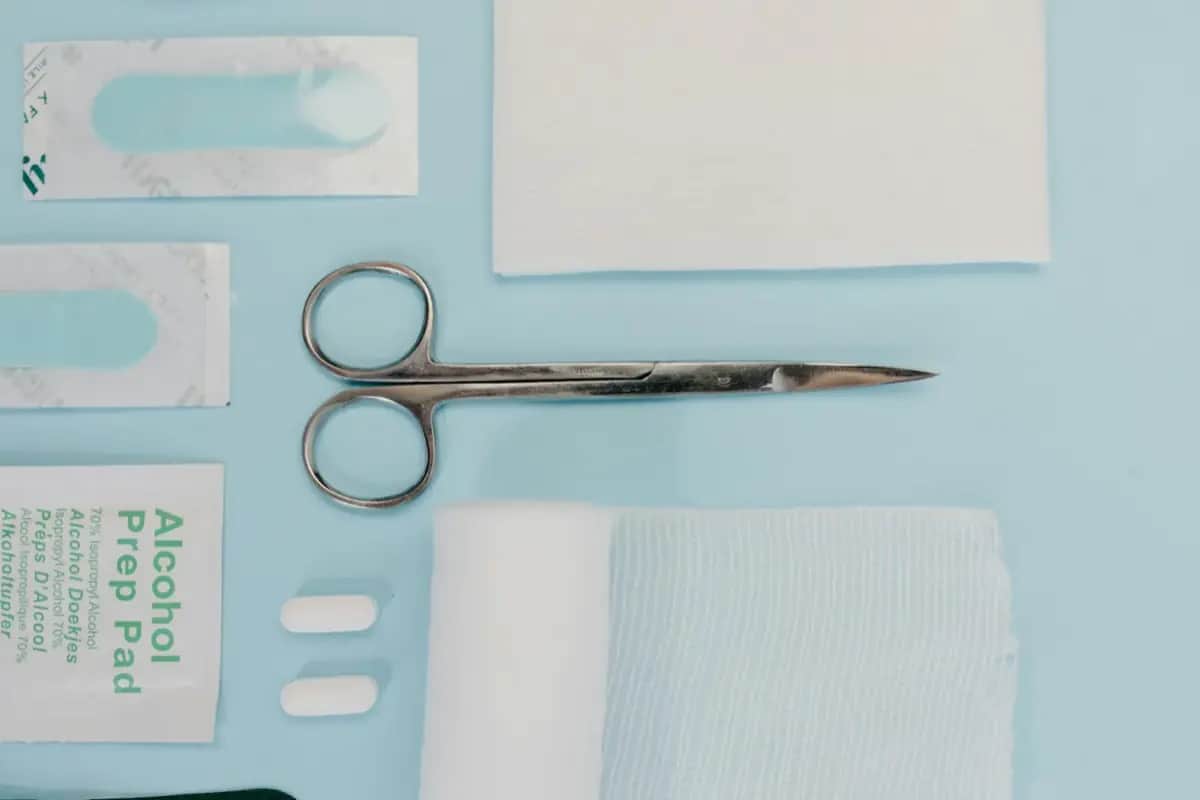
Minimum: Assorted plasters (band-aids) in your wallet or small pouch
Expanded: Compact mini first-aid kit (100g, ~25 euros) with:
- Assorted wound closures
- Israeli bandage or hemostatic dressing (for serious bleeding)
- Pain medication (ibuprofen tablets in a small container)
- Antiseptic wipe sachets
- Tourniquet if you carry a larger bag
For everyday civilian EDC, basic wound care is the most likely use case. Advance bleeding control items (tourniquet, hemostatic gauze) belong in your car first aid kit or larger bag rather than pocket carry.
The Beginner EDC Set (Under 80 Euros)
| Item | Purpose | Cost |
|---|---|---|
| Streamlight Microstream flashlight | Light | ~30 € |
| Victorinox Classic SD | Cutting tool | ~15 € |
| BIC Mini lighter | Fire/ignition | ~1 € |
| Small power bank 5,000 mAh | Smartphone backup | ~20 € |
| 5 plasters + wound disinfection | First aid | ~5 € |
| Emergency numbers on paper | Information backup | ~0 € |
Total: approximately 71 euros
Advanced EDC: Tiered System
Tier 1: On the Body (Always)
The items you carry regardless of what bag or jacket you have with you:
- Flashlight
- Folding knife or multitool
- Lighter
- Power bank
- Smartphone
- Wallet (with emergency cash: 50-100 euros) and emergency contact card
- Keys
Tier 2: In a Bag (When Carried)
Items for when you have a daypack or backpack:
- Compact first aid kit
- Folding water filter (LifeStraw, ~20 euros)
- Notepad and pen
- Paracord bracelet (7-10 meters of cord in emergency)
- Lightweight emergency poncho (100g, ~5 euros)
Tier 3: In the Vehicle
- Full first aid kit (not just the car minimum)
- Warning triangle and reflective vest (legally required)
- 2-liter water reserve
- Emergency blanket
- Jumper cables
- Snow shovel (winter)
Legal Considerations in Germany
What Is Permitted
- Folding knives (blade under 12cm, no one-handed opening mechanism, not spring-assisted)
- Flashlights of any brightness
- Power banks
- Multitools without prohibited components
What Is Prohibited (§42a WaffG)
- Knives with spring-assisted one-handed opening (automatic knives, switchblades)
- Butterfly knives (Balisong)
- Telescopic batons
- Brass knuckles
- Stun guns without specific occupational authorization
Safe choice: A Victorinox Swiss Army Knife is legally unambiguous in Germany and universally practical.
Building EDC as a Habit
The biggest EDC problem: the equipment is at home.
Building the EDC habit:
- Evening arrival home: plug in the power bank to charge
- Morning departure: quick check (flashlight? lighter? power bank charged?)
After 3 weeks, this becomes automatic. The best EDC is the one you forget about because it is always there.
The rule of pockets: Every item in your EDC must fit in a pocket without creating bulk that bothers you. If it is uncomfortable, you will stop carrying it. Adjust until the setup disappears into daily life.
Conclusion
EDC is the most practical form of emergency preparedness because it is always with you. The beginner set costs under 80 euros and weighs under 300 grams. It covers the most common everyday emergencies — a flat tire at night, a sudden power outage, a medical incident in a public space. Build it incrementally, keep it legally compliant, and make it habitual. The investment compounds: every day you carry it, you are prepared.
Recommended Products
As an Amazon Associate we earn from qualifying purchases. Buying through our links supports the development of this app at no extra cost to you.