 Foto: ha ha / Pexels
EDC Checklist: The Minimum Every Person Should Carry Daily
Everyday Carry (EDC) doesn't require a tactical vest. This checklist shows the practical minimum that makes you meaningfully more capable of handling everyday emergencies.
What Is EDC and Why Should You Care?
Everyday Carry (EDC) refers to the items you reliably carry on your person every day. Not a full bug-out bag — just the practical essentials that make you more capable when something goes wrong.
EDC isn't about tactical gear or survivalism. It's about being the person who can help when a minor emergency happens: the person who has a band-aid when someone cuts their finger, a flashlight when the lights go out, or a charged phone when someone else's battery is dead.
The Minimum EDC (Fits in Any Pocket or Bag)
Tier 1: What You Should Always Have
Phone with power
- Charged to at least 50% when leaving home
- Local emergency numbers saved
- Offline maps downloaded for your region
Cash
- €20-50 in small bills
- ATMs and card readers fail; cash never does
Identification
- ID card or passport copy (waterproofed)
Key
- House key, car key
- Small USB drive with encrypted important documents (optional but useful)
Tier 2: Adds Capability (Bag/Backpack)
Light source
- Small LED flashlight or headlamp
- Minimum 100 lumens, AAA or AA batteries or rechargeable
- A flashlight on your phone is not reliable enough
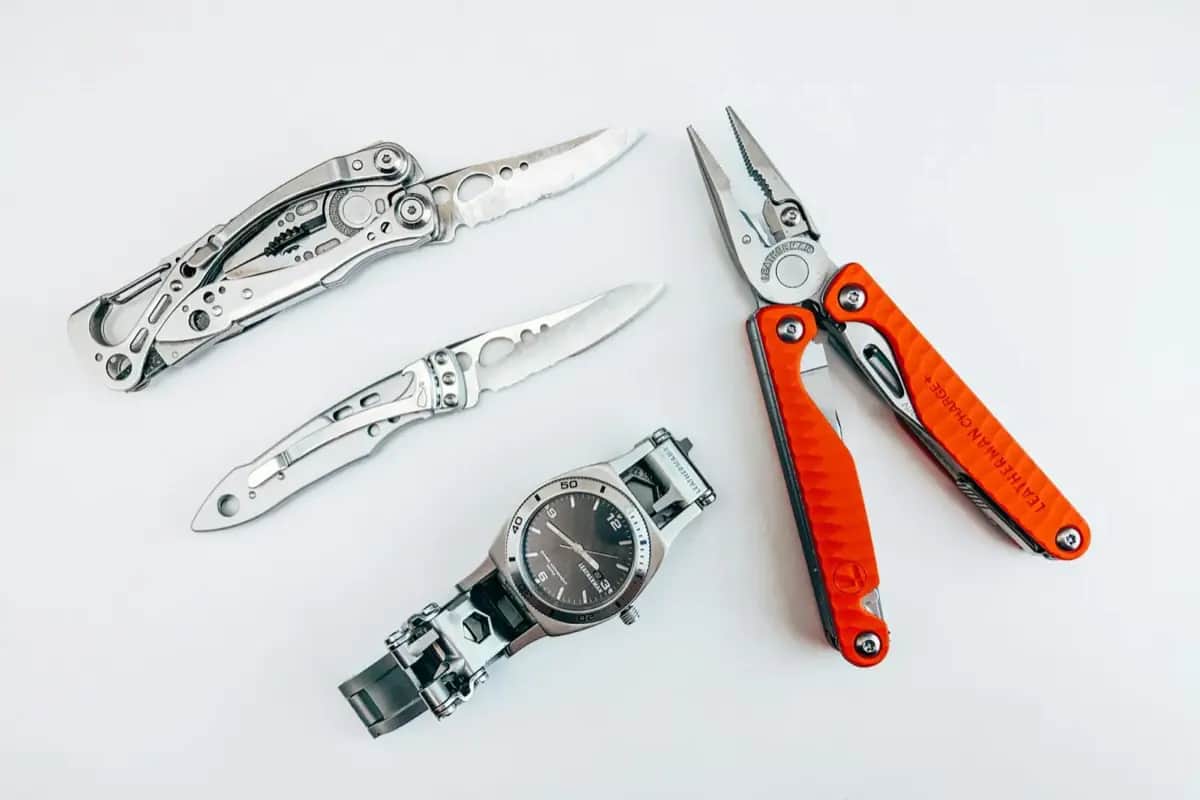
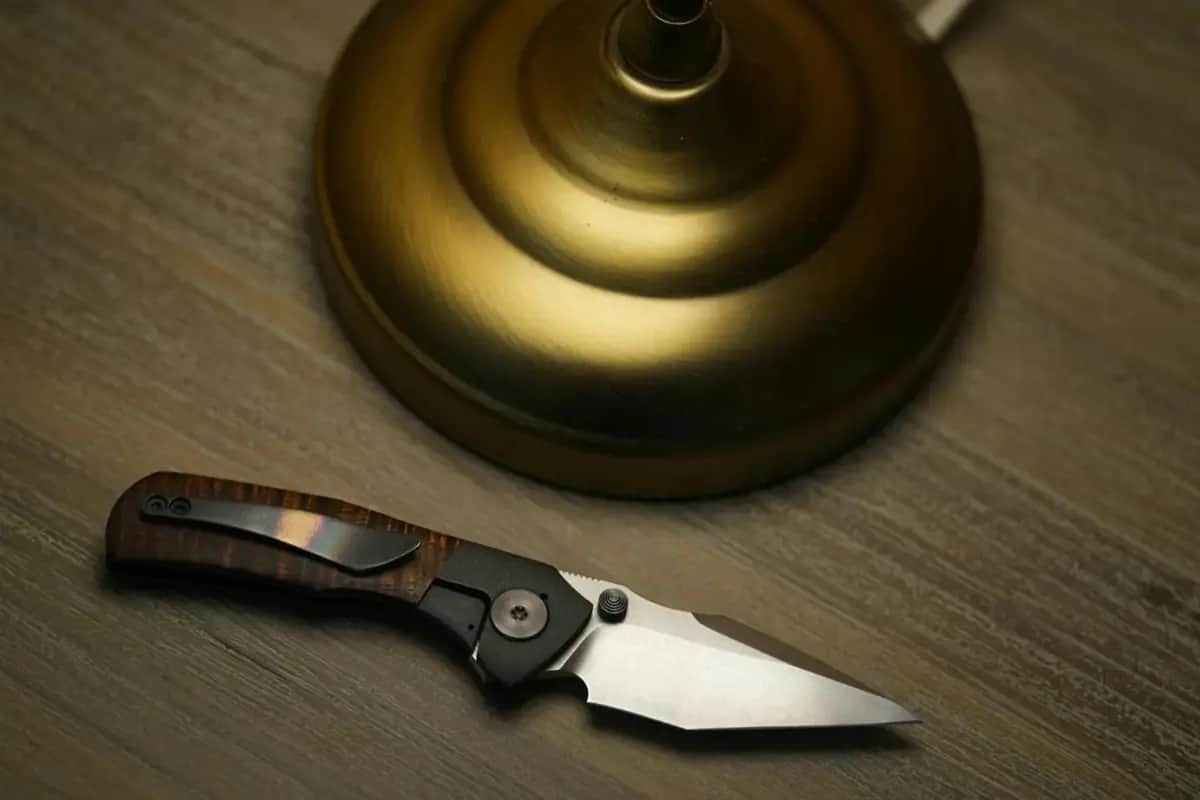
Multi-tool or pocket knife
- Swiss Army Knife or Leatherman-style multi-tool
- Legally allowed in Germany (blade under 12cm, not lock-blade in public spaces)
- Cover an enormous range of small problems
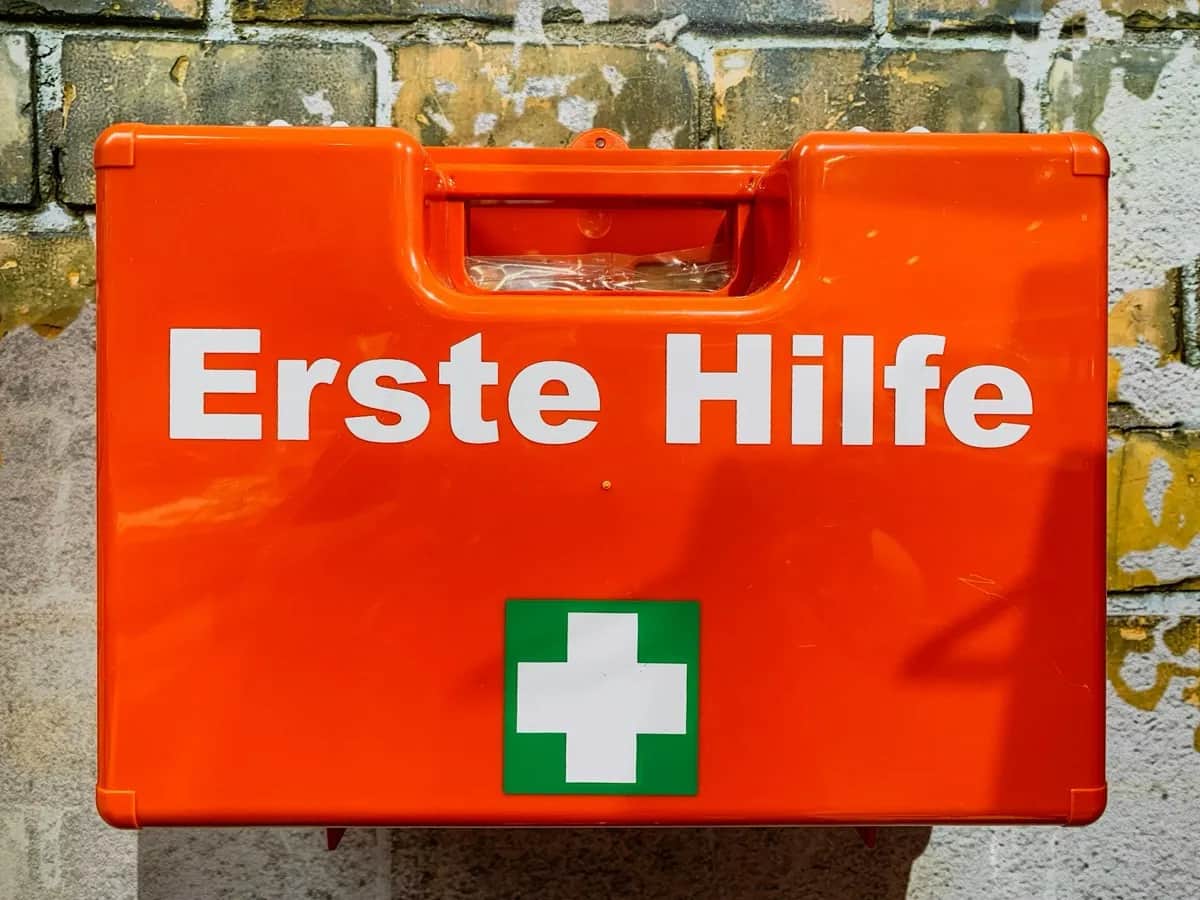
Basic first aid
- 3-4 adhesive bandages
- 1 sterile gauze pad
- 1 pair nitrile gloves
- Ibuprofen or paracetamol tablets (10 pack)
- This fits in a small zip-lock bag
Water
- 500ml-1L water bottle (reusable)
- Or a LifeStraw-type filter for sourcing water from any clean-ish source
Phone charging
- Small power bank (5000-10000 mAh)
- Your phone is your primary emergency communication, navigation, and information device
Tier 3: Enhanced Capability (Daily Bag or Backpack)
Fire
- Lighter (BIC-type, reliable, €1)
- Or waterproof matches
Communication backup
- Written contact list on paper (phones die, cloud access fails)
Navigation
- Paper city map of your area
- Doesn't fail when battery dies or signal is lost
Emergency whistle
- For signaling your location when separated or trapped
- Carries further than voice and requires less energy
Shelter
- Emergency space blanket (folded, fits in palm)
- Survival-grade, lasts for multiple uses
The EDC Philosophy: Function Over Form
Good EDC serves real scenarios you actually encounter. Bad EDC is gear theater.
Real scenarios your EDC should handle:
- Your phone battery dies (power bank)
- You get a cut (first aid mini kit)
- You need to see something in a dark space (flashlight)
- Card reader is down (cash)
- You're stranded and need to contact someone (written numbers, power bank)
EDC doesn't need to handle:
- Wilderness survival (you're in a city)
- Multi-day off-grid scenarios (that's a go-bag)
- Defense scenarios (gear theater, legal issues)
The EDC Checklist
Print and use this when you leave in the morning:
Pocket:
- Phone (charged 50%+)
- ID
- Cash (€20+ in small bills)
- Keys
Bag/Purse:
- Flashlight
- Multi-tool or pocket knife
- Mini first aid kit (bandages, gauze, gloves, pain relief)
- Water bottle
- Power bank
- Written contact list
Optional enhancements:
- Emergency space blanket
- Lighter or waterproof matches
- Emergency whistle
- Paper map
Building the Habit
The best EDC is the one you actually carry. Start with the phone, ID, cash, and keys — you probably already have these. Add one item per week until carrying a small bag with the Tier 2 items becomes habitual.
EDC is about mindset as much as gear: "Am I prepared to handle minor emergencies without relying on someone else to help me?"
The answer should be yes, most of the time.