 Foto: Michaela St / Pexels
What COVID Panic Buying Revealed About Germany's Emergency Supply Culture
What did the COVID panic buying of 2020 really reveal about German emergency supply mentality? Lessons from the pandemic for a better crisis preparedness culture.
March 2020. The images of empty flour shelves, sold-out disinfectants, and bizarre toilet paper battles are etched in collective memory. But what do the COVID panic purchases actually tell us about Germany's preparedness culture?
What Really Happened
The panic buying of March 2020 wasn't irrational mass behavior — it followed a perverted logic. When the first closures and lockdowns were announced, many people reacted with the only available tool: they bought.
The paradox: Because nobody had supplies, everyone had to buy immediately. Because everyone bought immediately, empty shelves appeared. Because shelves emptied, even more people bought immediately.
A classic bank run — on supermarkets.
The Data
Market researchers analyzed the buying patterns:
- Flour: +400% in one week
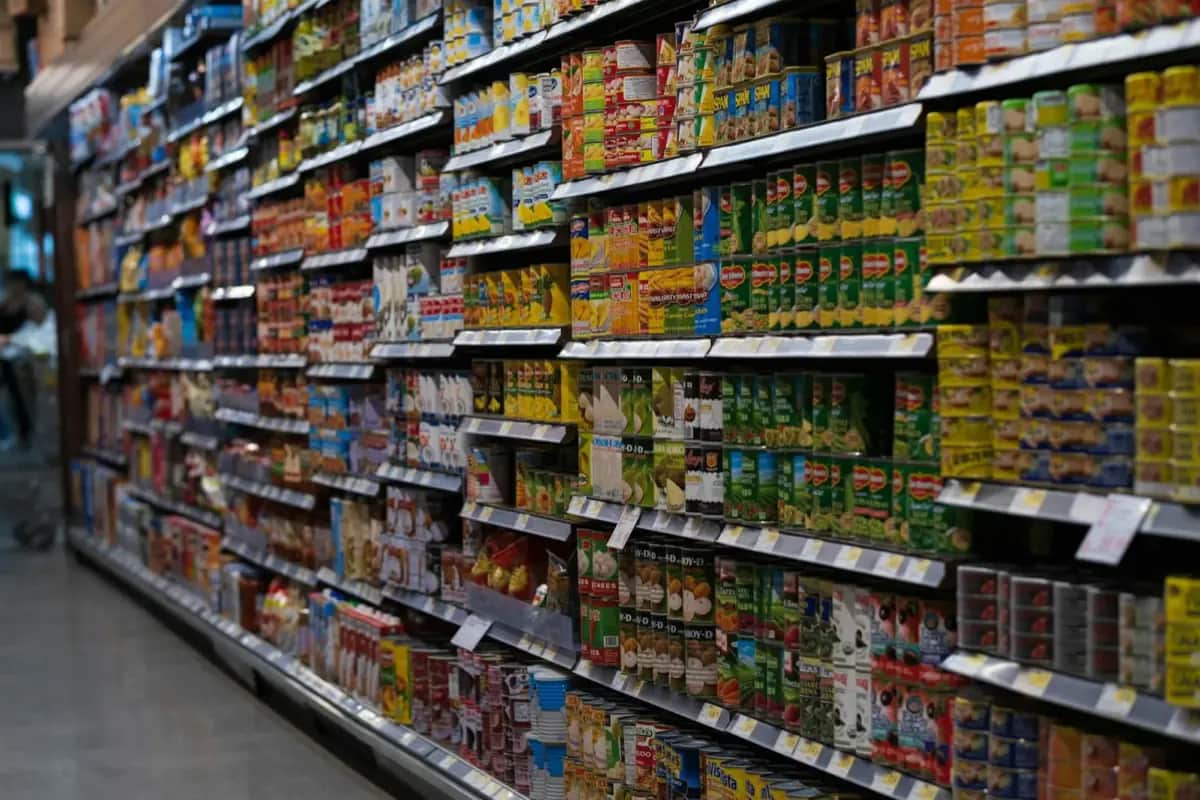
- Canned goods: +300%
- Frozen products: +200%
- Legumes: +350%
These numbers show: there was no real shortage — only a temporal compression of purchases that should have been distributed over weeks.
The Lesson: Germany Had No Stockpile Culture
The real problem wasn't the panic — that's human. The problem was that almost nobody was prepared.
If every other household had had a two-week supply:
- No buying pressure in week 1
- No empty shelves
- No fear that would trigger further panic
Crisis preparedness isn't a selfish act. It's a public service.
What a Real Emergency Supply Culture Would Mean
Unlike Germany:
USA: "Prepping" is culturally accepted and mainstream. Many supermarkets have entire aisles with emergency ration packs.
Japan: After the 2011 earthquake, emergency supplies became a national priority. The government recommends 3 days for short-term and 7 days for longer scenarios.
Switzerland: Emergency supplies are state-supported with a concept for basic civilian provision during crises.
Conclusion
The COVID panic buying held up a mirror to us: as a society we were more vulnerable than we thought. But it also showed how quickly that could change — if we learned from it.
The question is: are we learning?