 Foto: cottonbro studio / Pexels
CBRN Protection for Civilians: What You Need to Know
CBRN protection explained for civilians: what chemical, biological, radiological, and nuclear threats look like for ordinary people, and what realistic preparation involves.
CBRN for Civilians: Between Realism and Alarmism
CBRN stands for Chemical, Biological, Radiological, and Nuclear threats. The term sounds extreme — and in its full military sense, it is. But for civilians, understanding CBRN basics is not about preparing for all-out war. It is about knowing what to do in the realistic threat scenarios that can affect ordinary people.
This guide covers CBRN protection from a civilian perspective: what is realistic, what is not, and what preparation actually makes sense.
The Realistic Civilian CBRN Risk Profile
Most civilian CBRN exposure scenarios are not terrorism or warfare. They are:
Chemical:
- Industrial accidents (gas leak, chemical spill, train derailment with hazardous cargo)
- Accidental release at nearby industrial facilities
Biological:
- Novel pandemic (COVID-19 is the modern template)
- Food-borne illness outbreaks
- Vector-borne disease (tick, mosquito transmitted)
Radiological:
- Nuclear power plant accident (Chernobyl, Fukushima are the templates)
- Radiological dispersal device (extremely rare, but possible in high-risk areas)
Nuclear:
- Military nuclear strike (catastrophic; preparation for this extreme scenario is covered separately)
For most Central European civilians, the realistic concern is: industrial chemical accident, pandemic, and (at low probability) nuclear power plant incident. The preparation for these scenarios is practical and affordable.
Chemical Threats: The Industrial Accident Scenario
What Happens
A rail tanker derails 3 kilometers from your home. It contains chlorine gas. Emergency services evacuate a 5km radius. The alert comes through NINA with an evacuation order.
Civilian Actions
If evacuating: Leave immediately with your go-bag. Close all windows and doors on your way out. Seal window gaps with tape if you have time (only in shelter-in-place situations).
If shelter-in-place (authorities say stay inside):
- Close all windows, doors, and ventilation systems (turn off HVAC)
- Seal gaps in windows and doors with tape if possible
- Move to an interior room (fewest windows and doors)
- Monitor official communications (NINA, local radio)
What protects you: Distance and barriers. A sealed interior room provides significant protection from most outdoor chemical releases. You do not need a gas mask for most shelter-in-place situations.
The Preparation
- Know your local industrial hazards (chemical plants, rail lines with hazardous cargo) via the local authorities' hazard maps
- Have tape and plastic sheeting for emergency window sealing (5 euros from any hardware store)
- Have a battery-powered radio or check NINA for emergency broadcasts
Biological Threats: The Pandemic Scenario
Covered in depth in the pandemic preparedness guide. Key items:
- FFP2 masks (100+ for a family, 4-week supply)
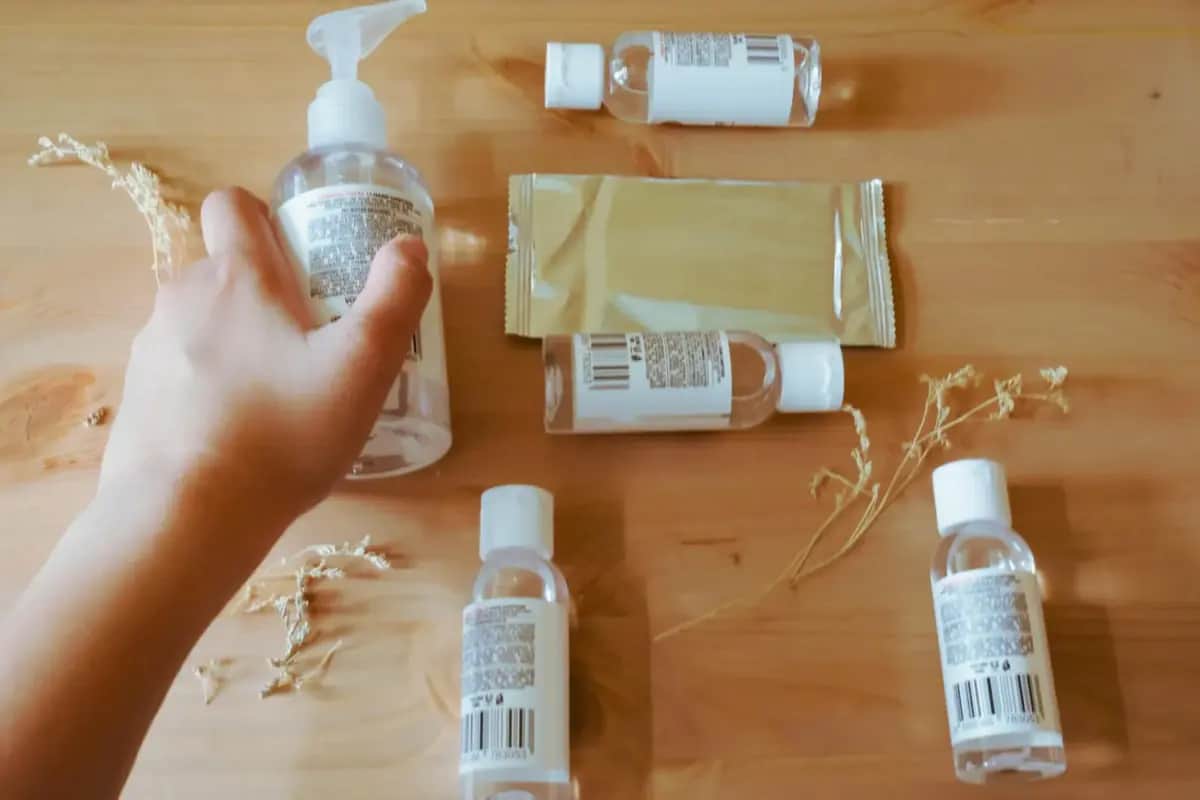
- Hand sanitizer
- 4-week food and medication supply
- Household isolation protocol
Radiological Threats: The Nuclear Power Plant Scenario
Realistic Risk Assessment
Nuclear power plant accidents are rare but not impossible. Germany has phased out nuclear power but operates near several French, Belgian, and Czech plants. A major accident at a nearby plant would likely affect Germany.
The 1986 Chernobyl accident and 2011 Fukushima accident provide real-world data on the civilian experience of such events.
The Key Variables
Distance from the plant: Risk decreases dramatically with distance. Within 30km: potentially significant health impact. 30-300km: primarily risk from food chain contamination. 300km+: very low direct health risk.
Time: Radiation levels from fallout decrease significantly within hours and days. The first 24-48 hours are the critical window.
Iodine tablets: Potassium iodide (KI) protects the thyroid gland from radioactive iodine absorption — the primary health risk from nuclear fallout to the general public. Germany distributes these free to households within 100km of nuclear power plants.
Civilian Actions in a Nuclear Power Plant Incident
Receive the alert (NINA, emergency sirens, radio):
- Move indoors immediately
- Close all windows and doors
- Turn off HVAC/ventilation
- Take potassium iodide tablets if distributed or available (follow official guidance — timing matters)
- Monitor official channels for further instructions
Do not:
- Panic and drive away immediately (traffic jams keep you outside longer)
- Rely on your car as shelter (windows are poor radiation barriers)
- Drink tap water until declared safe (water systems may be contaminated)
Preparation
- Obtain potassium iodide tablets (KI) if within 200km of a nuclear plant — pharmacies typically stock these
- Have tape and plastic sheeting for sealing ventilation
- Have 48-72 hours of water and food not dependent on tap water
- Have a battery radio for emergency broadcasts
What Civilian CBRN Preparation Actually Looks Like
The overlap: Most civilian CBRN preparation is the same as general emergency preparedness:
- Go-bag with food, water, medication, documents
- Battery radio for emergency information
- Tape and plastic for shelter-in-place
- FFP2 masks (biological and some chemical protection)
- Knowledge of local hazards and warning systems (NINA)
Specific additions by scenario:
- Chemical industrial: tape and plastic sheeting for sealing
- Biological: FFP2 masks, hand sanitizer, pandemic supplies
- Radiological: KI tablets if near a nuclear plant
What Is Not Necessary for Civilians
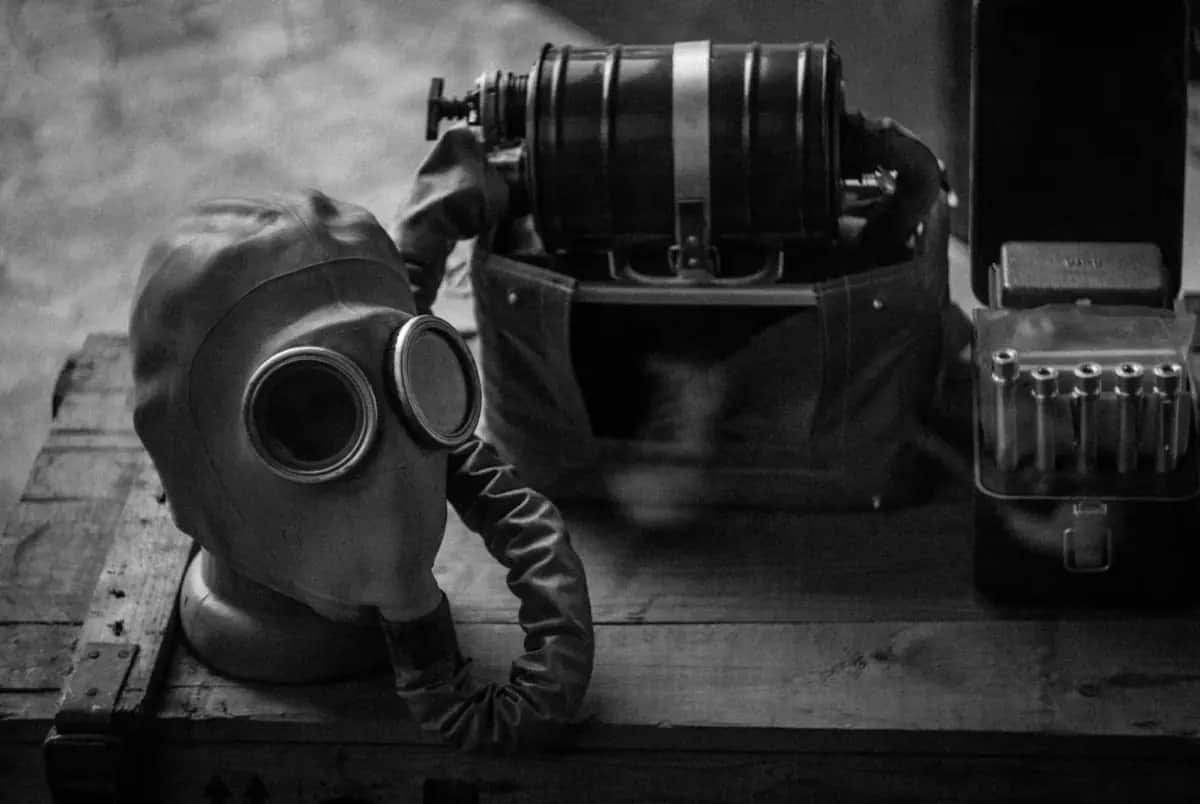
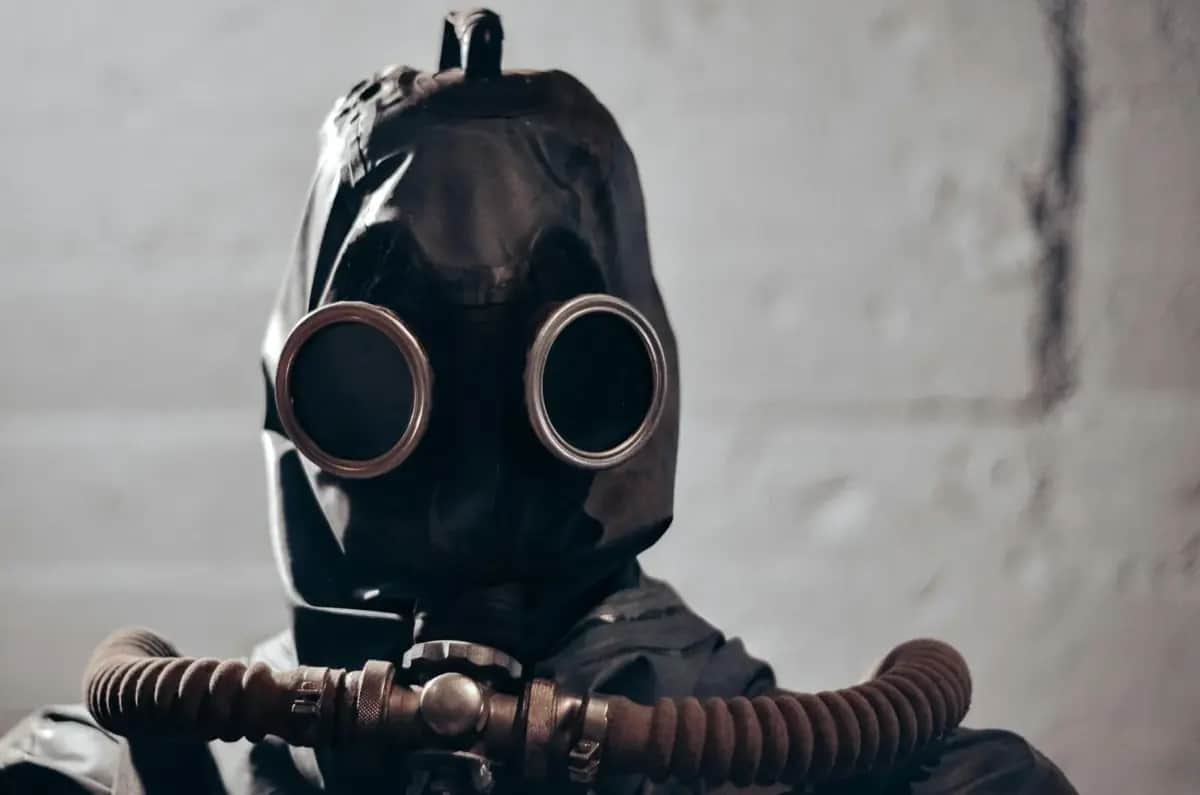
Military-grade gas masks: Effective against specific agents, expensive, require specific filter cartridges, degrade over time, require training. Not practical for most civilian scenarios. The sealed-interior-room method outperforms an incorrectly used gas mask.
Fallout shelters with extended provisions: Relevant only for military nuclear exchange scenarios, which are beyond practical civilian preparation scope.
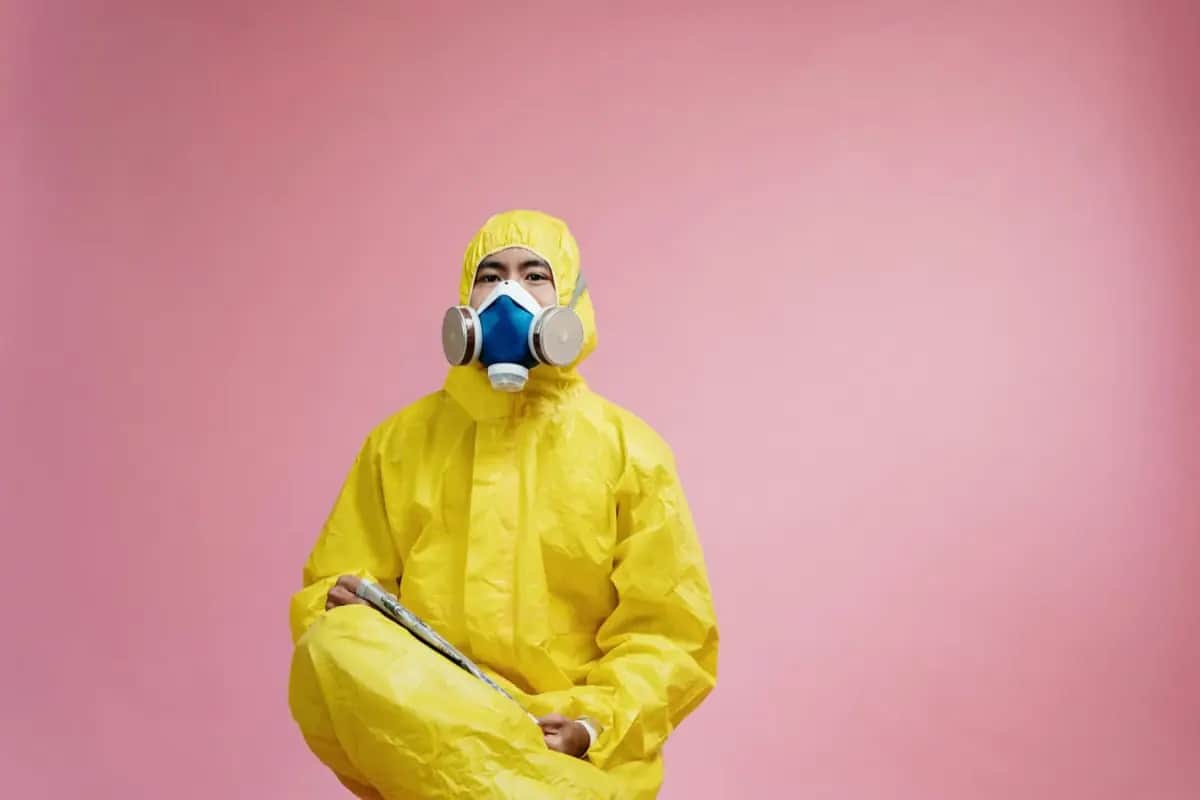
Full hazmat suits: Required for direct contact with hazardous materials. Emergency services handle this. Civilians are evacuated or shelter in place — not asked to handle the hazardous material.
Conclusion
CBRN protection for civilians is about understanding realistic risks and applying proportionate responses. The good news: the preparation for industrial chemical accidents, biological events, and radiological incidents overlaps almost completely with general emergency preparedness. You do not need specialized military equipment. You need a go-bag, sealing materials, FFP2 masks, and knowledge of your local emergency alert system.
Recommended Products
As an Amazon Associate we earn from qualifying purchases. Buying through our links supports the development of this app at no extra cost to you.