 Foto: Александр Македонский / Pexels
CBRN Protection Checklist for Households
CBRN protection checklist: practical supplies and actions for chemical, biological, radiological, and nuclear threat scenarios — organized by priority and cost.
CBRN Household Checklist
This checklist covers the practical preparations for Chemical, Biological, Radiological, and Nuclear civilian scenarios. Most items serve multiple purposes and overlap with general emergency preparedness.
Priority levels:
- Priority 1: Essential for multiple scenarios; high impact
- Priority 2: Scenario-specific; important if risk applies to your location
- Priority 3: Enhanced preparation; useful but not essential
Chemical Threat Checklist
Knowledge and Awareness
- P1 — Know the NINA app and have it installed and configured with your location
- P1 — Identify local industrial chemical hazards (nearby plants, rail lines with hazardous cargo) via municipal hazard maps
- P1 — Know whether to evacuate or shelter in place (NINA will specify; default without guidance: shelter in place for gas releases)
Shelter-in-Place Supplies
- P1 — Duct tape (large roll): for sealing windows, door gaps, ventilation openings
- P1 — Plastic sheeting (2m x 2m minimum per window): creates vapor barrier over windows
- P2 — Draught excluders for exterior doors
- P2 — 48-hour water supply not dependent on tap water (chemical contamination may affect municipal water)
- P2 — Battery-powered radio for emergency broadcasts when electronics may be affected
Evacuation Readiness
- P1 — Go-bag ready (see separate go-bag checklist)
- P1 — Vehicle with fuel kept above half-tank routinely
- P2 — Pre-identified evacuation routes (at least two directions from home)
Chemical supplies cost: 10-20 euros (tape and plastic sheeting)
Biological Threat Checklist
Respiratory Protection
- P1 — FFP2 masks: minimum 2-4 per person per week of expected event
- Family of 4, 4-week supply = ~100 masks (~50-80 euros)
- P2 — Goggles/safety glasses: for high-risk contact scenarios (caring for sick family member)
- P2 — Nitrile gloves (100-count box): for caregiving and surface decontamination
Hand and Surface Hygiene
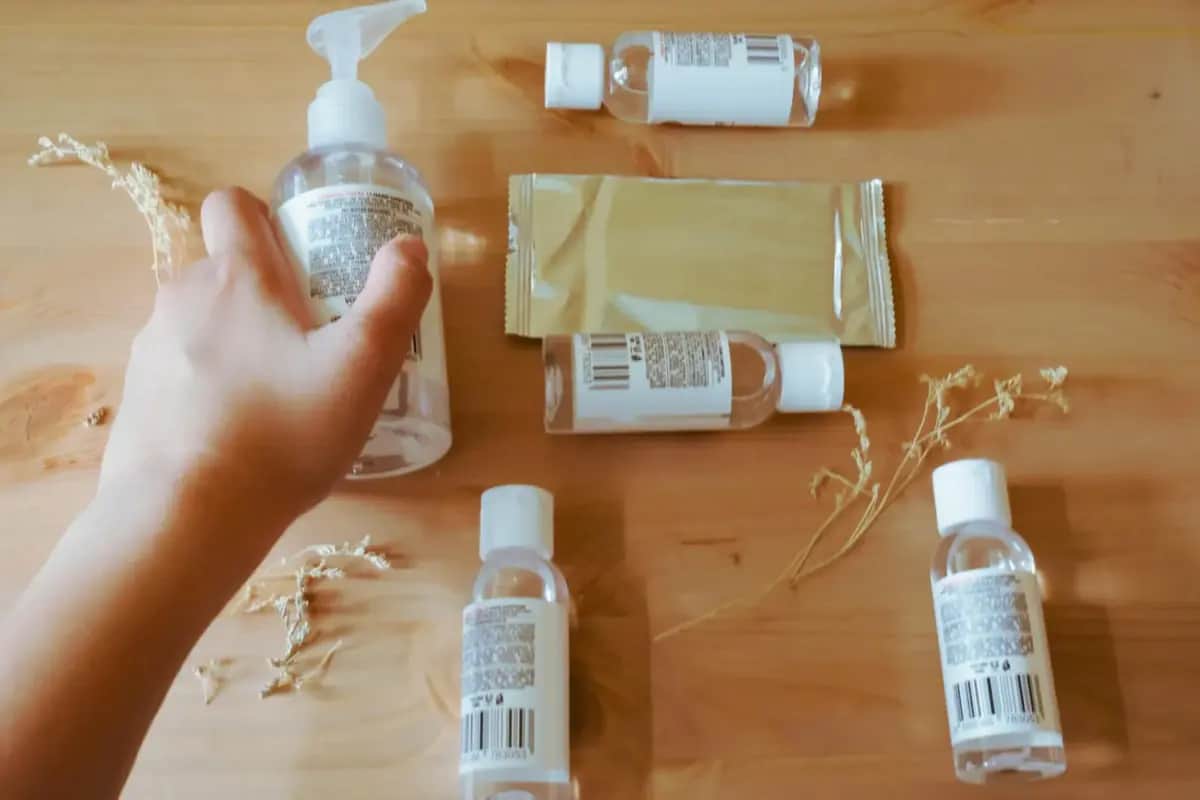
- P1 — Hand sanitizer (80% ethanol): minimum 2 liters per household
- P1 — Bar soap: 6-12 bars
- P1 — Surface disinfectant: 1-2 liters (household concentration)
- P2 — Paper towels: for no-contact surface wiping (12+ rolls)
Medical Supplies
- P1 — Fever medication: ibuprofen + paracetamol, 4-week supply at standard doses
- P1 — Oral rehydration salts (ORS): 10+ sachets
- P1 — Pulse oximeter: 15-30 euros, measures blood oxygen saturation
- P1 — Digital thermometer: 10-20 euros
- P2 — Antihistamines: for allergic reactions to medication or pathogen response
- P2 — 30-day buffer of all prescription medications: requires physician discussion
Food and Household Supplies
- P1 — 4-week shelf-stable food supply
- P1 — 2-week water supply (or purification capability)
- P1 — 4-week household consumables (toilet paper, cleaning products, laundry)
Household Isolation Protocol
- P1 — Written household isolation plan: sick room designated, caregiver roles defined
- P1 — Telemedicine option identified: most GPs offer video appointments
- P2 — Communication plan if one member is hospitalized
Biological supplies cost: 300-500 euros for complete household kit
Radiological Threat Checklist
Knowledge and Location Assessment
- P2 — Determine distance from nearest nuclear power plant (German, French, Belgian, Czech)
- P2 — Identify the local civil protection authority responsible for your area in case of nuclear incident
- P2 — Download or bookmark the nearest plant's emergency information page
Key Protective Medication
- P2 — Potassium iodide (KI) tablets: available from pharmacies; recommended if within 100-200km of a nuclear plant; follow official dosing guidance exactly
- Adults: one 130mg tablet at the time of official recommendation
- Children: weight-appropriate dosing (see package insert)
- Take only when officially recommended — premature or unnecessary iodine can cause harm
Shelter-in-Place Supplies
Same as chemical scenario — sealing the home is the key protective measure:
- P1 — Duct tape (shared with chemical kit)
- P1 — Plastic sheeting (shared with chemical kit)
- P2 — 48-72 hour water supply (tap water may be contaminated in close-range events)
- P2 — Battery radio for official guidance
Evacuation Readiness
- P2 — Go-bag (shared with chemical scenario)
- P2 — Vehicle fuel routinely above half-tank
Radiological supplies cost: 20-40 euros (KI tablets if purchased; shelter-in-place shared with chemical kit)
Nuclear/Extreme Scenario Checklist
This scenario (military nuclear event) requires specialized planning beyond standard household preparedness. The measures below represent minimum practical preparation.
- P3 — Know the nearest public shelter locations (inquire with local civil protection authority)
- P3 — Have a sturdy interior room identified (innermost room, no windows, below grade if possible)
- P3 — Extended food and water supply (2+ weeks)
- P3 — KI tablets (same as radiological scenario)
- P3 — Battery radio for emergency broadcasts
CBRN General Supplies (All Scenarios)
- P1 — NINA app installed, configured, and tested
- P1 — Battery-powered radio (DAB+ or AM/FM): for when electricity and internet fail
- P1 — Written emergency contact list (not only in phone)
- P1 — Basic go-bag with documents, medications, and 72-hour supplies
- P2 — Vehicle with adequate fuel
- P2 — Two evacuation routes planned from home
CBRN Supply Budget Summary
| Category | Priority 1 Cost | Full Kit Cost |
|---|---|---|
| Chemical | 10-20 € | 30-50 € |
| Biological | 200-300 € | 300-500 € |
| Radiological | 20-40 € (KI) | 50-100 € |
| General (all scenarios) | 30-50 € | 80-150 € |
| Total | 260-410 € | 460-800 € |
Note: The biological category dominates the cost because pandemic supplies are the most supply-intensive. Most of these items (food, medication, hygiene) are consumed and replaced in normal life anyway — this is not specialized equipment, it is a buffer of everyday supplies.
Action Priorities (Where to Start)
Do today (free or under 20 euros):
- Install and configure NINA app
- Buy a roll of duct tape and a piece of plastic sheeting
- Write down key emergency contacts on paper
Do this week (20-50 euros):
- Buy FFP2 masks (start with 50)
- Buy hand sanitizer (2 liters)
- Buy fever medication for a 2-week supply
Do this month (100-200 euros):
- Build a 2-week food supply
- Complete the biological supplies checklist
- Discuss KI tablets with pharmacy if near a nuclear plant
Conclusion
CBRN household preparation is more accessible than the acronym suggests. Most of the Priority 1 items are everyday supplies — food, medication, hygiene products — maintained at higher levels than normal. The genuinely specialized items (KI tablets, plastic sheeting for sealing) are inexpensive and widely available. Start with the general and biological categories, which cover the most likely scenarios for Central European households.